Source 4 channel off-road rc buggy for Game, Toy, and Gift
Find and compare 30 listings for the 4 channel off-road rc buggy designed for game, toy, and gift applications. Buyers can review specifications including engine types, colors, and customization options from verified suppliers in China.
Key considerations
Products List






Suyang High Quality All-Terrain 4WD Gasoline Mini off-Road Mini Buggy
$1150.00 - $1650.00
MOQ: 3 Pieces

Adult Racing Karting off Road Mini Buggy 4X4 Quad ATV UTV Cart Electric Go Kart
$1580.00 - $1780.00
MOQ: 10 Pieces



Comprehensive Sourcing Guide
Strategic Sourcing Guide for 4-Channel Off-Road RC Buggies
Technical Specifications and Performance Parameters
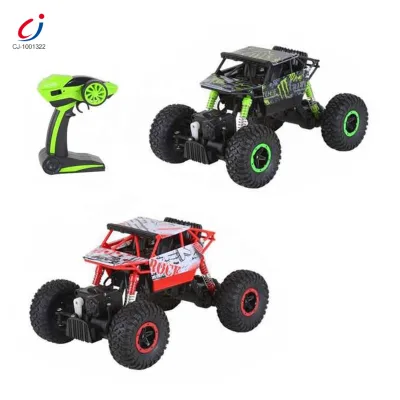
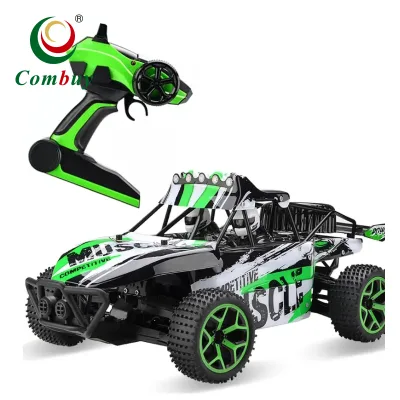
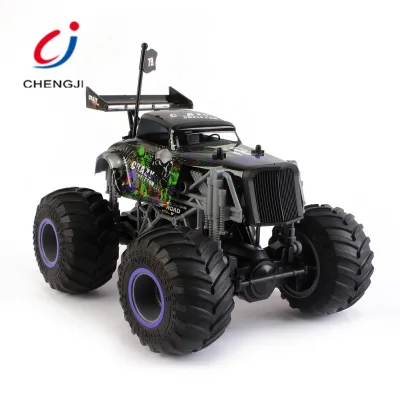
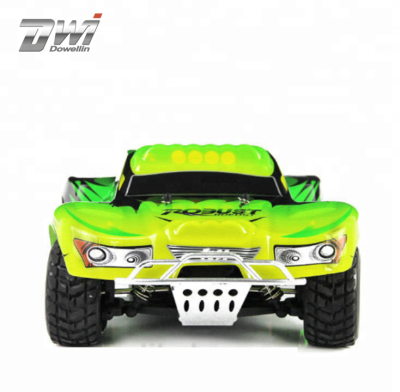
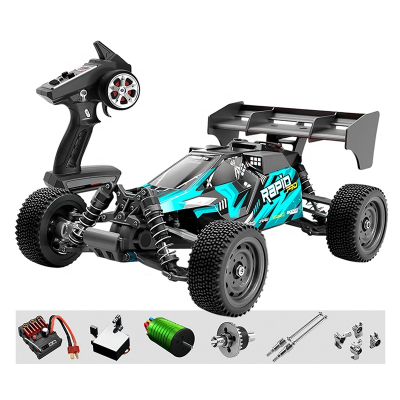
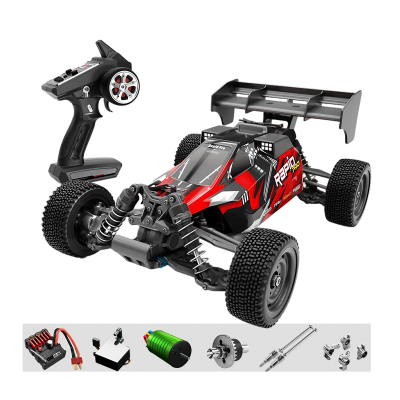
When sourcing a 4-channel off-road RC buggy, buyers must first distinguish between electric and gas-powered variants, as the supply chain for each operates under different technical constraints. The market presents distinct configurations, ranging from compact electric models suitable for indoor or small-scale outdoor use to robust gas-powered units designed for serious terrain. For electric models, the power output is typically capped below 500W, utilizing a 2.4GHz transmission system to ensure stable control over distances that require direct contact with the manufacturer for specific range verification. These units often feature a 4WD drivetrain, essential for rock climbing and uneven surfaces, with a scale ratio of 1:16 being a common standard for this class of toy.
In contrast, gas-powered alternatives offer significantly higher performance metrics. The supply chain includes units equipped with 4-stroke, single-cylinder engines that are water-cooled, providing sustained power for extended operation. Specific displacement figures observed in the market include 110CC and 150CC variants, with high-performance models reaching up to 275.6 CC. These engines are paired with specific ignition systems, such as C.D.I, and electric start mechanisms that rely on batteries like the YTX12-BS 12V10AH. The transmission system for these larger units is frequently a chain drive, coupled with an automatic transmission type to manage torque effectively.
The physical dimensions and structural integrity are critical for off-road durability. Buyers should verify that the chassis is constructed from high-grade plastic for electric models or features an iron frame and carton packaging for larger go-kart style conversions. Structural variations exist, with some models designed without doors to reduce weight and increase agility. Climbing ability is a key differentiator; while standard toys may have limited incline capabilities, specialized off-road units are engineered to handle gradients up to 12 degrees. The color palette in the supply chain is diverse, with blue, red, and green options frequently available, allowing for brand customization or fleet uniformity.
Compliance and Certification Verification
Navigating the regulatory landscape for RC vehicles requires rigorous attention to certification standards, particularly when importing into markets with strict safety regulations. The CE mark is a prominent certification observed in the product attributes, indicating conformity with health, safety, and environmental protection standards for products sold within the European Economic Area. However, the presence of a CE mark on a listing does not automatically guarantee that every unit in a specific batch meets the current directive; it is an observation of the product's claimed compliance status.
Buyers must verify that the "Third party inspection: Accepted" attribute is actionable. This indicates that the supplier is willing to undergo external quality audits, a crucial step for validating that the product meets the claimed standards before shipment. For electric toys intended for younger demographics, specifically those targeting age ranges of 2 to 4 years, 5 to 7 years, and 8 to 13 years, additional safety certifications regarding battery safety and small parts are often required. The "Window Box" packaging for smaller units and "Carton" packaging for larger ones must also be evaluated for compliance with shipping and safety regulations regarding hazardous materials, especially for gas-powered engines containing fuel residues or batteries.
Cost Drivers and Pricing Dynamics
The pricing structure for 4-channel off-road RC buggies is influenced by a complex interplay of engine type, displacement, and customization options. The observed market range spans from $9.44 to $3,000, reflecting the vast difference between a basic plastic electric toy and a high-performance gas-powered utility vehicle. The lower end of the spectrum typically corresponds to electric models with lower wattage, simple plastic construction, and standard packaging. These units often have a minimum order quantity (MOQ) of 1 to 120 pieces, with the specific number depending on the supplier's capacity and the buyer's negotiation leverage.
At the higher end of the price spectrum, costs are driven by the inclusion of 4-stroke engines, water cooling systems, and advanced features like remote control capabilities with extended distances. The "OEM Service" attribute suggests that buyers can customize branding, which often incurs additional setup costs but allows for long-term margin optimization. The "Supply Ability" of 5000 pieces per day indicates that large-scale orders can be fulfilled without significant delays, but the unit price may fluctuate based on volume tiers. Buyers should note that the "Remote Distance" is often listed as "Contact us," implying that performance claims regarding range are not standardized and must be verified through direct negotiation or testing.
Typical Applications and Usage Scenarios
The versatility of 4-channel off-road RC buggies allows them to serve multiple sectors, from recreational play to professional training. The primary usage categories identified include Game, Toy, Gift, and Teaching. For the "Toy" and "Game" sectors, the 2.4GHz 4WD cross-country rock climbing car is ideal for outdoor adventures, offering durability against rough terrain. The "Teaching" application is particularly relevant for educational institutions or training centers where these vehicles can be used to demonstrate principles of mechanics, physics, and remote control operation.
The age range of 2 to 13 years suggests a broad market appeal, but the specific application must be matched to the product's power and safety features. Electric models with power under 500W are safer for younger children, while gas-powered units with displacements up to 275.6 CC are better suited for older children and adults. The "Structure: Without Door" design and "Climbing Ability: 12°" make these vehicles suitable for rugged environments, including dirt tracks, rocky paths, and off-road trails. The "Remote" feature allows for precise control, making them valuable tools for hobbyists and competitive racers who require high maneuverability.
Supplier Evaluation and Geographic Origins
Evaluating suppliers requires a focus on their geographic location and logistical capabilities. The supply chain for these products is concentrated in specific regions of China, with "Shanghai" and "Guangdong" identified as key places of origin. These regions are known for their robust manufacturing ecosystems, particularly in the toy and small engine sectors. The "Port of dispatch" is typically listed as Shenzhen or Shantou, which are major shipping hubs facilitating efficient export logistics.
When assessing a supplier, buyers should prioritize those who explicitly state "Third party inspection: Accepted" and offer "OEM Service." This indicates a willingness to collaborate on product development and quality assurance. The "Supply Type: OEM Service" suggests that the supplier can produce branded goods, which is essential for businesses looking to build a distinct market presence. The "Condition: New" attribute confirms that the products are manufactured fresh, but buyers must verify the "Production Standard" and "Packing Details" to ensure that the goods arrive in optimal condition. The "Quantity: 12 pcs/ctn" for smaller units and specific packing details for larger units must be accounted for in logistics planning to optimize container space and reduce shipping costs.
Quality Control and Long-Term Procurement Considerations
Ensuring consistent quality in 4-channel off-road RC buggies requires a proactive approach to quality control. The "Material: Plastic" for electric models and the "Iron Frame" for larger units must be inspected for structural integrity and durability. Buyers should verify that the "Engine oil: SAE 10W/40" is specified for gas models, as using the correct lubricant is critical for engine longevity. The "Battery: YTX12-BS 12V10AH" must be tested for charge retention and safety, especially for units intended for younger users.
Long-term procurement considerations involve establishing a relationship with suppliers who can maintain consistent quality over time. The "Production Standard" of 23012066 cm for larger units and 1250760800 mm for others must be strictly adhered to, as deviations can affect shipping and storage. Buyers should also consider the "Package Includes: Remote Controller" to ensure that all necessary components are provided. The "Selling Units: Single item" flexibility allows for smaller initial orders, but for long-term contracts, buyers should negotiate volume discounts and standardized packaging to reduce costs. Finally, the "Lead Time" and "MOQ" should be confirmed directly with the supplier, as these values can vary based on production schedules and market demand.
FAQs
What certifications are available for these buggies?
CE certification is available for these products. This indicates conformity with health, safety, and environmental protection standards for products sold within the European Economic Area, though buyers should verify third-party inspection acceptance for specific batches.
Can I customize the product with my brand?
Yes, customization is available through OEM service. Buyers can customize branding which often incurs setup costs but allows for long-term margin optimization, provided they negotiate volume tiers and standardized packaging to reduce overall costs.
What is the maximum power output for gas models?
The maximum power output is 13KW at 7500 RPM for high-performance gas models. These units feature 4-stroke, single-cylinder engines with water cooling and displacements up to 275.6 CC for sustained power during extended operation.
Which age groups can use these off-road buggies?
These buggies are suitable for ages 2 to 13 years and adults. Electric models under 500W are safer for younger children, while gas-powered units with higher displacement are better suited for older children and adults seeking rugged performance.
How is the product packaged for shipping?
Packaging varies by model, including iron frames, cartons, and window boxes. Smaller units often come in window boxes with 12 pieces per carton, while larger go-kart style conversions use iron frames and cartons to ensure structural integrity during transit.
What is the minimum order quantity for these items?
The minimum order quantity ranges from 1 to 120 pieces depending on the supplier. Specific MOQs depend on the supplier's capacity and the buyer's negotiation leverage, so contacting sales to confirm exact information is required before placing an order.
Where are these products manufactured and shipped from?
Products originate from Shanghai and Guangdong, China, with dispatch ports in Shenzhen or Shantou. These regions are known for robust manufacturing ecosystems in toys and small engines, facilitating efficient export logistics for international buyers.