Source Tactical Raincoat for Riding, Walking, and Mountaineering
Find 30 Tactical Raincoat options from Chinese manufacturers featuring windproof and waterproof materials. Compare models with customizable logos, reflective strips, and various sizes for outdoor riding, walking, and mountaineering applications.
Key considerations
Products List
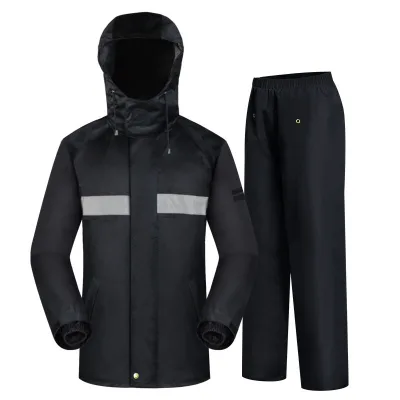


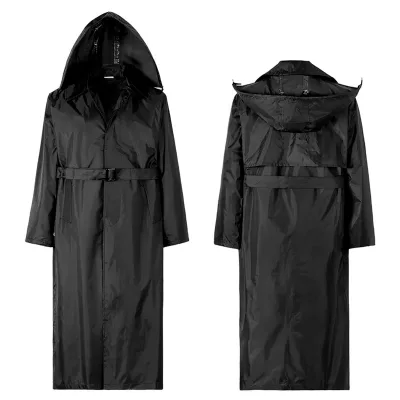


Waterproof Tactical Jacket Waterproof Rain-Proof Material Tactical Jacket
$20.05 - $22.49
MOQ: 1000 piece

Comprehensive Sourcing Guide
Strategic Sourcing Guide for Tactical Raincoat Procurement
Navigating the global market for tactical raincoats requires a disciplined approach that balances performance requirements with supply chain reliability. The current landscape, particularly within the Chinese manufacturing sector, offers a diverse array of options ranging from specialized mountaineering gear to general outdoor walking apparel. Buyers must distinguish between products designed for high-intensity tactical operations and those suitable for general utility. This guide synthesizes available product data and industry standards to provide a framework for evaluating potential suppliers and selecting the right Tactical Raincoat for specific operational needs.
Technical Specifications and Material Composition
The foundation of any effective Tactical Raincoat lies in its material composition and construction methods. Based on observed market data, the primary materials utilized include Oxford fabric and Polyester. These materials are selected for their durability and ability to withstand harsh environmental conditions. A critical technical attribute observed in the supply chain is the presence of seamless fusing. This manufacturing technique is essential for waterproof integrity, as it eliminates needle holes that could otherwise compromise the garment's ability to repel water.
When evaluating specifications, buyers should look for explicit confirmation of "Seamless Fusing: Yes." This feature ensures that the jacket maintains its structural integrity under stress. Furthermore, the product standards vary, with some items listed under Nylon standards while others adhere to Polyester specifications. The choice between these materials often depends on the specific application; Nylon typically offers superior abrasion resistance, while Polyester provides excellent quick-drying properties.
Size and fit are equally critical. The market data indicates a wide range of sizing options, including M, L, XL, 2XL, and 3XL, with some listings specifying a standard range from S to XXXL. This variability suggests that suppliers must be capable of accommodating diverse body types, which is a common requirement in tactical and military procurement. Additionally, the packaging specifications, such as "20 pieces per carton" or "100 pieces per carton," influence logistics planning. Buyers must verify if the single package size of 40x30x3 cm aligns with their storage and shipping constraints.
Compliance, Certification, and Safety Standards
In the realm of tactical gear, compliance is not merely a formality but a prerequisite for operational safety. The observed product listings reveal a mix of certification statuses. Some items are associated with CE certification, a standard often required for products sold within the European Economic Area, indicating conformity with health, safety, and environmental protection standards. Other listings mention "ENREACH" or general EN standards, though the specific nature of these certifications requires verification against current regulatory frameworks.
A crucial distinction in this category is the "Disposable" attribute. The data explicitly notes "Non-Disposable" for several models, which is a vital differentiator for tactical applications where gear must be reusable and durable over multiple missions. Buyers should prioritize suppliers who can clearly document that their products are designed for long-term use rather than single-use scenarios.
Furthermore, the presence of reflective strips is a significant safety feature. The market shows a split between products with reflective strips and those without. For tactical operations conducted in low-light conditions or high-traffic environments, the inclusion of reflective strips is often mandatory. Procurement teams must specify this requirement clearly in their requests for quotation (RFQ) to avoid receiving non-compliant inventory. The "EN" standard mentioned in the context likely refers to European safety norms, but buyers must confirm the specific standard number (e.g., EN 343 for protective clothing against rain) to ensure the garment meets the necessary water penetration and breathability thresholds.
Cost Drivers and Pricing Dynamics
Understanding the cost structure of tactical raincoats is essential for budgeting and negotiation. The observed price range in the market spans from $1 to $27.6 USD. This wide variance is driven by several factors, including material quality, the complexity of the design, and the inclusion of advanced features like seamless fusing or reflective strips. Lower-priced items often correspond to basic Polyester or Nylon constructions with minimal features, while higher-priced units likely incorporate more robust materials, superior sealing technologies, and specialized tactical designs.
Minimum Order Quantity (MOQ) is another significant cost driver. The data indicates an MOQ range of 50 to 3000 units. Suppliers with lower MOQs (e.g., 50 units) may charge a higher unit price due to the setup costs associated with smaller production runs. Conversely, suppliers requiring higher volumes (up to 3000 units) typically offer more competitive per-unit pricing. Buyers must balance their inventory needs against their budget constraints. For organizations requiring large-scale deployment, negotiating a higher MOQ can yield significant cost savings.
Additional cost factors include customization options. The availability of customized logos and specific color requirements (such as Black or Navy) can impact the final price. Digital printing methods are supported for customization, but the setup costs for digital printing may vary based on the complexity of the design and the volume ordered. Buyers should also consider the "Single gross weight" of 0.500 kg per unit when calculating freight costs, as weight directly influences shipping expenses.
Typical Applications and Usage Scenarios
Tactical raincoats are designed for a variety of demanding environments. The observed product attributes highlight applications ranging from mountaineering and camping to general outdoor riding and walking. This versatility suggests that the supply chain supports both specialized tactical units and general outdoor enthusiasts.
For mountaineering applications, the "Windproof" and "Breathable" features are non-negotiable. These characteristics ensure that the wearer remains dry from external precipitation while allowing moisture vapor to escape, preventing overheating during high-exertion activities. The "Quick Dry" and "Waterproof" features are equally critical for users operating in wet environments where rapid drying is necessary to maintain body temperature and comfort.
The "Usage" attributes also specify suitability for factory workplaces, indicating that some models are designed for industrial or utility contexts where protection against rain and wind is required. This dual-purpose nature allows buyers to source gear that can serve multiple functions, from field operations to industrial safety requirements. The "Single" capacity and "Cloak" style options suggest that some products are designed for maximum coverage, which is beneficial for users carrying equipment or requiring full-body protection.
Supplier Evaluation and Sourcing Strategy
Evaluating suppliers requires a rigorous assessment of their capabilities and reliability. The primary source of supply identified is China, with specific origins noted in Guangzhou and Zhejiang. These regions are known for their robust textile manufacturing ecosystems, but buyers must verify the specific capabilities of each supplier.
Key evaluation criteria include the supplier's ability to support sample orders. The data confirms a "7 days sample order lead time," which is a positive indicator of responsiveness. Buyers should utilize this lead time to test product quality before committing to large orders. Additionally, the "In-Stock Items" attribute suggests that some suppliers maintain ready inventory, which can be crucial for urgent procurement needs.
When assessing suppliers, buyers should request detailed documentation regarding their production standards. While some listings mention CE or EN standards, the specific compliance status must be verified. Suppliers should be able to provide test reports or certificates that confirm their products meet the claimed specifications. The "Customization: Available" attribute indicates flexibility, but buyers must ensure that the customization process does not compromise the garment's integrity or waterproofing capabilities.
Quality Control and Long-Term Procurement Considerations
Maintaining quality over the lifecycle of a procurement contract is essential. The "Non-Disposable" nature of the products implies a need for durability testing. Buyers should implement a quality control protocol that includes checking for seam integrity, verifying the effectiveness of the waterproof coating, and ensuring that reflective strips remain adhered after washing and wear.
Long-term procurement considerations also involve supply chain stability. The "Single package size" and "20 pieces/CTN" or "100 pieces/CTN" packing standards affect storage efficiency. Buyers should negotiate packing specifications that optimize space utilization in their warehouses. Furthermore, the "Style: Kits" attribute suggests that some products may be sold as part of a larger system, which could impact inventory management and replacement part availability.
Sustainability and environmental compliance are increasingly important in B2B procurement. While the provided data does not explicitly detail environmental certifications, buyers should inquire about the environmental impact of the materials used, particularly regarding the production of Nylon and Polyester. Ensuring that suppliers adhere to responsible manufacturing practices can mitigate reputational risks and align with corporate sustainability goals.
Conclusion
Sourcing tactical raincoats requires a meticulous approach that integrates technical specifications, compliance verification, and strategic supplier evaluation. The market offers a wide range of options, from basic Polyester jackets to advanced Nylon models with seamless fusing and reflective strips. By focusing on key attributes such as material composition, certification status, and application suitability, buyers can make informed decisions that meet their operational requirements. The observed price and MOQ ranges provide flexibility for different procurement strategies, but careful due diligence is necessary to ensure that the selected products deliver the promised performance and durability. Ultimately, a disciplined sourcing process that prioritizes quality and compliance will result in a reliable supply of tactical raincoats capable of withstanding the rigors of their intended environments.
FAQs
What materials are used for tactical raincoats?
Tactical raincoats are primarily constructed from Oxford fabric or Polyester. Some listings also reference Nylon standards. These materials are selected for their durability and ability to withstand harsh environmental conditions while providing necessary protection.
Can I find raincoats with seamless fusing technology?
Yes, seamless fusing is a confirmed feature in the available product listings. This manufacturing technique eliminates needle holes to ensure waterproof integrity. Buyers should verify this attribute when selecting gear for wet operational environments.
Which certifications are available for tactical raincoats?
Some products are listed with CE certification or ENREACH standards. Other items reference general EN standards. Buyers must verify specific compliance documents to ensure the gear meets required safety and environmental protection norms for their region.
How does the MOQ range affect procurement costs?
The minimum order quantity ranges from 50 to 3000 units depending on the supplier. Lower MOQs often carry higher unit prices due to setup costs. Negotiating higher volumes can yield more competitive per-unit pricing for large-scale deployments.
What customization options are available for logos?
Customization is available for logos using digital print methods. Buyers can request specific designs or branding on the gear. The setup costs may vary based on design complexity and the volume ordered for the production run.
Where are the Tactical Raincoat manufacturers located?
The primary supply origins are Guangzhou and Zhejiang in China. These regions offer robust textile manufacturing ecosystems. Buyers should verify specific supplier capabilities within these locations to ensure reliability and quality control for their orders.
Can I get samples before placing a large order?
Yes, sample orders are supported with a 7-day lead time. This allows buyers to test product quality before committing to bulk purchases. In-stock items are also available for urgent procurement needs requiring immediate delivery.