Source Wedding Decoration Rooster Feather Trim for weddings, parties, and home decor
Compare 30 listings for Wedding Decoration Rooster Feather Trim from verified suppliers in China. Buyers can review sizes, colors, and shipping options to find the right fringe for events and crafts.
Key considerations
Products List





Comprehensive Sourcing Guide
Wedding Decoration Rooster Feather Trim Sourcing Guide
Sourcing high-quality rooster feather trim for wedding decorations requires a nuanced understanding of material variability, aesthetic consistency, and logistical reliability. These trims serve as premium embellishments for everything from bridal veils and gown hems to table runners, arch draping, and floral arrangements. The natural texture and iridescence of rooster feathers offer a luxurious, organic alternative to synthetic alternatives, but they introduce unique challenges regarding durability, colorfastness, and uniformity. Buyers must navigate a market where "rooster feather" can refer to various parts of the bird, such as the tail, neck, or wing, each offering distinct visual effects. The decision to source these items involves balancing aesthetic desires with practical constraints, ensuring that the final product meets the rigorous standards expected in the wedding industry.
This guide provides evidence-based procurement strategies for buyers seeking rooster feather trims, focusing on verified product attributes, technical specifications, and commercial terms. By leveraging observed listing signals and trusted category knowledge, buyers can make informed decisions that mitigate risk and ensure satisfaction. The following sections detail the critical factors to consider, from verifying material composition and size specifications to understanding cost drivers and supplier qualifications. This structured approach helps buyers navigate the complexities of sourcing natural fiber trims, ensuring that their wedding decoration projects are executed with precision and quality.
Product Scope and Observed Listing Signals
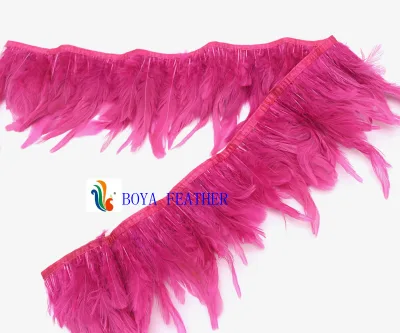
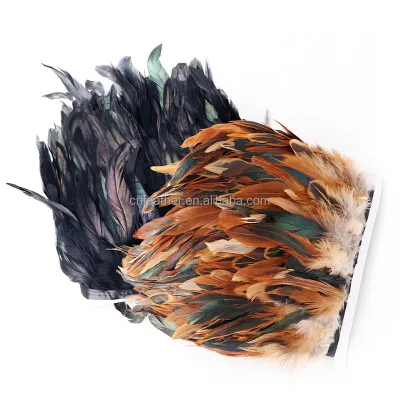
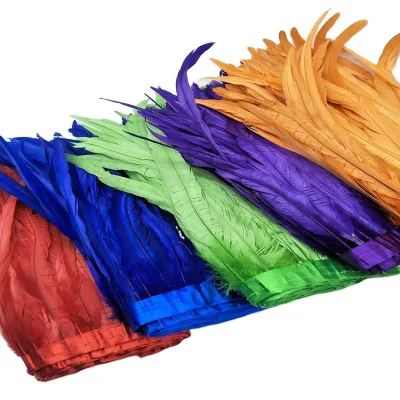
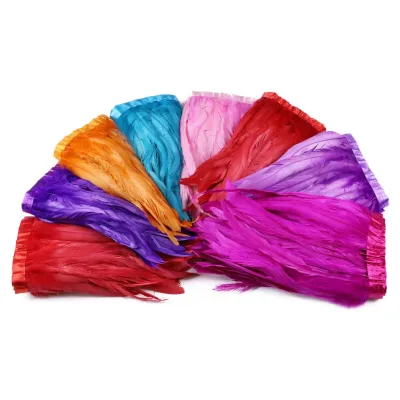
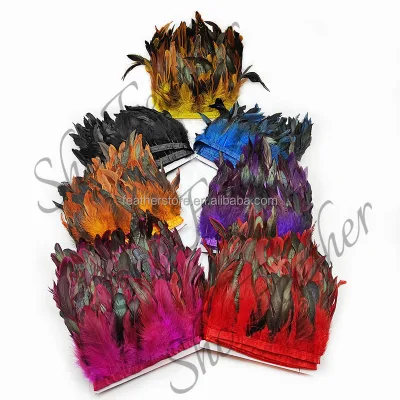
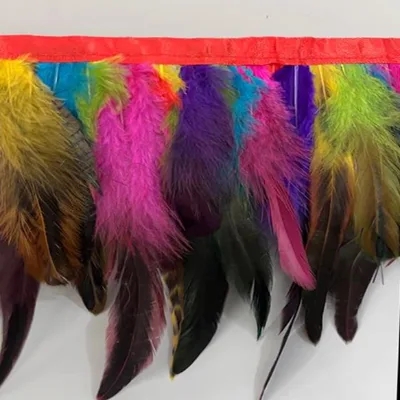
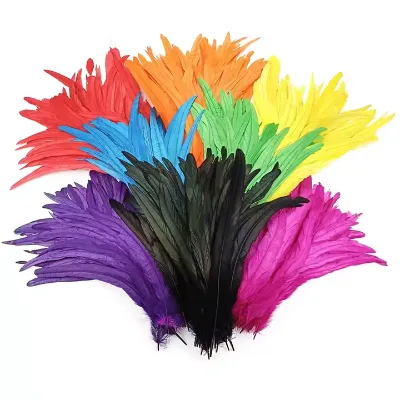
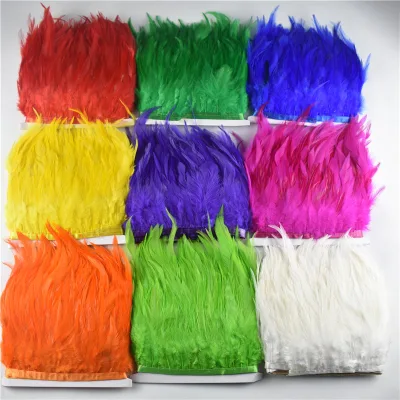
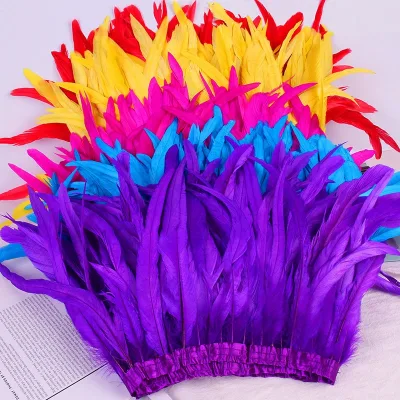
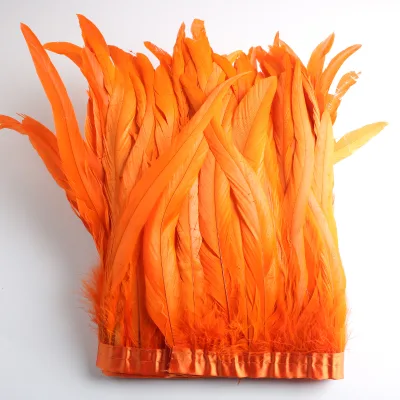
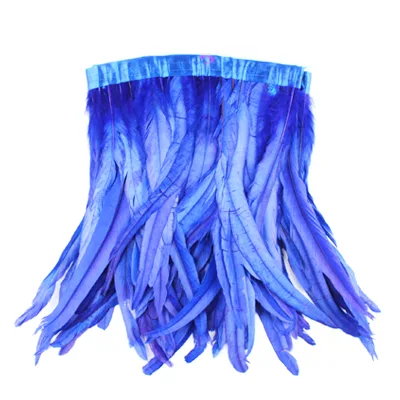
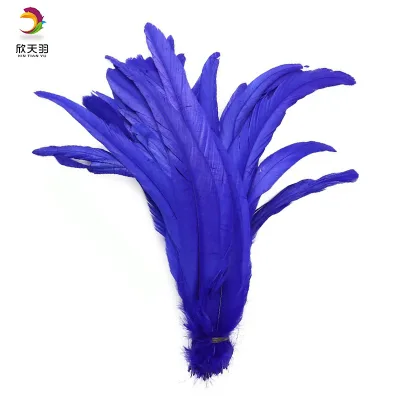
The observed product landscape for rooster feather trim reveals a diverse range of offerings, primarily categorized by feather type, size, and application. Listings indicate the presence of "Rooster Schlappen Feather Fringe" and "Cock/Rooster Tail feather trim," suggesting that buyers have access to both the broad, fan-like schlappen feathers and the more structured tail feathers. These variations cater to different decorative needs, with schlappen feathers often used for voluminous, flowing effects in arches or backdrops, while tail feathers provide sharper, more defined lines for garment embellishments or floral accents. The material is consistently identified as "Chicken Feather" or "Rooster Feather," confirming the natural origin of the product, which is a key selling point for eco-conscious or luxury wedding planners.
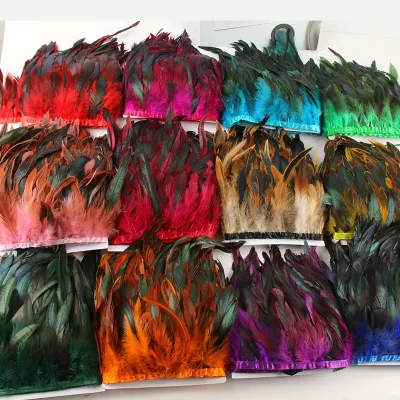
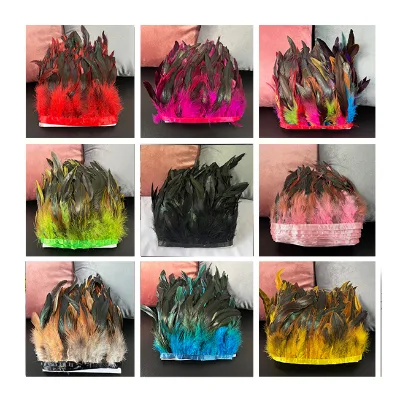
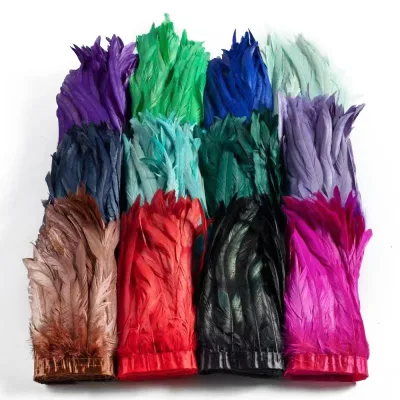
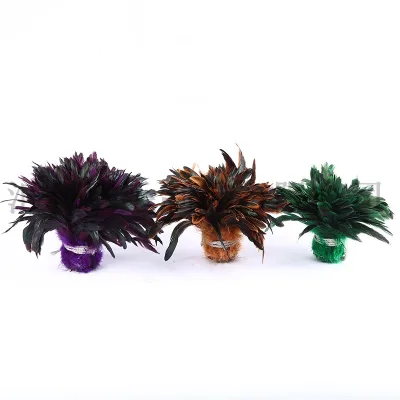
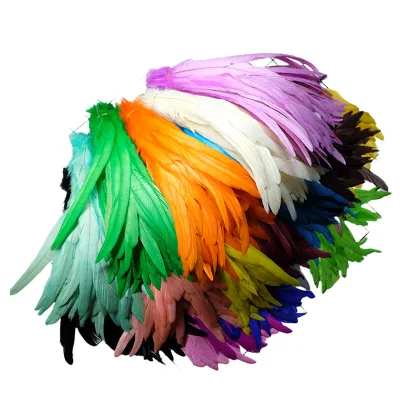
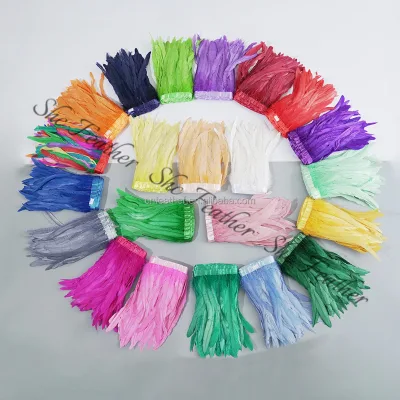
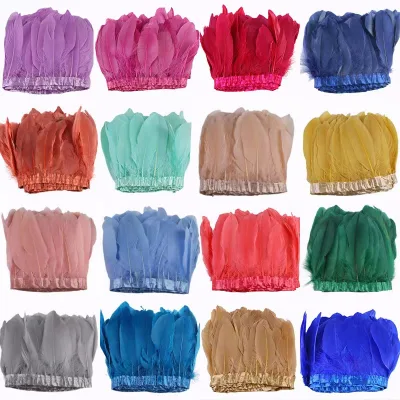
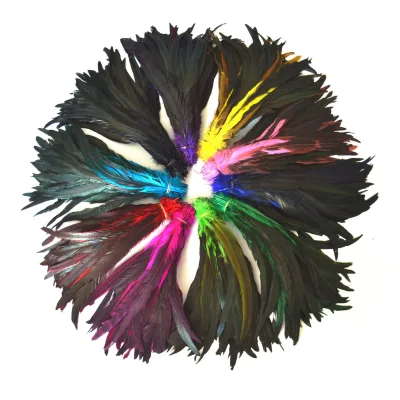
Color options and finishing processes are significant differentiators in this market. Observed data highlights "Dyed" patterns and a wide array of available colors, including Beige, Black, Champagne, Mint, Pink, and Red, allowing for precise matching with wedding themes. Some listings specify "Dyed Color(any Colors," indicating customization potential, while others note "Selected Prime" quality, suggesting a tiered approach to product grading. The usage extends beyond general "Decorations" to specific applications like "Fly tying" and "Feather Clothing," which implies versatility but also requires buyers to clarify the intended end-use to ensure the trim meets the necessary durability and aesthetic standards for wedding environments.
Technical Specifications to Verify
Verifying technical specifications is crucial to ensuring that the rooster feather trim meets the project's dimensional and structural requirements. Observed size ranges vary significantly, with listings indicating sizes from 4-6 inches up to 40-45 cm, and specific model numbers like "BY-RFT002" or "Rooster schlappen feather trim" helping to identify consistent product lines. Buyers must pay close attention to the "Feather Size (L x W)" and "Single package size" to plan for storage and installation logistics. For instance, packages measuring 100X20X6 cm or 50X2X2 cm suggest different packing densities and handling requirements, which can impact shipping costs and on-site storage efficiency.
Model numbers and single gross weights provide additional insights into product consistency and handling. Listings with model numbers such as "Schlappen Feather Fringe" or "Cock/Rooster Tail feather trim" help in tracking specific product variants across suppliers. The single gross weight, ranging from 0.05 kg to 2.000 kg, indicates the density and volume of the trim, which is essential for calculating freight costs and ensuring that the trim is substantial enough for its intended decorative purpose. Buyers should verify these specifications against their design requirements to avoid mismatches in scale or weight, which could compromise the visual impact or structural integrity of the wedding decorations.
Compliance and Safety Documentation
While specific certification statuses are not explicitly detailed in the observed listings, buyers must proactively verify compliance with safety and quality standards, particularly for wedding environments where guests may have close contact with the decorations. Natural feathers are organic materials that can be susceptible to allergens or pests if not properly treated. Buyers should request documentation confirming that the feathers have been cleaned, sanitized, and treated to prevent mold, mildew, or insect infestation, ensuring they are safe for indoor use. This is especially important for large-scale installations where feathers may be suspended from ceilings or placed near food and beverage areas.
Additionally, buyers should inquire about the dyeing process and the chemicals used, ensuring that the dyes are non-toxic and meet relevant safety standards for decorative materials. Although "Trade Assurance" is mentioned as a payment method, it does not substitute for product-specific safety certifications. Buyers should ask for material safety data sheets (MSDS) or test reports related to the dyes and any preservatives used. This due diligence helps mitigate liability risks and ensures that the wedding decorations are not only aesthetically pleasing but also safe for all attendees, including those with sensitivities to natural materials or chemical residues.
Cost Drivers and Commercial Terms
The cost of rooster feather trim is influenced by several factors, including material quality, color customization, and order volume. Observed MOQs range from 2 to 200 pieces, with some listings specifying 50 meters per color, indicating that bulk orders may offer better pricing but require a commitment to specific colorways. The "Selected Prime" quality designation suggests a premium price point for higher-grade feathers, which are more uniform in size and color. Buyers should consider the trade-off between cost and quality, as lower-grade feathers may have more variation in length and color, potentially requiring additional labor to sort and arrange during installation.
Shipping and delivery terms also play a significant role in the total cost of ownership. Listings indicate shipping via express carriers like DHL, UPS, FedEx, and TNT, with delivery times ranging from 3-7 to 7-15 working days. The "Place of Origin" being Guangdong or Henan, China, and the "Port" being Guangzhou or Shenzhen, suggests that buyers should factor in international shipping costs and potential customs duties. The "Single package size" and "Single gross weight" are critical for calculating freight charges, as larger or heavier packages may incur higher shipping fees. Buyers should negotiate clear terms regarding shipping responsibilities and delivery timelines to avoid unexpected costs or delays.
Supplier Qualification and Quality Control
Supplier qualification is essential to ensure a reliable supply of high-quality rooster feather trim. Buyers should verify the supplier's experience in the feather trimming industry, their production capacity, and their ability to meet specific quality standards. The presence of brand names like "BOYA" and "SHC" indicates that some suppliers have established brand identities, which can be a proxy for reliability and consistency. Buyers should request samples to assess the quality of the feathers, including their texture, color consistency, and durability. This hands-on evaluation is crucial for determining whether the supplier can meet the project's aesthetic and functional requirements.
Quality control processes should be clearly defined and agreed upon before placing orders. Buyers should inquire about the supplier's inspection procedures, including how they handle defects, color variations, and size inconsistencies. The "Packing: Opp Bags" method suggests a basic level of protection, but buyers may need to request additional packaging for fragile or high-value items. Establishing clear quality acceptance criteria and communication channels with the supplier helps ensure that any issues are addressed promptly, minimizing the risk of receiving substandard products that could compromise the wedding decorations.
Long-Term Procurement Checks
Long-term procurement success depends on establishing strong relationships with suppliers and implementing continuous improvement strategies. Buyers should conduct regular performance reviews to assess supplier reliability, product quality, and responsiveness to issues. This includes monitoring delivery times, product consistency, and customer service interactions. By maintaining open communication and providing feedback, buyers can help suppliers improve their processes and better meet their needs. This collaborative approach fosters trust and ensures a steady supply of high-quality rooster feather trim for future projects.
Additionally, buyers should stay informed about market trends and innovations in feather trimming technology. This includes exploring new dyeing techniques, sustainable sourcing practices, and alternative materials that may offer similar aesthetic benefits with improved durability or environmental profiles. By staying proactive and adaptable, buyers can optimize their sourcing strategies and maintain a competitive edge in the wedding decoration industry. Regularly updating supplier lists and exploring new sources of supply helps mitigate risks associated with single-source dependencies and ensures access to the best available products and services.
FAQs
What material is used for the rooster feather trim?
The trim is made from chicken or rooster feathers, specifically selected prime quality. Some listings specify dyed rooster feathers for fly tying or general decoration purposes. Buyers should verify the exact feather type based on the specific product model number provided.
Which sizes are available for the feather fringe?
Available sizes range from 4 to 6 inches up to 40 to 45 centimeters depending on the specific product listing. Common specifications include 15 to 20 centimeters and 30 to 35 centimeters. Buyers must check the single package size and model number to confirm the exact dimensions required.
How long is the delivery time for these products?
Delivery times vary between 3 to 7 working days and 7 to 15 working days based on the supplier. Some items ship via express door-to-door services like DHL or UPS. The specific lead time depends on the manufacturer's location in Guangdong or Henan, China.
What is the minimum order quantity for this trim?
Minimum order quantities range from 2 pieces to 50 meters per color depending on the supplier. Some vendors require a minimum of 20 pieces while others set the threshold at 50 meters. Buyers should confirm the specific MOQ before placing an order to ensure compliance.
Can I get the trim in different colors?
Yes, the feathers are available in various dyed colors including beige, black, pink, red, and mint. Some listings offer any dyed color options to suit specific decoration needs. The exact color availability depends on the specific product model and the supplier's current stock.
How is the product packaged and shipped?
Products are typically packed in OPP bags with single package sizes varying from 100x20x6 cm to 50x2x2 cm. Shipping is handled via express carriers such as DHL, UPS, FedEx, and EMS. The single gross weight ranges from 0.05 kg to 2.000 kg per package.