Source Breathable Quick Dry Cycling Pants for Racing, Gym, Yoga
Find 30 options for Breathable Quick Dry Cycling Pants designed for racing, gym workouts, and yoga. Compare features like polyester-spandex blends, custom logos, and automated cutting techniques to find the right fit for your needs; compare the available evidence and request quotations based on your requirements.
Key considerations
Products List


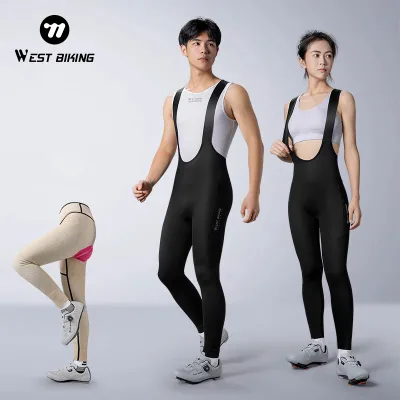
Hot Sale High-Performance Breathable Quick-Dry Men Women's Cycling Pants
$8.01 - $8.95
MOQ: 150 pieces

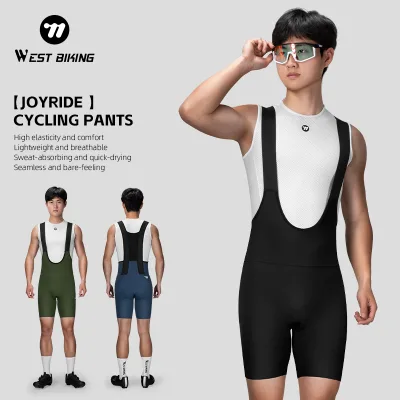
Hot Selling Men's Breathable Quick-Dry Stretchable Lightweight Cycling Pants
$6.68 - $7.46
MOQ: 150 pieces

Wholesale High-Compression Breathable Quick-Dry Comfortable Men Bike Wear Cycling Pants
$6.86 - $7.67
MOQ: 150 pieces


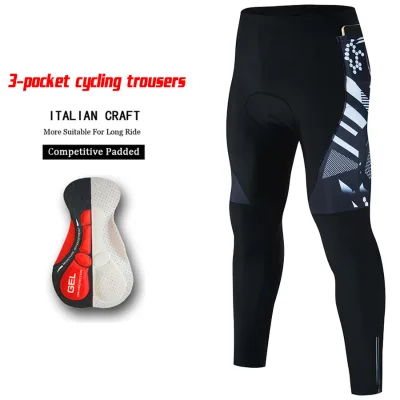
Wholesale Printed Breathable Stretchable Padded Reflective Zippered Pocket Cycling Pants
$7.16 - $8.01
MOQ: 150 pieces








Comprehensive Sourcing Guide
Breathable Quick Dry Cycling Pants Sourcing Guide
Buyers must first distinguish between general athletic pants and specialized cycling bib shorts, as the supplied data reveals distinct product lines with different usage profiles. While some listings explicitly target fitness, gym, and yoga with standard polyester/spandex blends, other entries specify racing, cycling, and ski applications with tailored fits. This distinction is critical because a garment designed for general gym use may lack the specific aerodynamic cut or chamois integration required for serious cycling performance.
Procurement teams should verify that the "breathable quick dry" claim aligns with the actual fabric composition listed in the product specifications. The observed inventory includes both 100% cotton options and high-performance nylon or polyester blends, where only the synthetic mixes typically deliver the necessary moisture-wicking properties for high-intensity cycling. Relying on generic descriptions without confirming the material ratio can lead to sourcing garments that retain moisture rather than drying quickly during extended rides.
Product Scope and Observed Listing Signals
The market data indicates a wide variance in product models, ranging from standard fitted pants to specialized cycling bib shorts, each serving different segments of the athletic apparel market. Buyers should note that while some items are listed as in-stock items with immediate availability, others require custom production runs with specific lead times. This variation suggests that sourcing strategies must account for both immediate inventory needs and long-term custom development cycles depending on the specific model number and customization requirements.
Observations of packaging and labeling reveal that suppliers offer flexible options, including custom logos via sublimation, embroidery, or heat press, alongside standardized packaging like OPP bags or cartons. However, the presence of "customized" labels and varying MOQs, such as 50 pieces versus 100 pieces, signals that buyers must clearly define their volume requirements early to avoid production delays. Understanding these listing signals helps in filtering suppliers who can meet specific branding and volume constraints without compromising on the core functionality of the garment.
Technical Specifications to Verify
Fabric composition is the primary technical determinant for breathability and quick-drying performance, requiring verification of the specific blend ratios provided in the product data. The observed listings include polyester/spandex and nylon/spandex combinations, which are industry standards for moisture management, whereas 100% cotton options are generally unsuitable for high-sweat cycling activities. Buyers must explicitly confirm the fabric type for each order to ensure the selected pants will perform effectively under the intended physical conditions.
Fit and design features such as tapered fits, drawstring waists, and straight trouser legs significantly impact the riding experience and comfort levels. Specifications like "Cycling Bib Shorts" versus "Fitted Pants" indicate different construction methods, with bib styles often offering better stability and reduced waistband pressure during long rides. Additionally, the availability of custom sizes versus standard S-M-L-XL ranges allows buyers to tailor the fit to their specific demographic, ensuring that the final product meets the ergonomic needs of the target user base.
Compliance and Safety Documentation
While the supplied facts do not list specific certification numbers, buyers must request documentation confirming that the synthetic fabrics meet international safety standards for textile flammability and chemical restrictions. The use of materials like nylon and polyester requires verification that they are free from harmful substances such as azo dyes or heavy metals, which are common concerns in the apparel supply chain. Without explicit certification data in the listing, the procurement process must include a mandatory request for third-party test reports to validate material safety.
Packaging standards and carton specifications, such as the observed 40x50x60cm dimensions and 60 or 100 pieces per carton, are essential for logistics compliance and inventory management. Buyers should verify that the packaging materials, whether OPP bags or cartons, are durable enough to protect the garments during transit and meet any destination-specific environmental regulations. Ensuring that the packaging aligns with the product's fragility and the supplier's standard operating procedures prevents damage and reduces the risk of returns due to packaging failures.
Cost Drivers and Commercial Terms
Pricing and minimum order quantities (MOQ) are heavily influenced by the level of customization required, with the observed data showing MOQs ranging from 3 to 1000 pieces depending on the product model. Customization options like logo application and label customization often increase the unit cost and may require higher volume commitments to be economically viable. Buyers need to balance the desire for branded products with the financial implications of meeting these varying MOQ thresholds to optimize their overall procurement budget.
Lead times and production schedules are critical commercial terms that vary based on whether the item is an in-stock product or a custom order. The data indicates sample times of approximately 10 days and production times ranging from 15 to 20 days after details are confirmed, which must be factored into the supply chain planning. Understanding these timelines helps buyers avoid stockouts and ensures that the delivery schedule aligns with their sales cycles, particularly for seasonal items like summer cycling gear.
Supplier Qualification and Quality Control
Supplier location and production capabilities, such as the observed presence in Zhejiang, China, provide context for the manufacturing ecosystem and potential logistical advantages. Buyers should assess the supplier's ability to handle automated cutting and various production techniques to ensure consistent quality across large orders. The presence of specific model numbers and standardized packing instructions suggests a mature production process, but direct verification of their quality control protocols is necessary to maintain product integrity.
Quality control checks must extend beyond the final product to include the consistency of fabric blends and the durability of customizations like embroidery or heat press logos. Since the listings mention various fabric types and styles, buyers should implement pre-shipment inspections to verify that the delivered goods match the agreed-upon specifications regarding fit, color, and material composition. Establishing clear quality benchmarks before production begins helps mitigate the risk of receiving substandard goods that do not meet the performance expectations of the end consumer.
Long-Term Procurement Checks
Sustainable sourcing practices and the ability to scale production are key factors for long-term partnerships in the cycling apparel market. Buyers should evaluate whether suppliers can maintain consistent quality and lead times as order volumes increase, especially given the observed range of MOQs and production times. A supplier's flexibility in adapting to changing market demands, such as shifting from standard sizes to custom sizes, indicates a robust supply chain capable of supporting long-term growth.
Continuous monitoring of product performance and customer feedback is essential to ensure that the selected cycling pants continue to meet market expectations over time. Buyers should establish a feedback loop to track issues related to fabric durability, fit consistency, and the effectiveness of moisture-wicking properties in real-world conditions. This proactive approach allows for timely adjustments to specifications or supplier selection, ensuring that the procurement strategy remains aligned with evolving consumer needs and industry standards.
FAQs
What fabric is used for these Breathable Quick Dry Cycling Pants?
The fabric is typically Polyester/Spandex or Nylon, designed for breathability and quick drying. Some models use 100% Cotton for comfort. The material choice depends on the specific product model and intended usage like fitness or racing.
Can I customize the logo on these cycling pants?
Yes, you can customize the logo using Sublimation, Embroidery, or Heat Press methods. Custom labels are also available. This allows you to brand the pants according to your specific requirements for team or corporate use.
What is the minimum order quantity for these pants?
The minimum order quantity varies between 3 and 1000 pieces depending on the supplier. Specific models may require 50 or 100 pieces as a baseline. You should check the specific listing for the exact MOQ applicable to your order.
How long does production take for custom orders?
Production time generally takes 15 to 20 days after all details are confirmed. Sample time is approximately 10 days. These timelines apply to customized orders and may vary based on the specific factory capacity and order complexity.
Which sizes are available for these cycling pants?
Standard sizes include S, M, L, and XL. Custom sizes are also available for specific models. This flexibility ensures a proper fit for different body types whether for gym, yoga, or professional cycling activities.
Where are these Breathable Quick Dry Cycling Pants manufactured?
These pants are manufactured in Zhejiang, China. The origin is confirmed as China for the listed products. This location is a major hub for textile production and offers efficient supply chains for international buyers.
What packaging options are available for these pants?
Packaging options include OPP bags, polybags, or cartons. Some suppliers offer packaging according to customer requirements. Standard packing often involves 1 piece per polybag or 60 to 100 pieces per carton depending on the model.