Source 4K MIPI HDR Camera Module for Surveillance, Drones, and Robotics
Compare 30 listings of 4K MIPI HDR Camera Module options featuring CMOS sensors, various resolutions up to 3840x2160, and multiple mounting types. Buyers can evaluate fixed and auto focus models with diverse field of views for industrial applications.
Key considerations
Products List


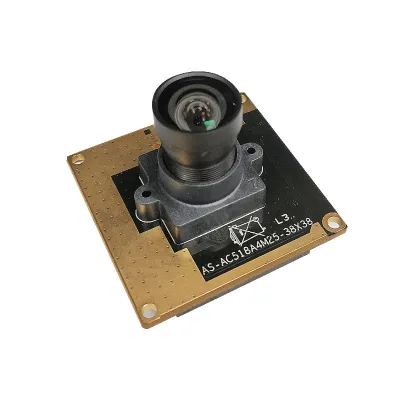
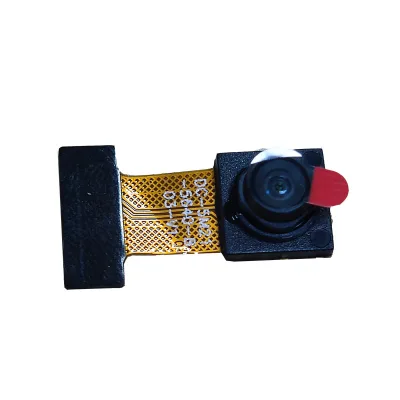
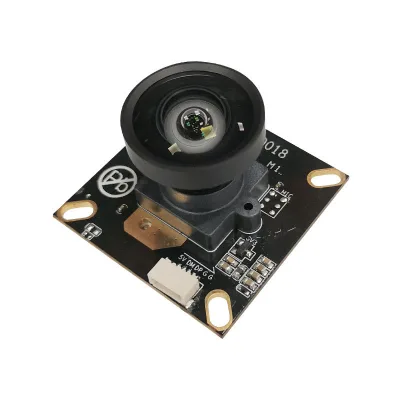
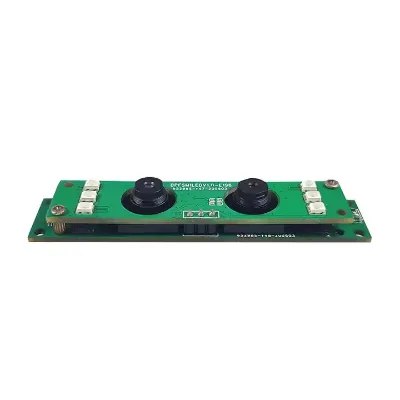
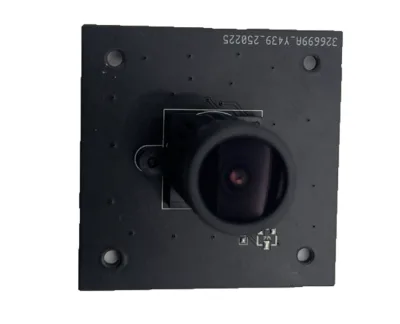
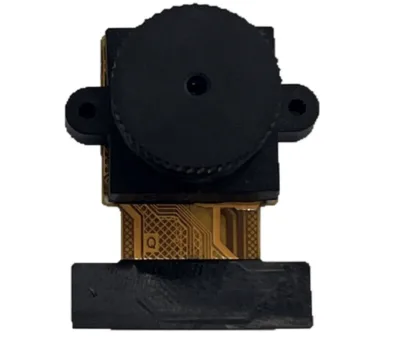
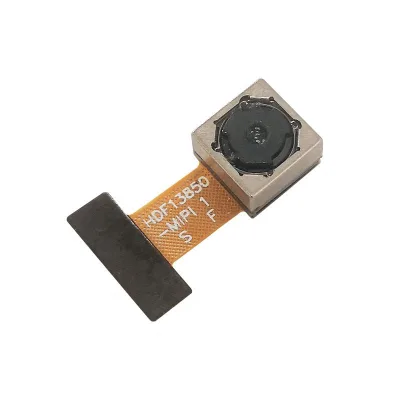
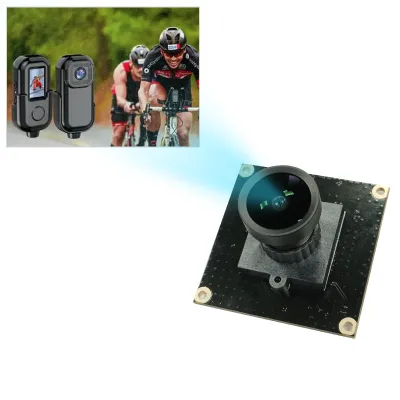
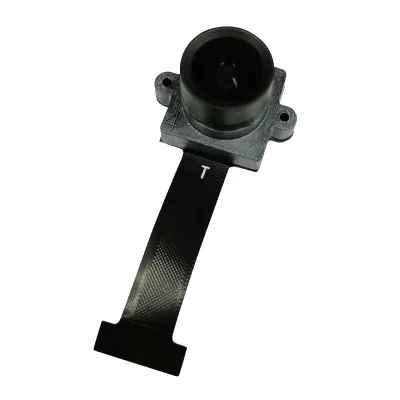
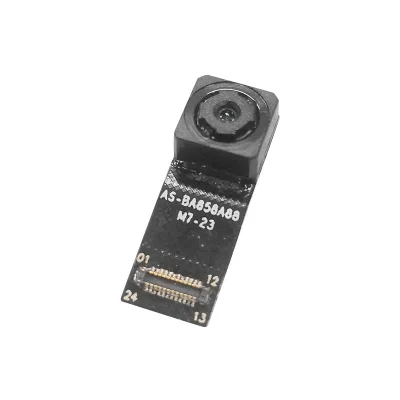
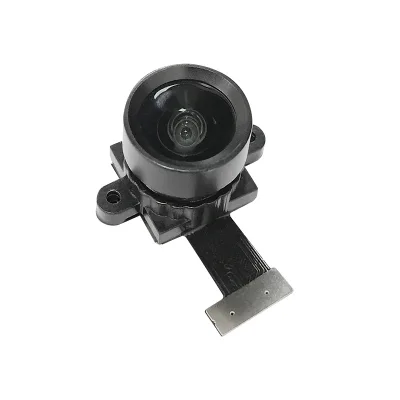
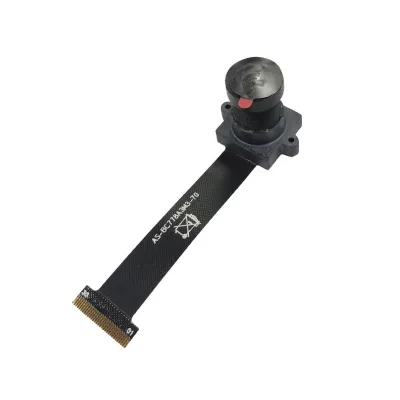


Lvds Convert to SDI/HDMI 60fps Low Latency 33X Zoom Digital Camera Module
$200.00 - $230.00
MOQ: 1 Pieces

Lvds/SDI/HDMI/CVBS 1920*1080 26X Long Range Digital Zoom Camera Module
$150.00 - $180.00
MOQ: 1 Pieces

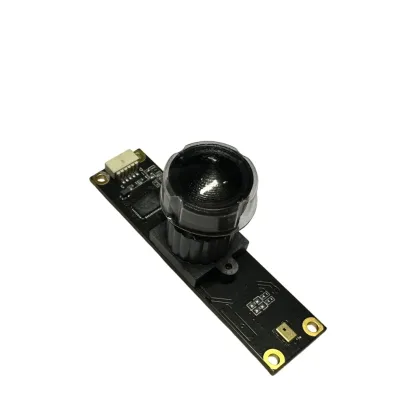
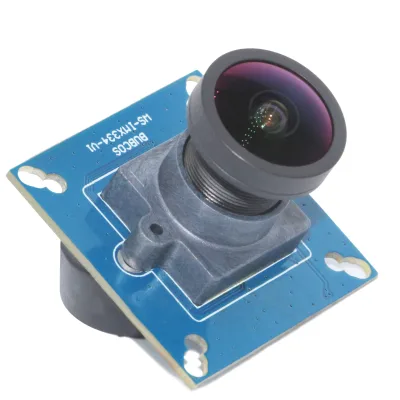
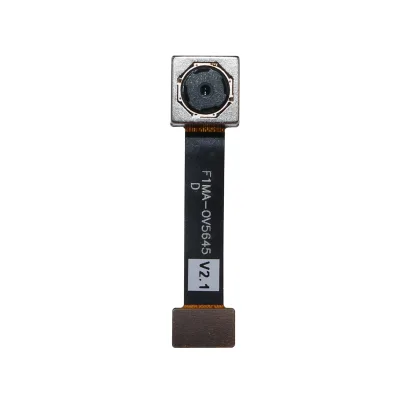

High Performance 85X Starlight Network and Mipi Dual Output Camera Module
$9500.00 - $10000.00
MOQ: 1 Pieces


3.5mm~16.5mm High Performance 8MP 5X Network and Mipi Output Camera Module
$130.00 - $150.00
MOQ: 1 Pieces

Comprehensive Sourcing Guide
Strategic Sourcing Guide for 4K MIPI HDR Camera Modules
The procurement of 4K MIPI HDR camera modules represents a critical decision point for businesses developing advanced imaging systems, ranging from autonomous vehicles and industrial automation to high-end surveillance and robotics. These modules integrate complex optical sensors, image signal processors, and high-speed data interfaces to deliver high-resolution imagery with enhanced dynamic range. Sourcing these components requires a disciplined approach that balances technical performance with supply chain reliability. Buyers must navigate a landscape where specifications vary significantly between manufacturers, and where the "4K" designation alone does not guarantee the specific performance characteristics required for a given application. This guide outlines the essential factors for evaluating suppliers, verifying technical claims, and establishing a robust procurement strategy for these sophisticated components.
Technical Architecture and Interface Standards
The core of any 4K camera module is the image sensor and its interface to the host processor. The MIPI (Mobile Industry Processor Interface) is the de facto standard for high-speed data transmission in modern embedded systems. Specifically, the MIPI CSI-2 (Camera Serial Interface) protocol is designed to handle the massive bandwidth required for 4K resolution at high frame rates. When sourcing these modules, buyers must verify the specific lane configuration, such as 2-lane or 4-lane MIPI, as this directly impacts the maximum achievable frame rate and data throughput. A 4K resolution typically implies a pixel count of 3840 by 2160, which demands significant processing power and bandwidth.
The sensor technology itself is a primary differentiator. While many modern modules utilize CMOS (Complementary Metal-Oxide-Semiconductor) sensors due to their low power consumption and high integration capabilities, the specific pixel architecture varies. Some modules may feature a 50-megapixel sensor capable of oversampling to achieve 4K output, while others may utilize a native 8-megapixel sensor with advanced binning or interpolation techniques. The presence of HDR (High Dynamic Range) capabilities is another critical technical attribute. HDR allows the camera to capture details in both very bright and very dark areas of a scene simultaneously, which is essential for outdoor applications or environments with high contrast lighting. Buyers should confirm whether the HDR functionality is achieved through multi-exposure techniques or dual-gain sensor architectures, as this affects the processing latency and power consumption.
Optical Specifications and Form Factor Constraints
The physical dimensions and optical properties of the camera module are often dictated by the mechanical constraints of the final product. In the observed market data, module sizes vary significantly, ranging from compact 38x38mm units to larger assemblies measuring 119.30 x 22.00 mm. The focal length and angle of view are interdependent variables that determine the field of vision. For instance, a 12mm focal length might provide a specific field of view suitable for general surveillance, whereas a 65-degree or 165-degree wide-angle lens is required for applications like robotics or panoramic monitoring.
Mounting standards also play a crucial role in integration. The industry commonly utilizes C-mount and CS-mount interfaces for industrial applications, offering robust mechanical stability and compatibility with a wide range of lenses. However, for smaller, embedded devices, the M12 mount is frequently preferred due to its compact size and ease of integration. The aperture value, such as f2.0, dictates the light-gathering ability of the lens, which is vital for low-light performance. Buyers must ensure that the optical assembly matches the sensor's physical size to avoid vignetting or light loss. Additionally, the focus type—whether fixed, manual, or auto-focus—must align with the application's operational requirements. Fixed-focus modules are cost-effective for static environments, while auto-focus capabilities are necessary for applications requiring variable working distances.
Compliance, Certification, and Quality Verification
In the B2B procurement of electronic components, compliance with international standards is non-negotiable. While specific certification status varies by manufacturer, buyers must verify that the supplier adheres to relevant industry standards for electromagnetic compatibility (EMC), environmental safety, and quality management. The origin of the product, often listed as Guangdong, China, indicates a high concentration of manufacturing capability but requires rigorous vetting to ensure consistent quality control.
Quality verification should extend beyond the supplier's self-reported data. Buyers should request detailed test reports covering the module's performance under various conditions, including temperature extremes, vibration, and humidity. The "Single package size" and "Single gross weight" provided in product listings serve as logistical data points but do not guarantee the internal build quality. It is essential to validate the sensor pixel count and resolution claims through independent testing. For example, a module claiming a "highest resolution" of 3840*2160 must be tested to ensure it maintains this resolution at the advertised frame rate, such as 90fps, without significant latency or artifacts.
Cost Drivers and Total Cost of Ownership
The price of a 4K MIPI HDR Camera Module is influenced by several factors, including the sensor resolution, the complexity of the image signal processor, and the optical quality of the lens. The observed price range in the market spans from approximately $9.03 to $10,000, reflecting the vast difference between entry-level modules and high-performance industrial or automotive-grade units. The minimum order quantity (MOQ) also varies, typically ranging from 1 to 100 units, which impacts the initial capital expenditure for prototyping versus mass production.
Beyond the unit price, buyers must consider the total cost of ownership. This includes the cost of the host processor required to drive the MIPI interface, the power consumption of the module, and the potential costs associated with thermal management. High-resolution modules with HDR capabilities often require more powerful processors and greater power budgets, which can increase the overall system cost. Additionally, the availability of customization options, such as specific firmware tuning or mechanical modifications, can add to the initial development costs but may reduce long-term integration expenses.
Supplier Evaluation and Supply Chain Resilience
Selecting the right supplier is as critical as selecting the right component. Buyers should evaluate suppliers based on their technical expertise, manufacturing capacity, and track record in delivering high-quality camera modules. The presence of customization capabilities is a strong indicator of a supplier's ability to adapt to specific project requirements. Suppliers that offer a range of models, such as those with different focal lengths or mounting options, demonstrate a broader product portfolio and greater flexibility.
Supply chain resilience is another key consideration. Buyers should assess the supplier's ability to maintain consistent production volumes and their lead times for both prototype and mass production orders. The "Place of Origin" provides insight into the manufacturing ecosystem, but it does not guarantee supply stability. It is advisable to engage with suppliers who have diversified their supply chains and can demonstrate a history of meeting delivery schedules even during market fluctuations.
Application-Specific Considerations and Long-Term Procurement
The intended application dictates the specific requirements for the camera module. In industrial automation, modules with robust mechanical mounting and high frame rates are essential for capturing fast-moving objects. In contrast, surveillance applications may prioritize wide-angle views and low-light performance. The "Product Type," whether fixed focus or auto focus, must align with the operational environment. For instance, a fixed-focus module is ideal for a static security camera, while an auto-focus module is necessary for a robotic arm that needs to track objects at varying distances.
Long-term procurement considerations include the availability of spare parts, firmware support, and the supplier's commitment to product lifecycle management. Electronics components often have short lifecycles, and buyers must ensure that the supplier can support the product for the duration of the system's deployment. Additionally, the packaging method, such as vacuum bags and cardboard boxes, should be evaluated for its ability to protect the sensitive components during shipping and storage.
Comparative Analysis of Module Specifications
To facilitate decision-making, buyers can compare key specifications across different models. The following table highlights the variation in size, resolution, and focus types observed in the market, aiding in the selection process based on specific project needs.
| Specification Category | Model Example A | Model Example B | Model Example C |
|---|---|---|---|
| Resolution | 3840 x 2160 (4K) | 2592 x 1944 | 1920 x 1080 |
| Sensor Type | CMOS | CMOS | CMOS |
| Mounting | C-Mount | CS-Mount | M12 |
| Focal Length | 12mm | Other | Other |
| Focus Type | Manual Focus | Auto Focus | Fixed Focus |
| Dimensions | 38 x 38 x 44.3 mm | 67.00 x 8.50 mm | 62.00 x 8.50 mm |
| Frame Rate | 90fps | Not Specified | Not Specified |
| Angle of View | 110° | 75°/100° | 65°-165° |
This comparison illustrates that no single module fits all applications. A 4K resolution with a 90fps frame rate is suitable for high-speed capture, while a smaller form factor with a fixed focus may be better for compact devices. Buyers must carefully weigh these attributes against their specific technical requirements.
Conclusion
Sourcing 4K MIPI HDR camera modules requires a comprehensive understanding of the technical, logistical, and commercial factors involved. By focusing on the interface standards, optical specifications, and compliance requirements, buyers can identify suppliers that offer reliable and high-performance solutions. The variability in product attributes, from dimensions to focus types, necessitates a tailored approach to procurement. Ultimately, the success of a project depends on the ability to match the camera module's capabilities with the application's demands while ensuring a stable and resilient supply chain.
FAQs
What interface type is standard for 4k mipi hdr camera modules?
The standard interface type is MIPI, specifically supporting high-speed data transmission for 4K resolution. This interface is essential for handling the bandwidth required by high-resolution sensors in modern embedded systems.
Which sensor types are commonly used in these camera modules?
CMOS sensors are the most common type used in these modules due to their low power consumption and high integration capabilities. Some models feature 50MP sensors while others utilize 8MP or 2MP sensors for specific resolution needs.
How does the focus type vary across different camera module models?
Focus types vary between fixed focus, manual focus, and auto focus depending on the specific application requirements. Fixed focus is cost-effective for static environments, while auto focus is necessary for variable working distances.
Can I find 4k mipi hdr camera modules with C-mount or CS-mount options?
Yes, modules are available with C-mount and CS-mount options for robust mechanical stability in industrial applications. These mounting standards ensure compatibility with a wide range of lenses and provide secure integration.
What is the typical price range for 4k mipi hdr camera modules?
The price range spans from approximately $9.03 to $10,000 depending on resolution and performance features. Entry-level modules are less expensive, while high-performance industrial or automotive-grade units command higher prices.
Which dimensions are common for 4K MIPI HDR Camera Module assemblies?
Common dimensions include compact sizes like 38x38mm and larger assemblies measuring up to 119.30 x 22.00 mm. The physical size often dictates the mechanical constraints of the final product integration.
What customization options are available for these camera modules?
Customization options are available for specific firmware tuning or mechanical modifications to meet project requirements. Suppliers offering these capabilities can adapt the module to fit unique application needs effectively.