Source Dual Core Wi-Fi ESP32-S3 Microcontroller for IoT
Find the Dual Core Wi-Fi ESP32-S3 Microcontroller for your embedded projects. Compare 30 listings from China suppliers offering development boards and chips. Evaluate specs like memory type and integration to find the right component for your design needs.
Key considerations
Products List
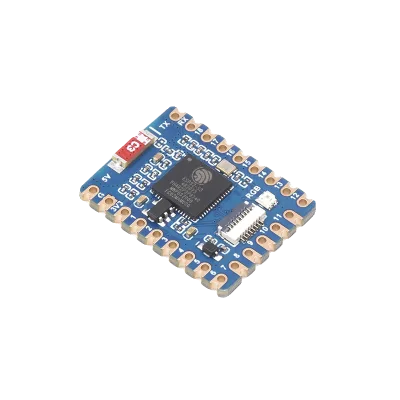
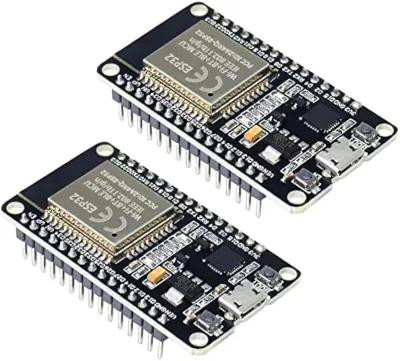

![[Official Guarantee]Waveshare ESP32-S3 Mini Development Board, Based On ESP32-S3FH4R2 Dual-Core Processor, Microcontroller](https://file.focusaim.com/api/image/preview/d26b548735407f00434b750dc62c0ac0.png?bi=true&local=true)
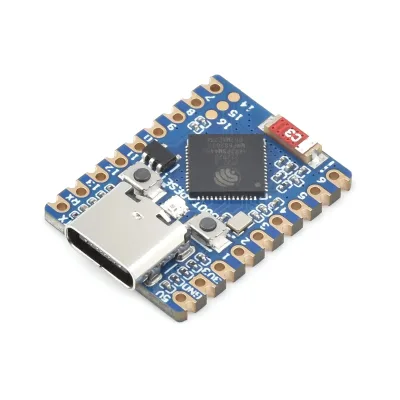


Esp32 S3 Development Board with 4.3 Inch Touch Display Wi-Fi & Bluetooth IoT
$45.00 - $50.00
MOQ: 100 Pieces


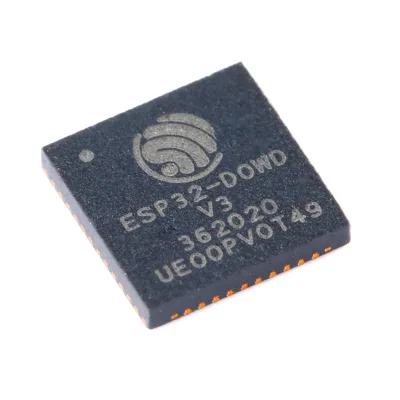
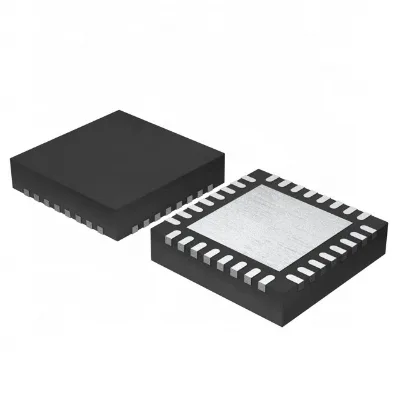
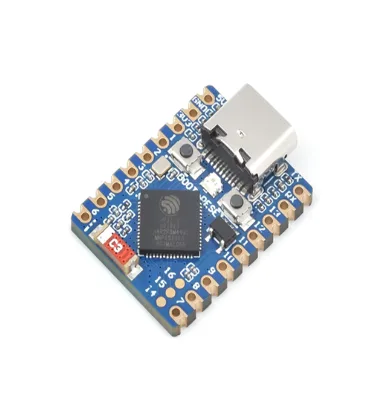
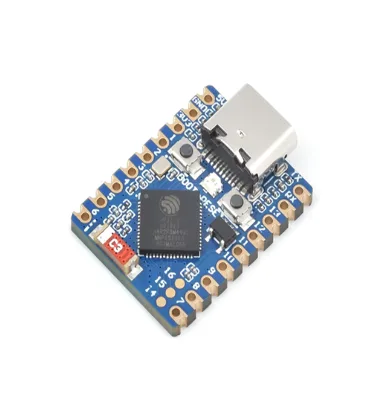


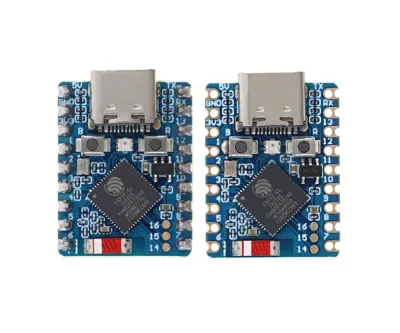
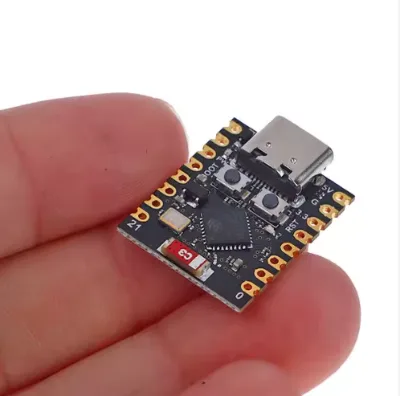
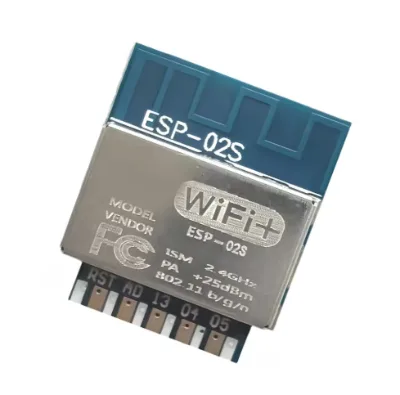
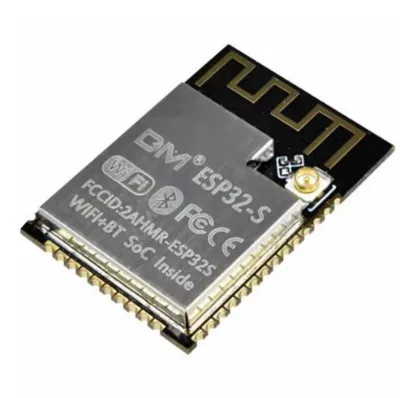


ESP32-Micro ESP-32-PICO WiFi Bluetooth control module ESP32-PICO-D4 development board
$9.00 - $35.00
MOQ: 100 Pieces
Comprehensive Sourcing Guide
Dual Core Wi-Fi ESP32 S3 Microcontroller Sourcing Guide
Procuring the ESP32-S3-Tiny Development Board requires careful attention to the specific integration of dual-core processing and Wi-Fi capabilities within the microcontroller ecosystem. Buyers must distinguish between general ESP32 variants and the specific S3 architecture, which offers enhanced security features and vector instructions for AI applications. The observed market listings indicate a variety of form factors, including the ESP32-S3-Tiny and the ESP-WROOM-32, each serving different deployment needs from compact wearables to industrial IoT gateways.
Verification of the exact model number is critical before placing any order, as the supply chain often mixes similar-looking boards with different pinouts and memory configurations. The provided data highlights specific identifiers like the ESP32-S3-Tiny Development Board 2509 and the ESP-WROOM-32 Chip 30Pin2521, which dictate compatibility with existing PCB designs. Sourcing teams should prioritize suppliers who explicitly list these model numbers to avoid receiving incompatible hardware that lacks the necessary dual-core performance or specific memory types like LPDDR.
Product Scope and Observed Listing Signals
The current market for dual-core Wi-Fi microcontrollers presents a fragmented landscape where product attributes often overlap with unrelated categories. Listings frequently mix development boards with accessories like SD card adapters or battery protective sleeves, creating confusion regarding the actual core component being offered. Buyers must scrutinize the product name and series to ensure they are purchasing the actual microcontroller development board rather than a peripheral or a completely different electronic component like a brushless motor or remote control switch.
Observed listing signals reveal a wide range of specifications, from the ESP32-C3-Zero variants to the STM32F103VET6, which is a distinct architecture entirely. This diversity necessitates a rigorous filtering process where the buyer confirms the presence of the specific ESP32-S3 architecture in the product description. The presence of terms like "Embedded" and "Dual Core" in the context of the S3 series is a positive indicator, but the absence of these specific terms in a listing for a "Mini RC Foldable Drone" or "Drive IC" suggests a mismatch in product scope.
Technical Specifications to Verify
Technical validation begins with confirming the memory architecture and interface capabilities, as the ESP32-S3 series relies heavily on specific memory types for optimal performance. Buyers should verify the presence of LPDDR memory and ensure the board supports the required interface standards, such as USB or Serial data transmission modes, which are essential for debugging and data logging. The observed data mentions "LPDDRShape:Flat" and "USB" interfaces, which are critical for ensuring the board can handle the high-speed data throughput required by modern IoT applications.
Pin configuration and physical dimensions are equally vital, as the ESP32-S3-Tiny and other variants may have different pin counts and mounting requirements. The listing for the ESP-WROOM-32 specifies a 30-pin configuration, while other boards may offer "With Pin" or "No Pin" options that affect soldering and assembly processes. Additionally, the integration of the chip, such as the "MSI" integration noted in some listings, must be cross-referenced with the schematic to ensure the board supports the intended application field without requiring significant redesign.
Compliance and Safety Documentation
While the provided data does not explicitly list certification bodies, buyers must demand proof of compliance with international safety and electromagnetic compatibility standards before finalizing any procurement. The "iron and plastic" material standard mentioned in some listings refers to mechanical housing but does not substitute for electrical safety certifications like CE, FCC, or RoHS, which are mandatory for commercial deployment. Procurement teams should request test reports that verify the board's electrical safety and ensure it meets the regulatory requirements of the target market.
Documentation regarding the origin and manufacturing process is also essential for maintaining supply chain integrity. The "Place of Origin: China" is a common fact, but buyers should verify the specific factory standards and quality control measures employed by the manufacturer. The "100%new" and "Genuine New Original" claims found in listings are marketing statements that require independent verification through batch testing or serial number validation to ensure the components have not been refurbished or sourced from unauthorized channels.
Cost Drivers and Commercial Terms
Pricing for dual-core Wi-Fi microcontrollers is influenced by the complexity of the board, the inclusion of peripheral components, and the volume of the order. The observed price range of 0.4 to 50 USD reflects this variability, with lower costs typically associated with bare chips or minimal boards and higher costs for fully assembled units with additional features like touch displays or specific memory configurations. Buyers should analyze the cost per unit against the required specifications to avoid overpaying for unnecessary features or underestimating the cost of high-performance variants.
Commercial terms such as payment methods and shipping logistics play a significant role in the total cost of ownership. The availability of payment options like PayPal, TT, WU, and ESCROW provides flexibility but also introduces varying levels of financial risk. Shipping terms like DHL, FedEx, and TNT are standard, but the lead time of "1 Days" for orders of 100 pieces suggests a potential bottleneck for larger volumes. Buyers must negotiate clear terms regarding freight costs and estimated delivery times to prevent unexpected delays in their production schedules.
Supplier Qualification and Quality Control
Supplier qualification requires a deep dive into the manufacturer's track record and their ability to consistently deliver genuine, original components. The "Aismartlink" brand and "Sst" manufacturing references in the data highlight the need to verify the authenticity of the supplier and the specific IC parts used. Buyers should request evidence of the supplier's quality management systems and their history of fulfilling orders for "New and Original" products to mitigate the risk of receiving counterfeit or substandard microcontrollers.
Quality control processes must be established to verify the condition and functionality of the received goods. The "18650 Battery Protective Sleeves" and "315MHz Remote Control Switch" attributes in some listings indicate a need for strict inspection protocols to ensure the correct items are delivered. Buyers should implement incoming quality control checks that test the board's functionality, including the dual-core processing and Wi-Fi connectivity, to ensure it meets the technical specifications outlined in the purchase order.
Long-Term Procurement Checks
Sustaining a reliable supply chain for dual-core Wi-Fi microcontrollers involves regular audits of supplier performance and component availability. The "Lead Time: 1 Days" for small batches may not scale effectively for large production runs, requiring buyers to establish buffer stock or alternative sourcing strategies. Long-term planning should include monitoring the availability of specific model numbers like the ESP32-S3-Tiny and the ESP-WROOM-32 to prevent production stoppages due to component shortages.
Continuous verification of the product's lifecycle and obsolescence status is crucial for maintaining product stability. Buyers should track the "D/C" (Date Code) of the components, such as the "18+" code mentioned, to ensure they are receiving current production runs rather than end-of-life stock. Establishing a relationship with the supplier for early notifications of design changes or discontinuations will help procurement teams adapt their designs and sourcing strategies proactively, ensuring long-term project success.
FAQs
What is the model number for the ESP32-S3-Tiny development board?
The model number for the ESP32-S3-Tiny development board is ESP32-S3-Tiny Development Board 2509. This microcontroller is designed for embedded applications and is available in new and original condition. It supports various interfaces and is suitable for multipurpose projects requiring reliable wireless connectivity and processing power.
Can I customize the ESP32-S3-Tiny development board for specific projects?
Yes, customization is available for the ESP32-S3-Tiny development board. Buyers can request specific configurations to meet unique project requirements. The board is sold as a single item and comes in a box package. This flexibility allows developers to tailor the hardware to their exact technical needs without compromising performance.
What are the shipping terms for the ESP32-S3-Tiny board?
Shipping terms for the ESP32-S3-Tiny board include DHL, Fedex, TNT, EMS, and UPS. These options provide reliable delivery from China. Buyers should contact the supplier about freight costs and estimated delivery times. The lead time is typically one day for orders of one to one hundred pieces, ensuring quick turnaround.
What payment terms are accepted for the ESP32-S3-Tiny board?
Accepted payment terms for the ESP32-S3-Tiny board include PayPal, TT, Western Union, and Escrow. These methods offer secure transactions for international buyers. The product is listed as 100% new and original. Buyers can choose the most convenient payment method based on their regional availability and security preferences for B2B transactions.
What is the lead time for ordering the ESP32-S3-Tiny board?
The lead time for ordering the ESP32-S3-Tiny board is one day for quantities between one and one hundred pieces. This rapid processing ensures quick shipment via carriers like DHL or UPS. Buyers should confirm specific lead times for larger orders, as production and shipping schedules may vary based on volume and destination.