Source High Power Thyristor Module for Inverter UPS Power
Compare 30 High Power Thyristor Module options from verified Chinese suppliers. These discrete and optoelectronic semiconductor devices support applications like induction heating and chopper systems with customizable packaging and delivery; compare the available evidence and request quotations based on your requirements.
Key considerations
Products List


MD600A 600-1800V Fast Thyristor Module Inverter Drive Board High Power Module
$98.00 - $830.00
MOQ: 5 Pieces


High-Performance Thyristor Switching Module for Efficient Power Control
$100.00 - $1000.00
MOQ: 1 Pieces


Digital Thyristor Module: Real-Time Feedback & Precise Power Adjustment
$16.00 - $143.00
MOQ: 100 Pieces


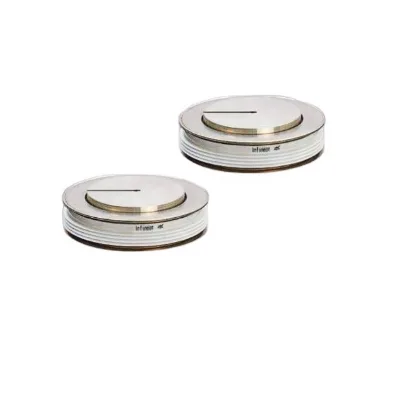
original arrived imported high power thyristor module T1059N28TOF bom list
$25.00 - $33.00
MOQ: 30 pieces

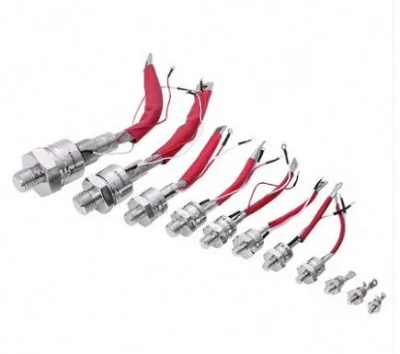


Jisteel High Quality Professional Thyristor Modules New and High Quality
$60.00 - $100.00
MOQ: 10 Pieces

Comprehensive Sourcing Guide
High Power Thyristor Module Sourcing Guide
Procuring high power thyristor modules requires a disciplined approach to technical verification and commercial due diligence. These components serve as critical switching elements in heavy-duty industrial applications, where reliability under extreme electrical stress is non-negotiable. Buyers must navigate a complex landscape of semiconductor technologies, ranging from discrete devices to composite function modules, ensuring that the selected unit aligns precisely with their system’s thermal and electrical demands.
The sourcing process begins with a clear definition of operational parameters, including voltage ratings, current capacities, and switching speeds. Given the diversity of available products, from intrinsic semiconductors to compound semiconductor variants, buyers must rigorously validate specifications against their specific inverter, induction heating, or UPS power requirements. This guide outlines the essential steps for evaluating suppliers, verifying technical compliance, and establishing robust long-term supply chain relationships.
Product Scope and Observed Listing Signals
The current market for high power thyristor modules exhibits a wide variance in pricing, ranging from approximately four to four thousand four hundred US dollars, reflecting differences in power density, cooling capabilities, and brand reputation. Minimum order quantities typically span from one to one hundred units, allowing for both prototype testing and bulk production runs. Buyers should observe that listings often highlight customization availability, indicating that manufacturers can tailor modules to specific mechanical or electrical constraints beyond standard catalog offerings.
Observed product attributes reveal a strong emphasis on specialized packaging and origin, with many items sourced from China and packed in carton boxes or pallets to ensure safe transit. Common model series include MTC, MDC, and MT, with specific part numbers like MTC300-1600 indicating high-current capabilities. The presence of features such as isolated mounting bases and double-side cooling suggests that these modules are designed for high-efficiency thermal management in compact industrial enclosures, catering to applications requiring robust performance in confined spaces.
Technical Specifications to Verify
Buyers must verify the semiconductor material and type, as listings indicate a mix of element semiconductors, compound semiconductors, and N-type variants. The cooling method is a critical differentiator, with options including fan cooling, heatsink cooling, and natural cooling, directly impacting the module’s thermal resistance and overall system efficiency. Additionally, the input voltage specifications, often cited as 220V or 380V with a +/-15% tolerance, must be matched to the local power grid and the module’s rated operating range to prevent premature failure.
The manufacturing technology and signal processing capabilities also require close scrutiny, with some modules utilizing analog-digital composite functions for precise control. Buyers should confirm the chip type, whether fast thyristors or standard rectifier modules, as this determines the switching speed and reverse recovery characteristics. Furthermore, the installation method, whether parallel or series, and the output frequency compatibility (50Hz or 60Hz) must align with the inverter or chopper circuit design to ensure stable operation under dynamic load conditions.
Compliance and Safety Documentation
While specific certification statuses are not universally listed, buyers must insist on documentation that proves compliance with international safety and electromagnetic compatibility standards. The presence of sealed relay characteristics and protective features suggests that some modules incorporate built-in safeguards, but formal certification marks are essential for regulatory approval in global markets. Buyers should request test reports that validate the module’s performance under extreme conditions, including thermal cycling and electrical stress testing.
The warranty terms, often cited as six months, provide a baseline for quality assurance, but buyers should negotiate extended coverage for critical applications. Documentation should also include detailed datasheets that specify the shutdown speed, control method, and power characteristics, ensuring that the module meets the precise operational requirements of the end application. Buyers must verify that the supplier provides clear instructions for handling and installation, particularly regarding the isolated mounting base and thermal interface materials.
Cost Drivers and Commercial Terms
The final cost of high power thyristor modules is influenced by several factors, including the complexity of the semiconductor structure, the cooling technology employed, and the level of customization required. Listings indicate flexible price terms such as FOB, CPT, and CIF, allowing buyers to choose the most suitable logistics arrangement based on their supply chain strategy. Payment terms are typically structured around T/T transfers, requiring careful financial planning to manage cash flow and mitigate currency fluctuation risks.
Delivery times are generally short, ranging from three to seven days, which supports just-in-time manufacturing strategies. However, buyers should account for potential delays in shipping, especially when utilizing sea freight for large volumes. The choice between air, sea, or courier services like DHL or FedEx will impact both the lead time and the total landed cost. Buyers should also consider the cost of packaging, which may include specialized carton boxes or pallets to protect the modules during transit.
Supplier Qualification and Quality Control
Evaluating supplier qualifications involves assessing their manufacturing capabilities, particularly their expertise in discrete device and optoelectronic semiconductor technologies. Buyers should verify the supplier’s ability to maintain consistent quality, as indicated by claims of guaranteed quality and 100% brand new products. The availability of ODM and OEM services suggests that suppliers can adapt their production processes to meet specific customer requirements, but buyers must ensure that these customizations do not compromise the module’s reliability.
Quality control processes should include rigorous incoming material inspections and final product testing to detect defects before shipment. Buyers should request evidence of the supplier’s quality management systems, such as ISO certifications, and inquire about their traceability practices, including batch number tracking. The ability to provide detailed inspection reports and failure analysis data is a strong indicator of a supplier’s commitment to quality and their capacity to support long-term procurement relationships.
Long-Term Procurement Checks
Establishing a long-term procurement strategy requires regular performance reviews and continuous monitoring of supplier reliability. Buyers should track key metrics such as delivery accuracy, defect rates, and responsiveness to technical queries to identify potential issues early. The availability of after-sales service, including warranty support and technical assistance, is crucial for maintaining operational continuity and minimizing downtime in critical applications.
Buyers should also stay informed about technological advancements in thyristor module design, such as improvements in cooling efficiency and switching speed, to ensure that their procurement decisions remain competitive. Regular communication with suppliers can help anticipate supply chain disruptions and secure favorable pricing terms. By maintaining a proactive approach to supplier management, buyers can mitigate risks and ensure a stable supply of high-quality thyristor modules for their industrial applications.
FAQs
What customization options are available for high power thyristor modules?
Customization is available for these modules, allowing buyers to specify unique requirements. The brand Sailton/Sti offers ODM and OEM services to tailor products. This flexibility supports specific application needs in inverter and UPS power systems. Buyers can request custom packaging or specific model series like MTC or MD. This ensures the components fit precise engineering designs and operational standards.
How are high power thyristor modules packaged for shipping?
These modules are typically packed in carton boxes or on pallets for secure transport. The standard packing dimensions are often around 400x300x200mm or 450x320x200mm. This robust packaging protects the sensitive semiconductor components during transit. The packaging method ensures that the products remain safe and undamaged. It is designed to meet standard logistics requirements for international shipping.
Can I get fast delivery for High Power Thyristor Module orders?
Fast delivery is possible with a lead time of just 3 days for some items. Other orders may take 3 to 7 days depending on stock and specifications. Shipping options include sea, air, DHL, FedEx, UPS, TNT, and SF Express. This variety allows buyers to choose the most suitable logistics method. Quick turnaround times help minimize production downtime for critical industrial applications.
What cooling methods are used for high power thyristor modules?
These modules support multiple cooling methods including fan cooling, heatsink cooling, and natural cooling. Some designs feature double-side cooling for enhanced thermal management. The choice depends on the specific power requirements and installation environment. Isolated mounting bases are often included to facilitate heat dissipation. Proper cooling selection ensures reliable operation in high-power applications like induction heating.
What is the warranty period for high power thyristor modules?
The warranty period is typically 6 months for these semiconductor components. This guarantee covers manufacturing defects and ensures product quality. The modules are described as 100% brand new and medium power. This warranty provides buyers with confidence in the reliability of the purchase. It reflects the manufacturer's commitment to quality and after-sales service standards.
Which payment terms are accepted for High Power Thyristor Module purchases?
The accepted payment term is T/T, which stands for Telegraphic Transfer. This is a standard method for international B2B transactions. Buyers should also consider price terms like FOB, CPT, or CIF. These terms define the responsibilities for shipping and insurance costs. Clear payment terms help streamline the procurement process and avoid misunderstandings.
What are the main applications for high power thyristor modules?
These modules are primarily used in inverters, induction heating, choppers, and UPS power systems. They are designed for medium power applications requiring reliable switching. The components are made from compound and element semiconductors. Their robust construction supports demanding industrial environments. This versatility makes them suitable for various high-power electronic control systems.