Source 6x4 Concrete Pump Truck for construction sites, high-rise, and infrastructure
Explore 30 listings of 6x4 Concrete Pump Truck options with varying horsepower, output heights, and chassis brands like HOWO and ISUZU. Buyers can compare specifications including drive modes, fuel types, and emission standards to find suitable equipment for their projects.
Key considerations
Products List


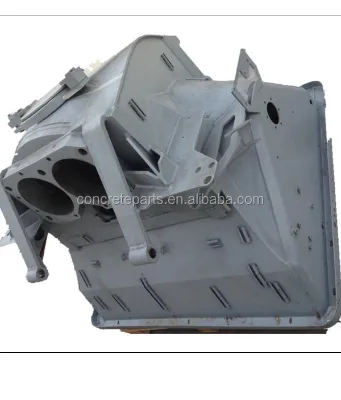

6X4 Diesel Cement Concrete Mixer Truck with Concrete Pump for Construction
$8000.00 - $20000.00
MOQ: 1 Sets


High Quality 58m Concrete Pump Truck Mounted Pumps Concrete Boom Pump Truck for Sale
$190000.00 - $198000.00
MOQ: 1 sets


Durable 62m Concrete Pump Truck for Efficient Construction Projects
$100000.00 - $120000.00
MOQ: 1 Pieces
Comprehensive Sourcing Guide
Strategic Sourcing Guide for 6x4 Concrete Pump Trucks
Technical Architecture and Performance Parameters
The 6x4 Concrete Pump Truck represents a critical class of heavy machinery designed for high-volume concrete placement in large-scale infrastructure projects. When evaluating units with this specific drivetrain configuration, buyers must focus on the interplay between chassis stability and pumping efficiency. The 6x4 drive configuration, where three axles are driven, provides a balance of traction and maneuverability essential for navigating construction sites that may have uneven terrain or soft ground conditions.
Based on observed market data, these units typically feature a payload capacity ranging from 30 tons to over 50 tons, depending on the specific model and chassis brand. The engine power is a primary determinant of performance, with observed ranges spanning from 251-350 horsepower up to configurations exceeding 400 horsepower. High-output models often utilize engines with displacement greater than 8 liters to ensure sufficient torque for both road travel and the hydraulic demands of the pumping system. The transmission type is predominantly manual, requiring operators with specific training to manage gear shifts under load.
The pumping mechanism itself is defined by the maximum output height and capacity. Units in this category are frequently observed with maximum output heights of 33 meters, 35 meters, 38 meters, and extending up to 52 meters. The output capacity, measured in cubic meters per hour, is a vital metric for project scheduling, with some high-performance models achieving rates of 120 m³/h. The chassis brands associated with these trucks vary, including major manufacturers such as HOWO, FAW, and ISUZU, each offering distinct durability profiles. The steering configuration is available in both Left-Hand Drive (LHD) and Right-Hand Drive (RHD) variants to accommodate regional traffic laws.
Compliance, Certification, and Emission Standards
Navigating the regulatory landscape is a fundamental step in the procurement of heavy machinery. The 6x4 Concrete Pump Truck must adhere to strict emission and safety standards to be legally operable in various jurisdictions. Observed data indicates that compliance with Euro emission standards is a common requirement, with specific references to Euro standards appearing in product specifications. Buyers must verify that the engine and exhaust systems meet the specific Euro classification required by the destination country, as non-compliant units may face import restrictions or operational bans.
Certification verification is equally critical. The supply chain for these vehicles often includes a diverse array of certifications, including ISO, CCC (China Compulsory Certification), TSEPA, EEC, RoHS, and CE. The presence of the ISO standard is frequently noted, indicating adherence to international quality management systems. However, the specific combination of certifications varies by manufacturer and model. For instance, some units are listed with ISO and CCC certifications, while others may carry a broader suite including EEC and RoHS. Buyers should not assume that a single listing covers all necessary regulatory requirements; instead, they must request specific documentation proving that the unit holds the valid certifications for the intended market.
Furthermore, the tire certification is a specific area of compliance to monitor. Data suggests that tires on these trucks often carry ECE and ISO certifications, ensuring they meet safety and performance benchmarks for heavy loads. The chassis and body construction must also align with the ISO standard for product quality. It is imperative for procurement teams to cross-reference the certification list provided by the supplier against the legal requirements of the importing country to avoid costly delays or seizure of goods at customs.
Cost Drivers and Financial Considerations
The acquisition cost of a 6x4 Concrete Pump Truck is influenced by a complex matrix of factors, including the maximum output height, engine horsepower, chassis brand, and the condition of the unit. Market observations reveal a significant price variance, with listed prices ranging from approximately $2,229 to $580,000. This wide spectrum reflects the difference between basic models with lower pumping heights and high-end, specialized units with advanced hydraulic systems and maximum reach capabilities.
The condition of the truck is a primary cost driver. Units listed as "Brand New" or "New" command a premium price compared to "Used" models. The "Used" category may offer a lower entry price but introduces risks regarding remaining service life and potential maintenance costs. Buyers must weigh the initial capital expenditure against the long-term operational costs. Additionally, the customization options available, such as specific boom configurations or cabin features, can significantly impact the final price.
Other financial factors include the packaging and shipping method. While some units are shipped in "Nude Packing" to minimize volume and cost, others may require specialized handling such as "Bulk Vessel" or "RO-RO" (Roll-on/Roll-off) services, which add to the logistics budget. The origin of the product, often noted as China or specifically Shandong province, influences freight costs and lead times. Buyers should also consider the Minimum Order Quantity (MOQ), which in the observed data is consistently 1 unit, allowing for flexible procurement strategies without the need for bulk purchasing agreements.
Typical Applications and Operational Scenarios
The 6x4 Concrete Pump Truck is engineered for versatility across a broad spectrum of construction applications. Its primary function is the efficient transport and placement of concrete in scenarios where access is limited or where the volume of concrete required exceeds the capacity of standard mixers. The 6x4 drivetrain makes it particularly suitable for urban construction sites where maneuverability is key, yet the payload capacity allows it to handle heavy loads on highways and rural roads.
The maximum output height is the defining factor for application suitability. Models with heights of 33 to 38 meters are ideal for mid-rise commercial buildings, residential complexes, and bridge construction. High-reach models, capable of 48 to 52 meters, are essential for skyscrapers, large-scale industrial facilities, and major infrastructure projects like dams and tunnels. The output capacity of 120 m³/h ensures that these trucks can maintain a continuous pour, which is critical for preventing cold joints in large concrete slabs.
The fuel type is another consideration for specific applications. While diesel is the standard fuel, some models support LNG (Liquefied Natural Gas) or CNG (Compressed Natural Gas). This flexibility allows operators in regions with strict emission controls or high fuel costs to optimize their operational expenses. The choice between LHD and RHD configurations is dictated by the local traffic regulations of the project location. Whether the project is in a dense city center or a remote industrial zone, the 6x4 Concrete Pump Truck provides the necessary power and reach to execute complex pouring tasks efficiently.
Supplier Evaluation and Quality Assurance
Evaluating suppliers for 6x4 concrete pump trucks requires a rigorous due diligence process that goes beyond the initial product listing. Buyers must verify the authenticity of the brand claims, such as HOWO, FAW, or ISUZU, and ensure that the chassis brand matches the actual vehicle specifications. The "Brand New" or "Used" status must be confirmed through physical inspection or third-party verification, as the condition of the truck directly impacts its longevity and performance.
Quality control should focus on the integrity of the hydraulic system, the structural soundness of the boom, and the condition of the engine. The engine type, typically a 4-stroke diesel engine, should be inspected for signs of wear or modification. The transmission and drive wheel configuration (8x4 or 6x4) must be verified to ensure they match the advertised specifications. The tire design, noted as radial in many listings, should be checked for tread depth and uniformity.
Buyers should also assess the supplier's ability to provide after-sales support, including spare parts availability and technical service. The origin of the product, whether from China or specifically Shandong, should be cross-referenced with the supplier's physical location to ensure transparency. The packing method, whether "Nude" or "Bulk Vessel," should be discussed to ensure safe transport. Finally, the supplier's adherence to the stated standards, such as ISO and CCC, should be validated through official documentation rather than relying solely on the product description.
Long-Term Procurement and Lifecycle Management
Sourcing a 6x4 Concrete Pump Truck is a long-term investment that requires careful consideration of the total cost of ownership. Beyond the initial purchase price, buyers must plan for maintenance, parts replacement, and potential upgrades. The high horsepower and displacement of these engines mean that fuel consumption and maintenance intervals are significant operational costs. The availability of spare parts, particularly for the hydraulic system and boom components, is crucial for minimizing downtime.
The condition of the truck at the time of purchase will dictate the immediate maintenance needs. A "Used" unit may require immediate servicing of the engine, transmission, and hydraulic pumps, whereas a "New" unit should come with a warranty and a scheduled maintenance plan. The emission standard compliance is also a long-term factor, as regulations may tighten over time, potentially affecting the operational lifespan of the vehicle in certain markets.
Buyers should also consider the customization options available for future needs. The ability to customize the truck for specific projects can extend its utility and value. The standardization of the product, often aligned with ISO standards, ensures that the truck can be integrated into existing fleet management systems. Ultimately, the decision to procure a 6x4 Concrete Pump Truck should be based on a comprehensive analysis of the project requirements, the operational environment, and the long-term strategic goals of the construction company. By focusing on these factors, buyers can ensure a successful procurement that delivers value and reliability over the lifecycle of the asset.
FAQs
What is the maximum output height for these trucks?
Maximum output heights range from 33 meters to 52 meters depending on the specific model configuration. Buyers should verify the exact height requirement against available options like 33m, 35m, 38m, or 52m to ensure suitability for their construction projects.
Which chassis brands are available for 6x4 concrete pump trucks?
Available chassis brands include HOWO, FAW, and ISUZU, each offering distinct durability profiles for heavy-duty operations. The specific brand selected often influences the overall payload capacity and engine performance characteristics of the unit.
Can I find units with ISO and CCC certifications?
Yes, many units carry ISO and CCC certifications, while others may include additional standards like EEC, RoHS, or CE. Buyers must verify the specific certification list provided by the supplier to ensure compliance with their local regulatory requirements.
What is the typical payload capacity for these vehicles?
Payload capacities typically range from 30 tons to over 50 tons depending on the model and chassis configuration. High-output models often utilize engines with displacement greater than 8 liters to support these heavy loads effectively.
How does the condition of the truck affect the price?
Brand New units command a premium price compared to Used models, which offer a lower entry cost but may require maintenance. The condition is a primary cost driver alongside maximum output height and engine horsepower.
What fuel types are supported by these concrete pump trucks?
These trucks support Diesel, LNG, and CNG fuel types to accommodate varying regional emission standards and operational costs. Diesel remains the standard, but alternative fuels provide flexibility for projects in areas with strict environmental controls.