Source 6X4 Diesel Dump Truck for mining, construction, and quarrying
Explore 30 listings for the 6X4 Diesel Dump Truck, comparing models with automatic or manual transmissions and varying load capacities. Buyers can evaluate specifications like horsepower, emission standards, and customization options for heavy-duty transport needs.
Key considerations
Products List


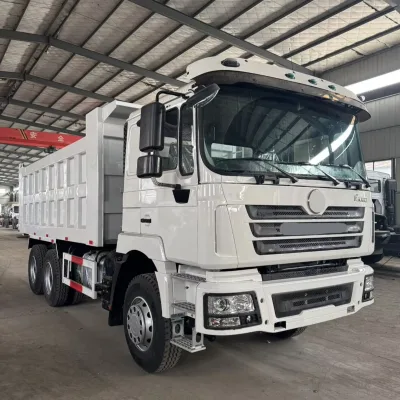


$32000.00 - $35000.00
MOQ: 1 Pieces


$32000.00 - $37500.00
MOQ: 1 Pieces


8X4 Drive Wheel Dump Truck Standard Diesel Dump Truck for Construction
$13800.00 - $19700.00
MOQ: 1 Pieces


$20999.00 - $68000.00
MOQ: 1 Pieces


Comprehensive Sourcing Guide
Strategic Sourcing Guide for 6x4 Diesel Dump Trucks
Understanding the Technical Architecture of Heavy-Duty Dump Trucks
The 6X4 Diesel Dump Truck represents a critical asset class in global construction, mining, and heavy logistics sectors. This configuration denotes a vehicle with three axles, where the rear two axles are driven, providing the necessary traction and load distribution for heavy payloads. Based on observed market data, these units typically feature a robust powertrain designed for demanding environments. The power output for these vehicles generally falls within the 351-450 horsepower range, a specification that balances fuel efficiency with the torque required for steep gradients and heavy hauling.
The engine architecture is predominantly diesel-powered, with cylinder capacities often categorized into specific brackets. Buyers should verify whether the unit utilizes an engine capacity between 6-8 liters or exceeds 8 liters, as this directly impacts fuel consumption and maintenance intervals. The transmission systems vary, with both manual and automatic options available in the market. Manual transmissions are frequently cited in heavy-duty applications for their durability and driver control, while automatic options offer operational ease in stop-and-go urban environments. The drive wheel configuration is consistently noted as 6x4, often paired with a dumping type that features front lifting styles to facilitate efficient unloading cycles.
Chassis dimensions are a vital consideration for compliance with road regulations and site accessibility. Observed standard dimensions for these trucks include lengths around 8150mm or 9100mm, with widths near 2550mm and heights ranging from 3400mm to 4080mm. These measurements ensure the vehicle fits within standard transport envelopes while providing sufficient ground clearance for off-road operations. The tire design is another critical technical attribute; radial tires are the industry standard for durability and load-bearing capacity, though tubeless options are also present. Specific tire sizes such as 12.00r25 and 12r22.5 are commonly observed, indicating the vehicle's readiness for both heavy-duty hauling and varied terrain conditions.
Compliance Standards and Certification Verification
Navigating the regulatory landscape is essential for importing or operating 6x4 diesel dump trucks across different jurisdictions. The supply chain for these vehicles, particularly those originating from major manufacturing hubs in China, must adhere to a complex web of international standards. Buyers must verify that the vehicle meets specific emission standards, which are frequently categorized as "Euro" compliant. The specific Euro level (e.g., Euro 3, Euro 4, Euro 5) must be confirmed against the regulations of the destination country, as non-compliance can lead to significant fines or operational bans.
Certification is not merely a formality but a prerequisite for legal operation. The market data indicates that reputable suppliers provide vehicles with a suite of certifications, including ECE (Economic Commission for Europe), GCC (Gulf Cooperation Council), ISO (International Organization for Standardization), and DOT (Department of Transportation). These certifications validate that the vehicle has undergone rigorous testing for safety, structural integrity, and environmental impact. For instance, the ISO certification ensures that the manufacturing process adheres to quality management standards, while the DOT certification is critical for vehicles intended for use in North American markets.
When evaluating a potential supplier, buyers should request a comprehensive compliance dossier. This document should explicitly list the emission standard and the specific certifications held by the model. It is important to note that while some listings may claim "Standard" compliance, the specific numerical or regional standard must be defined. For example, a vehicle listed with "Euro" emission standards requires clarification on the exact Euro tier. Similarly, the tire certification must be verified to ensure the tires are approved for the specific road conditions and legal limits of the operating region. The absence of these certifications can render a vehicle unusable in regulated markets, making verification a non-negotiable step in the procurement process.
Cost Drivers and Financial Considerations in Procurement
The financial landscape of sourcing a 6X4 Diesel Dump Truck is influenced by a multitude of factors beyond the base unit price. The observed price range for these vehicles in the current market spans from approximately $3,800 to $68,000. This wide variance is not indicative of quality differences alone but reflects significant variations in specifications, condition, and included features. The lower end of the price spectrum often corresponds to used units or basic configurations with minimal customization, while the higher end typically includes new units with advanced features, higher horsepower ratings, or specialized bodies.
Condition is a primary driver of cost. The market offers both "New" and "Used" units, and the price differential can be substantial. A new truck with a full warranty and the latest emission standards will command a premium over a used unit that may require immediate maintenance or have a limited remaining lifespan. Buyers must carefully assess the trade-off between upfront capital expenditure and long-term operational costs. A cheaper used truck might incur higher maintenance costs and downtime, whereas a new truck offers reliability but requires a larger initial investment.
Customization is another significant cost factor. The availability of customization options allows buyers to tailor the truck to specific operational needs, such as specific cargo box volumes ranging from 10m³ to 45m³ or customized lifting capacities. However, these customizations inevitably increase the unit cost and may extend the lead time. The packing method also influences logistics costs; options range from "Nude" packing, which is cost-effective but requires careful handling, to "Wood Case" or "Sea Freight" arrangements that offer superior protection but add to the shipping expense.
Furthermore, the origin of the vehicle plays a role in pricing. Units originating from Shandong, China, or other major manufacturing regions may benefit from economies of scale, but import duties, taxes, and shipping costs to the final destination must be factored into the total cost of ownership. Buyers should also consider the Minimum Order Quantity (MOQ), which in this market is often as low as 1 unit, allowing for flexible procurement strategies without the need for bulk purchasing. However, the unit price may vary depending on the volume ordered, and buyers should negotiate based on their specific volume requirements.
Typical Applications and Operational Scenarios
The 6X4 Diesel Dump Truck is engineered for versatility, making it suitable for a wide array of heavy-duty applications. Its primary function is the transportation of bulk materials, such as sand, gravel, soil, and construction debris. The load capacity of these vehicles typically ranges from 31 to 40 tons, with some specialized models capable of handling even heavier loads up to 60 tons. This capacity makes them ideal for large-scale construction projects, mining operations, and infrastructure development where the volume of material to be moved is substantial.
In the mining sector, these trucks are often employed for hauling ore and overburden. The robust chassis and high horsepower rating allow them to navigate rough, unpaved terrain with ease. The 6x4 drive configuration provides the necessary traction to prevent slippage on loose surfaces, ensuring efficient material transport even in challenging conditions. Additionally, the cargo box volume, which can be customized from 10m³ to 45m³, allows operators to optimize the load per trip, reducing the number of cycles required and improving overall productivity.
Urban construction and road maintenance projects also rely heavily on 6x4 dump trucks. Their ability to maneuver in confined spaces, combined with the front lifting style for dumping, makes them efficient for site cleanup and material delivery. The left-hand driving configuration is standard in many regions, ensuring compatibility with local traffic laws and road infrastructure. Furthermore, the availability of different cab types, such as the HW06 Cab, offers comfort and safety features essential for long-haul operations.
Specialized applications may require additional attachments or modifications. For instance, some units are equipped with crane jibs featuring three-arm designs, allowing for the lifting and placement of heavy components directly from the truck. These units can achieve maximum lifting heights exceeding 40 meters and handle loads greater than 16 tons, expanding their utility beyond simple material transport. The foldable shaft number design further enhances their adaptability, allowing for compact storage and transport when not in use.
Supplier Evaluation and Quality Assurance Protocols
Selecting the right supplier is a critical step in ensuring the reliability and longevity of the 6X4 Diesel Dump Truck. Buyers should prioritize suppliers who demonstrate transparency in their product specifications and offer comprehensive support. The market data indicates that many suppliers are located in China, with specific manufacturing hubs in Shandong. While this geographic concentration offers access to a wide range of models, it also necessitates rigorous due diligence to ensure the supplier's credibility.
One of the first steps in supplier evaluation is verifying the manufacturer's reputation and history. Buyers should look for suppliers who have a track record of exporting to their target market and who can provide references from previous clients. The availability of customization options is another indicator of a supplier's flexibility and capability to meet specific requirements. A supplier that offers a wide range of customization, from engine capacity to cargo box volume, is likely to have a more robust production and engineering team.
Quality assurance protocols are essential to mitigate the risks associated with purchasing heavy machinery. Buyers should request detailed inspection reports and test results before finalizing a purchase. These reports should cover critical components such as the engine, transmission, and chassis. The presence of certifications like ISO, ECE, and DOT is a strong indicator of a supplier's commitment to quality, but buyers should verify the validity of these certifications through official channels.
Communication and after-sales support are also key factors in supplier evaluation. A reliable supplier should be responsive to inquiries and provide clear information regarding lead times, shipping methods, and warranty terms. The "Contact Us" attribute found in many listings suggests that direct communication is encouraged, and buyers should utilize this channel to clarify any ambiguities regarding the product. Additionally, the supplier's ability to provide spare parts and technical support after the sale is crucial for minimizing downtime and ensuring the long-term performance of the vehicle.
Long-Term Procurement and Maintenance Strategy
The procurement of a 6X4 Diesel Dump Truck is not a one-time transaction but the beginning of a long-term relationship with the vehicle and its supplier. Buyers should develop a comprehensive maintenance strategy that aligns with the operational demands of their business. Regular maintenance is essential to extend the lifespan of the truck and prevent costly breakdowns. This includes scheduled inspections of the engine, transmission, and braking systems, as well as timely replacement of wear items such as tires and filters.
The choice of engine and transmission significantly impacts long-term maintenance costs. Diesel engines with capacities between 6-8 liters or exceeding 8 liters may have different maintenance requirements and fuel consumption profiles. Buyers should consult with the supplier to understand the recommended maintenance schedule and the availability of spare parts. The "Nude" or "Wood Case" packing options should also be considered in the context of storage and transport logistics, as improper handling can lead to damage that increases maintenance needs.
Furthermore, buyers should consider the total cost of ownership (TCO) when making procurement decisions. This includes not only the purchase price but also fuel costs, maintenance expenses, and potential downtime. A truck with higher initial costs but better fuel efficiency and reliability may offer a lower TCO over its lifespan compared to a cheaper, less efficient model. The customization options, such as the specific cargo box volume and lifting capacity, should be chosen to optimize operational efficiency and reduce unnecessary wear and tear.
Finally, buyers should establish a clear warranty and service agreement with the supplier. This agreement should outline the scope of coverage, response times for repairs, and the availability of technical support. A robust warranty can provide peace of mind and protect the buyer from unexpected costs. By adopting a proactive approach to maintenance and supplier management, buyers can ensure that their 6x4 diesel dump trucks remain reliable and productive assets for years to come.
Comparative Analysis of Key Specifications
To assist buyers in making informed decisions, the following table summarizes the key specifications observed in the market for 6x4 diesel dump trucks. This comparison highlights the variability in attributes and helps identify the features that are most relevant to specific operational needs.
| Specification Category | Observed Range/Options | Key Considerations for Buyers |
|---|---|---|
| Condition | New, Used | New units offer warranties; Used units may have lower upfront costs but higher maintenance risks. |
| Horsepower | 351-450hp | Higher horsepower is better for steep gradients and heavy loads; ensure it matches site requirements. |
| Engine Capacity | 6-8L, >8L | Larger engines offer more torque but may consume more fuel; verify emission compliance. |
| Transmission | Manual, Automatic | Manual offers control; Automatic offers ease of use; choose based on driver preference and terrain. |
| Tire Design | Radial, Tubeless | Radial is standard for durability; Tubeless may offer different performance characteristics. |
| Tire Size | 12.00r25, 12r22.5 | Ensure tire size matches the vehicle's load capacity and road conditions. |
| Load Capacity | 31-40t, up to 60t | Verify the actual payload capacity against the legal limits of the operating region. |
| Emission Standard | Euro (Tier varies) | Must match local regulations; verify the specific Euro level for compliance. |
| Certifications | ECE, GCC, ISO, DOT | Essential for legal operation; verify validity and scope of each certification. |
| Origin | China, Shandong | Geographic origin affects shipping costs and lead times; verify manufacturing quality. |
| Customization | Available | Options for cargo volume, lifting height, and engine specs allow for tailored solutions. |
This table serves as a reference point for buyers to compare different models and suppliers. It underscores the importance of verifying specific attributes against operational requirements and regulatory standards. By carefully analyzing these specifications, buyers can select a 6X4 Diesel Dump Truck that best fits their needs while ensuring compliance and long-term reliability.
FAQs
What is the typical horsepower range for these trucks?
The typical horsepower range for these trucks is 351 to 450 hp. This power output balances fuel efficiency with the torque needed for heavy hauling on steep gradients and demanding construction sites.
Which certifications are commonly required for these vehicles?
Common certifications include ECE, GCC, ISO, and DOT. These validate safety, structural integrity, and environmental compliance, ensuring the vehicle meets legal requirements for operation in various international jurisdictions.
Can buyers request customization for cargo box volume?
Yes, buyers can request customization for cargo box volume. Options typically range from 10 cubic meters to 45 cubic meters, allowing operators to tailor the truck to specific material transport needs.
What is the minimum order quantity for purchasing one unit?
The minimum order quantity is one unit. This low MOQ allows for flexible procurement strategies without requiring bulk purchasing, making it suitable for individual buyers or small fleets.
How are these trucks typically packed for sea freight?
These trucks are typically packed using nude, wood case, or sea freight methods. The packing choice affects logistics costs, with wood cases offering superior protection compared to nude packing for long-distance shipping.
What drive wheel configuration is standard for this model?
The standard drive wheel configuration is 6x4. This setup features three axles with the rear two driven, providing essential traction and load distribution for heavy payloads on rough terrain.
Which emission standards do these diesel trucks usually meet?
These diesel trucks usually meet Euro emission standards. Buyers must verify the specific Euro level against destination country regulations to avoid fines or operational bans due to non-compliance.