Source 6x4 Diesel Dumper Truck with Air Suspension Seat for mining, construction, and road work
Explore 30 listings of a 6x4 Diesel Dumper Truck with Air Suspension Seat designed for heavy hauling. Buyers can compare specifications including horsepower, load capacity, and transmission types to find the right equipment for mining, construction, or road work projects.
Key considerations
Products List


12 Ton Dump Truck with High Horsepower Diesel Engine Competitive Price New 6 Wheel Dump Truck
$13000.00 - $15000.00
MOQ: 1 Pieces


15 Tons Dump Truck Diesel 4X2 6 Wheel Dump Truck Suitable for Mining
$9999.00 - $12999.00
MOQ: 1 Pieces


Reliable Performance 6X4 Diesel Dump Truck for Construction Industry
$25888.00 - $48888.00
MOQ: 1 Unit

Dependable 6X4 371HP Dump Truck with 6+1 Leaf Spring Front Suspension
$15500.00 - $35000.00
MOQ: 1 Unit

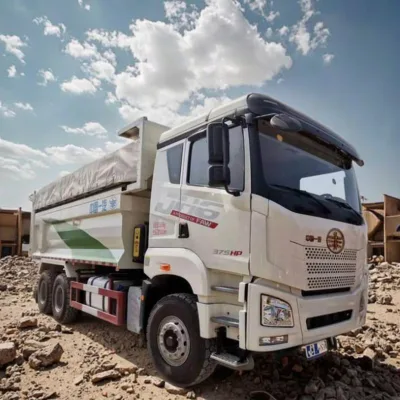
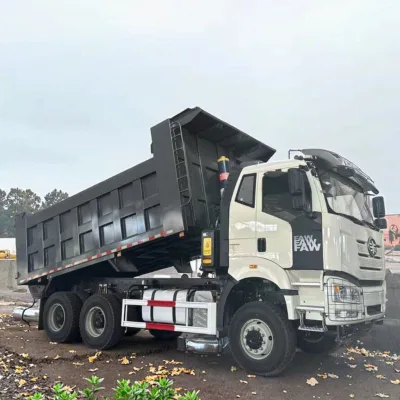
New Heavy Duty 6x4 8x4 Self-discharging Dump Truck 50T 460HP Oil Saving Design Dump Tipper Truck
$30900.00 - $31900.00
MOQ: 1 units


New Customizable Diesel 6X4 Drive Dump Truck with Manual Transmission
$35955.00 - $43885.00
MOQ: 1 Pieces


Comprehensive Sourcing Guide
Strategic Sourcing Guide for 6x4 Diesel Dumper Trucks with Air Suspension Seats
The global demand for heavy-duty construction and mining equipment continues to drive the procurement of 6x4 diesel dumper trucks. These vehicles represent a critical intersection of power, payload capacity, and operator comfort. For procurement professionals, the specific configuration of a 6x4 chassis equipped with an air suspension seat is not merely a luxury feature but a strategic asset for reducing driver fatigue and maintaining operational efficiency over long hauls. This guide synthesizes available market data and technical observations to provide a disciplined framework for sourcing these specialized vehicles, ensuring that buyers can navigate the complexities of specifications, compliance, and supplier verification without relying on unverified claims.
Technical Architecture and Powertrain Specifications
The core of a 6x4 diesel dumper truck lies in its powertrain and chassis architecture. Based on observed market data, these units typically feature engine capacities ranging from 4 to 6 liters for certain configurations, while heavy-duty variants often exceed 8 liters. This variation in engine displacement directly correlates with the horsepower output, which is observed in two primary bands: 251-350hp for mid-range applications and 351-450hp for high-load scenarios. The selection of the correct power band is contingent upon the intended load capacity, which generally falls between 21-30 tons and 31-40 tons, with specific models capable of handling up to 40 tons.
Transmission systems in this category are diverse, with both manual and automatic options available. The choice between these systems often depends on the terrain and the specific operational workflow of the buyer. The drive configuration is consistently 6x4, meaning three axles with the rear two being driven, providing the necessary traction for off-road and heavy-load environments. The steering system is typically hydraulic with power assistance, ensuring maneuverability even when the vehicle is fully loaded. Furthermore, the braking method is predominantly air brake, a standard requirement for heavy commercial vehicles to ensure safety and reliability under maximum stress.
Fuel management is another critical technical aspect. The fuel tank capacity is not uniform across all listings; observed configurations include tanks of 400L, 600L, and 1000L. This variability allows buyers to tailor the vehicle's range to their specific logistical needs, whether for short-distance urban dumping or long-haul inter-regional transport. The cargo box material is frequently cited as carbon steel or general steel, offering the durability required for abrasive materials like sand, gravel, and ore. The dimensions of the cargo box also vary, with standard external dimensions observed around 8.5x2.6x3.6m, 8.76x2.55x3.65m, and 8.8x2.5x3.8m, indicating that buyers must verify the exact internal volume and tipping geometry to match their specific cargo requirements.
Compliance, Certification, and Regulatory Standards
Navigating the regulatory landscape is a paramount concern for international procurement. The market data indicates a mix of certification standards, with some units listing ECE, GCC, ISO, and DOT certifications, while others may only specify ISO compliance. This discrepancy highlights the necessity for buyers to verify the specific certification suite required for their target market before finalizing a purchase. For instance, a vehicle intended for the European market must strictly adhere to ECE regulations, whereas operations in the Middle East may require GCC compliance.
Emission standards are equally critical. The observed data presents a dichotomy where some units are associated with Euro standards, while others reference engine capacities that may imply different emission profiles. Buyers must explicitly confirm the emission standard of the specific unit, as regulations vary significantly by region and year. The product standard dimensions provided, such as 8.5x2.6x3.6m, serve as a reference for physical compliance but do not replace the need for official type-approval documents.
Additionally, the tire design is a key compliance factor. While some listings specify tubeless tires, others indicate radial designs. The tire certification must align with the vehicle's load rating and the road conditions it will encounter. Procurement teams should request the specific tire certification documents to ensure that the tires meet the safety and performance standards of the operating jurisdiction. The origin of these vehicles is predominantly China, with specific manufacturing hubs identified in Liangshan and Shandong. While this geographic concentration offers competitive advantages, it necessitates rigorous verification of the manufacturer's ability to meet international export standards.
Cost Drivers and Pricing Dynamics
The pricing structure for 6x4 diesel dumper trucks is influenced by a complex array of factors, including engine capacity, horsepower, and the inclusion of premium features like air suspension seats. The observed price range in the market spans from $700 to $99,999. This wide variance suggests that the lower end of the spectrum may represent highly specialized or older models, while the upper end reflects fully equipped, high-horsepower units with advanced customization. Buyers should be cautious of prices that appear anomalously low, as they may indicate incomplete specifications or the absence of critical safety features.
The minimum order quantity (MOQ) observed is consistently 1 unit, which provides flexibility for buyers who require single-unit procurement for pilot projects or specific site requirements. However, the cost per unit may fluctuate based on the volume of the order and the level of customization requested. Customization is a significant cost driver, with options available for color, cargo box dimensions, and specific chassis brands such as Sinotruk or Shacman. The "Nude Packing" or "Naked Packing" observed in some listings implies that the vehicle is shipped without additional protective packaging, which can reduce shipping costs but may require the buyer to arrange for protective measures upon arrival.
Other cost factors include the condition of the vehicle. While the majority of listings describe the units as "New," some data points indicate "Used" vehicles. The price differential between new and used units can be substantial, but the buyer must weigh the potential savings against the risks of reduced remaining lifespan and higher maintenance costs. The inclusion of specific components, such as a 2x12V/165ah battery system and a 28V-1500 Kw alternator, also contributes to the overall cost structure. Buyers should request a detailed breakdown of costs to understand the value proposition of each component.
Operational Applications and Load Capacity Analysis
The versatility of the 6x4 diesel dumper truck makes it suitable for a wide range of applications, primarily in construction, mining, and heavy logistics. The primary usage category identified is towing semi-trailers, though the vehicle itself is often configured as a dump truck for direct material transport. The load capacity is a defining characteristic, with observed ranges of 21-30 tons and 31-40 tons. This capacity determines the vehicle's suitability for different types of projects; for example, a 40-ton capacity is essential for large-scale mining operations, while a 25-ton capacity might suffice for municipal construction projects.
The dumping mechanism is another critical operational feature. The data indicates a "Front Lifting Style" for some models, which is a specific configuration that may offer advantages in certain loading scenarios. The steering system, described as hydraulic with power assistance, ensures that the driver can maneuver the heavy load with precision, even in tight spaces. The driver seat, equipped with air suspension, is a crucial feature for long-duration operations, reducing the physical strain on the operator and improving overall productivity.
The fuel tank capacity, ranging from 400L to 1000L, directly impacts the operational range of the vehicle. A larger tank reduces the frequency of refueling stops, which is particularly beneficial in remote locations where fuel infrastructure is limited. The braking method, typically air brake, ensures that the vehicle can safely stop under heavy load, a critical safety feature in downhill or emergency scenarios. The taillight configuration, often LED, enhances visibility and safety during night operations, a common requirement in 24-hour construction sites.
Supplier Evaluation and Quality Assurance Protocols
Evaluating suppliers for 6x4 diesel dumper trucks requires a disciplined approach to verifying claims and ensuring product quality. The origin of these vehicles is primarily China, with specific regions like Liangshan and Shandong being noted. Buyers should verify the specific manufacturing location and the reputation of the supplier in that region. The chassis brand is a significant indicator of quality, with Sinotruk Chassis being a prominent option. However, buyers should not assume that all units with a specific chassis brand meet the same quality standards; verification of the specific manufacturer's track record is essential.
Quality control should begin with the verification of the product model. The data lists several models, including BJ3319Y6GRL-01, 6x4 dump truck, shacman dump truck 6x4, and HOWO DUMP TRUCK 6x4. Each model may have different specifications and quality levels. Buyers should request detailed technical sheets for the specific model they are interested in to ensure it meets their operational requirements. The condition of the vehicle, whether new or used, must be clearly defined in the contract to avoid disputes.
The packing method, described as "Nude Packing" or "Naked Packing," requires careful consideration. While this may reduce shipping costs, it leaves the vehicle exposed to potential damage during transit. Buyers should evaluate the need for additional protective packaging or insurance to mitigate this risk. The customization options, such as color and specific component upgrades, should be clearly documented to ensure that the final product matches the buyer's expectations.
Long-Term Procurement and Maintenance Considerations
Long-term procurement success depends on more than just the initial purchase price; it requires a comprehensive understanding of maintenance, parts availability, and lifecycle costs. The transmission type, whether manual or automatic, will influence the maintenance schedule and the availability of spare parts. Automatic transmissions may offer ease of use but could have higher maintenance costs compared to manual systems. The engine capacity and horsepower will also impact fuel consumption and maintenance intervals, with larger engines generally requiring more frequent servicing.
The air suspension seat is a key feature for driver comfort, but it also introduces a maintenance requirement. Buyers should verify the availability of replacement parts for the suspension system and the expected lifespan of the seat. The fuel tank capacity and material will affect the vehicle's range and durability, with larger tanks offering greater flexibility but potentially adding weight. The cargo box material, typically carbon steel or steel, will require regular inspection for wear and tear, especially in abrasive environments.
The braking system, specifically the air brake, is critical for safety and requires regular maintenance. Buyers should ensure that the supplier provides a comprehensive maintenance manual and access to technical support. The emission standard compliance is also a long-term consideration, as regulations may become stricter over time. Buyers should verify that the vehicle meets current standards and consider the potential for future upgrades or modifications.
In conclusion, sourcing a 6x4 diesel dumper truck with an air suspension seat is a complex process that requires careful attention to technical specifications, compliance, and supplier evaluation. By adhering to the guidelines outlined in this guide, buyers can make informed decisions that align with their operational needs and long-term strategic goals. The availability of customization, the range of load capacities, and the variety of engine options provide a robust foundation for building a fleet that is both efficient and reliable.
FAQs
What engine capacity options are available for these trucks?
Engine capacities range from 4 to 6 liters for mid-range models and exceed 8 liters for heavy-duty variants. This variation directly impacts horsepower, which is observed in bands of 251-350hp or 351-450hp depending on the specific configuration and intended load capacity.
Which certifications are commonly listed for these vehicles?
Common certifications include ECE, GCC, ISO, and DOT, though some listings may only specify ISO compliance. Buyers must verify the specific certification suite required for their target market, as European operations strictly require ECE regulations while Middle East operations may need GCC compliance.
How does the load capacity vary across different models?
Load capacities generally fall between 21-30 tons and 31-40 tons, with specific models capable of handling up to 40 tons. The selection of the correct capacity band is contingent upon the intended application, such as large-scale mining versus municipal construction projects.
What fuel tank capacities are available for these trucks?
Fuel tank capacities are not uniform and include configurations of 400L, 600L, and 1000L. This variability allows buyers to tailor the vehicle's range to specific logistical needs, whether for short-distance urban dumping or long-haul inter-regional transport in remote areas.
Can the color and chassis brand be customized?
Yes, customization is available for color and specific chassis brands such as Sinotruk or Shacman. Buyers should request detailed technical sheets to ensure the customized product matches their operational requirements and verify the manufacturer's track record for the specific chassis brand selected.
What packing methods are used for shipping these trucks?
The observed packing methods are Nude Packing or Naked Packing, meaning the vehicle is shipped without additional protective packaging. While this reduces shipping costs, buyers should evaluate the need for additional protective measures or insurance to mitigate potential damage during transit.