Source Digital Alcohol Testing Breathalyzer for Police, Fleet, and Personal Use
Explore 30 verified listings for the Digital Alcohol Testing Breathalyzer, comparing features like sensor type, detection range, and certifications. Buyers can evaluate options from multiple manufacturers to find the right device for enforcement, fleet management, or personal safety applications.
Key considerations
Products List


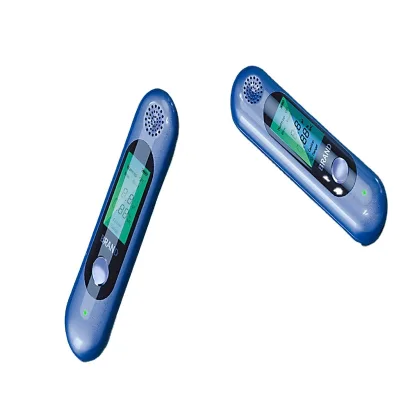
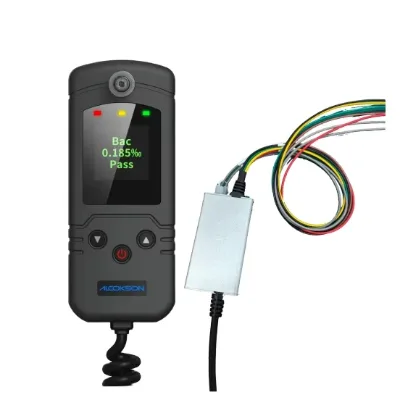


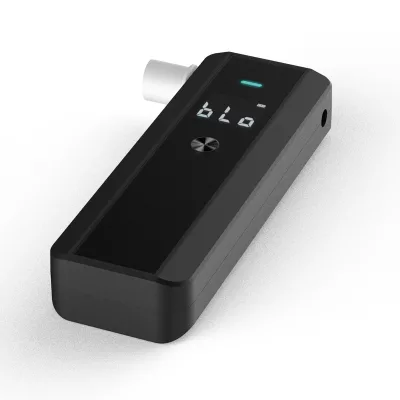
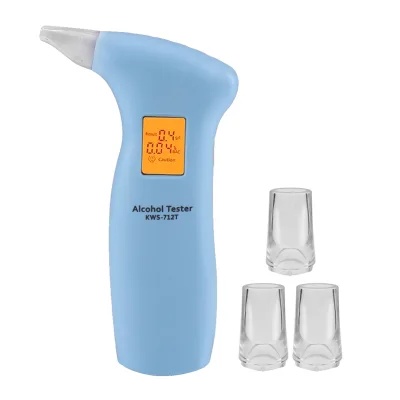
Portable Handheld Digital Breathalyzer Small Size Consumer Alcohol Tester for Drink
$12.00 - $15.00
MOQ: 100 pieces
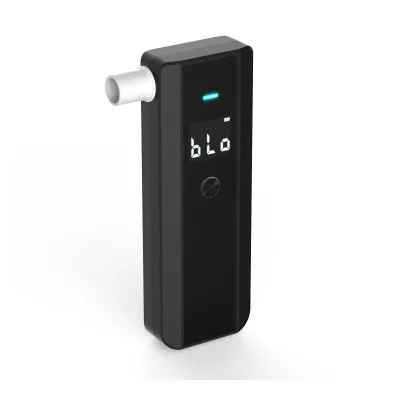
Car Alcohol Tester Breathalyzer for Convenient On-the-Go Alcohol Testing
$12.00 - $15.00
MOQ: 100 pieces


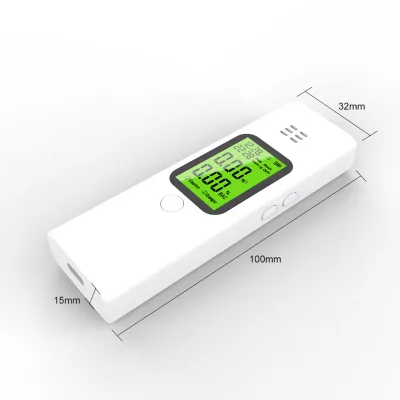


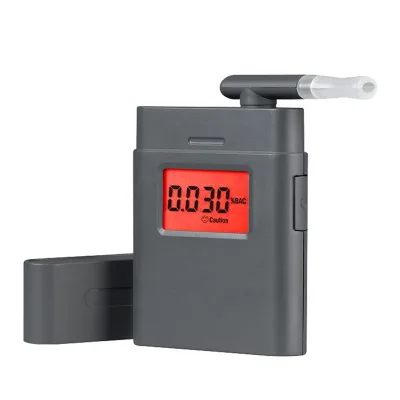
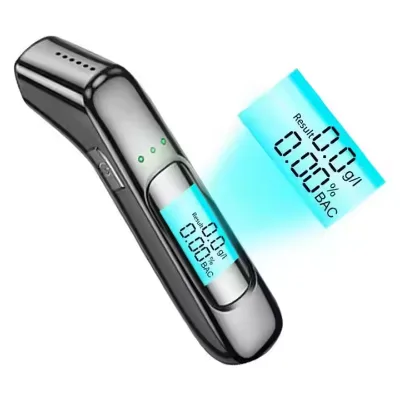


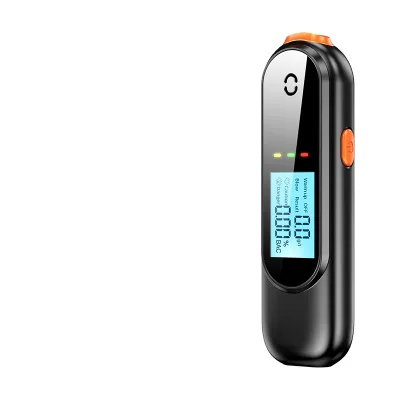
Comprehensive Sourcing Guide
Strategic Sourcing Guide for Digital Alcohol Testing Breathalyzers
Understanding the Technical Landscape of Breathalyzer Devices
The procurement of digital alcohol testing breathalyzers requires a precise understanding of the underlying sensor technologies and measurement capabilities that define device performance. In the current market, buyers encounter two primary sensor architectures: semiconductor sensors and fuel cell sensors. Semiconductor sensors are often noted for their cost-effectiveness and compact form factor, making them suitable for entry-level or consumer-grade applications. However, for professional or law enforcement contexts, fuel cell sensors are generally preferred due to their superior specificity and resistance to environmental interference. The observed product data indicates the availability of both "Semiconductor" and "Fuel Cell Sensor Breathalyzer" types, allowing buyers to align procurement with specific accuracy requirements.
A critical technical parameter for any breathalyzer is the measurable range. The devices in the current supply pool demonstrate a detection range of 0.00 to 400mg/100mL, which covers the standard legal limits for driving in most jurisdictions. Some units specify a detection range of 0mg/100ml to 400mg/100ml, ensuring that the device can capture both low-level consumption and high-level intoxication. The interface for data transmission is another vital specification; while some models utilize standard digital outputs, others feature an RJ45 interface, suggesting compatibility with networked systems or external data logging equipment. Buyers must verify if the RJ45 interface is intended for wired connectivity to a central server or if it serves a different diagnostic purpose, as this impacts the integration strategy for fleet management or corporate safety programs.
Compliance and Certification Verification Protocols
Navigating the regulatory landscape for breathalyzers involves rigorous verification of certifications, which serve as the primary indicator of a device's safety and compliance with international standards. The supply data explicitly lists "RoHS," "CE," and "FCC" as common certifications across multiple product listings. RoHS (Restriction of Hazardous Substances) compliance is essential for electronic devices sold in the European Union and other markets, ensuring that the product does not contain restricted hazardous materials. CE marking indicates conformity with health, safety, and environmental protection standards for products sold within the European Economic Area. FCC certification is mandatory for electronic devices operating in the United States, ensuring that the device does not emit harmful levels of radio frequency interference.
While some product listings mention "Certificate: CE RoHS" or "Certification: CE,FCC," buyers must treat these as observations of specific listings rather than universal guarantees for all units in a category. Procurement teams should request valid, up-to-date certification documents from the supplier for the specific batch being ordered. It is important to note that while background knowledge suggests standards like ISO13485:2016 or ISO9001 are relevant for medical and quality management systems, the provided product data does not explicitly confirm these certifications for the listed breathalyzers. Therefore, buyers should not assume ISO compliance without direct verification from the manufacturer. The absence of explicit ISO claims in the product attributes necessitates a proactive inquiry to ensure the supplier's quality management systems meet the buyer's internal compliance requirements.
Cost Drivers and Minimum Order Quantity Analysis
The financial structure of sourcing digital breathalyzers is influenced by several variables, including sensor technology, customization levels, and order volume. The observed price range in the market spans from $2.69 to $288 USD, a significant variance that reflects differences in build quality, sensor type, and feature sets. Lower-priced units typically utilize semiconductor sensors and may lack advanced data logging or connectivity features. Conversely, higher-priced models often incorporate fuel cell sensors, offer longer service lives, and include comprehensive accessories like multiple mouthpieces and durable carrying cases.
Minimum Order Quantity (MOQ) is another critical cost driver. The data indicates an MOQ range from 1 to 1000 pieces, with specific listings showing MOQs of 200 pieces or 100 pieces. This variability allows buyers to test the market with smaller orders or commit to larger volumes for better unit economics. For organizations requiring a large fleet of devices, negotiating an MOQ closer to the lower end of the observed range (e.g., 100 pieces) can reduce upfront capital expenditure. However, buyers should be aware that some suppliers may offer "Customized Support" including OEM and ODM services, which could alter the MOQ structure. Customization, such as branding or specific software configurations, often increases the unit cost and may require a higher minimum order to justify the setup costs. The "Selling Units" attribute indicates that single-item purchases are supported, which is beneficial for procurement teams needing to replace a single unit or conduct a pilot program before scaling.
Typical Applications and Usage Scenarios
Digital alcohol testing breathalyzers serve a diverse range of applications, from personal safety to corporate fleet management and law enforcement support. The product attributes explicitly mention "Usage: Car," highlighting the primary application in preventing drunk driving. In this context, the device's portability and "LCD Display" are crucial features, allowing for immediate, on-site results without the need for external power sources or complex setup. The "Portable" attribute confirms that these devices are designed for mobility, making them suitable for roadside checks or personal use.
Beyond personal vehicle use, the "Type: Electrochemical Gas Analyzer" and "Function: Breathalyzer Analyzer" suggest applications in industrial safety and workplace compliance. Companies with fleets of commercial vehicles or heavy machinery often implement mandatory breathalyzer testing to ensure driver sobriety. The availability of "50 Test Records" in memory for some models supports this application, as it allows for the storage of historical data for review and compliance auditing. Additionally, the "Mouthpieces: 5pcs Included" attribute is significant for hygiene in shared environments, such as corporate offices or event security, where multiple users may need to test without cross-contamination. The "Service life: 3 years or 5000 lifespans" specification provides a clear expectation for the device's durability, which is essential for calculating the total cost of ownership over time.
Supplier Evaluation and Origin Considerations
When evaluating potential suppliers for breathalyzers, the geographical origin of the product plays a role in logistics and supply chain reliability. The data indicates that products originate from "Gansu, China" and "Guangdong, China." Guangdong is a major manufacturing hub for electronics in China, often associated with a mature supply chain and competitive pricing. Gansu, while less prominent in electronics, may offer specific manufacturing capabilities or cost advantages. Buyers should verify the specific factory location to assess the supplier's proximity to ports and their logistical capabilities.
Supplier experience is another key metric. One listing mentions "Experience: 18years," which suggests a level of stability and technical expertise in the field. While this is a positive indicator, buyers should corroborate this claim by reviewing the supplier's track record, client references, and after-sales support structure. The "Customized Support: OEM, ODM" attribute indicates that suppliers are capable of tailoring products to specific brand requirements, which is valuable for companies looking to white-label devices. However, buyers must ensure that the customization process does not compromise the device's core functionality or certification status. The "Sample: Support" attribute is also beneficial, allowing procurement teams to physically test the device's accuracy and build quality before committing to a large order.
Quality Control and Long-Term Procurement Strategies
Ensuring the long-term reliability of breathalyzers requires a robust quality control strategy. The "Service life" of 3 years or 5000 lifespans is a critical metric that buyers should use to benchmark device durability. To maintain this performance, buyers must establish a protocol for regular calibration and sensor maintenance. The "Detection Range" of 5CM or "inner 10cm" suggests specific operational distances that must be adhered to during testing to ensure accurate readings. Deviations from these distances could lead to false negatives or positives, undermining the device's utility.
For long-term procurement, buyers should consider the availability of consumables, such as mouthpieces, and the ease of replacing sensors. The "prod_packing" attributes, ranging from "Box" to "Carton," indicate different packaging standards that may affect shipping costs and product protection. A "Carton" packing is generally more robust for bulk shipments, while a "Box" may be suitable for retail or single-unit sales. Buyers should also verify the "prod_standard" dimensions, such as 17.57.65.7 mm or 95.6 * 28 * 17 mm, to ensure the devices fit into existing storage or mounting systems. Finally, the "Model Number" variations, such as D1000, AT-301, ALC-303, and WBR series, highlight the need for precise specification matching. Procurement teams should maintain a clear record of the specific model numbers ordered to facilitate future reordering and ensure compatibility with existing software or hardware ecosystems.
Comparative Analysis of Key Product Attributes
To facilitate decision-making, the following table summarizes the key attributes observed in the current market, highlighting the variations that buyers must consider during the selection process.
| Attribute Category | Observation A | Observation B | Observation C | Observation D |
|---|---|---|---|---|
| Sensor Type | Semiconductor | Fuel Cell Sensor | Electrochemical Gas Analyzer | N/A |
| Display | LCD Display | LCD disply | LCD | N/A |
| Detection Range | 0mg/100ml~400mg/100ml | 0.00~400mg/100mL | 5CM | inner 10cm |
| Certifications | RoHS, CE, FCC | CE RoHS | CE, FCC | N/A |
| MOQ | 200 Pieces | 100 pcs | 1-1000 (Range) | N/A |
| Service Life | 3 years or 5000 lifespans | N/A | N/A | N/A |
| Memory | 50 Test Records | N/A | N/A | N/A |
| Accessories | 5pcs Mouthpieces Included | N/A | N/A | N/A |
| Origin | Gansu, China | Guangdong, China | China | N/A |
| Customization | OEM, ODM Available | Non-Customized / Customized | Available | N/A |
This comparison underscores the diversity in the market. Buyers must prioritize their specific needs, such as whether they require a fuel cell sensor for high accuracy or if a semiconductor sensor suffices for general screening. The variation in certifications and origins also necessitates a tailored approach to supplier vetting. By carefully analyzing these attributes against their operational requirements, procurement teams can select the most appropriate breathalyzer solutions that balance cost, compliance, and performance.
FAQs
What certifications do these breathalyzers hold?
The devices typically hold RoHS, CE, and FCC certifications. These marks indicate compliance with safety and environmental standards for electronic products sold in major markets like the EU and US.
Which sensor types are available for these units?
You can find both semiconductor and fuel cell sensor options. Fuel cell sensors offer higher accuracy for professional use, while semiconductor sensors are often used in cost-effective consumer models.
Can I customize the branding on these devices?
Yes, OEM and ODM customization support is available for many models. Buyers can request specific branding or configurations, though this may affect the minimum order quantity and unit pricing.
What is the typical minimum order quantity for these items?
Minimum order quantities range from 1 piece to 1000 pieces depending on the supplier. Specific listings show MOQs of 100 or 200 pieces for standard models, with single items sometimes supported.
How long is the service life of the sensors?
Some models specify a service life of 3 years or 5000 lifespans. This duration depends on usage frequency and proper maintenance to ensure accurate alcohol detection readings over time.
Where are these breathalyzers manufactured?
Products originate from regions such as Gansu and Guangdong in China. Guangdong is a major electronics hub, while Gansu also supplies specific manufacturing capabilities for these devices.
What display type is used on these analyzers?
Most units feature an LCD display for showing test results. This screen provides clear visibility of the alcohol concentration levels measured in mg/100mL for the user.