Source 7oz Printed Denim Fabric for Bags, Caps, and Garments
Find and compare 7oz Printed Denim Fabric from 30 verified listings. Evaluate options based on material composition, width, and finishing treatments like sanforizing to select the right textile for apparel and accessories.
Key considerations
Products List

$1.60 - $2.15
MOQ: 5000 Meters

$2.10
MOQ: 5000 Meters


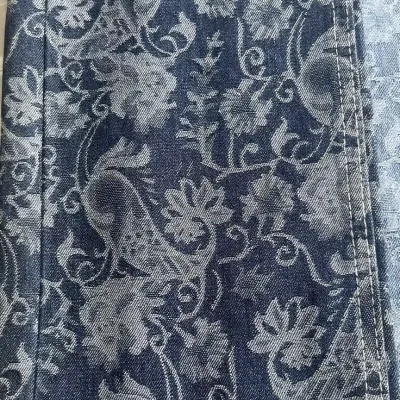
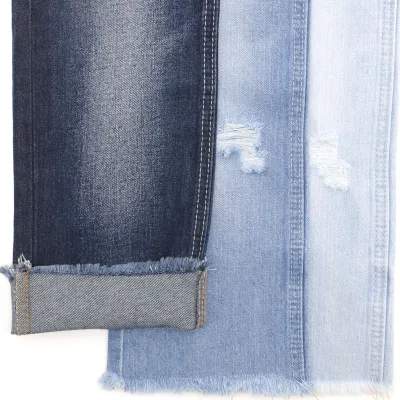


Factory Denim Fabric with 10oz 3/1twill 59''/60'' Dark Blue for Jeans Jacket
$1.56 - $2.99
MOQ: 2000 Meters
Comprehensive Sourcing Guide
7oz Printed Denim Fabric Sourcing Guide
Sourcing 7oz Printed Denim Fabric requires a nuanced understanding of lightweight denim construction, as this weight class sits at the intersection of traditional denim durability and fashion-forward apparel flexibility. In the broader textile market, 7oz fabric is typically categorized as a lightweight denim, often used for summer garments, unlined jackets, or structured accessories where heavy weight is unnecessary. Buyers must distinguish between standard woven denim and printed variants, as the printing process introduces additional variables regarding colorfastness, hand feel, and fabric integrity. The observed market data indicates a diverse range of product models, from ATA-G0508 to S824A-8, suggesting that suppliers offer varied compositions and finishes rather than a single standardized product. This diversity necessitates a rigorous verification process to ensure the selected fabric meets specific aesthetic and functional requirements.
The procurement landscape for this material is characterized by significant variability in supply types, ranging from make-to-order production to in-stock items. This distinction is critical for buyers balancing speed-to-market against customization needs. While some listings indicate a minimum order quantity (MOQ) of 5,000 meters for custom runs, others accept orders as low as 100 meters for in-stock selections. Understanding these commercial boundaries early in the sourcing process prevents misalignment between buyer expectations and supplier capabilities. Furthermore, the geographic concentration of suppliers in regions like Zhejiang and Guangdong, China, provides access to established textile ecosystems, but it also requires careful due diligence to ensure consistent quality across different manufacturing facilities.
Product Scope and Observed Listing Signals
The observed product listings reveal a wide spectrum of material compositions, challenging the assumption that all 7oz denim is created equal. While some products are listed as 100% cotton, others incorporate synthetic blends such as Spandex/Cotton or complex mixes like 61% cotton, 23% polyester, and 16% viscose. These compositional differences directly impact the fabric’s stretch, recovery, and drape, which are essential considerations for garment design. For instance, the inclusion of spandex or polyester may enhance elasticity and durability, whereas 100% cotton offers a traditional, rigid hand feel that is often preferred for classic denim aesthetics. Buyers must carefully review the component breakdown for each specific model, as the "7oz" designation refers only to weight and not to fiber content.
Listing signals also highlight significant variations in technical specifications, including yarn thickness, density, and width. Observed data points to yarn thicknesses ranging from 7×6 to 12×12, with densities varying from 72×54 to 80×50. These technical parameters influence the fabric’s texture, opacity, and structural stability. Additionally, width specifications differ, with some products offered at 56/57 inches and others at 60/67 inches or even 176-178 cm. Such discrepancies can affect pattern matching and fabric utilization rates during the cutting phase. Buyers should treat these listed attributes as observations of specific supplier offerings rather than universal standards, verifying each parameter against their own technical requirements before placing orders.
Technical Specifications to Verify
When evaluating printed denim, the integrity of the print application is paramount, particularly regarding colorfastness and resistance to washing. The observed product features include claims of shrink-resistance, anti-static properties, and waterproofing, which are critical for ensuring the longevity of the printed design. However, these features are not uniformly present across all listings; for example, some products emphasize eco-friendly finishes while others focus on UV resistance. Buyers must verify which finishing treatments are applied to the specific fabric lot, as these treatments can interact with the printing inks, potentially causing cracking, fading, or peeling over time. Requesting physical samples with completed wash tests is essential to validate these performance claims.
The structural integrity of the weave must also be scrutinized, as lightweight denim is more susceptible to distortion during printing and subsequent garment construction. The observed models indicate a mix of woven and knitted types, with some listings specifying weft knitting techniques. This distinction is vital, as woven denim provides stability and structure, while knitted variants offer stretch and comfort. Buyers should confirm the exact weave structure and density for their chosen product, ensuring it aligns with the intended garment application. For instance, a high-density weave may be necessary for structured bags or caps, whereas a looser weave might be suitable for flowy dresses. Clarifying these technical details prevents unexpected fabric behavior during production.
Compliance and Safety Documentation
Safety and environmental compliance are increasingly critical in the denim industry, particularly for fabrics intended for global markets. While the supplied data mentions potential standards such as ISO 9001, OEKO-TEX, and GOTS, these should be treated as background context rather than confirmed certifications for any specific product. Buyers must actively request and verify current compliance certificates from their suppliers, as these documents provide evidence that the fabric meets specific chemical and safety regulations. For printed denim, this includes verifying that the inks and finishing agents used are free from harmful substances like azo dyes, formaldehyde, or heavy metals, which are strictly regulated in many jurisdictions.
Documentation should also cover the origin of raw materials and the manufacturing processes employed. The observed place of origin for many products is Zhejiang or Guangdong, China, which are major textile hubs. Buyers should ensure that suppliers provide transparent documentation regarding the sourcing of cotton and other fibers, particularly if sustainability is a key procurement goal. Additionally, verifying the supply type, whether make-to-order or in-stock, can impact the traceability of the product. Make-to-order items may offer greater customization but require more rigorous documentation to ensure that the specific batch meets all agreed-upon safety and quality standards.
Cost Drivers and Commercial Terms
The cost of 7oz printed denim is influenced by several factors, including material composition, finishing treatments, and order volume. The observed price range of 0-7.7 USD suggests significant variability, likely driven by the complexity of the print design and the quality of the base fabric. Buyers should understand that lower prices may correlate with simpler prints or lower-grade materials, while higher prices may reflect advanced finishing technologies or premium fiber blends. It is essential to request detailed quotations that break down costs by material, labor, and finishing, allowing for accurate comparison between different suppliers.
Commercial terms, particularly minimum order quantities (MOQ) and lead times, play a crucial role in total procurement cost. The observed MOQs range from 100 meters for in-stock items to 5,000 meters for custom orders, reflecting the trade-off between flexibility and economies of scale. Lead times also vary, with some suppliers offering delivery within 25-35 days. Buyers must align their order quantities with their production schedules and inventory strategies, considering the implications of holding excess stock or facing production delays. Negotiating flexible MOQs or tiered pricing structures can help optimize costs, especially for smaller or trial orders.
Supplier Qualification and Quality Control
Qualifying suppliers for 7oz printed denim requires a thorough assessment of their manufacturing capabilities and quality control systems. Buyers should verify the supplier’s experience with lightweight denim and printed finishes, as these processes require specialized equipment and expertise. The observed product models, such as ATA-G0508 and S824A-8, indicate that suppliers may have specific product lines or expertise in certain types of denim. Requesting references or case studies from previous clients can provide insight into the supplier’s reliability and consistency. Additionally, assessing their ability to handle custom orders, as indicated by the "Make to Order" supply type, is crucial for buyers seeking unique designs.
Quality control measures should be established before production begins, including clear specifications for color, weight, and finish. Buyers should implement a robust inspection process, potentially involving third-party inspection services, to verify that the delivered fabric meets the agreed-upon standards. The observed features, such as shrink-resistance and anti-static properties, should be tested on a sample basis before full-scale production. Establishing a clear protocol for handling defects or non-conforming products is also essential, ensuring that any issues are resolved promptly and fairly. Regular communication with the supplier throughout the production process can help identify and address potential problems early.
Long-Term Procurement Checks
Sourcing 7oz printed denim is not a one-time transaction but an ongoing relationship that requires continuous monitoring and evaluation. Buyers should regularly review supplier performance metrics, including on-time delivery, quality consistency, and responsiveness to issues. The observed variability in product specifications and features suggests that suppliers may update their offerings or production methods over time. Staying informed about these changes is crucial to ensuring that the fabric continues to meet evolving market demands and quality standards. Building a strong relationship with the supplier can facilitate better communication and collaboration, leading to improved product quality and service.
Long-term procurement strategies should also include diversification of suppliers to mitigate risk. Relying on a single supplier for 7oz printed denim can expose buyers to supply chain disruptions, price fluctuations, or quality inconsistencies. By cultivating relationships with multiple suppliers, buyers can maintain flexibility and negotiate better terms. Additionally, staying updated on industry trends and technological advancements in denim production can help buyers identify new opportunities for innovation and cost savings. Regularly revisiting and updating procurement specifications ensures that the sourcing strategy remains aligned with business goals and market conditions.
FAQs
What customization options are available for this denim fabric?
Customization is available for this denim fabric to meet specific buyer requirements. The product supports make-to-order supply types, allowing adjustments to specifications like width, weight, and finishing processes such as sanforizing for shrink resistance.
Which material compositions are offered for this denim product?
The product is offered in 100% cotton or blends containing spandex and cotton. Specific compositions include 76% cotton, 22% polyester, and 2% spandex, as well as blends with viscose and polyester to achieve different textures and stretch properties.
How does the fabric handle shrinkage and static issues?
The fabric features shrink-resistant and anti-static properties to ensure durability during use. Additional finishing processes like sanforizing are applied to maintain size stability, while anti-static treatments help manage electrical buildup in the finished garments.
What is the minimum order quantity for purchasing this fabric?
The minimum order quantity varies by product model, ranging from 100 meters to 5,000 meters. Some items require a bulk purchase of 5,000 meters, while others may accept smaller orders starting at 100 meters depending on stock availability.
Can this fabric be used for making bags and caps?
Yes, this fabric is suitable for making bags, caps, curtains, dresses, and various garments. The product specifications list these applications explicitly, confirming its versatility for both apparel and accessory manufacturing across different styles and weights.
What are the standard width and weight specifications for this denim?
Standard widths range from 56 to 67 inches, with weights varying from 7 to 13.5 ounces. Specific models offer densities like 72x54 or 80x50, and yarn thicknesses such as 12x12 or 7x6 to suit different denim applications and durability needs.
Where is the place of origin for this denim fabric?
The place of origin is listed as Zhejiang or Guangdong in China. These locations indicate the manufacturing hubs where the fabric is produced, ensuring consistent quality standards and supply chain reliability for international buyers seeking denim materials.