Source 7ml Recyclable Lip Gloss Container for Cosmetics, Make-up, Medicine
Compare 30 options for the 7ml Recyclable Lip Gloss Container from Ningbo suppliers. These ABS plastic tubes support screen printing and offer capacities ranging from 3.5ml to 20ml for cosmetics, make-up, and medicine applications.
Key considerations
Products List


Cylinder 7.5ml Lipgloss Tube Glass Empty Transparent Liquid Lip Gloss Container
$1.12 - $1.49
MOQ: 10000 Pieces


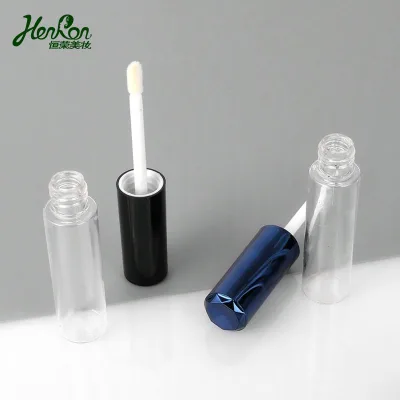


Recyclable Mini 0.9g Lipstick Tube Lip Balm Cosmetic Container for Lip Care
$0.60 - $0.65
MOQ: 10000 Pieces


Recyclable Plastic 3.5ml Lipstick Tube Empty Lipstick Container for Cosmetic Use
$0.40 - $0.45
MOQ: 10000 Pieces
Comprehensive Sourcing Guide
Strategic Sourcing Guide for 7ml Recyclable Lip Gloss Containers
The global beauty packaging market has witnessed a significant shift toward sustainable solutions, with the 7ml Recyclable Lip Gloss Container emerging as a critical component for modern cosmetic brands. For procurement professionals, sourcing this specific item requires a nuanced understanding of material science, regulatory compliance, and supply chain logistics. The following guide synthesizes observed market data and technical specifications to provide a disciplined framework for evaluating potential suppliers and ensuring product integrity.
Technical Specifications and Material Composition
The foundation of a successful procurement strategy lies in the precise definition of technical requirements. Based on observed product attributes, the 7ml lip gloss container is primarily constructed from plastic materials, with specific models utilizing ABS (Acrylonitrile Butadiene Styrene) for the cap to ensure durability and a secure fit. The bottle body itself is often described with varying material descriptors, necessitating that buyers verify the specific polymer grade used for the main vessel.
Dimensions are a critical differentiator in this category. While the core keyword specifies a 7ml capacity, the physical dimensions of the container vary by model. Observed data indicates that a 7ml container typically measures approximately 16.5mm in diameter and 105mm in height. However, other models in the same capacity range may exhibit different proportions, such as 16.3mm by 119mm or 15.8mm by 93.5mm for alternative sizes. Procurement teams must align the physical footprint of the container with their existing filling machinery and retail display requirements.
The form factor is consistently liquid, designed to hold viscous cosmetic formulations. The product is available in multi-colored options, allowing for brand differentiation without the need for additional labeling. The packaging method is frequently described as "layer packed in carton" or simply "carton," which impacts the unit volume and shipping efficiency. Buyers should confirm the exact packing density to optimize logistics costs, as the "layer packed" method may offer better protection during transit compared to bulk packing.
Compliance and Certification Verification
In the cosmetics supply chain, regulatory compliance is non-negotiable. The observed product data highlights ISO and ISO 9001 certifications as high-confidence attributes for many suppliers in this sector. These certifications indicate that the manufacturer adheres to international quality management standards and has established processes for consistent production. Additionally, some listings reference ISO 14001, which relates to environmental management, aligning with the "recyclable" and "eco-friendly" claims often associated with these products.
When evaluating a supplier, buyers must verify the validity of these certifications rather than accepting them as marketing claims. The presence of FSC (Forest Stewardship Council) certification in some product descriptions suggests a commitment to sustainable sourcing, particularly if paper-based components are involved in the packaging or labeling. However, since the primary material is plastic, the relevance of FSC should be scrutinized to ensure it applies to the correct components of the supply chain.
It is crucial to distinguish between observed certifications and those that are merely background expectations. While BSCI and CE are mentioned in general background contexts, they should not be assumed as standard for every 7ml container unless explicitly confirmed by the supplier. Procurement teams should request current, valid certificates of conformity and audit reports to ensure the supplier's quality management system is active and compliant with the destination market's regulations.
Cost Drivers and Economic Considerations
The pricing landscape for 7ml recyclable lip gloss containers is influenced by several variables, including material costs, customization levels, and order volume. The observed market data indicates a price range of $0.15 to $1.83 USD per unit. This wide variance suggests that the base price is heavily dependent on the complexity of the design, the quality of the plastic, and the finishing processes applied.
A primary cost driver is the customization of the container. While standard models may be available at the lower end of the price spectrum, features such as screen printing, custom colors, and unique mold designs will increase the unit cost. The "Customization: Available" attribute confirms that suppliers are willing to tailor products, but this flexibility comes with a premium. Buyers must balance the desire for brand-specific aesthetics against the budget constraints of the project.
Minimum Order Quantity (MOQ) is another significant economic factor. The observed MOQ range spans from 10,000 to 20,000 units, with some specific listings noting an MOQ of 5,000 pieces. This variability allows for flexibility depending on the buyer's inventory strategy. However, the high MOQs typical of this industry mean that economies of scale are essential for cost efficiency. Buyers should negotiate based on their projected annual volume to secure better pricing tiers. Additionally, the availability of free samples, sometimes with a refundable deposit, can reduce the initial risk of testing a new supplier without incurring full production costs.
Typical Applications and Functional Requirements
The 7ml Recyclable Lip Gloss Container is designed for a specific set of applications within the beauty and personal care industry. The primary usage is for lip gloss, but the functional scope extends to other cosmetics and even medicinal applications, as indicated by the "Make-up, Medicine" functional attribute. This versatility makes the container suitable for a broad range of product lines, from high-end luxury lip glosses to over-the-counter topical treatments.
The "Used for: Women" attribute highlights the target demographic, suggesting that the design aesthetics and ergonomics are tailored to female consumers. The multi-colored nature of the container allows for a wide array of visual identities, catering to different brand personalities. Whether the product is a clear empty tube for a minimalist brand or a vibrant, colored tube for a youthful line, the container must maintain structural integrity to prevent leakage and ensure user safety.
The surface treatment, specifically screen printing, is a common method for applying branding and instructions directly onto the container. This reduces the need for secondary labeling, streamlining the packaging process. However, buyers should verify the adhesion and durability of the screen printing, especially if the product is intended for markets with high humidity or where the container may be exposed to moisture. The "Innovation: Refillable Sustainable Eco Friendly Biodegradable" attribute suggests that some models are designed with a circular economy in mind, allowing for refills to reduce waste. This feature is increasingly important for brands aiming to meet sustainability goals and appeal to environmentally conscious consumers.
Supplier Evaluation and Quality Control
Selecting the right supplier requires a rigorous evaluation process that goes beyond price and lead time. The origin of the product, often cited as Ningbo or China, provides context for the manufacturing ecosystem but does not guarantee quality on its own. Buyers should assess the supplier's production capacity, quality control protocols, and ability to meet specific customization requests.
Quality control should be a continuous process rather than a final inspection. Given the "Layer Packed in Carton" specification, the internal packaging must be robust enough to prevent damage during shipping. Suppliers should demonstrate a clear understanding of the "prod_standard" dimensions, ensuring that every unit falls within the specified tolerances. For the 7ml capacity, even minor deviations in the internal volume can affect the fill level and consumer perception.
When evaluating suppliers, buyers should request samples that have undergone the same production process as the bulk order. The availability of "Free Sample" or "Free Sample (Refund)" options facilitates this testing phase. During the sample evaluation, check for defects in the molding, the quality of the screen printing, and the fit of the ABS cap. The cap must seal tightly to prevent leakage, which is a critical failure point for liquid cosmetics.
Long-Term Procurement Considerations
Sourcing 7ml recyclable lip gloss containers is not a one-time transaction but a long-term partnership that requires strategic planning. The trend toward sustainability implies that future regulations may become stricter regarding recyclable materials and biodegradability. Buyers should prioritize suppliers who are actively investing in sustainable technologies and can adapt to changing environmental standards.
The "Customized Size" standard observed in some models indicates that the market is moving away from rigid standardization toward more flexible, brand-specific solutions. This trend suggests that buyers should maintain a relationship with suppliers who can offer rapid prototyping and small-batch customization. The ability to iterate on design quickly can provide a competitive advantage in a fast-moving market.
Furthermore, the supply chain resilience is paramount. With the observed MOQs ranging from 5,000 to 20,000 units, buyers must ensure that their suppliers have the capacity to scale up production during peak seasons without compromising quality. Diversifying the supplier base can mitigate risks associated with geopolitical tensions or logistical disruptions. Finally, maintaining open communication regarding certification renewals and material sourcing ensures that the procurement strategy remains aligned with both business goals and regulatory requirements. By focusing on these long-term factors, buyers can secure a reliable supply of high-quality, sustainable packaging that supports their brand's growth and reputation.
FAQs
What materials are used for the 7ml Recyclable Lip Gloss Container?
The container is primarily constructed from plastic, with the cap made of ABS material to ensure durability. Some listings specify the bottle material as generic plastic, while others highlight recyclable and eco-friendly attributes for sustainable sourcing needs.
Which certifications do suppliers typically hold for this product?
High-confidence facts indicate that many suppliers hold ISO and ISO 9001 certifications to ensure quality management standards. Some listings also reference FSC certification, though buyers should verify the specific application of these standards to the plastic components.
How is the 7ml lip gloss container typically packed for shipping?
The standard packing method involves layer packing the containers inside cartons to prevent damage during transit. This approach optimizes protection and shipping efficiency, though some variations may simply list the packaging as carton without specifying the layer arrangement.
Can buyers customize the size and dimensions of the container?
Yes, customization is available for various models, including options for customized sizes beyond the standard 7ml capacity. Specific dimensions like 16.5mm by 105mm are common, but buyers can request tailored specifications to match their filling machinery and retail display requirements.
What is the typical minimum order quantity for these containers?
The observed minimum order quantity ranges from 10,000 to 20,000 units, with some specific listings offering an MOQ of 5,000 pieces. This variability allows buyers to negotiate based on their projected annual volume to secure better pricing tiers and inventory management.
What surface treatments are applied to the lip gloss tubes?
Screen printing is the common surface treatment used to apply branding and instructions directly onto the container. This method reduces the need for secondary labeling, but buyers should verify the adhesion and durability of the print for markets with high humidity.
Where are these 7ml recyclable lip gloss containers manufactured?
The observed product origin is primarily Ningbo, China, which provides context for the manufacturing ecosystem. Buyers should assess the supplier's production capacity and quality control protocols in this region to ensure the product meets specific customization and delivery requirements.