Source 80HP Tractor Wiring Harness Assembly for Auto, Home, RF
Compare 30 listings for 80HP Tractor Wiring Harness Assembly tailored for electronic, automobile, and home appliance applications. Buyers can evaluate customization options, wire core materials, and interface types from verified suppliers in China; compare the available evidence and request quotations based on your requirements.
Key considerations
Products List


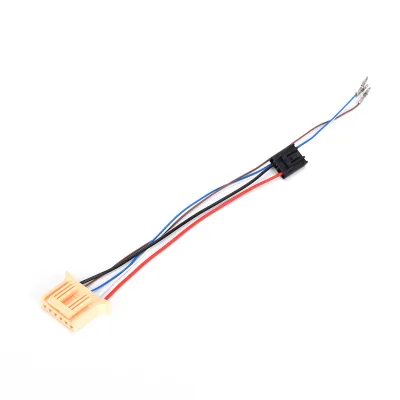
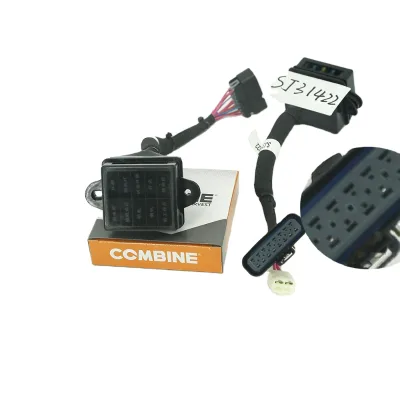
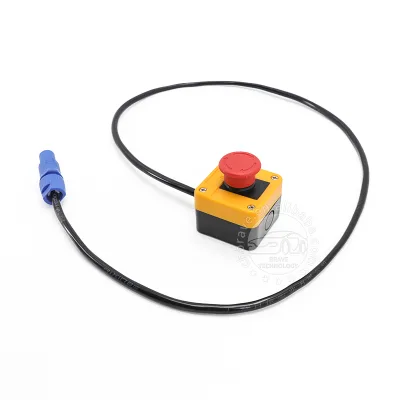
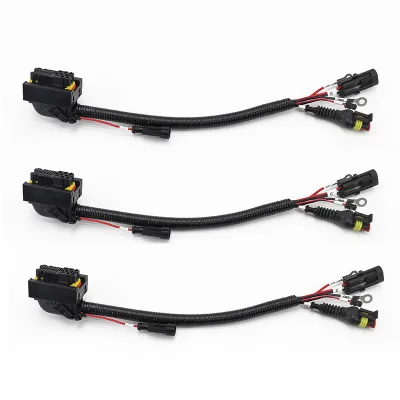
Agricultural Machinery Monitor Wiring Harness 7610 Wiring Harness Tractor
$50.00 - $80.00
MOQ: 100 Pieces


Agricultural Harness Cable for Farming Equipment Tractors and Harvesters
$0.60 - $1.10
MOQ: 100 Pieces


Custom Tractor Wire Harness Assembly for Agricultural Machinery OEM ODM
$3.20 - $10.60
MOQ: 300 Pieces





Comprehensive Sourcing Guide
80HP Tractor Wiring Harness Assembly Sourcing Guide
Procuring wiring harnesses for an 80hp tractor requires a strategic approach that balances electrical reliability with mechanical durability. These agricultural machines operate in harsh environments, exposing components to vibration, moisture, and temperature extremes. Buyers must prioritize harnesses that offer robust insulation and secure connector interfaces to prevent intermittent failures. The core challenge lies in sourcing assemblies that meet specific vehicle electrical loads while maintaining compatibility with existing tractor architectures.
This guide focuses on industrial cable assemblies and wiring harnesses that serve automotive and agricultural applications. By examining observed market signals, technical specifications, and compliance requirements, procurement teams can make informed decisions. The following sections detail how to evaluate suppliers, verify material quality, and establish commercial terms that protect your investment. Understanding these factors ensures that the selected harnesses support the long-term operational integrity of your 80hp tractor fleet.
Product Scope and Observed Listing Signals
The current market offers a diverse range of industrial cable assemblies and wiring harnesses suitable for agricultural machinery. Observed listings indicate a price range from $0.05 to $80 USD, reflecting variations in complexity, length, and connector types. Minimum order quantities typically span from 1 to 1000 units, allowing for both prototype testing and bulk production runs. Buyers should note that products are often categorized under general wiring harnesses, signal wiring harnesses, and low voltage wiring harnesses, which aligns with the electrical needs of modern tractors.
Many suppliers provide customization options, including customized lengths, wire gauges, and connector types. Materials observed include copper wire, tin-plated copper wire, and copper-clad aluminum wire, each offering different trade-offs between conductivity and cost. Insulation materials such as PVC, rubber, silicone, and PE are common, providing necessary protection against environmental factors. The presence of brands like Molex in some listings suggests access to high-quality, standardized components, though many suppliers offer generic alternatives that may require additional validation.
Technical Specifications to Verify
Verifying technical specifications is critical to ensuring the wiring harness meets the electrical and mechanical demands of an 80hp tractor. Buyers should confirm the wire core material, as copper and tin-plated copper offer superior conductivity compared to copper-clad aluminum. The interface type, whether AC/DC or DC/DC, must match the tractor’s electrical system. Additionally, the shape of the harness, whether round, rectangular, or hexagon, affects routing and space utilization within the engine compartment.
Connector types and assembly classes are equally important. Suppliers may offer injection molding assembly classes or crimping assembling classes, each with distinct reliability profiles. The bandaging materials, such as PVC pipe or adhesive tape, provide additional protection against abrasion and moisture. Buyers should also verify the wire gauge, which should be customized to the specific current loads of the tractor’s components. Ensuring these specifications align with the tractor’s design prevents electrical failures and extends the lifespan of the wiring system.
Compliance and Safety Documentation
Compliance with safety and quality standards is non-negotiable for agricultural equipment. Observed certifications include CCC, RoHS, and VDE, which indicate adherence to specific regional and international safety regulations. Buyers must verify that the supplier can provide valid certificates for each batch, ensuring that materials and manufacturing processes meet these standards. The presence of CE certification in background data suggests potential compliance with European safety directives, though this should be confirmed with the supplier.
Documentation should also cover material safety and environmental compliance. RoHS certification ensures that hazardous substances are limited in the wiring harness components. Buyers should request test reports or certificates of conformity from accredited laboratories. This documentation not only ensures regulatory compliance but also provides a basis for liability protection in case of failures. Maintaining a complete paper trail of certifications is essential for audits and quality assurance processes.
Cost Drivers and Commercial Terms
Several factors influence the cost of wiring harness assemblies, including material choice, customization level, and order volume. Copper prices fluctuate, directly impacting the cost of copper-based wires. Customization, such as specific lengths or connector types, adds to the manufacturing complexity and cost. Buyers should negotiate based on volume discounts, as MOQs range from 1 to 1000 units. Understanding these cost drivers helps in budgeting and selecting the most cost-effective solution without compromising quality.
Commercial terms should include clear specifications for packing, sample times, and payment conditions. Observed packing methods include inner plastic bags and outer standard carton boxes, which protect the harnesses during transit. Sample times typically range from 3 to 7 working days, allowing for quick validation of prototypes. Buyers should clarify lead times for bulk orders and ensure that the supplier can meet production deadlines. Transparent commercial terms reduce the risk of delays and unexpected costs.
Supplier Qualification and Quality Control
Selecting a qualified supplier is crucial for obtaining reliable wiring harnesses. Buyers should verify the supplier’s manufacturing capabilities, including their experience in automotive and agricultural wiring harnesses. Observations indicate that many suppliers are located in Shenzhen, China, a hub for electronics manufacturing. Buyers should assess the supplier’s quality control processes, including inspection protocols and testing procedures.
Quality control should encompass material verification, assembly inspection, and final product testing. Buyers should request samples for thorough evaluation before placing bulk orders. The supplier’s ability to provide customized solutions, such as specific wire gauges or connector types, is also a key indicator of their technical competence. Establishing a strong relationship with a qualified supplier ensures consistent quality and timely delivery, supporting the long-term reliability of the 80hp tractor fleet.
Long-Term Procurement Checks
Long-term procurement success depends on continuous monitoring of supplier performance and product quality. Buyers should establish key performance indicators, such as defect rates, delivery times, and responsiveness to issues. Regular audits of the supplier’s quality control processes can help identify potential problems early. Maintaining open communication with the supplier ensures that any changes in materials or manufacturing processes are communicated and validated.
Additionally, buyers should stay informed about industry trends and technological advancements in wiring harnesses. This includes updates in materials, such as more durable insulation or conductive wires, and improvements in assembly techniques. By staying proactive, buyers can ensure that their 80hp tractor wiring harnesses remain reliable and efficient. Continuous improvement and supplier collaboration are essential for maintaining high standards in agricultural equipment procurement.
FAQs
How are 80HP Tractor Wiring Harness Assembly products customized for buyers?
Customization is available for the 80HP Tractor Wiring Harness Assembly, covering connector types, wire gauge, length, and color. Buyers can request all kinds of connectors, with sample time usually 3-7 working days. Specifications follow a customized standard, so drawings or samples should be provided. Packing options include PE bags, carton boxes, or other customized arrangements agreed with the factory before production.
What certifications apply to tractor wiring harness assemblies from these listings?
Listed certifications include CCC, RoHS, ISO, and VDE, though not every product carries the full set. Certification is a key screening point for tractor wiring harness purchases because it relates to insulation and conductor quality. Buyers should confirm which certificates apply to the specific harness model, since claims vary between copper, copper clad aluminum, and tin plated copper wire versions.
Which conductor materials are used in 80hp tractor wiring harness assemblies?
Conductor options include copper wire, copper clad aluminum wire, and tin plated copper wire, with copper or customized conductors also available. Copper offers the best conductivity for demanding automotive circuits, while copper clad aluminum reduces weight and cost. Tin plating improves corrosion resistance in humid or dusty farm environments. Buyers should match the material to current load, vibration, and operating conditions.
What packing and insulation materials are typical for these harnesses?
Bandaging materials include PVC pipe and adhesive tape, with PVC commonly used for insulation. Outer insulation options include rubber, silicone, PE, PVC, and PU. Standard packing is an inner plastic bag with an outer standard carton box, or carton packing depending on the listing. Customized packing such as PE bags or specified cartons can usually be arranged to suit warehouse and export handling.
Can I get customized wire gauge and length for a tractor harness?
Yes, wire gauge and length are customized according to buyer requirements. Harnesses are produced to a customized standard rather than fixed specifications, so buyers provide drawings, samples, or circuit requirements. Low voltage signal wiring and crimping assembly classes are among the available construction types. Confirming gauge, conductor material, and connector interfaces early helps avoid rework and keeps sample cycles short.
What applications are these wiring harness assemblies designed for?
Applications span automobiles, electronics, home appliances, motorcycles, and RF equipment, with some listings classified under automotive wiring harness and others under home appliance wiring harness. Interface types include DC/DC and AC/DC, and shapes include round, rectangular, and hexagon. For an 80hp tractor, buyers should verify voltage level, connector compatibility, and environmental resistance before ordering, since listed applications are observations rather than guarantees.