Source 925 Silver Electroplated Ring for Wedding, Gift, Decoration
Compare 30 listings of 925 Silver Electroplated Ring available from China suppliers. Buyers can review styles, plating options, and customization features for female and unisex jewelry needs.
Key considerations
Products List




Comprehensive Sourcing Guide
Strategic Sourcing Guide for 925 Sterling Silver Electroplated Rings
Understanding the Core Product Architecture and Material Integrity
The foundation of any successful procurement strategy for 925 silver electroplated rings begins with a precise understanding of the material composition and fabrication processes. The core product specification explicitly identifies the base material as 925 Sterling Silver, a standard alloy containing 92.5% pure silver and 7.5% other metals, typically copper, to enhance durability. This specific alloy composition is critical for buyers to verify, as it distinguishes genuine sterling silver from silver-plated base metals or lower-grade alloys. The "925" hallmark is the primary indicator of authenticity that procurement teams must request in supplier documentation.
Beyond the base metal, the defining characteristic of this product category is the electroplating process. The supplied data confirms that "Electroplating" is a primary fabrication processing method used in the manufacturing of these rings. This process involves depositing a thin layer of another metal, such as gold, rhodium, or silver, onto the sterling silver surface to alter its aesthetic appearance or improve tarnish resistance. The observed product attributes indicate that plating options include Gold, Rhodium, and Silver, allowing for a diverse range of finishes from classic yellow tones to bright white or rhodium-enhanced durability. Buyers must understand that the thickness and quality of this plating layer are not guaranteed by the base material alone; they are distinct process variables that require specific technical verification during the supplier evaluation phase.
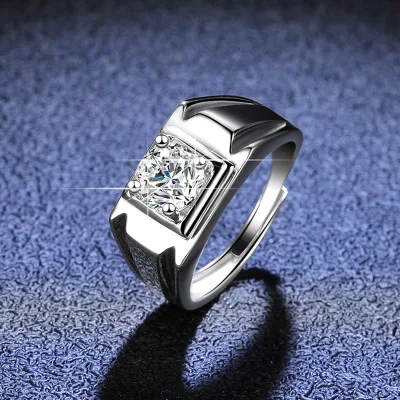
The product range also encompasses specific fabrication techniques such as "Gem Mounting," suggesting that many of these rings are designed to hold stones or other inlays. The product type is frequently categorized as "Inlaid Ring" or "Cocktail Ring," indicating that the design often features prominent decorative elements. The "Round" shape is a dominant attribute observed in the inventory, though other forms like the "Heart" pendant shape appear in related product lines, suggesting versatility in the supplier's capabilities. The "Exquisite Engraved Patterns" and "Laser Engraving Logo" capabilities further highlight the precision required in the manufacturing process, moving beyond simple casting into detailed finishing work.
Technical Specifications and Customization Parameters
When evaluating technical specifications, buyers must look beyond the generic "925 silver" label to the specific model numbers and dimensional constraints provided in the product data. The observed inventory includes a wide array of model identifiers, such as RS2990, RS1274, RS0448, RS2755, RS9499, N10906, R22688, R22424, R22446, R22817, R22556, R22798, MS333-335, and MS321-323. These alphanumeric codes serve as unique fingerprints for specific designs, allowing for precise ordering and inventory management. The presence of these distinct models suggests a high degree of variety in the supplier's catalog, ranging from simple bands to complex cocktail rings.
Size specifications are a critical technical parameter that varies significantly across the product line. The data explicitly lists sizes such as 6# and 7#, indicating that the supplier offers a range of ring sizes. However, the absence of a comprehensive size chart in the provided facts means that buyers must verify the full range of available sizes (e.g., 5# to 9# or international sizing equivalents) before placing an order. The "Customized" standard for product specifications further implies that sizing and dimensions can be tailored to specific market requirements, a feature that is particularly valuable for brands targeting niche demographics.
Customization is a central pillar of the product offering. The attribute "Customization: Available" is explicitly noted, and the "Customized Service" feature reinforces this capability. This extends to the "Customized Package" options, which include standard OPP bags, PVC bags, and more premium packaging like "OPP Bag Paper Case." The ability to customize packaging is a significant logistical advantage for B2B buyers looking to enhance their brand presentation. Furthermore, the "Laser Engraving Logo" capability allows for direct branding on the product itself, adding a layer of value for retailers and corporate gift buyers. The "MABERY JEWELRY" standard mentioned in the data suggests that some suppliers may operate under specific brand standards or proprietary quality frameworks, which buyers should investigate to ensure alignment with their own quality expectations.
Cost Drivers and Pricing Dynamics in the Silver Market
The pricing structure for 925 silver electroplated rings is influenced by a complex interplay of material costs, labor intensity, and customization levels. The observed price range in the market spans from $0.20 to $24.20 USD. This wide variance indicates that the final cost is not determined solely by the weight of the silver but heavily by the design complexity, the type of plating used, and the extent of customization. Lower-priced items in the $0.20 to $1.00 range likely represent simple bands with minimal plating or standard packaging, while the higher end of the spectrum, approaching $24.20, likely corresponds to intricate cocktail rings with heavy gem mounting, multi-layer plating, and premium custom packaging.
The "Cost-Effective" feature listed in the product attributes suggests that these items are positioned as value-driven solutions, yet the upper price point indicates that premium versions exist. Buyers must analyze the cost drivers associated with the "Electroplating" process. The choice between gold, rhodium, and silver plating will significantly impact the unit cost, as gold and rhodium are generally more expensive materials than silver plating. Additionally, the "Gem Mounting" process adds labor costs, particularly if the stones are high-quality or if the setting requires intricate hand-finishing.
Minimum Order Quantity (MOQ) is another critical factor affecting the total cost of procurement. The observed MOQ range is between 10 and 2000 units. This flexibility allows buyers to scale their orders based on their specific needs, from small test batches of 10 units to large-scale production runs of 2000 units. However, the high-end MOQ of 2000 units may present a barrier for smaller retailers or startups. Buyers should negotiate MOQs based on the complexity of the design; simpler models may support lower MOQs, while highly customized items with laser engraving or specific packaging requirements may necessitate higher volume commitments to justify the setup costs. The "Customized Service" feature often implies a tiered pricing model where the unit price decreases as the order volume increases, a standard economic principle in manufacturing that buyers should leverage during negotiations.
Compliance, Certification, and Quality Verification Protocols
Ensuring compliance and verifying quality are paramount when sourcing jewelry, particularly items involving precious metals and electroplating. While the supplied data does not list specific third-party certifications, the mention of "Customized" standards and the "MABERY JEWELRY" standard indicates that suppliers may adhere to internal or brand-specific quality frameworks. Buyers must proactively request documentation to verify that the "925 Sterling Silver" claim is backed by independent assay results or hallmarks recognized in the target market, such as the UK Hallmark or the US 925 stamp.
The electroplating process introduces specific compliance considerations regarding heavy metals and chemical usage. Buyers should verify that the plating materials used (Gold, Rhodium, Silver) comply with international safety standards, such as REACH in Europe or CPSIA in the United States, particularly regarding nickel content and lead levels. Although the data mentions "Rhodium" and "Gold" plating, it does not confirm the absence of allergens. Therefore, a critical step in the supplier evaluation process is to request a Material Safety Data Sheet (MSDS) or a RoHS compliance report to ensure the finished product is safe for skin contact, especially for products marketed to "Female, Children" as indicated in the "Suitable for" attribute.
Quality control protocols should be established to verify the durability of the electroplating. The "Electroplating" process can be susceptible to wear and tarnish over time if the plating thickness is insufficient. Buyers should request test results for salt spray testing or wear resistance to ensure the plating will not peel or discolor prematurely. The "Exquisite Engraved Patterns" and "Laser Engraving Logo" capabilities require visual inspection to ensure precision and clarity. A robust quality control plan should include random sampling from the production batch to check for consistency in the "Round" shape, the integrity of the "Gem Mounting," and the accuracy of the "Customized Package" labeling.
Typical Applications and Market Segmentation
The versatility of 925 silver electroplated rings allows them to serve a wide range of applications and market segments. The "Usage" attributes explicitly list "Wedding," "Decoration," and "Gift," highlighting the product's suitability for significant life events and personal adornment. The "Fashion" and "Elegant" styles suggest a strong appeal to consumers seeking trendy yet sophisticated accessories. The "Simple" and "Cute" styles further expand the market reach to include younger demographics or those preferring minimalist designs.
The "Gender" attribute, listing "Female" and "Unisex," indicates that these rings are designed to be inclusive, catering to a broad audience. The specific mention of "Children" in the "Suitable for" attribute opens up a niche market for children's jewelry, which requires extra attention to safety and sizing. The "Heart" pendant shape and "Round" ring designs are particularly popular for romantic occasions, making them ideal for Valentine's Day, anniversaries, and wedding favors. The "Decoration" usage also points to potential applications in interior design or event styling, where rings might be used as props or part of larger decorative arrangements.
The "Cocktail Ring" and "Prime Ring" types suggest a focus on statement pieces that are meant to be noticed. These items are often used for evening wear or special occasions where bold fashion choices are appreciated. The "Inlaid Ring" category implies a focus on jewelry that incorporates stones or other materials, appealing to buyers looking for a touch of luxury or color. The "Customized Package" option makes these products highly suitable for corporate gifting, where branding and presentation are as important as the product itself. The "Cost-Effective" nature of the product makes it an attractive option for bulk purchasing for events, promotional campaigns, or retail chains looking to offer affordable yet stylish jewelry.
Supplier Evaluation and Long-Term Procurement Strategy
Selecting the right supplier for 925 silver electroplated rings requires a rigorous evaluation process that goes beyond price and product specifications. The "prod_origin: China" fact indicates that the majority of these products are manufactured in China, a major hub for jewelry production. Buyers should assess the supplier's capacity to handle the "Customized Service" requirements, including their ability to manage "Laser Engraving Logo" and "Customized Package" orders efficiently. The "MOQ" range of 10 to 2000 suggests that suppliers are flexible, but buyers must ensure that the supplier can maintain quality consistency across different order sizes.
Long-term procurement considerations should focus on the supplier's ability to innovate and adapt to market trends. The "Fashion" and "Elegant" styles indicate that the market is dynamic, and suppliers must be able to update their designs regularly. The "Customized" standard for product specifications suggests that suppliers are willing to collaborate on new designs, which is a valuable trait for brands looking to differentiate themselves. Buyers should also consider the supplier's logistics capabilities, including lead times and shipping reliability, to ensure that inventory levels are maintained without disruption.
To mitigate risks, buyers should establish a clear communication channel with the supplier regarding quality expectations and compliance requirements. Regular audits or third-party inspections may be necessary to ensure that the "925 Sterling Silver" and "Electroplating" standards are consistently met. The "MABERY JEWELRY" standard mentioned in the data could serve as a benchmark for quality, but buyers should verify if this standard is applicable to their specific order or if it is a proprietary standard of a specific supplier. Ultimately, a successful procurement strategy for 925 silver electroplated rings relies on a partnership with a supplier who understands the nuances of the material, the precision required for the fabrication processes, and the diverse needs of the end consumers.
Comparative Analysis of Product Attributes and Procurement Factors
| Attribute Category | Observed Fact | Procurement Implication |
|---|---|---|
| Material | 925 Sterling Silver | Verify hallmarking and assay reports to confirm purity. |
| Process | Electroplating, Gem Mounting | Request plating thickness specs and wear resistance test data. |
| Style | Fashion, Simple, Elegant, Cute | Align product selection with target demographic preferences. |
| Usage | Wedding, Decoration, Gift | Prioritize packaging customization for gifting scenarios. |
| Gender | Female, Unisex, Children | Ensure sizing and safety compliance for all target groups. |
| Customization | Available, Customized Service | Negotiate MOQs and setup costs for bespoke orders. |
| Origin | China | Factor in logistics lead times and potential trade tariffs. |
| Packing | OPP Bag, PVC Bag, Paper Case | Evaluate packaging costs and brand alignment. |
| Price Range | $0.20 - $24.20 USD | Analyze cost drivers to negotiate better unit pricing. |
| MOQ | 10 - 2000 Units | Balance inventory risk with volume discounts. |
This comparative analysis underscores the need for a nuanced approach to sourcing. The wide range of attributes and the high degree of customization available mean that buyers must be specific in their requirements to avoid misunderstandings. By focusing on the technical specifications, compliance checks, and supplier capabilities outlined in this guide, buyers can navigate the complex landscape of 925 Silver Electroplated Ring procurement with confidence and precision.
FAQs
What customization options are available for 925 silver electroplated rings?
Customization is available for these rings, including custom packaging and laser engraving. Buyers can choose from OPP bags, PVC bags, or paper cases, and request specific logos engraved on the product.
Which plating finishes can be applied to 925 silver electroplated rings?
The rings support Gold, Rhodium, and Silver plating finishes. These options allow buyers to select between classic yellow tones, bright white finishes, or enhanced durability depending on the specific design requirements.
How do MOQ values vary for 925 Silver Electroplated Ring orders?
Minimum Order Quantities range from 10 to 2000 units depending on the specific model and customization level. Simple designs may support lower MOQs, while highly customized items often require higher volume commitments.
Can 925 silver electroplated rings be sourced from China?
Yes, the products originate from China, which is a major hub for jewelry manufacturing. Buyers should verify specific supplier locations and lead times when placing orders for these items.
What types of rings are included in the 925 silver electroplated collection?
The collection includes Inlaid Rings, Cocktail Rings, and Prime Rings with various shapes like Round and Heart. These designs cater to wedding, decoration, and gift usage for female and unisex markets.
Which product models are available for 925 silver electroplated rings?
Available models include RS2990, RS1274, RS0448, RS2755, RS9499, N10906, R22688, and MS333-335. These alphanumeric codes represent unique designs ranging from simple bands to intricate cocktail rings.