Source A-Line Embroidery Islamic Abaya for daily wear, events, and travel
Explore 30 listings for A-Line Embroidery Islamic Abaya featuring polyester and linen materials with long sleeve styles. Buyers can compare prices ranging from 6.7 to 26.51 USD and MOQs from 1 to 500 pieces across various designs and colors.
Key considerations
Products List
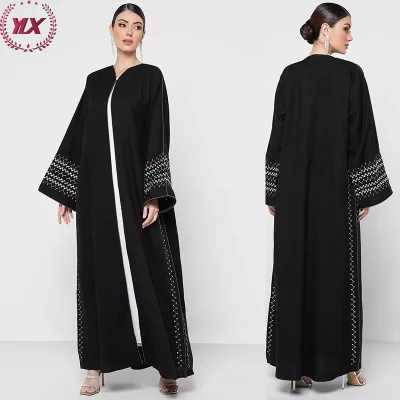
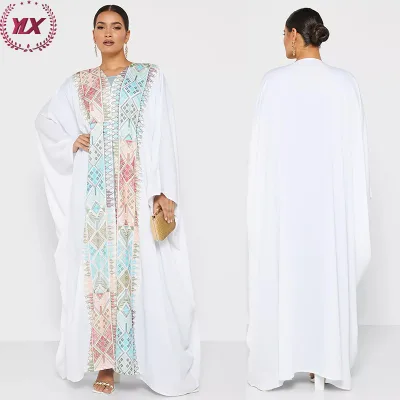
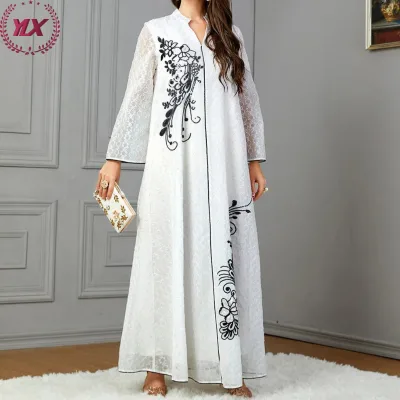
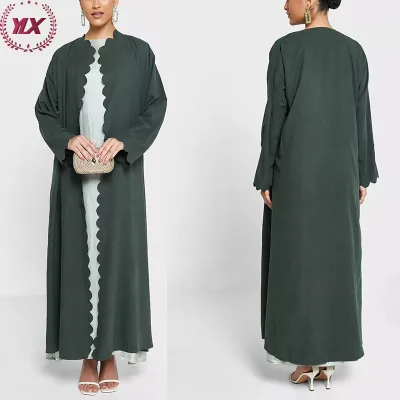
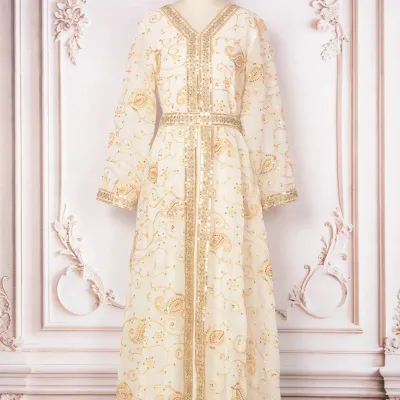
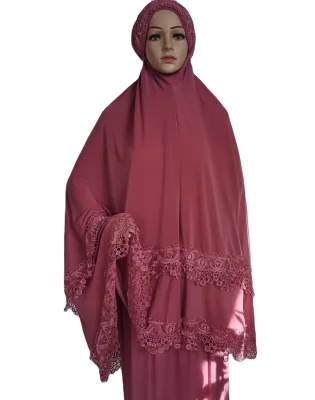
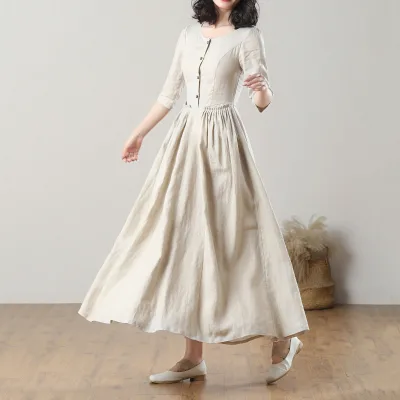


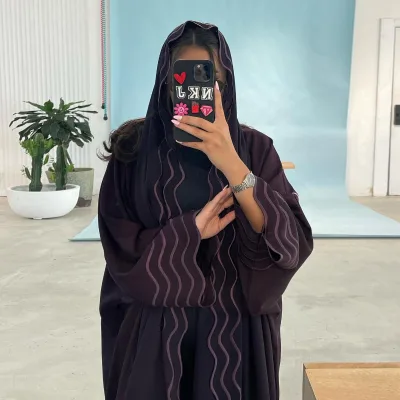
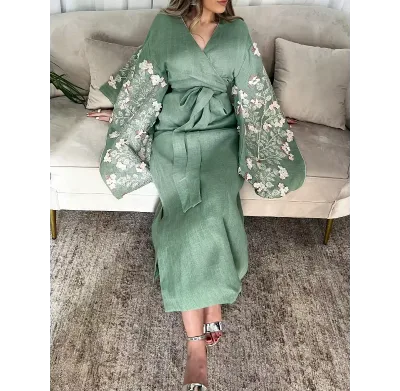
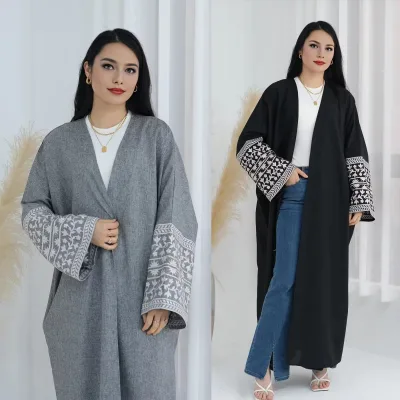
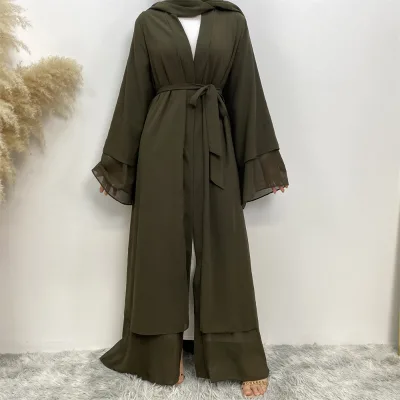
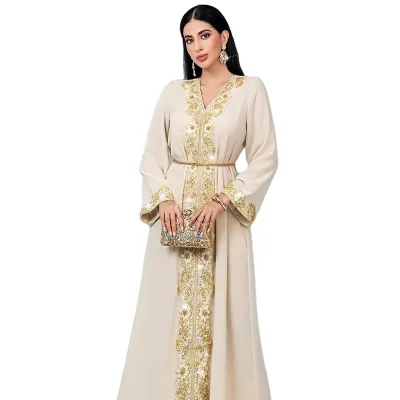
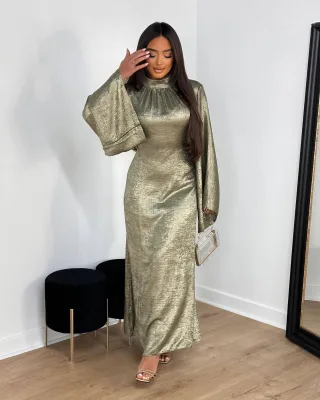
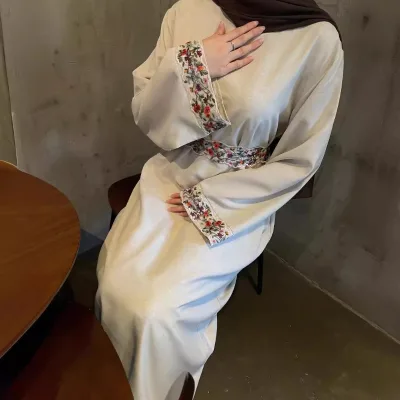
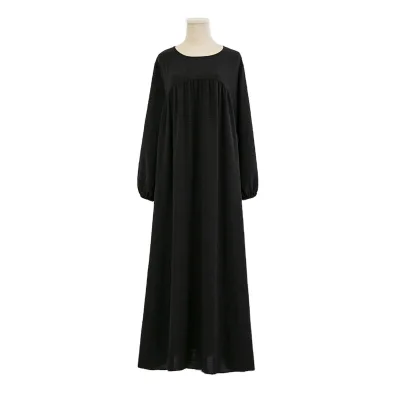
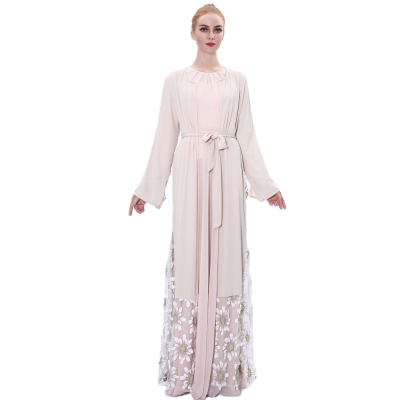
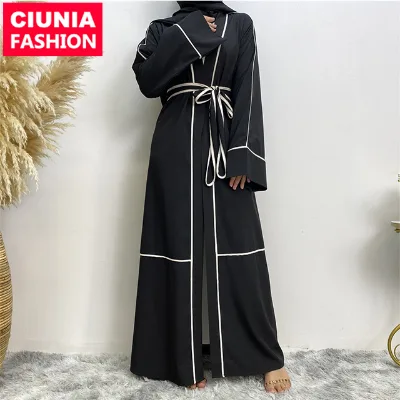

Newest Abaya Muslim Custom Clothing Stylish Large Moderate Embroidery Abaya
$13.30 - $14.00
MOQ: 10 Pieces


New Arrival High Quality Fabric Embroidery Abaya Elegant Muslim Dress Modest Abaya
$13.50 - $16.00
MOQ: 10 Pieces


Comprehensive Sourcing Guide
Strategic Sourcing Guide for A-Line Embroidery Islamic Abayas
Understanding Product Specifications and Variations
The procurement of A-line embroidery Islamic abayas requires a precise understanding of the technical attributes that define this specific garment category. Based on the available market data, the core product is identified as a "Muslim Abaya Dress" designed primarily for women and adults. The silhouette is consistently described as "A-Line," which provides a flattering, flowing fit that is distinct from more structured or boxy cuts. This shape is often paired with "Long Sleeve" styles, ensuring coverage that aligns with modest fashion requirements.
Material composition is a critical variable in this sector. The observed inventory includes garments made from "Polyester" as well as "Linen." Polyester offers durability and ease of maintenance, while linen provides breathability, making it suitable for warmer climates or specific seasonal needs. The "4 Season" attribute suggests that many suppliers design these garments to be versatile across different weather conditions, though the specific weight and weave of the fabric will determine the actual thermal properties.
The embroidery aspect is a defining feature of the "A-Line Embroidery Islamic Abaya." The technical execution of this design is noted through attributes such as "Embroidery," "Applique," and "Embossed" printing methods. Buyers must distinguish between products where embroidery is a primary structural element versus those where it serves as an embellishment alongside other features like "Crystal," "Lace," "Beading," and "Flowers." The "Newest Printed" and "Solid" pattern types indicate a market that balances traditional solid colors with contemporary decorative trends. Furthermore, the "O-Neck" neckline is a common specification, though the presence of a "Built-in Bra" is explicitly noted as "No" in several listings, requiring buyers to consider undergarment compatibility during the sizing process.
Compliance, Certification, and Ethical Verification
When sourcing Islamic abayas, particularly those originating from major manufacturing hubs like China, compliance and ethical verification are paramount. The "Place of Origin" is frequently listed as "China," with specific regions like "Anhui" identified. While the "Ethnic Region" is categorized as "Islam," this denotes the cultural and religious alignment of the product rather than a specific manufacturing certification.
Buyers must not assume that a product labeled as "Muslim Abaya Designs" automatically carries specific religious or ethical certifications. The supply chain for these garments often involves "ODM" (Original Design Manufacturer) capabilities, meaning designs can be customized. This flexibility requires rigorous due diligence regarding labor standards and material sourcing. Buyers should verify if the supplier adheres to international labor standards, as the "In-Stock Items" and "ODM" supply types suggest a mix of ready-to-ship and made-to-order production models.
Regarding material safety, the use of "Polyester" and "Linen" necessitates checks for chemical residues, especially if the fabric is treated with "Digital Print," "Foil Print," or "Glitter Print" methods. These printing techniques can involve various chemical agents. While the provided data does not list specific test results or certification numbers, buyers should request third-party lab reports confirming that the materials meet the safety standards of their target market, such as REACH in Europe or CPSIA in the United States. The "Feature: Durable" attribute suggests a focus on longevity, but durability does not equate to safety compliance. Therefore, verification of the "Customized Designs" and "Customized Packing" processes is essential to ensure that no non-compliant materials are introduced during the customization phase.
Cost Drivers and Pricing Dynamics
The pricing structure for A-line embroidery Islamic abayas is influenced by several dynamic factors, including material choice, complexity of embellishment, and order volume. The observed listed price range in the market spans from 6.7 to 26.51 USD. This wide variance indicates that the final cost is heavily dependent on the specific attributes selected by the buyer.
The primary cost driver is the material. Linen garments typically command a higher price point than polyester equivalents due to the raw material cost and the more labor-intensive processing required. Additionally, the complexity of the "Embroidery" and "Applique" work significantly impacts the unit price. Products featuring "Crystal," "Beading," and "Flowers" as embellishments require more manual labor and higher-quality components, pushing the price toward the upper end of the observed range. Conversely, items with "Embossed" or "Digital Print" patterns may be more cost-effective, especially when produced in larger volumes.
Order volume is another critical determinant of cost. The "MOQ" (Minimum Order Quantity) varies significantly, with observed ranges from 1 to 500 units. Some suppliers offer a low entry point with an MOQ of 50 pieces, while others may have higher thresholds or offer "In-Stock Items" with no minimum. The "Single package size" of 8x8x8 cm to 10x10x10 cm and a "Single gross weight" of 1.000 kg per unit also influence logistics costs. Buyers should calculate the total landed cost, including shipping, by considering the density of the packaging. The "7 days sample order lead time" support suggests that suppliers are agile, but sample costs can be higher than bulk unit prices. Understanding these variables allows buyers to negotiate effectively and align their budget with the desired quality level.
Typical Applications and Usage Scenarios
The A-line embroidery Islamic abaya is designed for a broad spectrum of daily applications, primarily centered around "Daily Wear" and "Daily Protection." The "Occasion: Daily" attribute confirms that these garments are intended for everyday use rather than exclusive ceremonial events, although the "Fashionable" style and "Newest Printed" patterns make them suitable for social gatherings.
The "4 Season" designation implies versatility, allowing the garment to be worn year-round. However, the specific application depends on the material. Linen abayas are ideal for summer or warmer climates due to their breathability, while polyester options may be preferred for cooler weather or as a base layer. The "Long Sleeve" design and "A-Line" silhouette provide modest coverage suitable for various cultural and religious contexts, making them appropriate for both home wear and public outings.
In a B2B context, these abayas are often sourced for retail chains, modest fashion boutiques, and e-commerce platforms targeting the Muslim demographic. The "Keyword: muslim daily dress" highlights their utility as a staple item in a wardrobe. The "Customized Designs" capability allows retailers to brand these garments with their own logos or specific design elements, catering to niche markets. The "Garment" usage classification further underscores their role as a fundamental clothing item rather than a costume or specialized uniform. Buyers should consider the "Sleeve Length" and "Neckline" when planning their product mix to ensure it meets the diverse needs of their customer base.
Supplier Evaluation and Selection Criteria
Selecting the right supplier for A-line embroidery Islamic abayas requires a multi-faceted evaluation strategy. The market data indicates a mix of suppliers offering "In-Stock Items" and those specializing in "ODM" services. Buyers should prioritize suppliers who demonstrate transparency in their "Place of Origin" and can provide clear documentation regarding their manufacturing processes.
Key evaluation criteria include the supplier's ability to handle "Customized Designs" and "Customized Packing." This flexibility is crucial for brands looking to differentiate their products. The "7 days sample order lead time" is a positive indicator of operational efficiency, suggesting that the supplier can respond quickly to design changes and quality checks. However, buyers must verify the consistency of this lead time during peak seasons.
The "Technic" and "Technics" attributes, such as "Embroidery," "Applique," and "Embroidered," should be verified through physical samples. The quality of the stitching, the alignment of the embroidery, and the durability of the embellishments like "Crystal" and "Lace" are critical differentiators. Suppliers offering a range of colors, from "Black," "White," and "Green" to a broader spectrum of "1,2,3,4,5,6" options, provide greater flexibility for inventory planning.
Additionally, the "Feature: Durable" claim should be validated through stress testing and wear trials. Buyers should request references or case studies from other clients to assess the supplier's reliability. The "Supply Type" being "ODM" suggests a partnership model where the supplier acts as a design partner; therefore, communication and intellectual property protection are vital. Suppliers with a history of "Customized Packing" are better equipped to handle branding requirements, which is essential for private label operations.
Quality Control and Long-Term Procurement Strategy
Maintaining high quality in A-line embroidery Islamic abayas requires a robust quality control (QC) framework. Given the intricate nature of "Embroidery" and "Applique," visual inspection is paramount. Buyers should establish clear acceptance criteria for defects such as loose threads, misaligned patterns, or damaged embellishments. The "Single gross weight" of 1.000 kg per unit provides a baseline for checking packaging consistency, ensuring that the product arrives in good condition.
For long-term procurement, building a relationship with suppliers who offer "ODM" capabilities is advantageous. This allows for continuous product iteration and adaptation to changing fashion trends, such as the "Newest Printed" styles observed in the market. The "Model Number: AB0084" serves as a specific identifier for tracking, but buyers should ensure that their internal SKU system aligns with the supplier's numbering to avoid confusion.
Sustainability is an emerging consideration in the garment industry. While the provided data does not explicitly mention eco-friendly certifications, buyers should inquire about the environmental impact of the "Polyester" and "Linen" sourcing. The "Digital Print" and "Foil Print" methods may have varying environmental footprints, and understanding these processes can help in making informed decisions.
Finally, the "MOQ" of 50 pieces for some suppliers offers a manageable entry point for new buyers, allowing for market testing without excessive inventory risk. However, for established brands, negotiating lower unit costs through higher volume orders is a standard strategy. The "Single package size" and "7 days sample order lead time" support a responsive supply chain, which is essential for managing seasonal fluctuations and minimizing stockouts. By integrating these quality control measures and strategic considerations, buyers can ensure a steady supply of high-quality A-line embroidery Islamic abayas that meet both functional and aesthetic standards.
FAQs
What materials are used for A-Line Embroidery Islamic Abaya?
These garments are primarily made from polyester or linen. Polyester offers durability and ease of maintenance, while linen provides breathability suitable for warmer climates. The specific material choice affects the garment's weight and seasonal versatility.
Can I order samples for A-Line Embroidery Islamic Abaya quickly?
Yes, suppliers support sample orders with a lead time of 7 days. This allows buyers to verify quality and design details before committing to bulk production. Sample costs may differ from bulk unit prices.
Which embroidery techniques are common for A-Line Embroidery Islamic Abaya?
Common techniques include embroidery, applique, and embossed printing methods. Embellishments often feature crystal, lace, beading, and flowers alongside the primary design. These details define the aesthetic and quality of the final garment.
What is the typical MOQ for A-Line Embroidery Islamic Abaya?
The minimum order quantity varies from 1 to 500 pieces depending on the supplier. Some vendors offer a low entry point of 50 pieces for new buyers. In-stock items may have different thresholds than custom orders.
How does the price range vary for A-Line Embroidery Islamic Abaya?
Listed prices range from 6.7 to 26.51 USD based on material and complexity. Linen garments and those with extensive embellishments typically cost more than polyester options. Order volume also significantly influences the final unit price.
Where are A-Line Embroidery Islamic Abaya manufacturers located?
Most products originate from China, with specific regions like Anhui identified in listings. Buyers should verify the exact place of origin to ensure compliance with local labor and material standards. This location impacts shipping logistics and lead times.
Can I request customized designs for A-Line Embroidery Islamic Abaya?
Yes, many suppliers offer ODM services with customized designs and packing options. This flexibility allows retailers to brand garments with their own logos or specific elements. Buyers must ensure intellectual property protection during the customization process.