Source Traditional Chinese Pink Wedding Dress for Brides
Explore 24 listings for a Traditional Chinese Pink Wedding Dress, featuring styles like mermaid and A-line silhouettes. Compare options in satin, organza, and polyester blends, with customization and OEM support available for various sizes and seasons; compare the available evidence and request quotations based on your requirements.
Key considerations
Products List


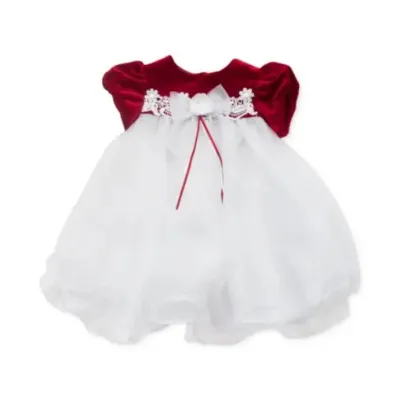


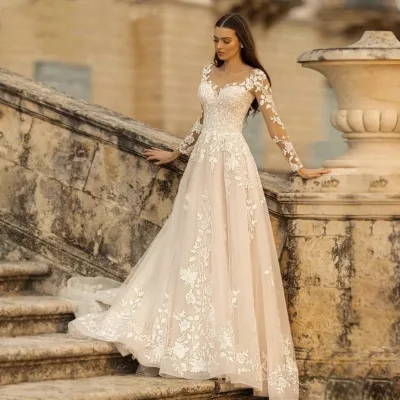
Comprehensive Sourcing Guide
Traditional Chinese Pink Wedding Dress Sourcing Guide
Sourcing traditional Chinese pink wedding dresses requires a nuanced understanding of cultural symbolism, modern textile innovations, and the specific manufacturing capabilities of suppliers in China. The color pink, often associated with romance, youth, and good fortune in Chinese culture, offers a contemporary alternative to the traditional red, appealing to brides seeking a blend of heritage and modern aesthetics. Buyers must navigate a market where "traditional" can range from authentic Hanfu or Qipao-inspired silhouettes to Western-style gowns with Chinese embroidery motifs. The core challenge lies in distinguishing between mass-produced fast fashion items and garments that genuinely reflect the intricate craftsmanship expected in bridal wear. Procurement teams need to establish clear definitions of "traditional" early in the sourcing process to avoid miscommunication with factories that may default to generic designs.
Furthermore, the supply chain for these specialized garments is heavily concentrated in specific manufacturing hubs, particularly in China, where skilled labor for embroidery and complex pattern making is abundant. Buyers should recognize that the term "pink" can vary significantly in shade, from soft blush to vibrant magenta, which impacts fabric dyeing processes and cost. The observed market data indicates a wide range of product models, from full-length mermaid styles to A-line skirts, suggesting that suppliers often offer customizable templates rather than fixed traditional designs. This flexibility allows for personalization but requires rigorous quality control to ensure that the final product meets the bride’s expectations for fit and finish. Understanding these market dynamics is crucial for developing a sourcing strategy that balances cultural authenticity with commercial viability.
Product Scope and Observed Listing Signals
The current market landscape for traditional Chinese pink wedding dresses reveals a diverse array of product attributes that buyers must carefully evaluate. Observed listings show a price range of $3.08 to $369 USD, indicating a significant disparity in quality, material, and embellishment complexity. Lower-priced items often utilize synthetic fabrics like polyester or satin with basic lace embellishments, while higher-priced options may feature premium materials such as organza or silk blends with intricate beadwork. The presence of models like "Wedding Bridal Dress-036X" and "Bridesmaid Dresses-031H" suggests that suppliers often categorize these items under broader bridal collections rather than strictly traditional Chinese wear. Buyers should scrutinize product descriptions for specific mentions of traditional elements, such as dragon and phoenix embroidery or mandarin collars, to ensure alignment with their cultural requirements.
Additionally, the observed data highlights variations in dress styles, including strapless, sleeveless, and short-sleeve options, which may not align with traditional modesty standards often associated with Chinese wedding attire. The "Double Layer" construction and "Mermaid" or "A-Line" silhouettes are common in modern bridal wear but may require adaptation to achieve a traditional look. The "Customization" attribute being available is a critical signal, indicating that many suppliers are willing to modify standard designs to incorporate traditional Chinese elements. However, buyers must verify if these customizations are handled in-house or outsourced, as this impacts lead times and quality consistency. The "OEM" service availability further supports the potential for bespoke production, but it necessitates clear technical packs and detailed communication to avoid deviations from the intended traditional aesthetic.
Technical Specifications to Verify
Verifying technical specifications is paramount when sourcing traditional Chinese pink wedding dresses to ensure the final product meets both aesthetic and functional requirements. Buyers should prioritize the verification of fabric composition, as materials like satin, organza, and polyester blends offer different drapes, weights, and durability levels. The "Polyester/Cotton" blend observed in some listings may provide breathability and comfort, which is essential for long wedding ceremonies, while pure polyester options might offer better shape retention but less comfort. The "Washable" feature is a practical consideration, though many traditional bridal garments require dry cleaning due to delicate embellishments. Buyers must confirm the specific care instructions and fabric treatments to ensure the dress maintains its appearance and structural integrity throughout the wedding event and beyond.
Embellishment details, such as lace, bows, and floral patterns, are critical components that define the traditional Chinese aesthetic. The "Lace" and "Bows" embellishments observed in listings like "Western Skirts-065B" may need to be replaced or augmented with traditional motifs like peonies, cranes, or cloud patterns to achieve authenticity. Buyers should request detailed sketches or samples of the embroidery and beadwork to verify the quality and placement of these elements. The "Full-Length" and "Mid-Calf" dress lengths observed indicate that buyers must specify the exact desired length to avoid alterations. Additionally, the "Strapless" and "Sleeveless" styles may require structural reinforcements, such as boning or internal corsetry, to ensure a secure fit, which is a technical aspect that must be verified during the sampling phase.
Compliance and Safety Documentation
Compliance and safety documentation are essential components of the sourcing process, particularly when dealing with garments that may come into direct contact with the skin for extended periods. Buyers must ensure that all fabrics and dyes used in the production of traditional Chinese pink wedding dresses comply with international safety standards, such as REACH in Europe or CPSIA in the United States, depending on the target market. The "Polyester" and "Satin" materials commonly used must be free from harmful substances like azo dyes, formaldehyde, and heavy metals. Buyers should request test reports from accredited laboratories to verify the chemical safety of the fabrics, especially given the vibrant pink color which may require specific dyeing processes. This due diligence helps mitigate risks associated with skin irritation or allergic reactions for the bride and wedding party.
Furthermore, labeling and packaging requirements must be strictly adhered to, ensuring that care labels are accurate and permanent. The observed "Polybag" and "Carton" packaging methods are standard, but buyers must verify that the packaging materials are environmentally compliant if sustainability is a brand value. The "Single Gross Wei" of 0.300kg for some items suggests lightweight construction, which may impact packaging density and shipping costs. Buyers should also check for compliance with flammability standards, particularly if the dress includes synthetic embellishments that may be more susceptible to ignition. Ensuring that all documentation is in order not only facilitates smooth customs clearance but also builds trust with end consumers who are increasingly conscious of product safety and ethical sourcing practices.
Cost Drivers and Commercial Terms
Understanding the cost drivers and commercial terms is crucial for budgeting and negotiating effectively in the sourcing of traditional Chinese pink wedding dresses. The observed MOQ of 10,000 units for some items indicates that large-scale production is required to achieve competitive pricing, which may be challenging for small boutiques or individual brides. However, the availability of "7 Days Sample Customization" and "OEM Service" suggests that suppliers are flexible with smaller orders, albeit at a higher unit cost. Buyers should anticipate higher costs for intricate embroidery, custom dyeing for specific pink shades, and complex pattern making required for traditional designs. The "Supply Ability" of 50,000 pieces per month indicates that suppliers have the capacity to handle large orders, but buyers must confirm if this capacity is dedicated to their project or shared among multiple clients.
Commercial terms such as payment methods, lead times, and shipping responsibilities must be clearly defined in the contract. The "Carton" packaging and "Polybag" individual packing are standard, but buyers should negotiate for protective packaging to prevent damage during transit, especially for delicate embellishments. The "Customized" standard implies that each order may have unique requirements, which can lead to variations in production time and cost. Buyers should request a detailed breakdown of costs, including material, labor, and overhead, to identify areas for potential savings. Additionally, understanding the supplier's return and refund policies for defective goods is essential, as traditional garments often involve significant customization that may limit return options. Clear communication of these terms helps prevent disputes and ensures a smooth procurement process.
Supplier Qualification and Quality Control
Supplier qualification and quality control are critical steps in ensuring the reliability and consistency of traditional Chinese pink wedding dresses. Buyers should conduct thorough due diligence on potential suppliers, verifying their business licenses, production facilities, and past performance in similar categories. The "OEM" and "OEM Service" attributes suggest that suppliers have experience in manufacturing for other brands, which is a positive indicator of their capability. However, buyers must visit the factory or hire a third-party inspection agency to assess the quality of their workmanship, particularly in areas like stitching, embroidery, and finishing. The "Double Layer" construction and "Mermaid" style require precise tailoring, and any deviations can significantly impact the final appearance and fit of the dress.
Quality control protocols should be established from the sampling stage through to final production. Buyers should request pre-production samples to verify the fabric, color, and embellishments against the agreed specifications. The "Breathable" and "Anti-Static" features observed in some listings are desirable qualities that should be tested during the sampling phase. During production, regular inspections should be conducted to monitor progress and identify any issues early. The "Single Item" selling unit suggests that orders may be processed individually, which requires meticulous attention to detail to ensure consistency across multiple units. Establishing a clear quality standard and communicating it effectively to the supplier is essential to avoid receiving subpar products that do not meet the bride's expectations.
Long-Term Procurement Checks
Long-term procurement checks are necessary to maintain a sustainable and efficient supply chain for traditional Chinese pink wedding dresses. Buyers should regularly review supplier performance metrics, including on-time delivery, quality consistency, and responsiveness to issues. The "Spring/Summer" and "Summer" season attributes indicate that demand may be seasonal, requiring buyers to plan inventory and production schedules accordingly. Building a strong relationship with suppliers can lead to better pricing, priority production, and access to new designs. Buyers should also stay informed about changes in trade regulations, material costs, and cultural trends that may impact the sourcing of these garments.
Additionally, buyers should consider diversifying their supplier base to mitigate risks associated with single-source dependency. The "China" origin of most observed products highlights the importance of understanding the local manufacturing ecosystem and potential geopolitical risks. Regular audits of supplier compliance with labor and environmental standards are essential to maintain brand integrity and avoid reputational damage. Buyers should also explore opportunities for innovation, such as incorporating sustainable materials or digital printing techniques, to differentiate their offerings in the market. By implementing robust long-term procurement strategies, buyers can ensure a steady supply of high-quality traditional Chinese pink wedding dresses that meet the evolving needs of their customers.
FAQs
Can I find a Traditional Chinese Pink Wedding Dress with lace embellishment?
Yes, lace embellishment is available on specific models like the Western Skirts-065B which features bows and a pink color option. These dresses are designed for evening or wedding occasions and come in A-Line styles suitable for the 18-25 age group. Customization is supported for these items to meet specific buyer requirements.
What materials are used for traditional chinese pink wedding dresses?
Materials include polyester, cotton blends, and satin depending on the specific model selected. For instance, some dresses use polyester or cotton blends while others feature satin fabrics. These materials ensure the dresses are washable and breathable, making them practical for summer or spring wedding events.
Which suppliers offer OEM services for traditional chinese pink wedding dresses?
OEM services are explicitly supported for these wedding dresses, allowing for custom branding and design adjustments. Suppliers provide this service alongside sample customization within seven days. This flexibility ensures that buyers can tailor the dresses to their specific needs while maintaining high-quality standards.
How is the Traditional Chinese Pink Wedding Dress packed for shipping?
Each dress is typically packed individually in a clear plastic bag or polybag to ensure protection during transit. For bulk orders, these individual packages are then placed into cartons. This packaging detail ensures the garments remain clean and undamaged until they reach the final destination.
Can I order a small quantity of traditional chinese pink wedding dresses?
Yes, you can order as few as one piece, though some models may have a minimum order quantity of 10,000 units. The supply ability allows for up to 50,000 pieces per month, ensuring flexibility for different order sizes. Buyers should verify the specific MOQ for their chosen model before placing an order.
What is the lead time for traditional chinese pink wedding dresses?
Lead times vary based on customization needs and order volume, with a monthly supply capacity of 50,000 pieces. While specific lead times are not listed, the high supply ability suggests efficient production cycles. Buyers should contact suppliers directly to confirm exact delivery schedules for their specific requirements.
Are traditional chinese pink wedding dresses suitable for summer weddings?
Yes, these dresses are explicitly designed for summer and spring seasons, featuring breathable and anti-static fabrics. The materials used ensure comfort in warm weather, making them ideal for outdoor or indoor summer wedding ceremonies. Buyers can select from various styles including strapless or sleeveless options.