Source Digital Print Floral Turban for Daily Wear, Events, Travel
Compare 30 Digital Print Floral Turban options from verified suppliers in Zhejiang. Buyers can evaluate materials like polyester and cotton, color variations, and customization services for women's casual and seasonal headwear needs; compare the available evidence and request quotations based on your requirements.
Key considerations
Products List
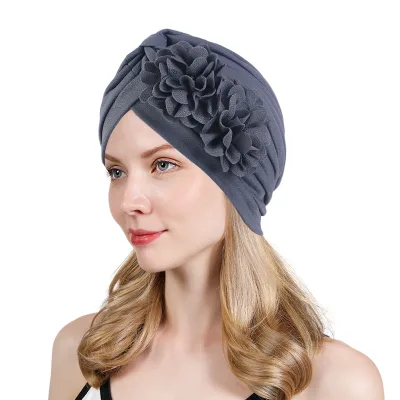
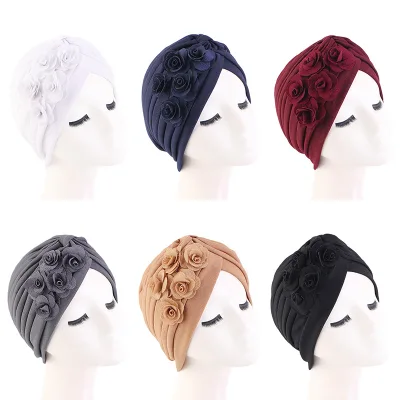
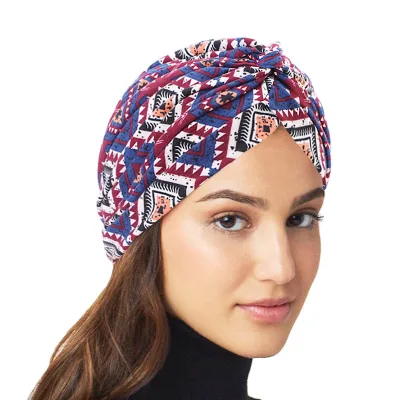
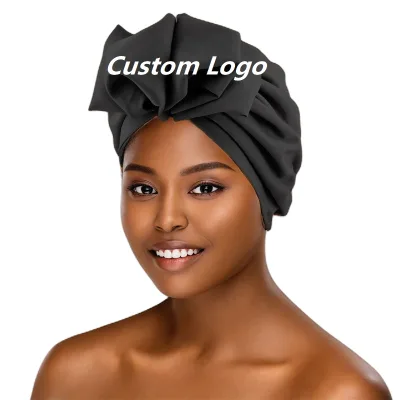


High Quality Modal Fabric Print Modal Hijab for Giving as a Gift to Someone
$1.80 - $2.50
MOQ: 100 Pieces

Fashion-Forward Breathable-Fabric Printed Voile Hijab for Fashion Styling
$1.80 - $2.20
MOQ: 20 Pieces


Malaysia Women Muslim Turban Large Size Shawl Printed Floral Cotton Hijab Scarf
$1.26 - $1.65
MOQ: 100 pieces


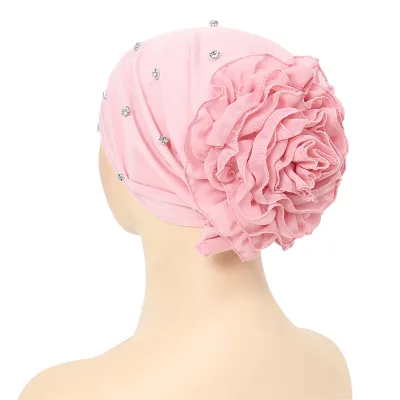



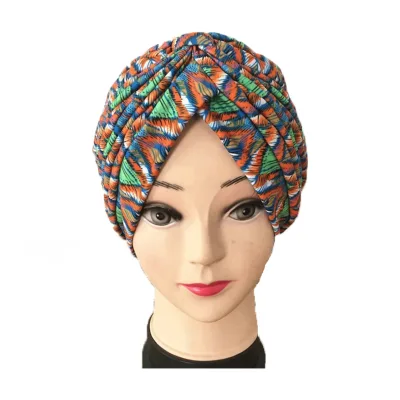
Factory Supplier Wholesale Solid Color High Quality Elastic Fashion Turban for Women
$1.15 - $1.30
MOQ: 3000 pieces


Women Flower Print Shawl Tropical Flora Print Head Wrap Beach Scarves Hijab
$2.32 - $2.42
MOQ: 200 Pieces
Comprehensive Sourcing Guide
Digital Print Floral Turban Sourcing Guide
Sourcing digital print floral turbans requires a nuanced understanding of how sublimation and digital printing techniques interact with various fabric bases to achieve vibrant, lasting patterns. Buyers must distinguish between products designed for casual daily wear and those intended for more specific fashion statements, as the construction and material choices significantly impact the final aesthetic and durability. The observed market signals indicate a strong preference for versatile, one-size-fits-most designs that cater to a broad demographic, emphasizing ease of use and universal appeal.
Procurement teams should focus on verifying the specific print method used by the supplier, as digital printing allows for complex floral motifs that screen printing cannot easily replicate. This technology supports a wide array of color options, from solid hues to intricate floral patterns, ensuring that the final product aligns with current fashion trends. Understanding these technical distinctions is crucial for maintaining brand consistency and meeting the diverse expectations of end consumers who seek both style and comfort in their headwear accessories.
Product Scope and Observed Listing Signals
The current market landscape for digital print floral turbans reveals a diverse range of product attributes, including materials such as polyester and cotton, which offer different tactile experiences and care requirements. Listings frequently highlight features like breathability and protection, suggesting that these items serve both functional and decorative purposes for women and girls across all seasons. The observed color palettes are extensive, ranging from classic black and white to vibrant floral prints, leopard patterns, and geometric designs, allowing buyers to curate collections that appeal to varied customer tastes.
Commercial signals indicate that suppliers often provide customization services, including OEM and ODM options, which are essential for brands looking to establish unique product identities. The typical packaging is simple, such as polybags or separate packs, which helps keep shipping costs low while protecting the item during transit. Buyers should note that while some listings mention specific model numbers and single package weights, the primary focus remains on the visual appeal and versatility of the floral designs, which are central to the product’s marketability.
Technical Specifications to Verify
When evaluating technical specifications, buyers must prioritize the accuracy of size and fit information, as many listings describe the product as "one size fits all" or "one size fits most." This generalization requires careful verification to ensure the turban accommodates different head circumferences without slipping or causing discomfort. Additionally, the weight of the product, often listed around 0.055 to 0.095 kg per unit, is a critical factor for logistics planning and cost estimation, influencing both shipping fees and the perceived value of the item.
Print quality and durability are paramount, so buyers should inquire about the specific printing methods employed, such as sublimation transfer or digital printing, which affect color fastness and pattern clarity. The standard dimensions of some products, like 180 * 70cm for related accessories, provide a benchmark for material usage, but buyers must confirm the exact dimensions for the turban itself. Verifying these details ensures that the product meets functional expectations and maintains its structural integrity after repeated use and washing, which is essential for customer satisfaction.
Compliance and Safety Documentation
Compliance with safety standards is a non-negotiable aspect of sourcing headwear, particularly when the product is marketed towards women and girls. Buyers should request documentation that verifies the materials used are free from harmful substances, ensuring they meet international safety regulations for textiles. Although specific certification statuses may vary by supplier, understanding the baseline requirements for fabric safety is crucial for mitigating legal risks and protecting brand reputation in competitive markets.
Documentation should also cover the origin of the materials and the manufacturing processes, providing transparency into the supply chain. Buyers must ensure that the supplier can provide evidence of adherence to relevant environmental and labor standards, which are increasingly important to conscious consumers. By prioritizing suppliers with robust compliance frameworks, buyers can reduce the likelihood of product recalls and enhance trust among their customer base, fostering long-term loyalty and brand integrity.
Cost Drivers and Commercial Terms
Cost drivers for digital print floral turbans include the complexity of the print design, the type of material used, and the volume of the order. Suppliers often offer tiered pricing based on quantity, with minimum order quantities (MOQ) typically starting at 12 pieces or higher, depending on the customization level required. Buyers should analyze these MOQs in relation to their inventory needs, balancing the desire for variety with the economic benefits of larger orders to achieve better unit costs.
Commercial terms such as payment methods, shipping options, and lead times also significantly impact the total cost of ownership. Common payment methods include Western Union, MoneyGram, and credit cards, while shipping is often handled via DHL, UPS, or FedEx for faster delivery. Buyers must negotiate clear lead times, which can range from a few days for standard items to several weeks for customized orders, to ensure timely delivery and avoid stockouts or excess inventory holding costs.
Supplier Qualification and Quality Control
Supplier qualification involves assessing the manufacturer’s capability to deliver consistent quality across large production runs. Buyers should verify the supplier’s experience with digital printing technologies and their ability to maintain color accuracy and pattern alignment. Requesting samples is a critical step in this process, allowing buyers to physically inspect the product for print quality, material feel, and overall construction before committing to a larger order.
Quality control measures should be clearly defined in the purchase agreement, including inspection protocols for defects such as misprints, loose threads, or uneven stitching. Buyers should establish clear criteria for acceptable quality levels and communicate these expectations to the supplier upfront. Implementing a robust quality control process helps minimize the risk of receiving substandard products, ensuring that the final goods meet the brand’s standards and customer expectations.
Long-Term Procurement Checks
Long-term procurement success depends on establishing a reliable supply chain that can adapt to changing market trends and consumer preferences. Buyers should regularly review supplier performance metrics, including on-time delivery rates, product quality consistency, and responsiveness to issues. Building strong relationships with suppliers can lead to better pricing, priority production slots, and collaborative innovation in design and material selection.
Continuous monitoring of market trends is essential for staying competitive, requiring buyers to stay informed about emerging styles, colors, and materials in the headwear sector. By maintaining a flexible procurement strategy, buyers can quickly respond to shifts in demand and introduce new products that resonate with their target audience. This proactive approach ensures that the brand remains relevant and appealing, driving sustained growth and profitability in the dynamic fashion accessories market.
FAQs
What materials are used for digital print floral turbans?
Digital print floral turbans are typically crafted from polyester or cotton fabrics. Polyester options offer durability and vibrant color retention through sublimation transfer printing. Cotton variants provide a softer, breathable feel suitable for daily wear. Both materials support custom digital printing patterns, allowing for diverse floral designs while maintaining structural integrity and comfort for the wearer.
Can I customize the pattern on a digital print turban?
Yes, customization is available for digital print turbans through OEM and ODM services. Buyers can request specific floral patterns or unique designs using digital printing methods. This service allows for tailored aesthetics to match brand identities or seasonal trends. Custom orders typically require meeting minimum quantity requirements and may involve specific lead times for production and quality assurance.
What is the typical lead time for ordering turbans?
Lead times generally range from within three days for standard items to seven to fifteen working days for customized orders. The duration depends on the production complexity, material availability, and shipping method selected. Buyers should confirm specific timelines with suppliers during the inquiry phase to ensure timely delivery for their specific business needs or seasonal requirements.
How are digital print turbans packaged for shipping?
Turbans are typically packaged in separate polybags or OPP bags to protect the printed surface. Each item is individually wrapped to prevent damage during transit. The single package size is compact, often around 5x5x3 cm or 2x2x1 cm, depending on the specific product model. This efficient packaging helps minimize shipping volume and costs while keeping the product clean and ready for retail display.
What is the minimum order quantity for these turbans?
The minimum order quantity varies by supplier but often starts at 12 pieces or up to 3000 units depending on the product line. Standard items may have lower MOQs, while customized designs might require higher volumes. Buyers should verify the specific MOQ with the supplier to align with their inventory needs and budget constraints for bulk purchasing.
Which shipping methods are available for international orders?
International orders can be shipped via DHL, UPS, FedEx, EMS, or sea freight. The choice depends on urgency, budget, and order volume. Express couriers like DHL and FedEx offer faster delivery for smaller batches, while sea freight is cost-effective for larger shipments. Suppliers typically handle logistics coordination to ensure safe and timely delivery to the buyer's destination.