Source A-Line Patchwork Evening Dress for Weddings, Galas, and Proms
Explore 30 verified listings for an a-line patchwork evening dress featuring diverse materials like polyester, satin, and chiffon. Buyers can compare customization options, sleeve styles, and MOQs ranging from 50 to 10,000 units across various designs including mermaid and loose fits.
Key considerations
Products List


Brown Satin Long A-Line Prom Dress, off The Shoulder Evening Party Dress
$32.50 - $40.00
MOQ: 2 Pieces

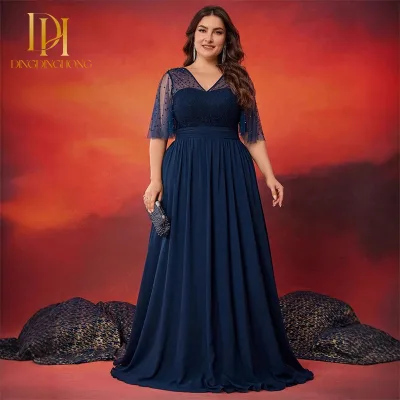


Flattering Sleeveless A-Line Dress for Summer Evenings with Floral Design
$15.90 - $18.90
MOQ: 100 pieces


Elegant Black Casual Long Sleeve off Shoulder Dress for Evening Events
$10.90 - $13.50
MOQ: 100 Pieces


Comprehensive Sourcing Guide
Strategic Sourcing Guide for A-Line Patchwork Evening Dresses
Understanding Product Architecture and Material Composition
When sourcing an a-line patchwork evening dress, the primary objective is to align the garment's structural design with the specific aesthetic and functional requirements of the target market. The "a-line" silhouette is defined by a fitted bodice that gradually widens from the waist to the hem, creating a shape reminiscent of the letter "A." This cut is universally flattering and is a staple in evening wear due to its ability to accommodate various body types while maintaining a formal appearance. The "patchwork" element introduces a layer of complexity, requiring the integration of multiple fabric pieces, potentially of different textures, colors, or patterns, into a cohesive design. This technique often involves sewing distinct fabric sections together, which demands high precision in cutting and assembly to ensure the seams are flat and the pattern alignment is seamless.
Based on observed market data, the material composition for such garments varies significantly. Buyers must verify the specific fabric content for each batch, as the supply chain offers a diverse range of options. Common materials identified in the sector include polyester, satin, chiffon, cotton, and sequin-embellished fabrics. For instance, a polyester base is frequently used for its durability and ease of care, while satin provides a luxurious sheen suitable for formal occasions. Chiffon is often selected for its flowy, lightweight nature, particularly in designs intended for spring or summer events. In some cases, the lining material is specified separately, such as polyester imitation cotton, which adds comfort and opacity to the final garment. The presence of embellishments like lace or beading further complicates the material selection, as these elements must be compatible with the base fabric to prevent damage during wear or cleaning.
The construction of a patchwork evening dress also involves specific technical considerations regarding the "dress layer." A double-layer construction is often observed in high-end evening wear to ensure the garment holds its shape and provides adequate coverage. This is particularly relevant for a-line dresses where the volume of the skirt is a key design feature. The "sleeve style" and "sleeve length" are equally critical; options range from strapless and sleeveless to short-sleeve variations. For an evening dress, strapless or sleeveless designs are common to highlight the neckline and shoulders, while short sleeves might be preferred for cooler climates or specific modesty requirements. The "waist type" is another defining characteristic; while a-line dresses typically feature a defined waist, low-waisted variations exist and require careful pattern drafting to maintain the intended silhouette.
Technical Specifications and Design Parameters
The technical specifications of an a-line patchwork evening dress serve as the blueprint for manufacturing and quality assurance. These parameters define the physical attributes of the product and must be clearly communicated to suppliers to avoid discrepancies. The "prod_model" identifier is essential for tracking specific designs, such as "One-Shoulder Dress-011W" or "Prom Chiffon Dress-055H," ensuring that the correct pattern and specifications are used during production. The "dress length" is a critical specification, with "full-length" and "long" being standard for evening wear, though "mini" variations exist for more casual or contemporary styles.
Design elements such as "style" and "design" play a pivotal role in the product's market positioning. Styles can range from "sexy" and "mermaid" to "loose" and "casual," though for evening wear, a balance between elegance and allure is typically sought. The "design" aspect often reflects cultural influences, with options like "Chinese" or "European" designs influencing the cut, embroidery, and overall aesthetic. The "pattern" is another vital specification; floral patterns are common, but solid colors like "white" or "multicolor" are also prevalent. The "color" specification must be precise, as patchwork designs rely on the contrast or harmony between different colored fabric pieces.
The "embellishment" details are crucial for evening dresses. Lace and beading are frequently used to add texture and visual interest to the patchwork sections. The "technology" employed in the manufacturing process, such as "hand sewing," can significantly impact the quality and cost of the garment. Hand-sewn embellishments often result in a higher level of detail and durability compared to machine-sewn alternatives, but they also require more time and skilled labor. The "chest cotton model" specification, such as "12#," indicates the type of padding or structure used in the bodice, which affects the fit and support of the dress.
Compliance, Certification, and Standard Verification
In the B2B procurement of evening wear, compliance and standard verification are non-negotiable aspects of the sourcing process. While specific certification statuses are not universally mandated for all products, buyers must verify that the supplier adheres to relevant safety and quality standards. The "prod_standard" for many evening dresses is listed as "customized," indicating that the product is made to order based on specific buyer requirements rather than a rigid industry standard. However, this does not exempt the product from general safety regulations regarding flammability, chemical content, and fiber labeling.
Buyers should request documentation regarding the "prod_packing" standards, which can vary from "OPP Bag" to "Each Packed in a Polybag" or "Custom" packaging. Proper packaging is essential for protecting the garment during transit, especially for delicate fabrics like chiffon or satin that are prone to wrinkling or snagging. The "prod_origin" is typically "China," a major hub for textile manufacturing, but buyers must ensure that the origin country's export regulations and labor laws are respected.
Regarding certifications, while the provided data does not list specific third-party certifications, buyers should inquire about compliance with international standards such as Oeko-Tex for chemical safety or ISO 9001 for quality management systems. The "standard" of "A piece of" suggests a focus on individual unit quality, but this should be backed by a formal quality control protocol. Buyers must verify that the materials used, including any "sequin" or "beading" components, meet safety standards for children's wear if the dress is intended for younger demographics, although the observed "age group" is typically "18-25 Years Old."
Cost Drivers and Pricing Dynamics
The pricing of an a-line patchwork evening dress is influenced by a complex interplay of factors, including material costs, labor intensity, and customization requirements. The observed price range in the market spans from $0.5 to $150, reflecting the vast diversity in product quality and complexity. Low-end products may utilize basic polyester and machine-sewn construction, while high-end pieces featuring hand-sewn beading, satin, or custom designs command premium prices.
The "MOQ" (Minimum Order Quantity) is a significant cost driver. Data indicates a wide range of MOQs, from as low as 1 to as high as 10,000 units. A higher MOQ often results in a lower unit cost due to economies of scale, but it requires a larger upfront investment and inventory management capacity. For buyers seeking customization, the MOQ may be higher, as seen in listings with an MOQ of 5,000 or 10,000. The "OEM" (Original Equipment Manufacturer) capability is a key factor; suppliers offering OEM services can produce custom designs, but this often comes with a higher MOQ and potentially higher per-unit costs due to the setup and engineering required.
Material selection also heavily impacts cost. Fabrics like satin and chiffon are generally more expensive than polyester or cotton. Embellishments such as lace and beading add significant labor costs, especially if "hand sewing" is required. The "process" of creating patchwork designs involves more cutting and sewing steps than a single-piece garment, increasing production time and cost. Buyers must balance their budget constraints with their design requirements, understanding that a "customized" standard often implies a higher price point than a standard, off-the-rack design.
Supplier Evaluation and Quality Control Protocols
Evaluating suppliers for a-line patchwork evening dresses requires a rigorous assessment of their capabilities, particularly regarding customization and quality control. The "Customization" attribute is widely available, but the extent of this capability varies. Buyers should verify the supplier's ability to handle complex designs, such as those involving "patchwork" and "embellishments." The "prod_model" diversity suggests that suppliers may have a range of existing patterns, but the ability to modify these for specific client needs is crucial.
Quality control (QC) is paramount in the evening wear sector, where defects in stitching, fabric alignment, or embellishment placement can render a garment unsellable. Buyers should implement a multi-stage QC process, including pre-production sample approval, in-line inspection during manufacturing, and final random inspection before shipment. The "prod_packing" method should be inspected to ensure the garment is protected from damage. For instance, "Each Packed in a Polybag" is a common standard, but for delicate items, additional protective measures may be necessary.
The "Age Group" specification, typically "18-25 Years Old," indicates the target demographic, but the quality of the garment must meet the expectations of this group. This includes checking for fabric integrity, color fastness, and the durability of embellishments. Suppliers with a history of producing "Prom Chiffon Dress" or "Long sequin Evening Gown" models may have more experience with the specific challenges of these designs. Buyers should request references or case studies from previous clients to verify the supplier's track record.
Typical Applications and Market Positioning
The a-line patchwork evening dress is versatile and suitable for a wide range of occasions, primarily "Party" and "Wedding" events. The "Season" attribute, often "Summer" or "Spring/Summer," suggests that these dresses are designed for warmer weather, utilizing breathable fabrics like chiffon and lightweight cotton. However, the "Style" can be adapted for different seasons; for example, a satin a-line dress might be suitable for winter events if paired with appropriate outerwear.
The "Occasion" dictates the design and material choices. For "Party" events, a "Sexy" or "Casual" style might be preferred, while "Wedding Bridal" dresses require a more formal and elegant approach. The "Design" element, whether "Chinese" or "European," influences the cultural appeal and market positioning. A European design might feature more classic silhouettes and subtle embellishments, while a Chinese design could incorporate traditional motifs and intricate embroidery.
The "Waist Type" and "Sleeve Style" also play a role in the dress's application. A "Low-Waisted" design might be more suitable for a modern, edgy party look, while a standard waistline is more appropriate for formal weddings. The "Dress Length" of "Full-Length" is standard for evening wear, but "Long" or "Mini" variations offer flexibility for different event types. Buyers should consider the specific needs of their target market when selecting the design parameters to ensure the product aligns with consumer expectations.
Long-Term Procurement Considerations and Sustainability
Sourcing an a-line patchwork evening dress is not just a one-time transaction but part of a long-term supply chain strategy. Buyers must consider the scalability of the supplier's operations, their ability to maintain consistent quality over time, and their responsiveness to market changes. The "OEM" capability is a key indicator of a supplier's flexibility, allowing buyers to adapt their product lines to changing trends without switching suppliers.
Sustainability is an increasingly important factor in the fashion industry. While the provided data does not explicitly mention eco-friendly materials, buyers should inquire about the supplier's practices regarding waste reduction, water usage, and chemical management. The "Material" composition, such as "Polyester" or "Cotton," has different environmental impacts, and buyers may prefer suppliers who use recycled or organic materials. The "Process" of "Hand Sewing" can be more sustainable than mass production if it reduces waste and energy consumption, but it also requires careful management to ensure efficiency.
The "prod_standard" of "customized" implies a need for close collaboration between the buyer and the supplier. Long-term relationships are built on trust and clear communication, ensuring that both parties understand the requirements and expectations. Buyers should establish clear contracts that outline quality standards, delivery timelines, and dispute resolution mechanisms. The "Location" of the supplier, typically "China," offers access to a vast network of manufacturers, but buyers must also consider logistics, lead times, and potential geopolitical risks.
In conclusion, sourcing an a-line patchwork evening dress requires a comprehensive understanding of the product's technical specifications, market positioning, and supply chain dynamics. By carefully evaluating suppliers, verifying quality standards, and considering long-term strategic factors, buyers can secure a reliable supply of high-quality evening wear that meets the demands of their target market. The complexity of the patchwork design and the variety of materials and styles available necessitate a meticulous approach to procurement, ensuring that the final product aligns with the buyer's brand identity and customer expectations.
FAQs
Can I customize the a-line patchwork evening dress design?
Yes, customization is available for this product category. Suppliers offer OEM services allowing buyers to modify styles, materials, and embellishments like lace or beading to meet specific brand requirements.
What is the minimum order quantity for these dresses?
The minimum order quantity varies significantly by supplier and specific model. Observed ranges span from 500 units for standard items up to 10,000 units for specialized bridal or custom designs.
Which materials are commonly used for these evening dresses?
Common materials include polyester, satin, chiffon, cotton, and sequin fabrics. The specific material depends on the style, such as using chiffon for prom dresses or satin for bridal gowns.
How are these dresses typically packed for shipment?
Packing methods vary from individual OPP bags to polybags or custom packaging solutions. Each item is often packed separately to protect delicate fabrics like chiffon or satin during transit.
What styles are available for a-line patchwork evening dresses?
Available styles include sexy, mermaid, loose, casual, and A-line silhouettes. Designs may feature one-shoulder cuts, strapless options, or specific patterns like floral or Chinese-inspired motifs.
Where are these dresses manufactured?
The primary manufacturing origin for these products is China. Buyers should verify specific factory locations and production capabilities when sourcing for large-scale orders or custom requirements.
Can I find dresses suitable for summer parties?
Yes, many options are designed specifically for summer and spring/summer occasions. These dresses often utilize breathable fabrics like chiffon and cotton to ensure comfort during warm-weather events.