Source Floor Length Loose Abaya for Daily Wear and Eid
Find 30 Floor Length Loose Abaya options for daily wear, Eid celebrations, and travel. Compare polyester and chiffon materials, solid and floral patterns, and various sizes from S to XL to match your sourcing needs; compare the available evidence and request quotations based on your requirements.
Key considerations
Products List
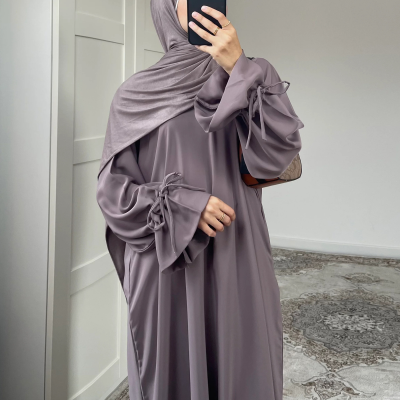
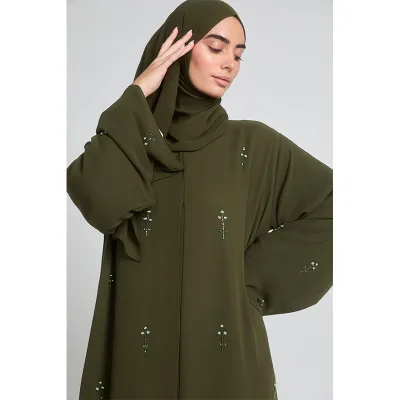
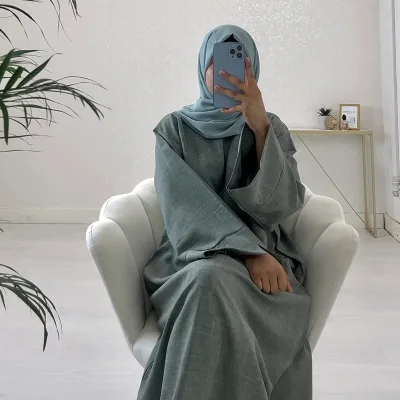
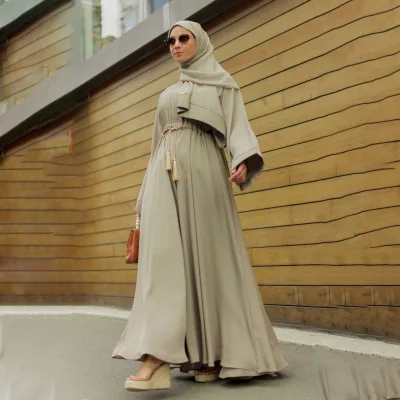
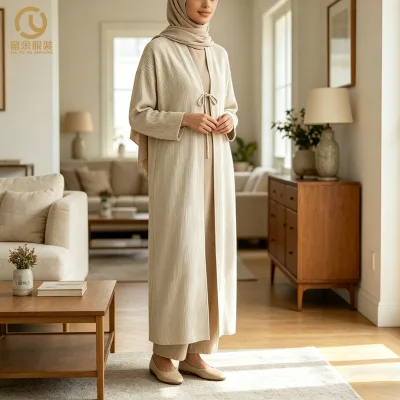
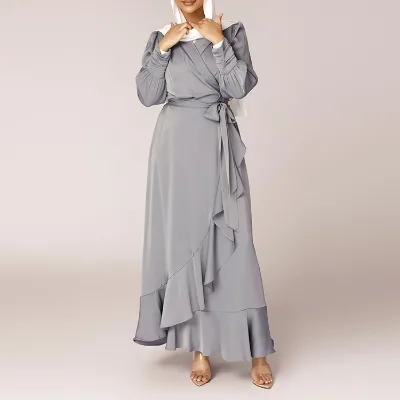
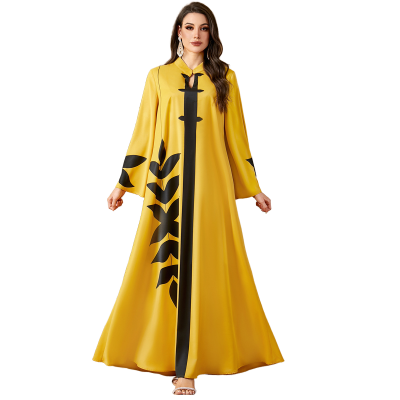
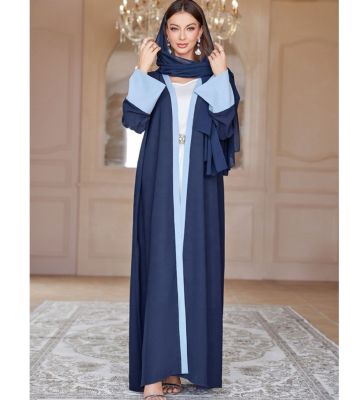


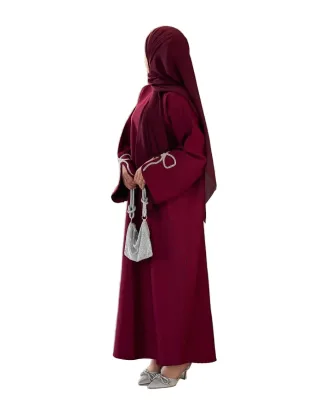
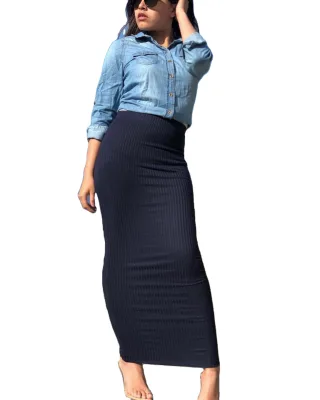
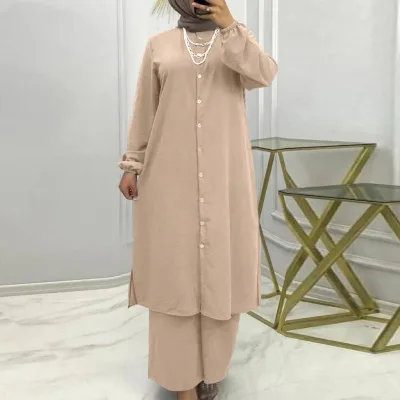
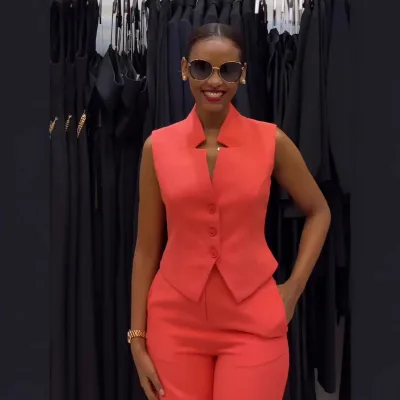
Suit With Orange Suction Loose Plus Size Sleeveless Wide Leg Two-Piece Set
$12.85 - $13.20
MOQ: 2 pieces
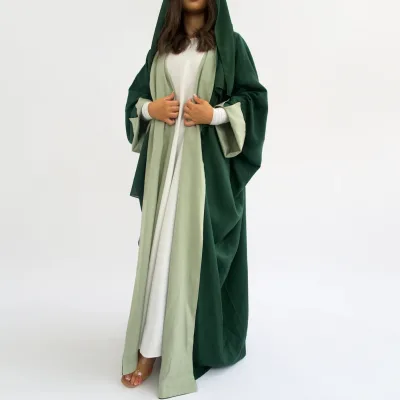
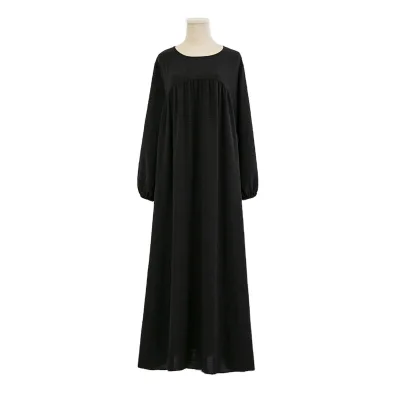
Comprehensive Sourcing Guide
Floor Length Loose Abaya Sourcing Guide
Procuring floor-length loose abayas requires careful attention to the specific silhouette and fabric drape that define this garment category. Buyers must distinguish between standard loose fits and those designed for maximum coverage, as the observed listings indicate a strong preference for full-cover styles suitable for daily wear and religious occasions. The available inventory suggests a focus on women's apparel that prioritizes comfort and modesty, with materials ranging from polyester to chiffon and linen to accommodate different seasonal needs.
Sourcing decisions should also account for the diverse color palettes and pattern variations observed in the market, which include solid grays, blacks, and purples alongside floral designs. While some suppliers offer OEM services for custom branding, others provide in-stock items ready for immediate shipment. Buyers need to verify whether the specific supplier can meet the demand for both single-item samples and bulk orders, ensuring the supply chain can handle the variability in order sizes without compromising on the loose fit or floor-length specifications.
Product Scope and Observed Listing Signals
The product scope for floor-length loose abayas encompasses a wide range of styles, from simple solid-colored garments to those featuring applique techniques or embossed prints. Market data indicates that these items are primarily designed for spring, autumn, and summer seasons, with specific applications for Eid celebrations and daily dress. The observed listings highlight a clear segmentation between basic polyester options and more specialized ethnic bottoms or chiffon variations, requiring buyers to clearly define their target demographic before selecting a supplier.
Buyers must scrutinize the listed attributes to ensure the product matches the intended use case, as some items are explicitly marked for the Middle East ethnic region while others target a broader global audience. The presence of features like anti-wrinkle, breathable, and anti-static properties suggests a focus on practical wearability in various climates. However, the variation in single package sizes and gross weights implies that logistics planning must be tailored to the specific material and construction of the chosen abaya to avoid unexpected shipping costs or handling issues.
Technical Specifications to Verify
Technical verification begins with confirming the exact sleeve length and dress length, as the core requirement is a floor-length cut that maintains a loose fit throughout the garment. Buyers should cross-reference the model numbers and size charts provided by suppliers, noting that available sizes typically range from S to XL, though some listings may only offer specific sizes like XL or a limited S-M-L range. Ensuring the sleeve style matches the long sleeve specification is critical, as this directly impacts the modesty and aesthetic of the final product.
Material composition is another vital technical parameter, with observed listings featuring polyester, chiffon, and linen, each offering distinct performance characteristics. Buyers must verify the fabric weight and texture to ensure it aligns with the seasonal requirements, such as the breathable nature of chiffon for summer or the durability of polyester for daily wear. Additionally, the hem shape, typically straight in these listings, should be inspected to guarantee a consistent floor-length appearance that does not bunch or drag excessively during movement.
Compliance and Safety Documentation
While the supplied facts do not explicitly list specific certification standards, buyers must request documentation regarding fabric safety and chemical compliance, particularly for garments intended for close skin contact. The presence of features like anti-shrink and anti-pilling suggests that the materials have undergone specific treatments, which should be backed by test reports to ensure they meet international safety standards for textiles. Without explicit certification data in the listing, the burden of proof lies with the supplier to demonstrate that their products are free from harmful substances.
Documentation should also cover the manufacturing process, especially for items labeled with OEM services or specific ethnic designs. Buyers need to verify that the production facilities adhere to labor standards and that the supply chain is transparent regarding the origin of the materials. Although the listings mention places of origin like Hunan and Guangdong, China, specific compliance with regional or international trade regulations must be confirmed through direct inquiry to ensure the goods can be legally imported and sold in the target market.
Cost Drivers and Commercial Terms
Cost drivers for floor-length loose abayas are heavily influenced by the material choice, with chiffon and linen generally commanding higher prices than standard polyester options. The observed price range of 3 to 29.68 USD reflects this variability, but buyers must be cautious as low prices may indicate lower quality materials or simplified construction. Additionally, the complexity of the design, such as the inclusion of applique or embossed prints, can significantly increase the unit cost, making it essential to balance aesthetic requirements with budget constraints.
Commercial terms vary widely, with some suppliers offering support for 7-day sample orders while others require a minimum order quantity of 50 pieces or more. Lead times are another critical factor, with bulk delivery times ranging from 7 to 15 working days depending on the order volume and production schedule. Buyers should negotiate clear terms regarding payment schedules and shipping responsibilities, ensuring that the supplier can meet the required delivery windows without incurring hidden costs or delays that could disrupt the supply chain.
Supplier Qualification and Quality Control
Supplier qualification should focus on their ability to maintain consistent quality across different batches, especially given the variation in observed product attributes like pattern and material. Buyers must assess whether the supplier has a robust quality control process in place to verify that the loose fit and floor-length specifications are met for every unit produced. The presence of features like anti-wrinkle and breathable properties should be validated through physical inspection of samples to ensure they are not merely marketing claims but actual product characteristics.
Quality control also extends to the packaging and labeling, as the single package sizes and gross weights observed in the listings can vary significantly between different product types. Buyers should request a pre-shipment inspection to verify that the packaging protects the garment from damage during transit and that the labeling accurately reflects the product details, including size, color, and material composition. Establishing a clear communication channel with the supplier for addressing any quality issues is essential for maintaining long-term business relationships and ensuring customer satisfaction.
Long-Term Procurement Checks
Long-term procurement success depends on the supplier's ability to scale production while maintaining the specific design and quality standards required for floor-length loose abayas. Buyers should regularly review the supplier's inventory levels and production capacity to ensure they can handle fluctuations in demand, particularly during peak seasons like Eid. The observed available quantity of 10,000 units suggests a substantial stock, but buyers must confirm that this inventory is maintained and replenished to avoid stockouts that could disrupt sales.
Continuous monitoring of market trends and consumer preferences is also necessary to ensure the product line remains relevant. As the market evolves, buyers may need to adjust their specifications regarding color, pattern, or material to stay competitive. Establishing a feedback loop with end-users can provide valuable insights into product performance and comfort, allowing for data-driven decisions on future orders and helping to refine the sourcing strategy for sustained growth in the abaya market.
FAQs
What materials are used for floor length loose abayas?
Floor length loose abayas are commonly crafted from polyester, chiffon, and linen to ensure comfort and durability. Polyester options offer anti-wrinkle and breathable properties suitable for daily wear. Chiffon and linen variants provide a lighter feel, ideal for warmer seasons. These materials are selected to maintain the loose fit while ensuring the garment remains breathable and easy to care for for the wearer.
Can I order a sample before bulk production?
Yes, sample orders are supported for floor length loose abayas to verify quality before committing to bulk purchases. The standard lead time for a sample order is approximately seven days. This allows buyers to check the fabric, stitching, and fit. Once the sample is approved, the bulk production can proceed with a lead time of around seven to ten working days depending on the order quantity.
What sizes are available for these abayas?
Standard sizes including S, M, L, and XL are available for floor length loose abayas. The loose apparel fit type ensures comfort across various body types. Some specific models may offer additional size options like XXL. Buyers should check the specific model number for exact size charts. The loose design accommodates layering, making these sizes versatile for daily wear and special occasions like Eid.
Where are these abayas manufactured?
These abayas are manufactured in China, specifically in regions like Hunan and Guangdong. Hunan is noted for producing polyester-based abayas with solid patterns. Guangdong is associated with chiffon and linen ethnic bottoms featuring applique techniques. The place of origin indicates the supply chain location, ensuring consistent production standards and efficient logistics for international buyers sourcing these garments.
What is the minimum order quantity for these items?
The minimum order quantity varies by supplier and product type. Some in-stock items may have an MOQ of just one piece, while OEM services might require fifty pieces. Available quantities can reach up to ten thousand units for ready stock. Buyers should confirm the specific MOQ with the supplier, as it depends on whether they are ordering standard stock or custom OEM designs.
What colors are offered for floor length abayas?
Floor length loose abayas are offered in a variety of colors including gray, black, purple, khaki, blue, and taro. Solid patterns are common for daily wear, while floral or ethnic prints may be available for special occasions. The color options allow buyers to choose based on preference or market demand. These colors are suitable for both daily dress and Eid celebrations, providing versatility for the wearer.