Source AC Elevator Maintenance Box for Inspection, Repair, and Testing
Compare 30 AC Elevator Maintenance Box options including inspection and maintenance boxes for elevators. View specifications like model numbers, sizes, and control types from suppliers in China.
Key considerations
Products List


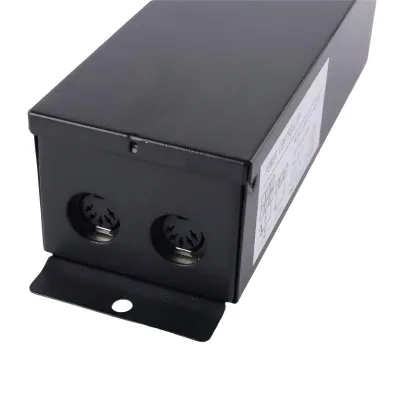
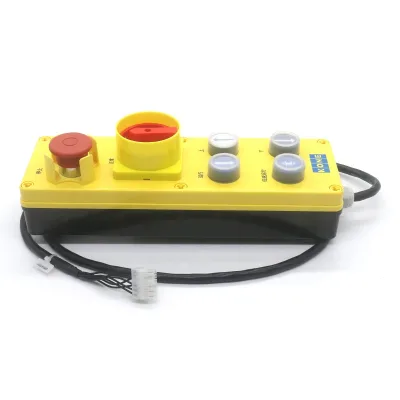
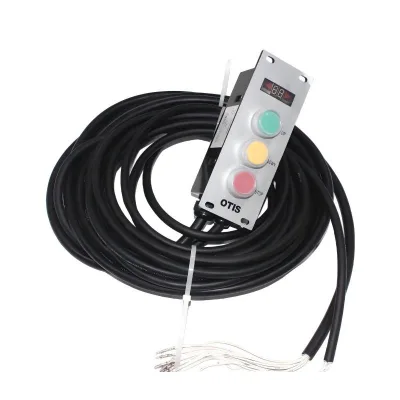


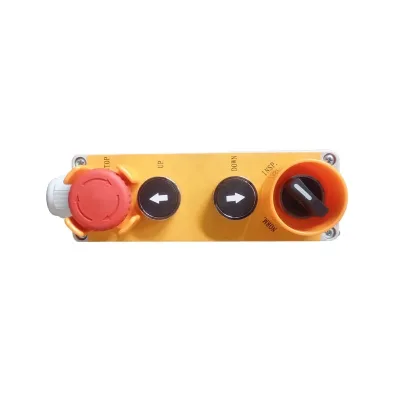
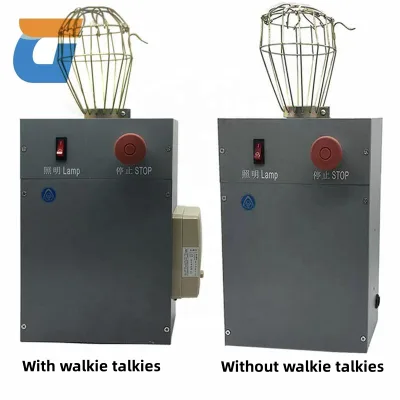
Elevator Inspect Repair Box Pit Maintenance Box for Elevator Components
$10.18 - $20.36
MOQ: 1 Minimum


Control Cabinet High-Quality Control Cabinet for Elevator Lift Control System
$800.00 - $3000.00
MOQ: 1 Sets


Comprehensive Sourcing Guide
Strategic Sourcing Guide for AC Elevator Maintenance Boxes
Navigating the procurement landscape for specialized elevator components requires a disciplined approach, particularly when sourcing an AC Elevator Maintenance Box. This critical device serves as the primary interface for technicians during installation, inspection, and emergency operations. The market presents a diverse array of options, ranging from basic manual control units to sophisticated microcomputer frequency control systems. Buyers must distinguish between generic descriptions and specific technical realities to ensure the selected unit meets the rigorous safety and operational demands of modern elevator infrastructure. This guide outlines the essential factors for evaluating suppliers and products, grounded in verified market data and technical requirements.
Technical Specifications and Operational Compatibility
The foundation of a successful procurement strategy lies in matching the maintenance box to the specific elevator architecture. The core keyword "AC Elevator Maintenance Box" implies a device designed for alternating current drive systems, yet the market data reveals a spectrum of control types. While some units operate on a manual drive mode, others are equipped with microcomputer frequency control, offering more precise speed regulation and smoother operation. When evaluating a potential supplier, the buyer must verify the control mode compatibility. A unit designed for a manual drive system will not function correctly in an environment requiring microcomputer frequency control, potentially leading to operational failures or safety hazards.
Furthermore, the physical dimensions and mechanical interface are non-negotiable constraints. The observed market data indicates specific size variations, such as units measuring 16773mm, 197100mm, and 22.212.67cm. These dimensions are not arbitrary; they correspond to the mounting requirements of specific elevator models, such as those designated by model numbers like SN-EMG-01, SN-EMG-02, or SN-EMG-04A. A mismatch in size can render the maintenance box unusable, necessitating costly custom modifications or a complete replacement. Additionally, the guide rail type is a critical compatibility factor. The data highlights both T-guide and hollow guide rail systems. The maintenance box must be engineered to interface seamlessly with the specific guide rail configuration of the target elevator to ensure stable operation during inspection and maintenance cycles.
Compliance, Certification, and Safety Standards
In the elevator industry, compliance is not merely a regulatory formality but a prerequisite for operational safety. The market data explicitly lists CE, ISO9001, and CCC as observed standards for certain elevator inspection operation boxes. These certifications indicate that the product has undergone specific testing for electrical safety, quality management, and Chinese market compliance. However, buyers must exercise caution. While these standards appear in the data, they are associated with specific model numbers and should not be assumed to apply universally to all products labeled as "AC elevator maintenance boxes."
When evaluating a supplier, the procurement team must request verifiable documentation for these standards. The presence of a CE mark, for instance, suggests adherence to European safety directives, while ISO9001 confirms a quality management system. The CCC mark is mandatory for products sold within China. It is essential to verify that the specific unit being purchased carries the relevant certification for the region of installation. Relying on general claims without specific model verification can lead to compliance failures during safety audits. Furthermore, the data mentions "Na" (Not Applicable or Not Available) for certain standard fields, which serves as a red flag. Buyers should treat products with missing or "Na" standard listings with skepticism, as they may lack the necessary third-party validation required for public traffic applications.
Cost Drivers and Pricing Variables
Understanding the cost structure of elevator maintenance boxes is vital for budgeting and supplier negotiation. The observed price range in the market spans from $0.99 to $9,999, a vast disparity that reflects differences in technology, material quality, and functionality. The lower end of this spectrum likely corresponds to basic manual inspection boxes with simple mechanical switches, while the higher end encompasses advanced units with microcomputer frequency control, integrated communication systems, and specialized materials.
Several factors drive these cost variations. First, the material composition plays a significant role. The data confirms that some units are constructed from metal, which offers superior durability and protection against environmental factors compared to plastic alternatives. Second, the level of customization available impacts pricing. Products offering customization options often command a premium, as they are tailored to specific elevator models or unique site requirements. Third, the complexity of the internal electronics, such as the inclusion of deceleration devices or specific speed control capabilities (ranging from less than 1.0m/s to over 3.50m/s), influences the manufacturing cost. Buyers should avoid focusing solely on the lowest price point, as a unit that is too cheap may lack the necessary robustness for high-traffic public environments or fail to meet the speed and load capacity requirements of modern AC elevators.
Typical Applications and Usage Scenarios
The intended application of the maintenance box dictates its required features and durability. The market data identifies "Public Traffic" as a primary use occasion, indicating that these devices are designed for elevators in commercial buildings, shopping centers, and public transit hubs. These environments demand high reliability and the ability to withstand frequent use. The data also specifies load capacities up to 1000kg and passenger capacities for 11 persons, suggesting that the maintenance boxes must support the control logic for elevators serving these loads.
Specific use cases include elevator inspection, maintenance, and emergency operation. The product is explicitly categorized as an "Elevator Inspection Operation Box" or "Maintenance Box," confirming its role in allowing technicians to control the elevator manually during service. Some models are designed for elevators without a computer room, a common configuration in modern high-rise buildings where the machinery is located in the shaft or a dedicated machine room. The "Without Attendant" attribute further clarifies that these boxes are intended for unattended operation, requiring robust safety interlocks and fail-safe mechanisms. Buyers must ensure that the selected unit is suitable for the specific operational context, whether it is a low-speed residential lift or a high-speed commercial elevator.
Supplier Evaluation and Verification
Selecting the right supplier is as critical as selecting the right product. The data indicates that suppliers are located in various regions of China, including Shanghai and Henan. While geographic location can influence logistics and lead times, the primary focus should be on the supplier's ability to provide comprehensive after-sales support. The observed data lists services such as online technical support, onsite installation, onsite training, and onsite inspection. These services are crucial for ensuring the correct installation and long-term functionality of the maintenance box.
When evaluating a supplier, buyers should verify their capacity to provide these specific services. A supplier offering only the product without technical support may leave the buyer vulnerable to installation errors or operational issues. Additionally, the minimum order quantity (MOQ) varies from 1 to 1000 units. Buyers should assess whether the supplier's MOQ aligns with their procurement volume. For small-scale projects, a supplier with a low MOQ is preferable, while large-scale procurement may benefit from suppliers capable of handling higher volumes. It is also essential to verify the packaging standards, as the data mentions "Carton Box" and "Case" options. Proper packaging ensures that the delicate electronic components and mechanical parts arrive without damage.
Quality Control and Long-Term Procurement Considerations
Ensuring the long-term reliability of the maintenance box requires a robust quality control strategy. Buyers should prioritize suppliers who demonstrate a commitment to quality through standardized manufacturing processes and material selection. The use of metal construction, as noted in the data, is a positive indicator of durability. However, buyers must also verify the consistency of these materials across different production batches.
Long-term procurement considerations extend beyond the initial purchase. The availability of spare parts and the supplier's responsiveness to warranty claims are critical factors. The data mentions specific model numbers like SN-KKB4-18-00 and SN-KKB4-30E, which suggests a need for precise identification when ordering replacements. Buyers should establish a relationship with the supplier that includes clear protocols for handling defective units and obtaining technical assistance. Furthermore, the "Customization" attribute highlights the importance of flexibility. As elevator technologies evolve, the maintenance box may need to be adapted to new control systems or safety standards. A supplier that can accommodate these changes ensures the longevity of the procurement investment.
Comparative Analysis of Product Attributes
To facilitate decision-making, the following table summarizes key attributes observed in the market data, helping buyers compare different product offerings based on verified specifications.
| Attribute | Observation A | Observation B | Observation C |
|---|---|---|---|
| Control Type | Microcomputer Frequency Control | Manual | Signal Control |
| Drive Mode | Manual | AC Elevator | Signal Control |
| Speed Range | <1.0m/s | 1.00-2.00m/s | 2.00-3.50m/s |
| Guide Rail | T Guide | Hollow Guide | N/A |
| Material | Metal | N/A | N/A |
| Certifications | CE, ISO9001, CCC | Na | Na |
| Origin | Shanghai, China | Henan, China | China |
| Model Series | SN-EMG Series | SN-KKB4 Series | OX Series |
| Packing | Carton Box | Case | Carton Box |
| After-Sales | Online, Onsite Support | N/A | N/A |
This comparison highlights the diversity in the market. Buyers must carefully match these attributes to their specific elevator requirements. For instance, a high-speed elevator (2.00-3.50m/s) requires a unit capable of handling that speed, likely from the SN-KKB4 or similar series, rather than a unit designed for speeds under 1.0m/s. Similarly, the choice between T-guide and hollow guide rail systems must align with the physical infrastructure of the elevator shaft.
In conclusion, sourcing an AC Elevator Maintenance Box requires a meticulous evaluation of technical specifications, compliance standards, and supplier capabilities. By focusing on verified data and avoiding assumptions, buyers can secure high-quality components that ensure the safety and efficiency of elevator operations. The path to successful procurement lies in detailed verification, clear communication with suppliers, and a commitment to long-term reliability.
FAQs
What control types are available for ac elevator maintenance boxes?
Available control types include microcomputer frequency control and manual drive modes. Buyers must verify compatibility with their specific elevator architecture to ensure safe operation during inspection cycles.
Which certifications apply to ac elevator maintenance boxes?
Some models carry CE, ISO9001, and CCC certifications for safety and quality compliance. These standards are specific to certain model numbers and should not be assumed to apply universally to all units.
How do dimensions affect AC Elevator Maintenance Box selection?
Units come in specific sizes like 167*73mm or 197*100mm to match mounting requirements. A mismatch in physical dimensions can render the maintenance box unusable for the target elevator model.
Can ac elevator maintenance boxes be customized for specific needs?
Customization is available for tailored requirements. This option often commands a premium and ensures the unit fits unique site specifications or evolving elevator technologies.
What after-sales services are offered for ac elevator maintenance boxes?
Services include online technical support, onsite installation, training, and inspection. These support options are crucial for ensuring correct installation and long-term functionality of the device.
Which guide rail types are compatible with these boxes?
Compatible guide rail types include T Guide and Hollow Guide systems. The maintenance box must interface seamlessly with the specific rail configuration of the target elevator for stable operation.
What is the price range for ac elevator maintenance boxes?
Market prices range from 0.99 to 9999 USD depending on technology and material. Higher costs often reflect advanced microcomputer control or durable metal construction suitable for public traffic.