Source Adjustable Breathable Wrist Support Brace for Basketball, Football, Tennis
Find 30 verified options for an Adjustable Breathable Wrist Support Brace designed for athletes. Compare specifications, materials, and pricing from suppliers in China to find the right support for basketball, football, or tennis activities.
Key considerations
Products List


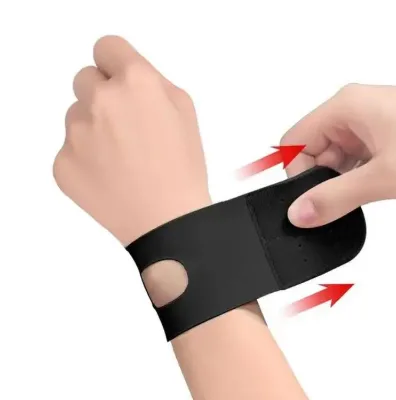


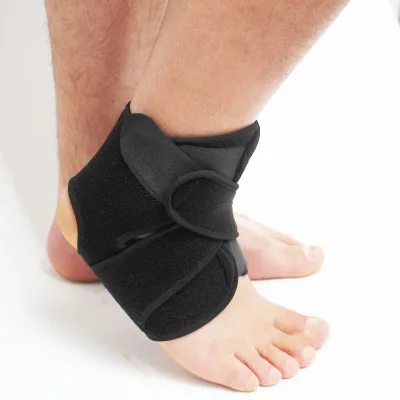


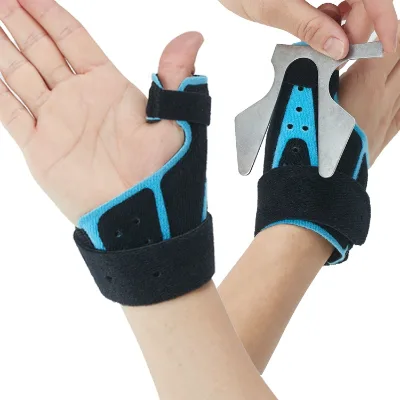


Comprehensive Sourcing Guide
Strategic Sourcing Guide for Adjustable Breathable Wrist Support Braces
Defining Technical Specifications and Material Composition
When sourcing adjustable breathable wrist support braces, the primary objective is to align product specifications with the specific demands of the target market, whether for athletic performance, medical rehabilitation, or general health care. The core functionality of these devices relies heavily on the interplay between material composition and structural design. In the current market landscape, materials such as nylon, polyester, rubber, and specialized blends like Ok Fabric with PP (Polypropylene) are frequently observed. The selection of these materials dictates the brace's breathability, elasticity, and durability.
A critical observation in the supply chain is the variation in material standards. Some products adhere to a standard composition of 15% nylon and 85% rubber, which may prioritize structural support and compression over airflow. Conversely, other specifications indicate a blend of 80% nylon and 20% spandex, a combination often engineered to maximize flexibility and moisture-wicking capabilities essential for high-intensity sports. For buyers seeking a truly breathable solution, the presence of polyester in the fabric matrix, sometimes combined with 30% nylon and 30% rubber, offers a balanced approach to ventilation and tensile strength.
The "adjustable" attribute is a non-negotiable feature for this product category, ensuring a secure fit across various wrist circumferences. This adjustability is often achieved through hook-and-loop fasteners or elasticized bands. The thickness of the material is another vital specification; products are available in "thin" variants for minimal bulk during fine motor tasks and "thick" variants for enhanced joint stabilization. Buyers must verify the specific thickness and material blend for each SKU, as a product designed for basketball support may differ significantly from one intended for general health care. Furthermore, the sizing standards vary, with options ranging from "Medium" to "One Size" or specific S/L (Small/Large) designations. Understanding these granular differences is essential to prevent mismatches between the product's physical properties and the end-user's requirements.
Compliance, Certification, and Safety Standards
Navigating the regulatory landscape for medical and sports support devices requires rigorous attention to certifications and safety standards. While the term "breathable" implies a focus on comfort, the underlying safety and biocompatibility of the materials are paramount. In the observed market data, certifications such as FDA and CE are frequently cited as indicators of compliance. The CE marking, in particular, suggests that the product meets the health, safety, and environmental protection standards for products sold within the European Economic Area. However, buyers must exercise caution and verify the specific scope of these certifications, as they can vary by region and product type.
It is crucial to distinguish between general consumer goods and medical devices. Products described with features like "Health Care," "Support," and "Keep Warm" often fall into a gray area where regulatory requirements can be stringent. The presence of an FDA reference in product attributes suggests that the manufacturer may be positioning the item for a market that requires medical device clearance, or it may indicate compliance with specific material safety standards. Buyers should not assume that a single certification covers all jurisdictions; for instance, a product originating from China may carry different compliance documentation than one manufactured in Yangzhou, China, specifically for export.
When evaluating suppliers, the verification of these certifications should be a primary step in the due diligence process. Buyers must request valid, up-to-date certificates that correspond to the specific model numbers, such as GS-610 or GS-420. Relying on general claims without documented proof can lead to significant compliance risks, especially when importing into regions with strict medical device regulations. Additionally, the material safety, particularly regarding the use of rubber and synthetic fabrics, should be confirmed to ensure there are no harmful chemical residues that could cause skin irritation, a common concern for products worn directly against the skin for extended periods.
Cost Drivers and Pricing Dynamics
The pricing of adjustable breathable wrist support braces is influenced by a complex matrix of factors, including material costs, manufacturing complexity, and order volume. The observed price range in the market spans from $0.35 to $11.60 USD, a significant variance that reflects differences in quality, branding, and specification. The lower end of this spectrum typically corresponds to basic models with simpler construction, such as those made from standard polyester or nylon blends with minimal customization. These products often feature basic packaging, such as polybags or simple cartons, and may lack advanced features like specific medical-grade certifications.
Conversely, the higher price points are associated with products that offer superior material blends, such as the 80% nylon and 20% spandex formulations, or those that include specialized packaging like color boxes. The cost of customization is a major driver; products that offer "Available" customization options, such as logo printing or specific color variations, will inherently carry a higher unit cost. Furthermore, the Minimum Order Quantity (MOQ) plays a pivotal role in the final landed cost. The market observes an MOQ range from 1 to 5,000 units. Buyers placing orders at the lower end of this spectrum may face higher per-unit costs due to the fixed overheads of production setup, while bulk orders can leverage economies of scale to reduce the unit price significantly.
Other cost drivers include the origin of the product and the complexity of the supply chain. Products originating from specific regions like Yangzhou or general Chinese manufacturing hubs may have different labor and logistics cost structures. The packaging requirements also impact the final price; a product packed in a "Color Box" or "Ourter Carton" with 72 pieces per case will have different handling and shipping costs compared to one packed in a simple "Polybag." Buyers must analyze the total cost of ownership, including shipping, duties, and potential inventory holding costs, rather than focusing solely on the unit price. Understanding these dynamics allows for more accurate budgeting and negotiation strategies when engaging with potential suppliers.
Typical Applications and Market Segmentation
The versatility of adjustable breathable wrist support braces allows them to serve a diverse range of applications, from high-performance sports to therapeutic rehabilitation. The market data indicates a strong segmentation based on the intended use case. For sports enthusiasts, these braces are essential for activities such as basketball, football, tennis, badminton, and table tennis. In these contexts, the primary function is to provide joint stability, prevent injury, and offer support during high-impact movements. The "Sports Wrist" classification highlights this specific application, where durability and flexibility are critical.
Beyond sports, there is a significant demand for these products in the health care and rehabilitation sectors. Products described with features like "Keep Warm," "Health Care," and "Support" are often targeted at individuals recovering from wrist injuries, those suffering from arthritis, or workers requiring ergonomic support during repetitive tasks. The "Deluxe Back Stabilizer" and "Knitting Support-Ankle" models, while technically distinct, share the same design philosophy of providing targeted support and comfort. The "Leica Support-Hand" designation suggests a specialized application, possibly for users requiring precise hand support for specific medical or occupational reasons.
The "Adults" age group is the primary demographic for these products, as wrist injuries and the need for support are most prevalent in this population. However, the specific design features, such as the "Thin" or "Thick" specifications, allow for customization to meet the needs of different user profiles. For instance, a "Thin" brace might be preferred for daily wear under clothing, while a "Thick" brace might be necessary for post-surgical recovery or heavy athletic training. Understanding these application nuances is vital for buyers to match the right product to the right market segment, ensuring that the procurement strategy aligns with the specific needs of the end-users.
Supplier Evaluation and Quality Assurance
Evaluating suppliers for adjustable breathable wrist support braces requires a comprehensive approach that goes beyond simple price comparisons. Buyers must assess the supplier's ability to meet technical specifications, maintain consistent quality, and adhere to delivery schedules. The presence of ODM/OEM (Original Design Manufacturer/Original Equipment Manufacturer) acceptance is a key indicator of a supplier's flexibility and capability to produce customized products. This is particularly important for buyers looking to brand their own line of wrist supports or modify existing designs to meet specific market requirements.
Quality assurance is another critical factor. The observed product attributes, such as the specific material blends and standard compositions, must be consistently maintained across all production batches. Buyers should verify the supplier's quality control processes, including in-line inspections and final product testing. The "Non-Waterproof" attribute, for example, indicates a specific performance characteristic that must be clearly communicated to avoid customer dissatisfaction. Additionally, the packaging standards, such as "72 Boxes/Case" or "72 PCS/Carton," must be adhered to strictly to ensure efficient logistics and inventory management.
Suppliers should also demonstrate a commitment to compliance and safety. The ability to provide valid certifications, such as FDA or CE, is a strong indicator of a supplier's reliability. Buyers should request documentation that proves the supplier's adherence to these standards and verify the authenticity of the certificates. Furthermore, the supplier's location, whether in Yangzhou or other parts of China, can impact the supply chain's resilience and the ability to respond to market changes. A thorough evaluation of the supplier's production capacity, lead times, and past performance is essential to mitigate risks and ensure a successful procurement outcome.
Long-Term Procurement Considerations and Strategic Planning
Sourcing adjustable breathable wrist support braces is not merely a transactional activity but a strategic initiative that requires long-term planning. Buyers should consider the scalability of their supply chain and the potential for future growth. The wide range of MOQs, from 1 to 5,000 units, offers flexibility for startups and established businesses alike, but it also necessitates a clear strategy for inventory management and demand forecasting. As the market evolves, the demand for specific features, such as enhanced breathability or specialized certifications, may shift, requiring the ability to adapt product specifications quickly.
Sustainability and ethical sourcing are becoming increasingly important in the procurement of medical and sports equipment. Buyers should inquire about the environmental impact of the materials used, such as the sourcing of nylon and polyester, and the manufacturing processes employed. While specific environmental certifications may not be explicitly listed in the current data, the trend towards sustainable practices is a key consideration for modern buyers. Additionally, the potential for supply chain disruptions, such as those caused by geopolitical tensions or logistical challenges, should be factored into the procurement strategy. Diversifying the supplier base and maintaining strong relationships with multiple vendors can help mitigate these risks.
Finally, the long-term success of a procurement strategy depends on the ability to maintain product quality and customer satisfaction. This involves continuous monitoring of product performance, gathering feedback from end-users, and making necessary adjustments to the product line. By focusing on these strategic considerations, buyers can build a robust and resilient supply chain that meets the evolving needs of the market while maintaining high standards of quality and compliance. The ability to navigate the complexities of the Adjustable Breathable Wrist Support Brace market will ultimately determine the success of the procurement initiative.
FAQs
What materials are used for adjustable breathable wrist support braces?
These braces commonly use nylon, polyester, rubber, and specialized blends like Ok Fabric with PP. Specific models may feature 15% nylon with 85% rubber or 80% nylon with 20% spandex to balance support and flexibility.
Which certifications are available for these wrist support products?
Available certifications include FDA and CE marks, indicating compliance with safety and health standards. Buyers should verify that these certifications correspond to specific model numbers like GS-610 or GS-420 for accurate validation.
How is the customization option handled for these braces?
Customization is available for these products, allowing for specific branding or design modifications. Buyers can request ODM or OEM services to tailor features like packaging or material composition to meet unique market requirements.
What is the typical MOQ range for ordering these wrist braces?
The minimum order quantity ranges from 1 to 5000 units depending on the supplier and product specifications. Lower MOQs allow for smaller trial orders, while larger volumes often secure better pricing and economies of scale.
Can these braces be used for basketball and football activities?
Yes, these braces are designed for protection projects including basketball, football, tennis, badminton, and table tennis. They provide necessary support and stability for high-impact sports activities involving the wrist and hand joints.
What packaging options are available for these wrist support braces?
Packaging options include polybags, color boxes, and cartons containing 72 pieces per case. Specific models may use outer cartons with 72 boxes inside, ensuring efficient shipping and inventory management for bulk orders.
Where are these adjustable wrist support braces typically manufactured?
These products originate from locations such as Yangzhou and other regions in China. The manufacturing base influences logistics and supply chain dynamics, with specific models like GS-610 and GS-420 produced in these areas.