Source Adjustable Breathable Posture Corrector for Back Pain, Office Work, and Sports
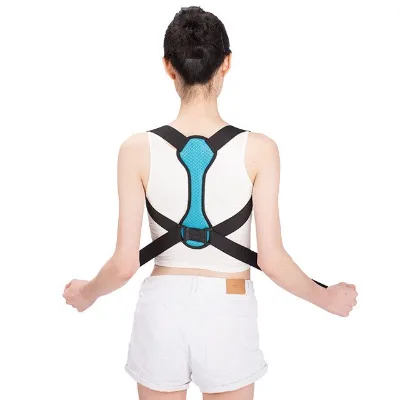
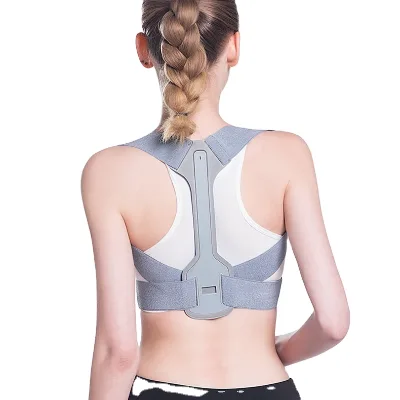
Find 30 listings for the Adjustable Breathable Posture Corrector designed for back support and posture correction. Buyers can compare features like neoprene material, size options, and customization services from verified suppliers in China.
Key considerations
Products List
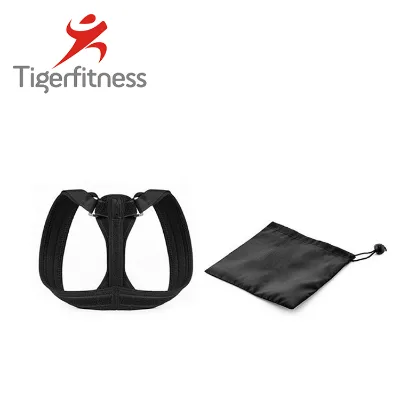
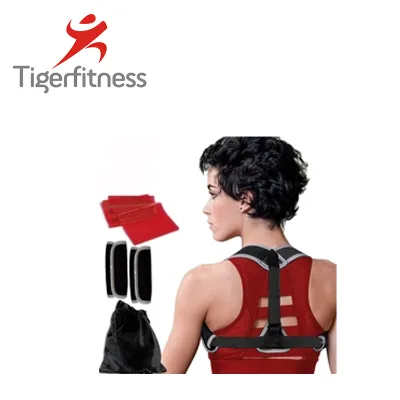
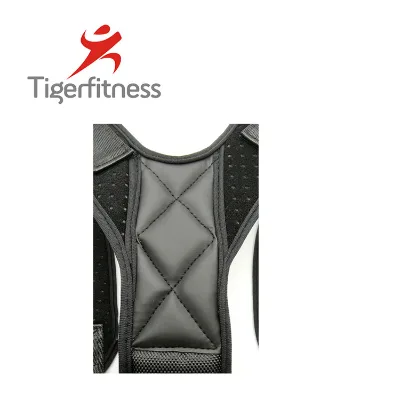
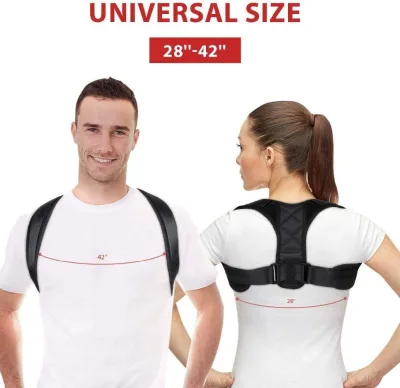
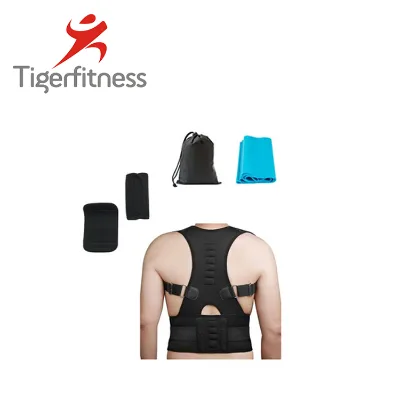
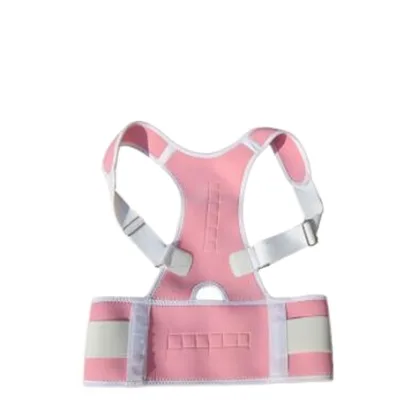


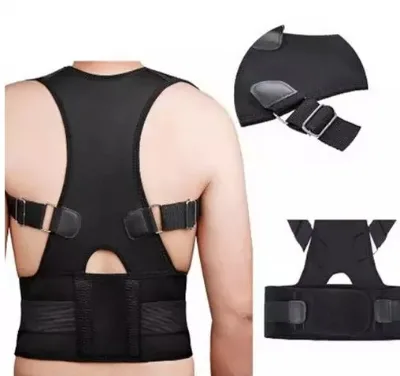


Posture Correction Brace for Improved Comfort and Support During Activities
$0.55 - $0.80
MOQ: 1000 Pieces


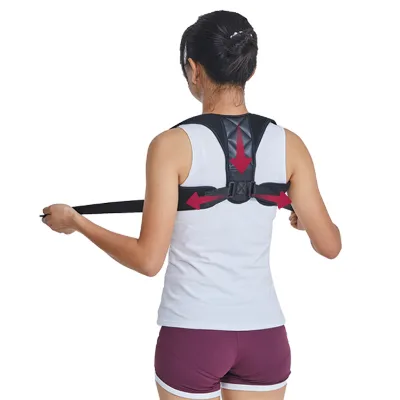
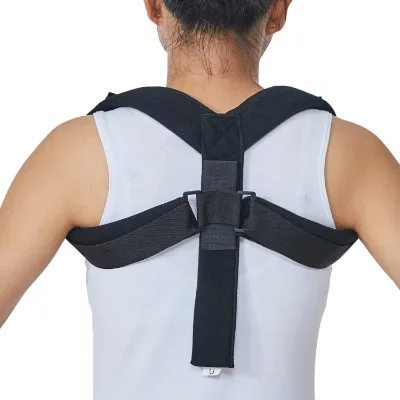


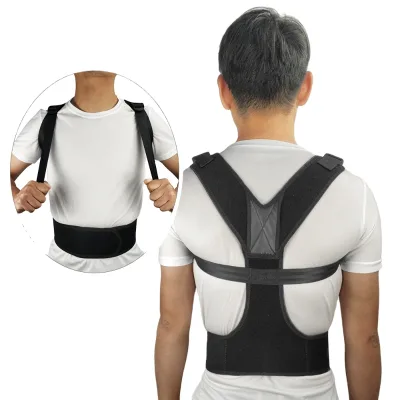
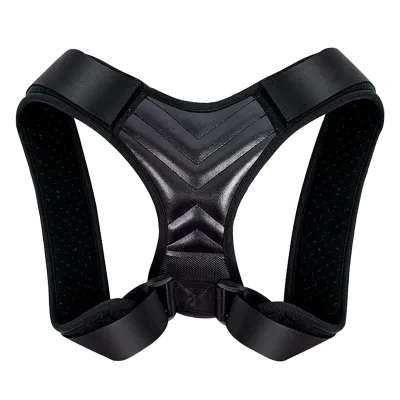
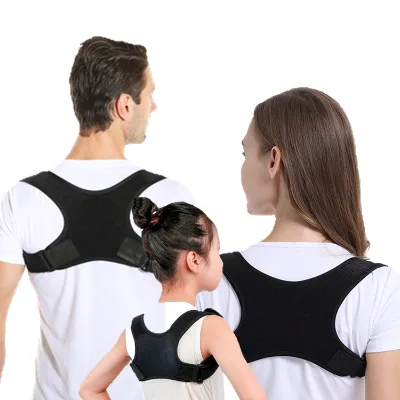
Comprehensive Sourcing Guide
Adjustable Breathable Posture Corrector Sourcing Guide
Sourcing an Adjustable Breathable Posture Corrector requires a clear understanding of the product’s functional boundaries and the specific material properties that influence wearer comfort and long-term efficacy. These devices are primarily designed to provide back support and encourage proper spinal alignment for adults, functioning as soft stabilizers rather than rigid medical braces. Buyers must distinguish between products marketed as general wellness aids and those claiming therapeutic or medical treatment capabilities, as this distinction heavily influences regulatory requirements and liability. The core value proposition lies in the balance between structural support and breathability, ensuring that the device can be worn for extended periods without causing skin irritation or overheating.
The procurement landscape for these items is characterized by a wide variety of material compositions and customization options, ranging from basic polyester-cotton blends to more durable nylon constructions. Suppliers often offer OEM services, allowing buyers to customize logos, packaging, and even specific design elements to fit their brand identity. However, this flexibility introduces complexity in quality control, as different material mixes can significantly alter the product’s durability, elasticity, and breathability. Procurement teams must establish strict specifications early in the sourcing process to ensure that the final product meets the intended use case, whether it is for casual daily wear, athletic support, or occupational back care.
Product Scope and Observed Listing Signals
The current market for posture correctors exhibits a broad range of price points and minimum order quantities, reflecting the diversity of manufacturing capabilities and target markets. Observed listing data indicates a price range from approximately $0.55 to $9.24 per unit, with minimum order quantities varying significantly from as low as one piece to as high as 1,000 pieces. This variance suggests that buyers can access both low-volume sampling opportunities and high-volume production runs, but they must carefully evaluate the cost implications of smaller orders against the economies of scale available in larger batches. The wide MOQ range also indicates that many suppliers are willing to accommodate small businesses or trial orders, which is crucial for testing market response before committing to large-scale inventory.
Product attributes observed in the market highlight a strong emphasis on customization and versatility. Common features include adjustable straps, multiple size options such as L, XL, and XXL, and a variety of color choices including black, white, blue, and camouflage patterns. Materials frequently cited include polyester-cotton blends and nylon, with some products explicitly marketed as breathable and non-waterproof. These signals suggest that buyers should prioritize products that offer clear sizing charts and material transparency, as fit and comfort are critical for user compliance. Additionally, the availability of customized logos and packaging options allows brands to differentiate their offerings, but it requires careful coordination with suppliers to ensure that branding does not compromise the structural integrity of the product.
Technical Specifications to Verify
Material composition is the most critical technical specification to verify, as it directly impacts the product’s durability, breathability, and skin compatibility. Buyers should confirm whether the product is made from polyester-cotton blends, nylon, or other synthetic materials, and request detailed fabric weight and weave information. The presence of neoprene or similar elastic materials may offer better support but could reduce breathability, while cotton blends may offer comfort but less structural rigidity. It is essential to verify that the material meets the intended performance standards, such as elasticity retention after repeated washing and stretching, to ensure the product remains effective over its lifespan.
Size and fit specifications must be rigorously defined to minimize return rates and customer dissatisfaction. Products often come in standard sizes like M, L, XL, and XXL, but these labels can vary significantly between manufacturers. Buyers should request detailed measurement charts for each size, including chest circumference, back length, and strap adjustability ranges. Additionally, the single package dimensions and gross weight should be verified to optimize logistics and shipping costs. For instance, a single package size of 30x22x3 cm and a gross weight of 0.500 kg are typical observations, but these figures can impact freight charges and storage requirements. Ensuring that the packaging is robust, such as using opp bags or boxes, is also important to protect the product during transit.
Compliance and Safety Documentation
Regulatory compliance is a pivotal consideration when sourcing posture correctors, as the classification of the product can vary depending on its intended use and marketing claims. Some suppliers list certifications such as FDA, CE, and ISO, which may indicate that the product meets certain safety or quality management standards. However, buyers must verify the specific scope of these certifications, as they may apply to the manufacturing process rather than the product itself. For example, ISO 13485 is a quality management standard for medical devices, but its relevance depends on whether the posture corrector is classified as a medical device in the target market. Buyers should request valid certification documents and verify their authenticity with the issuing bodies to avoid compliance risks.
Safety documentation should also include information on material safety and potential allergens. Since these products are worn directly against the skin, it is crucial to ensure that the materials are free from harmful substances such as latex, heavy metals, or toxic dyes. Buyers should request material safety data sheets (MSDS) or test reports from accredited laboratories to confirm that the products meet relevant chemical safety standards. Additionally, clear labeling and instructions for use should be provided to ensure that consumers understand how to properly wear and maintain the device. This includes guidance on cleaning methods, storage conditions, and warnings against over-tightening, which can cause discomfort or injury.
Cost Drivers and Commercial Terms
The cost of an Adjustable Breathable Posture Corrector is influenced by several factors, including material quality, customization requirements, and order volume. Higher-quality materials such as premium nylon or specialized breathable fabrics will naturally command higher prices, while basic polyester-cotton blends may be more cost-effective. Customization options, such as private labeling, custom packaging, and unique design features, also add to the overall cost. Buyers should negotiate clear pricing structures that account for these variables, ensuring that there are no hidden fees for tooling, setup, or sample production. Understanding the cost drivers allows buyers to make informed decisions about where to allocate their budget for maximum value.
Commercial terms, including payment terms, lead times, and return policies, are equally important in shaping the procurement strategy. Typical lead times for production can range from 30 to 35 days, with sample times of 7 to 12 days, but these figures can vary based on supplier capacity and order complexity. Buyers should establish clear agreements on payment milestones, such as deposits and balance payments upon shipment, to mitigate financial risk. Additionally, it is essential to clarify the supplier’s policy on defective goods and returns, as this can impact the overall cost of ownership. A transparent and flexible commercial framework helps build a strong partnership with suppliers and ensures a smoother procurement process.
Supplier Qualification and Quality Control
Supplier qualification is a critical step in ensuring the reliability and consistency of the product supply. Buyers should conduct thorough due diligence on potential suppliers, including verifying their business licenses, manufacturing capabilities, and quality management systems. Suppliers located in regions such as Jiangsu and Hebei in China are common sources for these products, but buyers should not rely solely on geographic location to assess quality. Instead, they should request factory audits or third-party inspections to evaluate the supplier’s production processes, equipment, and workforce training. This due diligence helps identify potential risks and ensures that the supplier has the capacity to meet the buyer’s volume and quality requirements.
Quality control measures must be implemented throughout the production process to maintain product consistency and meet specified standards. Buyers should establish clear quality criteria, including acceptable defect rates, material specifications, and packaging requirements, and communicate these to the supplier. Pre-production samples should be approved before mass production begins, and in-process inspections should be conducted to catch any deviations early. Final random inspections (FRI) should be performed before shipment to ensure that the products meet all agreed-upon standards. Implementing a robust quality control system helps minimize the risk of receiving substandard products and protects the buyer’s brand reputation.
Long-Term Procurement Checks
Long-term procurement success depends on continuous monitoring and evaluation of supplier performance and product quality. Buyers should establish key performance indicators (KPIs) to track metrics such as on-time delivery, defect rates, and customer feedback. Regular reviews of these metrics help identify trends and areas for improvement, allowing buyers to address issues proactively. Additionally, maintaining open communication with suppliers is essential for resolving any problems that arise and fostering a collaborative relationship. This ongoing engagement helps ensure that the supplier remains aligned with the buyer’s evolving needs and market demands.
Market trends and consumer preferences in the posture corrector industry are constantly evolving, requiring buyers to stay informed and adaptable. Buyers should monitor changes in material technologies, design innovations, and regulatory requirements to ensure that their products remain competitive and compliant. Engaging with industry associations, attending trade shows, and conducting market research can provide valuable insights into emerging trends and opportunities. By staying ahead of these changes, buyers can make strategic decisions that enhance their product offerings and maintain a strong position in the market. Continuous improvement and adaptability are key to long-term success in the procurement of adjustable breathable posture correctors.
FAQs
What materials are used for the posture corrector?
The product is constructed from Polyester Cotton and Nylon materials. These fabrics are selected to ensure durability while maintaining the breathable properties required for comfortable all-day wear during daily activities.
Which certifications does the posture corrector hold?
The item holds FDA, CE, and ISO certifications. These documented standards verify that the product meets specific safety and quality requirements for medical and general health support applications in international markets.
Can I customize the logo on the product?
Yes, customized logo services are available for this order. Buyers can request specific branding on the packaging or the product itself, subject to the minimum order quantity requirements set by the supplier.
What is the minimum order quantity for this item?
The minimum order quantity ranges from 100 to 500 pieces depending on the specific model selected. Buyers should verify the exact MOQ for their chosen variant before proceeding with the purchase agreement.
How long does production take for this order?
Production time typically spans 30 to 35 days after order confirmation. Sample preparation requires 7 to 12 days, allowing buyers to review quality before committing to the full manufacturing run.
What sizes are available for the back support belt?
Available sizes include L, XL, XXL, and M according to the product standard. The sizing chart ensures a universal fit for adults seeking back support and posture correction in various body types.