Source Adjustable Brightness Mirror Neon Sign for Restaurants, Offices, and Schools
Explore 30 listings for the Adjustable Brightness Mirror Neon Sign suitable for hospitals, restaurants, and offices. Buyers can compare features like LED color options, waterproof ratings, and custom shapes to find the right luminous letter or flexible neon sign for their decoration needs.
Key considerations
Products List


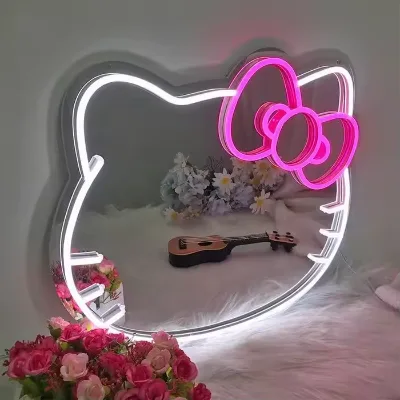
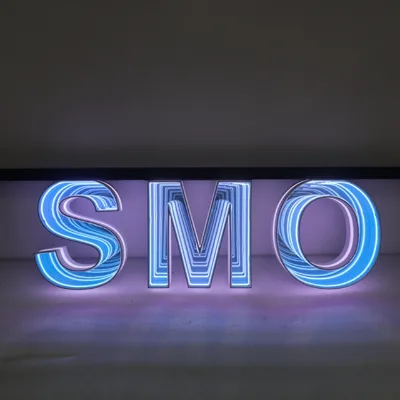
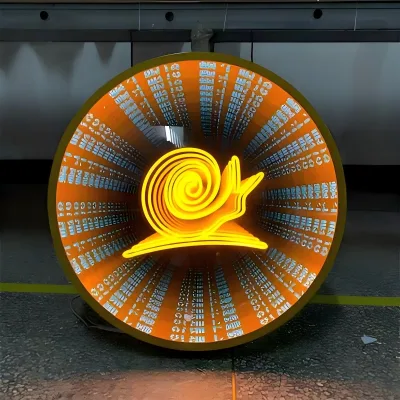
Mini Customizable Easy Install and Safety Low Voltage Infinity Mirror Neon Sign
$40.00 - $55.00
MOQ: 1 Pieces

Custom Neon Sign Custom LED Letters Acrylic Neon Flex Sign Custom LED Neon Sign
$10.00 - $300.00
MOQ: 1 Pieces






Comprehensive Sourcing Guide
Sourcing Guide for Adjustable Brightness Mirror Neon Signs
The procurement of adjustable brightness mirror neon signs represents a strategic intersection of aesthetic customization and functional lighting technology. For B2B buyers in the hospitality, retail, and corporate sectors, these luminous fixtures offer a unique blend of the infinite depth characteristic of mirror signage and the dynamic control of RGB LED technology. This guide synthesizes available product attributes and industry standards to provide a disciplined framework for sourcing, evaluating, and integrating these specialized lighting solutions into commercial projects. The focus remains strictly on verifiable specifications, risk mitigation, and operational suitability rather than speculative market trends.
Technical Specifications and Performance Parameters
Understanding the technical architecture of mirror neon signs is the first step in ensuring product compatibility. The core of these units typically relies on LED light sources, which are distinct from traditional neon gas tubes. In the observed product data, the light source is consistently identified as LED, often utilizing LED strips for flexibility. A critical performance metric for these units is the luminous efficiency, which is observed at 85 Lm/W. This figure indicates a high level of energy conversion, a vital consideration for large-scale installations where power consumption accumulates over time.
The color capabilities of these signs are a primary differentiator. The available data specifies a broad spectrum of LED colors, including Red, Green, Blue, White, Purple, and a 7-color RGB option. This supports the "adjustable brightness" requirement, as RGB systems inherently allow for color mixing and intensity modulation. The Color Rendering Index (Ra) is listed at 90, suggesting that the light quality is capable of rendering colors accurately, which is essential for signage intended to highlight branding or merchandise.
Power requirements vary across different models. Some units operate on safe low voltages such as 12V or 24V, while others are listed with an input voltage of 220V. This discrepancy necessitates careful verification during the sourcing phase to match the sign's electrical requirements with the local building codes and available power infrastructure. The presence of a dimmer support feature is confirmed in the data, directly addressing the core keyword of adjustable brightness. Buyers must ensure that the specific model selected includes the necessary driver or controller to facilitate this dimming functionality.
Material Composition and Structural Integrity
The physical construction of mirror neon signs relies heavily on the use of acrylic. The supplied facts explicitly identify the material as Acrylic, with a specific mention of UV Stable Acrylic. This material choice is critical for maintaining the optical clarity and structural integrity of the sign over time. UV stability ensures that the acrylic does not yellow or degrade when exposed to light, preserving the "infinite mirror" effect that depends on precise light reflection between mirrored surfaces.
The shape of these signs is highly customizable, allowing for bespoke lettering or logos. The thickness of the acrylic is also noted as customizable, which influences the depth of the mirror effect and the overall durability of the unit. For outdoor applications, the waterproof rating becomes a decisive factor. The data presents a divergence in this attribute: some products are listed as waterproof, while others are explicitly marked as not waterproof. This inconsistency highlights the necessity for buyers to verify the specific IP rating of the unit they intend to purchase. A sign intended for a restaurant entrance or an outdoor hotel facade must be confirmed as waterproof to prevent internal component failure due to moisture ingress.
Packing methods also reflect the fragility of the acrylic and the precision of the mirror alignment. Standard packing includes cartons, while more robust options involve bubble wrap and wooden cases. This suggests that for international shipping or fragile custom shapes, the wooden case option may be the prudent choice to prevent damage during transit.
Compliance, Safety, and Certification Verification
While the provided product data does not list specific certification bodies or compliance standards beyond general mentions of "Customized" standards, the safety implications of electrical lighting are paramount. The observation of "Safe Voltage" at 12V and DC12V indicates that many of these units are designed for low-voltage operation, which inherently reduces the risk of electric shock compared to mains voltage systems. However, the presence of 220V input options in the data means that not all units are low-voltage safe by default.
Buyers must independently verify compliance with local electrical safety standards, such as UL, CE, or RoHS, depending on the target market. The data mentions a low-confidence background regarding "reach" certification, but this should not be treated as a confirmed attribute. Instead, procurement teams should request valid test reports from the supplier to confirm that the materials and electrical components meet the regulatory requirements of the destination country.
The "Eco-Friendly" feature listed in the product attributes suggests a focus on sustainable materials or energy efficiency, likely driven by the LED technology and the long life span of 50,000 hours for certain models. However, the "Working Lifetime" for other models is listed as 10,000 hours. This variance underscores the need to clarify the expected operational life of the specific unit before finalizing a purchase. Long-term procurement considerations should include the availability of replacement drivers and the ease of maintenance, as the "Customized" nature of these signs often means that standard off-the-shelf parts may not fit.
Cost Drivers and Pricing Dynamics
The pricing for adjustable brightness mirror neon signs is influenced by several variable factors, as evidenced by the observed price range of 2 to 300 USD. This wide range indicates that the cost is not fixed but scales with the complexity of the order. Key cost drivers include the size of the letters, the number of colors required, the customization of the shape, and the specific material thickness.
The Minimum Order Quantity (MOQ) is another significant factor in the total cost of ownership. The data shows an MOQ range of 1 piece to 50 pieces, with some models requiring 1 set. This flexibility allows small businesses to order single units for pilot projects, while larger enterprises can negotiate volume discounts. However, the "Customized" nature of the product often implies a higher unit cost compared to standard inventory items. Buyers should anticipate that the price will increase with the complexity of the design and the specific requirements for waterproofing or UV stability.
Shipping costs also play a role in the final landed cost. The listed shipment methods include sea, air, or express delivery. Given the size and fragility of acrylic signs, sea freight is often the most economical option for large orders, while air or express is necessary for urgent, smaller shipments. The packing requirements, such as wooden cases for heavy or large items, will further impact shipping weight and volume charges.
Typical Applications and Installation Requirements
The versatility of these signs is reflected in their broad application range. The data lists specific use cases including hospitals, restaurants, offices, doors, and schools. In a restaurant setting, the adjustable brightness feature allows for mood lighting that can shift from bright daytime operation to dim evening ambiance. For offices and schools, the high luminous intensity and clear color rendering make these signs suitable for wayfinding and branding.
Installation is typically achieved via screw mounting, as noted in the product attributes. This method provides a secure attachment to walls or other surfaces. However, the installation process may require professional assistance, particularly for units with complex electrical wiring or those intended for outdoor use where waterproofing seals must be correctly applied. The "Customized" standard for the product implies that the installation hardware may need to be tailored to the specific shape and weight of the sign.
The "Decoration Used" occasion further emphasizes the aesthetic role of these products. Whether used as a focal point in a lobby or as a subtle accent in a hallway, the visual impact is a primary driver for selection. The "Flexible Neon Sign" attribute suggests that some models can be bent or shaped to fit unique architectural features, adding another layer of customization to the application process.
Supplier Evaluation and Quality Control Protocols
When evaluating potential suppliers for mirror neon signs, buyers should prioritize transparency regarding the discrepancies found in the product data. For instance, the conflicting information on waterproof ratings requires a supplier who can clearly distinguish between indoor and outdoor models. A reputable supplier should be able to provide detailed technical drawings, material safety data sheets, and electrical schematics for every unit.
Quality control should focus on the consistency of the LED strips, the clarity of the acrylic, and the durability of the mirror finish. Buyers should request samples to verify the claimed luminous efficiency of 85 Lm/W and the Color Rendering Index of 90. The "Customized" nature of the product means that mass production tolerances may vary, so a rigorous inspection protocol is essential before final acceptance.
The "Life Span" of 50,000 hours for some models is a strong selling point, but it must be backed by a warranty. The data confirms a 1-year warranty, which is a standard baseline. Buyers should negotiate extended warranty terms for large commercial projects to mitigate the risk of early failure. Additionally, the supplier's ability to provide after-sales support, including troubleshooting for dimming issues or color inconsistencies, is a critical component of the evaluation process.
Long-Term Procurement and Maintenance Strategy
Sourcing adjustable brightness mirror neon signs is not merely a one-time transaction but an investment in long-term visual branding. The "Low Power" consumption attribute suggests that these units are designed for energy efficiency, which will result in lower operational costs over the life of the product. However, the varying life spans (10,000 to 50,000 hours) indicate that maintenance planning must be tailored to the specific model selected.
Buyers should establish a maintenance schedule that includes regular cleaning of the acrylic surfaces to maintain the mirror effect and checking of electrical connections to prevent corrosion, especially for units with a waterproof rating. The "Customized" shape and size mean that replacement parts may not be readily available off the shelf, so maintaining a relationship with a reliable supplier for spare components is advisable.
In conclusion, the procurement of adjustable brightness mirror neon signs requires a meticulous approach that balances aesthetic desires with technical realities. By focusing on verified specifications such as LED efficiency, material stability, and electrical safety, buyers can secure high-quality lighting solutions that meet their specific operational needs. The wide range of customization options offers immense flexibility, but it also demands a rigorous supplier evaluation process to ensure that the final product performs as expected in its intended environment.
FAQs
How is the brightness adjusted on these signs?
The signs support dimming functionality to adjust brightness levels. This feature requires a compatible driver or controller, which must be verified during the sourcing phase to ensure it matches the specific model selected for your project.
What is the expected lifespan of the LED lights?
The lifespan varies by model, with some units rated for 50,000 hours and others for 10,000 hours. Buyers must clarify the specific operational life of the unit before purchase to plan for long-term maintenance and replacement schedules.
Which voltage options are available for these signs?
Available voltage options include safe low voltages like 12V and 24V, as well as 220V input models. It is critical to verify the specific electrical requirements of the chosen unit to match local building codes and power infrastructure.
Can these signs be used in outdoor environments?
Waterproof ratings vary, with some products listed as waterproof and others explicitly marked as not waterproof. Buyers must confirm the IP rating and waterproof status of the specific unit intended for outdoor use to prevent moisture damage.
What materials are used to construct the sign body?
The signs are constructed from acrylic, specifically UV stable acrylic to prevent yellowing. The thickness of the material is customizable, which influences the depth of the mirror effect and the overall structural durability of the unit.
How is the minimum order quantity determined?
The minimum order quantity ranges from 1 piece to 50 pieces depending on the specific model. This flexibility allows small businesses to order single units while larger enterprises can negotiate volume discounts for custom designs.