Source Adjustable Diagonal Bag Strap for Luggage, Fashion, Travel
Compare 30 Adjustable Diagonal Bag Strap options from verified Chinese manufacturers. Buyers can evaluate materials like copper and nylon, customization levels, and dimensions for luggage, fashion accessories, and travel gear needs; compare the available evidence and request quotations based on your requirements.
Key considerations
Products List


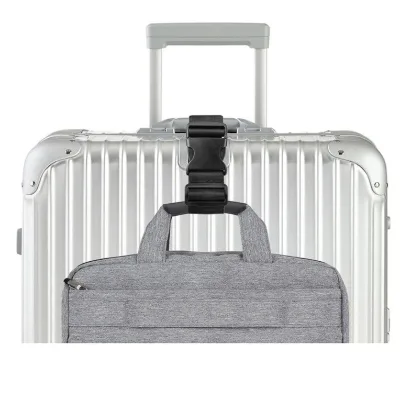


130 Cm Bags Straps Material Pack Accessories Leather Purse Custom Bag Straps
$1.32 - $2.67
MOQ: 500 Pieces


Bag Chains Handbag Hardware Accessories Adjustable Shoulder Strap Chain
$1.11 - $2.43
MOQ: 1000 Pieces
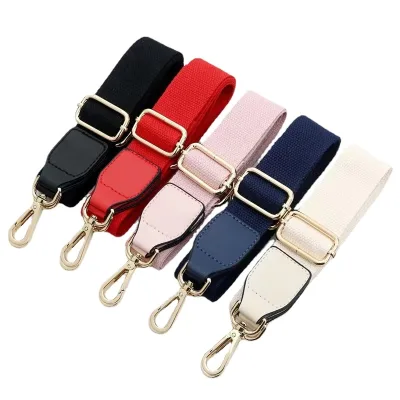


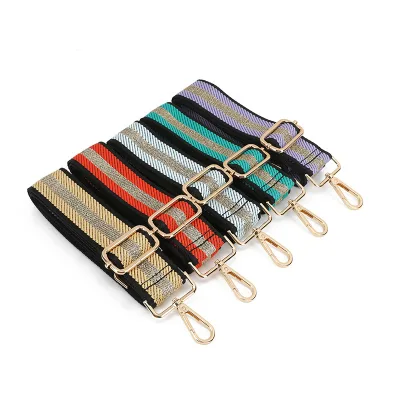
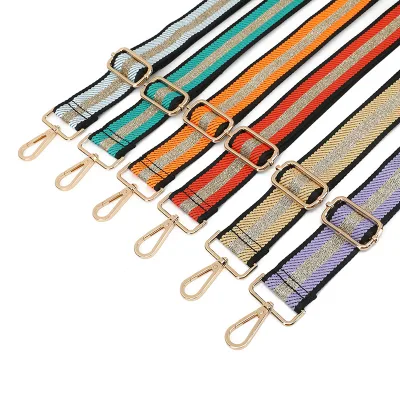
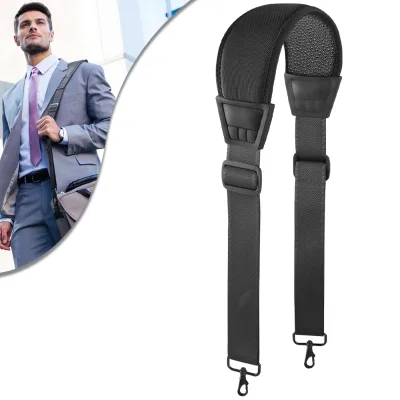


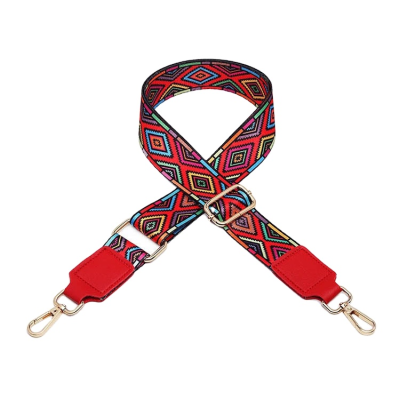
Comprehensive Sourcing Guide
Adjustable Diagonal Bag Strap Sourcing Guide
Procuring adjustable diagonal bag straps requires a clear understanding of the diverse material compositions and manufacturing processes available in the current market. Buyers must distinguish between metal-stamped hardware components and woven textile straps, as these categories serve different functional and aesthetic purposes. The observed product landscape includes items ranging from durable metal stamping parts with precise tolerances to woven nylon straps designed for luggage and fashion applications. Understanding this distinction is critical for aligning supplier capabilities with specific product requirements, ensuring that the selected components meet both structural integrity and design expectations.
Sourcing decisions should also account for the high degree of customization available across the supply chain. Many suppliers offer tailored solutions for dimensions, colors, and hardware finishes, allowing brands to create unique product identities. However, this flexibility introduces complexity in quality control and specification verification. Buyers need to establish clear technical drawings and material specifications before engaging with manufacturers to avoid discrepancies in final delivery. This guide provides a structured approach to navigating these variables, focusing on technical verification, compliance, and commercial terms to mitigate procurement risks.
Product Scope and Observed Listing Signals
The current market for adjustable diagonal bag straps encompasses a wide variety of products, including metal stamping parts, woven nylon straps, and leather-accented accessories. Observed listings indicate that materials range from copper and metal hardware to nylon and genuine leather interiors, reflecting the diverse needs of fashion and luggage industries. Key attributes such as durability, waterproofing status, and specific hardware finishes like gun black, silver, and gold are commonly highlighted. These signals help buyers identify suppliers who specialize in specific niches, whether they focus on high-precision metal components or soft goods with intricate weaving techniques.
Listing data also reveals significant variation in packaging and origin, with products originating from regions like Fujian and Zhejiang in China. Packaging formats vary from bulk bags to regular export packages, indicating different logistical considerations for buyers. Some products are marketed with specific model numbers and standard dimensions, while others emphasize customizable design options. This diversity suggests that buyers should not assume uniformity across all suppliers. Instead, they must carefully review product descriptions to match their specific volume requirements, aesthetic preferences, and functional needs, ensuring that the selected supplier can deliver the exact specifications required for their brand.
Technical Specifications to Verify
Technical verification begins with confirming material composition and dimensional accuracy, which are critical for product performance. Buyers should verify if the strap utilizes woven nylon, genuine leather, or metal components, as each material offers distinct durability and aesthetic properties. For metal parts, tolerances as tight as 0.02mm may be available, requiring precise mold specifications. For textile straps, width and length customization options, such as 25mm widths or 130cm lengths, must be explicitly defined in the purchase order. These specifications directly impact the fit and functionality of the final bag, making clear communication essential.
Manufacturing processes also play a vital role in quality assurance. Buyers should inquire about the use of multistep progressive dies for metal parts or specific weaving techniques for textile straps. The presence of features like fine blanking or cold stamping indicates a focus on precision and durability. Additionally, hardware finishes and color options, such as red or eco-friendly treatments, should be validated against sample approvals. Verifying these technical details ensures that the production process aligns with the brand’s quality standards, reducing the risk of defects or inconsistencies in the final product batch.
Compliance and Safety Documentation
Compliance requirements for bag straps vary depending on the target market and end-use application. Buyers must ensure that materials used, such as nylon or leather, comply with relevant chemical safety standards, particularly regarding restricted substances like azo dyes or heavy metals. For products marketed as eco-friendly, verification of sustainable sourcing claims and certifications is necessary to avoid greenwashing allegations. Documentation should include material safety data sheets and test reports from accredited laboratories, providing evidence that the products meet regulatory requirements for consumer goods.
Safety considerations also extend to the mechanical integrity of the strap, especially for luggage applications where load-bearing capacity is crucial. Buyers should request evidence of tensile strength testing and durability assessments to ensure the strap can withstand expected usage conditions. While specific test results may not be publicly listed, suppliers should be willing to provide third-party verification upon request. Establishing a clear compliance framework early in the sourcing process helps mitigate legal risks and ensures that the final products can be legally sold in international markets without facing customs or regulatory hurdles.
Cost Drivers and Commercial Terms
Cost structures for adjustable diagonal bag straps are influenced by material selection, customization complexity, and order volume. Metal stamping parts with precise tolerances and multistep die processes may incur higher tooling costs, which can be amortized over larger production runs. Conversely, woven nylon straps may have lower initial costs but can vary significantly based on fabric quality and hardware additions. Buyers should analyze the total cost of ownership, including mold fees, sample costs, and shipping expenses, rather than focusing solely on unit price. Understanding these drivers allows for more accurate budgeting and negotiation strategies.
Commercial terms, including minimum order quantities and payment conditions, vary widely among suppliers. Observed MOQs range from small batches to large volumes, catering to different business models. Buyers should negotiate terms that align with their inventory management capabilities and cash flow constraints. Additionally, packaging specifications, such as 500 pieces per bag or regular export packaging, impact logistics costs and storage efficiency. Clear agreement on these terms prevents unexpected expenses and ensures a smooth transaction process, fostering a sustainable partnership with the supplier.
Supplier Qualification and Quality Control
Supplier qualification requires a thorough assessment of manufacturing capabilities and quality management systems. Buyers should verify the supplier’s experience in producing similar products, such as metal stamping or woven textile items, and request references from existing clients. Auditing the production facility for equipment modernity and process control is essential, particularly for suppliers offering customized designs and precise tolerances. A robust quality control system ensures that deviations are identified and corrected early in the production process, maintaining consistent product quality across batches.
Quality control protocols should include pre-production sample approvals, in-process inspections, and final random inspections. Buyers must define clear acceptance criteria for dimensions, color consistency, and hardware functionality. For customized products, maintaining a signed-off sample is crucial for reference during mass production. Implementing a structured quality assurance plan helps minimize defects and returns, protecting the brand’s reputation. Regular communication with the supplier regarding quality metrics fosters transparency and continuous improvement, ensuring that the final products meet the buyer’s expectations.
Long-Term Procurement Checks
Long-term procurement success depends on establishing a resilient supply chain capable of adapting to market changes and volume fluctuations. Buyers should regularly review supplier performance metrics, including on-time delivery rates, defect rates, and responsiveness to issues. Building strong relationships with key suppliers can lead to better pricing, priority production slots, and collaborative innovation. Diversifying the supplier base for critical components, such as metal hardware and textile straps, reduces dependency on single sources and mitigates supply chain disruptions.
Continuous improvement initiatives should be integrated into the procurement strategy, focusing on cost optimization and quality enhancement. Buyers should encourage suppliers to adopt new technologies or materials that offer better performance or sustainability benefits. Regular audits and feedback sessions help identify areas for improvement and reinforce quality standards. By maintaining a proactive approach to supplier management, buyers can ensure a steady supply of high-quality adjustable diagonal bag straps, supporting their brand’s growth and market competitiveness in the long run.
FAQs
Can I customize the length and width of the bag strap?
Yes, you can customize both the length and width of the bag strap to meet your specific design requirements. The product page indicates that the length can be 130cm or customized, while the width is also available for custom design. This flexibility allows you to tailor the strap dimensions precisely for your needs.
What materials are used to make the Adjustable Diagonal Bag Strap?
The strap is constructed using copper for metal components and features an inside material of nylon or genuine leather depending on the model. The hardware options include gun black, silver, or gold finishes. These durable materials ensure the strap remains strong and stylish for long-term use in various applications.
Which customization options are available for the bag strap design?
You can request custom designs, patterns, and specific hardware colors like gun black, silver, or gold. The product supports fine blanking and multistep progressive dies for shaping metal parts. Additionally, the text pattern and overall style can be tailored to match your brand identity or specific fashion requirements effectively.
How is the Adjustable Diagonal Bag Strap packed for shipping?
The straps are typically packed in bags of 500 pieces with 4000 pieces per carton for bulk orders. Some models use a regular export package to ensure safe transit. This packaging method protects the durable straps during international shipping while maintaining organization for large quantity deliveries to your facility.
What is the minimum order quantity for the bag strap?
The minimum order quantity ranges from 1 to 10,000 units depending on the specific product model and customization level. This flexible MOQ allows buyers to start with small test orders or scale up to large production runs. The exact requirement will be confirmed based on the selected model and design specifications.
Can the bag strap be used for luggage applications?
Yes, the Adjustable Diagonal Bag Strap is explicitly designed for luggage applications and can serve as a luggage belt. It features durable construction with metal locks and is available in various styles including fashion and eco-friendly options. This makes it suitable for securing bags and enhancing travel convenience.
What is the origin location of the bag strap manufacturer?
The products originate from China, with specific manufacturing locations including Fujian and Zhejiang provinces. These regions are known for their expertise in metal stamping and textile processing. The origin ensures access to established supply chains and competitive pricing for international buyers seeking high-quality bag straps.