Source Adjustable Diamond Wedding Ring for Wedding, Decoration, Gift
Find 30 Adjustable Diamond Wedding Ring options from Guangzhou manufacturers. Buyers can compare styles, materials, and prices for wedding, decoration, and gift uses.
Key considerations
Products List


Fashion Diamond Jewelry 18K Gold Synthetic Diamond Wedding Jewelry Ring
$750.00 - $1300.00
MOQ: 1 Pieces


Wholesale Jewelry Accessories 18K Gold Lab Grown Diamond Wedding Ring
$750.00 - $1300.00
MOQ: 1 Pieces


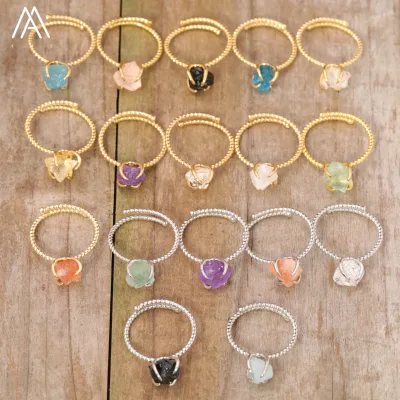


Factory Direct Sale Double Finger Ring Soild Yellow Gold Diamond Ring
$631.00 - $1332.00
MOQ: 1 Pieces

Factory Direct Sale Personalized Customization Exquisite Moissanite Ring
$243.00 - $580.00
MOQ: 1 Pieces

Wholesale Stainless Steel 18K Full Diamond Multi-Layer Open Adjustable Ring
$1.81 - $2.04
MOQ: 500 Pieces






Comprehensive Sourcing Guide
Strategic Sourcing Guide for Adjustable Diamond Wedding Rings
Navigating the global market for adjustable diamond wedding rings requires a disciplined approach that balances aesthetic desires with rigorous supply chain verification. Buyers seeking this specific category must understand that "adjustable" is a functional attribute often found in rings designed for flexibility in sizing, while "diamond" in a B2B context frequently refers to high-quality cubic zirconia (CZ) or lab-grown alternatives unless specified otherwise as natural stones. The following guide synthesizes observed market data and technical requirements to assist procurement professionals in identifying reliable manufacturing partners and defining precise product specifications.
Technical Specifications and Material Composition
The foundation of any successful procurement strategy lies in the accurate definition of material composition and fabrication processes. In the current supply landscape, the primary material for silver-based wedding rings is 925 Sterling Silver, which implies a purity of 92.5% silver content. This standard is critical for ensuring durability and preventing skin irritation, a common concern in jewelry procurement. Buyers must verify that the supplier explicitly states this purity level, as variations can lead to tarnishing or structural failure over time.
The fabrication process for these rings often involves a combination of techniques. Casting is a prevalent method for creating the initial ring structure, allowing for complex shapes such as hearts, geometries, or unique 3D designs. Following the casting phase, electroplating is frequently applied to achieve the desired surface finish. While the base metal may be silver, the plating options observed in the market include gold, rhodium, and silver, offering versatility in color. For rings marketed with "diamond" characteristics, the stone type is often specified as AAA CZ (Cubic Zirconia). This designation indicates a high grade of synthetic stone that mimics the optical properties of natural diamonds. Procurement teams must distinguish between natural diamond sourcing and high-grade CZ alternatives, as the cost drivers and supply chain implications differ significantly.
Furthermore, the sizing mechanism is a key technical differentiator. Adjustable rings typically utilize an open-shank design or a sliding mechanism that allows the wearer to alter the circumference. While some listings specify standard sizes like 6#, the "Customized" size attribute is prevalent, suggesting that manufacturers can produce rings to specific millimeter measurements. Buyers should request detailed technical drawings that illustrate the adjustment mechanism to ensure it does not compromise the structural integrity of the band or the security of the stone setting.
Compliance, Certification, and Standard Verification
In the jewelry sector, compliance is not merely a regulatory hurdle but a marker of quality and ethical sourcing. While specific certification documents were not universally observed in the general product listings, the standard for silver purity is often referenced as "silver" or explicitly defined as 925. Buyers must verify that the supplier adheres to international standards for precious metal content. The absence of a specific certification number in a product listing does not imply non-compliance, but it necessitates a direct inquiry into the supplier's quality assurance protocols.
When evaluating suppliers, the "Custom" standard noted in product attributes suggests a high degree of flexibility in meeting buyer-specific requirements. However, this flexibility must be balanced with adherence to safety standards regarding metal alloys and plating thickness. For rings intended for wedding use, which implies long-term wear, the plating durability is a critical compliance factor. Buyers should request evidence of plating thickness tests or adherence to specific industry standards for wear resistance. Additionally, the origin of the goods, often cited as Guangzhou, China, is a major manufacturing hub. While this location offers competitive pricing and rapid production capabilities, it requires rigorous due diligence regarding labor standards and environmental regulations.
Cost Drivers and Pricing Dynamics
Understanding the cost structure of adjustable diamond wedding rings is essential for budgeting and margin analysis. The observed price range in the market spans from $0.01 to $1332, a variance that reflects differences in material quality, design complexity, and order volume. The lower end of this spectrum typically corresponds to items with basic silver plating, standard AAA CZ stones, and minimal customization. Conversely, the higher end likely involves solid gold plating, larger or higher-grade stones, and intricate 3D designs.
The Minimum Order Quantity (MOQ) is a significant cost driver. Data indicates that MOQs can range from 20 to 500 pieces, with a common threshold of 30 pieces for many suppliers. This variability allows buyers to scale their orders based on demand forecasts. For smaller retailers or those testing new designs, suppliers with lower MOQs (e.g., 20 or 30 pieces) are preferable. However, larger wholesalers may negotiate better unit prices by committing to higher volumes. The payment terms, which include T/T, Bank Transfer, PayPal, and Western Union, also influence cash flow management. Buyers should factor in the potential costs associated with currency exchange and transaction fees when calculating the total landed cost.
Typical Applications and Market Segmentation
The application of adjustable diamond wedding rings extends beyond traditional bridal use. The product attributes indicate suitability for weddings, decoration, and gifts, with a specific focus on the female demographic, though some designs are noted as suitable for males or universal wear. The "Fashion" and "Simple" styles suggest these rings are versatile accessories that can be worn daily or for special occasions. The "Unique 3D Design" and "Creative" attributes highlight a trend towards personalized jewelry, where the ring serves as a statement piece rather than just a symbol of commitment.
For B2B buyers, the target market includes jewelry wholesalers, distributors, and potentially boutique retailers. The "OEM & ODM" (Original Equipment Manufacturer / Original Design Manufacturer) capabilities of suppliers are particularly valuable for brands looking to create proprietary collections. By leveraging the manufacturer's design capabilities, buyers can introduce exclusive products to their market, differentiating themselves from competitors selling generic inventory. The "Warmly Welcome" stance on OEM/ODM services indicates a collaborative approach from the supply side, allowing for customization of packaging, branding, and design elements to meet specific brand identities.
Supplier Evaluation and Operational Capabilities
Selecting the right supplier requires a comprehensive evaluation of their operational capabilities and reliability. Key factors include the manufacturer's ability to handle customization, their sample lead times, and their logistics network. The observed sample time of "Within 15 Work Days" provides a benchmark for planning product launches. Buyers should ensure that this timeline aligns with their marketing and sales schedules.
The shipping methods, which include DHL, FedEx, TNT, and UPS, indicate that suppliers are equipped to handle international logistics efficiently. However, buyers must verify the specific shipping terms (e.g., FOB, CIF) to understand who bears the risk and cost during transit. The packaging standards, described as "OPP Bag, Strong Carton" or "OPP Bags+Cartons," suggest that the products are protected for shipment, but buyers may need to request additional branding or protective packaging for retail presentation.
When evaluating suppliers, it is crucial to assess their communication channels and responsiveness. The availability of multiple payment methods and the willingness to accommodate custom orders are positive indicators. However, buyers should conduct background checks on the supplier's history, including their experience with similar products and their track record for meeting deadlines. The "Manufacturer" advantage noted in product attributes suggests that dealing directly with the factory can reduce costs and improve communication, provided the buyer can manage the complexities of international trade.
Quality Control and Long-Term Procurement Considerations
Quality control is paramount in the jewelry industry, where even minor defects can lead to customer returns and brand damage. Given the "Custom" nature of many orders, a robust quality control protocol is essential. Buyers should implement a multi-stage inspection process, including pre-production sample approval, in-process quality checks, and final random inspection before shipment. The "Polishing" and "Electroplating" processes require specific attention to detail to ensure a uniform finish and consistent color.
Long-term procurement considerations involve building a sustainable relationship with the supplier. This includes establishing clear communication channels, agreeing on consistent quality standards, and planning for future scalability. The ability of the supplier to handle large orders without compromising quality is a critical factor for growth. Additionally, buyers should consider the environmental impact of their sourcing decisions, particularly regarding the sourcing of metals and the disposal of plating waste.
To mitigate risks, buyers should diversify their supplier base rather than relying on a single source. This strategy ensures continuity of supply in the event of disruptions. Regular audits and performance reviews can help maintain high standards and foster a collaborative environment. By focusing on these strategic elements, buyers can secure a reliable supply of adjustable diamond wedding rings that meet both their quality expectations and market demands.
Comparative Analysis of Product Attributes
To facilitate decision-making, the following table summarizes key product attributes observed in the market, highlighting the variations buyers may encounter.
| Attribute | Common Observation | Procurement Consideration |
|---|---|---|
| Material | 925 Sterling Silver (92.5% Purity) | Verify purity certificates; check for base metal alternatives like Copper. |
| Stone Type | AAA CZ (Cubic Zirconia) | Clarify if natural diamonds are available; confirm stone grade consistency. |
| Plating | Gold, Rhodium, Silver | Request plating thickness specifications; test for color fastness. |
| Shape | Round, Geometry, Heart | Ensure 3D design capabilities match brand aesthetic requirements. |
| MOQ | 20 to 500 PCS (Commonly 30) | Negotiate based on order volume; consider sample orders for new designs. |
| Origin | Guangzhou, China | Verify factory location; assess logistics and lead time reliability. |
| Packaging | OPP Bag + Strong Carton | Customize packaging for retail; ensure protection during transit. |
| Customization | Available (OEM/ODM) | Define design requirements clearly; confirm sample lead times. |
This comparative analysis underscores the importance of clear communication and precise specification definition. By understanding these attributes, buyers can effectively navigate the complexities of the Adjustable Diamond Wedding Ring market and secure high-quality products that align with their business objectives.
FAQs
What material is used for adjustable diamond wedding rings?
The primary material is 925 Sterling Silver with 92.5% purity. Some listings also specify copper as a base metal, while stones are typically AAA CZ to mimic diamonds.
Can suppliers customize the size and design of these rings?
Yes, customization is available with sizes often listed as customized. Manufacturers offer unique 3D designs and shapes like hearts or geometry, supporting OEM and ODM requests.
What is the typical minimum order quantity for these rings?
The minimum order quantity ranges from 20 to 500 pieces, with 30 pieces being a common threshold. Buyers should verify specific MOQs as they vary by supplier and design complexity.
How long does it take to receive samples for these rings?
Sample time is typically within 15 work days. This timeline allows buyers to verify quality and design before committing to larger production orders with the manufacturer.
Which payment methods are accepted for purchasing these rings?
Accepted payment methods include T/T, Bank Transfer, PayPal, Western Union, and Money Gram. Buyers should confirm specific terms with the supplier to ensure secure transaction processing.
What plating options are available for silver wedding rings?
Plating options include gold, rhodium, and silver finishes. Electroplating and polishing are standard fabrication processes used to achieve these durable and aesthetic surface treatments on the rings.
Where are these adjustable rings typically manufactured?
These rings are typically manufactured in Guangzhou, China. This location is a major hub for jewelry production, offering competitive pricing and efficient logistics for international shipping.