Source Adjustable Cutting Size Cabbage Shredder for Snack Factories, Bakeries, and Catering
Compare 30 adjustable cutting size cabbage shredders from verified Chinese manufacturers. These electric units feature stainless steel construction, PLC control, and customizable output for snack food factories, commercial catering, and bakery applications.
Key considerations
Products List

High Efficiency Cabbage Cutting Equipment Onion Shredding Machine Vegetable Shredder
$7950.00 - $9910.00
MOQ: 1 Sets

Automatic Lettuce Cabbage Shredder Vegetable Shred Machine Stainless Steel Veg Chopper
$2280.00 - $3850.00
MOQ: 1 Sets

Commercial Cabbage Shredder Electric Vegetable Chopper Machine Efficient Veg Cutting Device
$2280.00 - $3850.00
MOQ: 1 Sets

Industrial Cabbage Shredder Commercial Vegetable Chopping Machine Multi-Functional Veg Cutter
$2280.00 - $3850.00
MOQ: 1 Sets

Commercial Cabbage Shredder Vegetable Chopper Machine Professional Veg Cutting Tool
$2280.00 - $3850.00
MOQ: 1 Sets
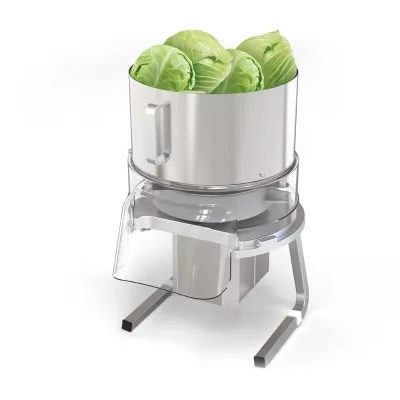


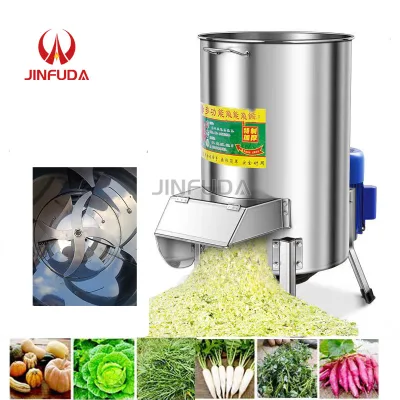


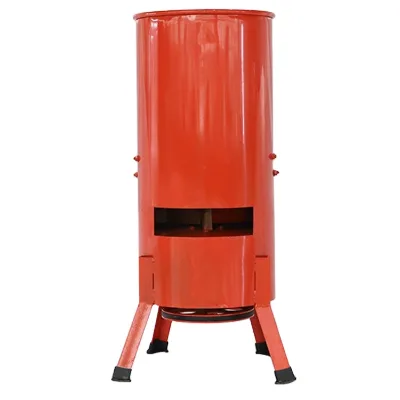
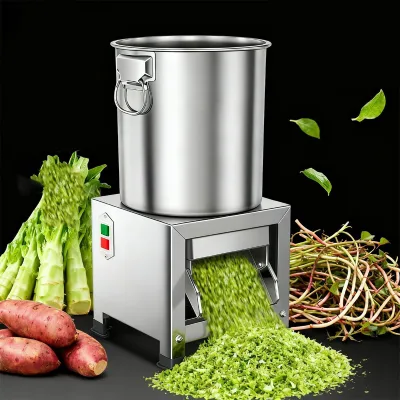

High Speed Shredder Centrifugal Cabbage Shredding Machine and Potato Slicer
$1500.00 - $2325.00
MOQ: 1 Pieces

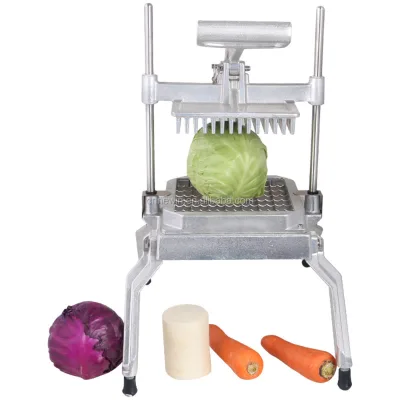


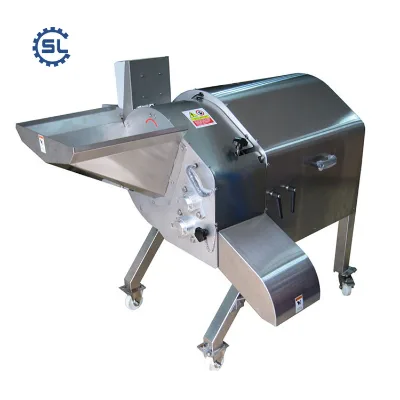


The Best Fruit and Vegetable Shredder
$50.00 - $55.00
MOQ: 10 Pieces
Hunan Dongfanghong Electromechanical Manufacturing Co., Ltd.
Comprehensive Sourcing Guide
Strategic Sourcing Guide for Adjustable Cutting Size Cabbage Shredders
The procurement of industrial food processing equipment, specifically an Adjustable Cutting Size Cabbage Shredder, requires a rigorous approach that balances technical precision with supply chain reliability. Buyers in the snack food, fruit processing, and commercial catering sectors must navigate a market where specifications vary significantly between manufacturers. This guide synthesizes available product data and industry standards to provide a structured framework for evaluating potential suppliers and selecting machinery that meets specific operational needs. The focus remains on evidence-based criteria, ensuring that procurement decisions are grounded in verified attributes rather than marketing assertions.
Technical Specifications and Operational Capabilities
When evaluating an Adjustable Cutting Size Cabbage Shredder, the primary technical differentiator is the machine's ability to handle variable throughput while maintaining consistent cut quality. The core mechanical architecture often centers on the knife roll and feed structure. Observed data indicates that high-performance units frequently utilize a tangential feed structure paired with a solid knife roller. This configuration is critical for processing fibrous vegetables like cabbage without causing jamming or uneven slicing. The automation level is another pivotal specification; modern units are predominantly automatic, often featuring computerized control systems that allow for precise adjustments to cutting dimensions without manual intervention.
Power and material composition are equally vital. The power source for these industrial shredders is typically electric, with specific models citing a power rating of 1.5KW, though larger industrial variants may require higher capacities. The machine material is a decisive factor for food safety and longevity; the standard specification for high-grade units involves Stainless Steel SUS304, with some advanced models offering SUS316 for enhanced corrosion resistance. This material choice ensures compliance with food hygiene standards and facilitates easy cleaning. Furthermore, the shaft design is often single-shaft for specific crushing applications, but for shredding, the focus remains on the knife assembly. Buyers should verify the production capacity, which ranges widely from 80-100KG/H for smaller units to 200-6000kg/H for heavy-duty industrial shredders, depending on the specific model and intended application volume.
Compliance, Certification, and Regulatory Standards
Navigating the regulatory landscape is essential for international procurement. The supplied product data highlights several key certifications that serve as indicators of manufacturing quality and safety compliance. A high-confidence observation is the presence of ISOCE and CE/ISO certifications, alongside ISO9001:Computerized standards. These certifications suggest that the manufacturing process adheres to international quality management systems and electrical safety standards. Additionally, some listings reference TUV certification, which is a recognized standard for technical safety and quality in the machinery sector.
Buyers must verify that the specific unit they are purchasing carries the relevant certificates for their target market. The standard production origin locations identified include Shandong, Guangdong, and Jiangsu in China. While these regions are hubs for machinery manufacturing, the specific origin of the unit should be confirmed to ensure it aligns with trade agreements or regional sourcing preferences. The warranty period is another compliance-related metric, with a standard offering of 1 Year observed in the data. This warranty coverage typically applies to core components, such as the motor, which is often highlighted as a key selling point due to its famous brand status and reliability. Ensuring that the supplier provides valid, up-to-date certification documents is a prerequisite before finalizing any purchase agreement.
Cost Drivers and Pricing Structures
The pricing landscape for adjustable cutting size cabbage shredders is highly variable, influenced by capacity, material grade, and automation levels. The observed listed price range spans from approximately 38.68 USD to 370,000 USD. This vast disparity reflects the difference between small-scale commercial units and large-scale industrial processing lines. The primary cost drivers include the power rating, the type of stainless steel used (SUS304 vs. SUS316), and the sophistication of the control system, such as P.L.C Control using imported brands.
Minimum Order Quantity (MOQ) is another significant factor in the total cost of ownership. The data indicates an MOQ range of 1 to 10 units, with many suppliers offering a single set as the entry point. This flexibility allows smaller businesses to enter the market without significant capital commitment. However, buyers should be aware that the "Selling Units" are often listed as single items, which may imply that bulk discounts are negotiated separately. The production capacity, ranging from 80-100KG/H up to 6000kg/H, directly correlates with the price; higher throughput machines command a premium. Additionally, the customization of the product model and dimensions adds to the cost, as custom specifications require unique engineering and tooling.
Typical Applications and Industry Suitability
The versatility of adjustable cutting size cabbage shredders makes them suitable for a diverse range of industries. The observed application fields explicitly include Snack Food Factories, Fruit Processing Plants, Commercial Catering, and Bakeries. In these environments, the ability to adjust the cutting size is crucial for product consistency, whether producing cabbage for coleslaw, slicing fruits for packaging, or preparing ingredients for bakery fillings. The machine's structure, specifically the tangential feed and solid knife roller, is optimized for these soft-to-medium hardness food items.
However, the data also points to applications in non-food sectors, such as Automobile Recycling and Waste Plastic Crushing. While the core keyword focuses on cabbage shredding, buyers must ensure the specific model selected is configured for food processing and not industrial waste. The "Suit for" attribute in some listings mentions Automobile Recycling, indicating that the same mechanical principles can be applied to different materials. Therefore, it is imperative to confirm that the machine's internal components, such as the knife roll and shaft design, are appropriate for food-grade applications to avoid cross-contamination or performance issues. The key selling points of "Long Service Life" and "High Productivity" are particularly relevant for high-volume facilities where downtime is costly.
Supplier Evaluation and Manufacturing Verification
Evaluating a supplier requires a deep dive into their production capabilities and service offerings. The data suggests that suppliers often provide support for inspection and testing, a critical service for verifying machine performance before shipment. Buyers should prioritize suppliers who offer this service, as it allows for on-site or third-party verification of the machine's output and safety features. The production capacity of the supplier itself, noted as 200-6000kg/H in some contexts, should be aligned with the buyer's volume requirements to ensure consistent supply.
The customization capabilities of the supplier are another vital evaluation metric. The product attributes indicate that customization is available, including support for logo customization and tailored dimensions. This flexibility is essential for buyers with specific space constraints or branding requirements. The delivery period, ranging from 7 to 45 days, is a standard lead time that buyers must factor into their production planning. Additionally, the packing method, typically a wooden case or wooden pallet, is crucial for protecting the machinery during transit. Buyers should verify that the packaging meets international shipping standards to prevent damage. The condition of the machines is listed as "New," but buyers should request proof of this status and any relevant test reports to ensure the equipment is not refurbished or used.
Quality Control and Long-Term Procurement Considerations
Ensuring long-term value requires a focus on quality control (QC) and maintenance planning. The core components of the machine, such as the motor, are often highlighted as advantages due to their brand reputation and reliability. However, the overall condition of the machine, including the shaft design and knife roll, must be inspected for wear and tear. The "Mild Processing" attribute suggests that the machine is designed for gentle handling of materials, which is beneficial for preserving the texture of cabbage and other vegetables.
For long-term procurement, the warranty and after-sales support are paramount. A standard 1-year warranty is observed, but buyers should negotiate extended coverage for critical components. The availability of spare parts, particularly for the knife roll and motor, is essential for minimizing downtime. The control system, often featuring P.L.C Control, should be user-friendly and supported by the supplier for troubleshooting. Furthermore, the standard dimensions, such as 1085x795x1525mm or 750(L)530(W)1270(H)(mm), must be verified against the buyer's facility layout to ensure proper installation. The weight of the machine, observed at 20 KG for some models, also impacts installation logistics and floor loading requirements. By rigorously checking these quality control points and planning for long-term maintenance, buyers can secure a reliable asset that enhances their production efficiency.
Comparative Analysis of Key Product Attributes
To facilitate decision-making, the following table summarizes the key attributes observed in the market for adjustable cutting size cabbage shredders. This comparison highlights the variability in specifications that buyers must navigate.
| Attribute Category | Observed Range / Specifics | Procurement Implication |
|---|---|---|
| Certification | ISOCE, CE/ISO, ISO9001, TUV | Verify specific certificates for target market compliance. |
| Material | SUS304, SUS316 | SUS316 offers better corrosion resistance; verify grade for food safety. |
| Power Source | Electric (1.5KW to higher) | Ensure electrical infrastructure matches voltage (e.g., 380V). |
| Automation | Automatic, Computerized, P.L.C Control | Higher automation reduces labor costs but increases initial price. |
| Production Capacity | 80-100KG/H to 200-6000kg/H | Match capacity to daily production volume to avoid bottlenecks. |
| MOQ | 1 Set to 10 Units | Lower MOQ allows for smaller orders; negotiate bulk pricing. |
| Lead Time | 7-45 Days | Plan production schedules around this delivery window. |
| Warranty | 1 Year (Standard) | Confirm coverage details for motors and core components. |
| Packing | Wooden Case, Wooden Pallet | Ensure packaging is robust for international shipping. |
| Origin | Shandong, Guangdong, Jiangsu, China | Verify origin for trade compliance and logistics planning. |
In conclusion, sourcing an Adjustable Cutting Size Cabbage Shredder involves a meticulous evaluation of technical specifications, certifications, and supplier capabilities. By adhering to the evidence-based criteria outlined in this guide, buyers can make informed decisions that align with their operational requirements and quality standards. The variability in the market necessitates a tailored approach, ensuring that the selected machine not only meets immediate processing needs but also offers long-term reliability and value.
FAQs
What certifications do adjustable cutting size cabbage shredders typically hold?
These machines typically hold CE, ISO, and ISO9001 certifications. Some listings also reference TUV standards. Buyers must verify specific certificates for their target market compliance before purchasing.
Can I customize the dimensions of an Adjustable Cutting Size Cabbage Shredder?
Yes, customization of dimensions is available for many models. The standard dimensions vary, such as 1085x795x1525mm or 750x530x1270mm, but custom options exist. This flexibility allows buyers to fit specific facility layouts.
Which material is used for the main body of these shredders?
The main body is constructed from Stainless Steel SUS304. Some advanced models offer SUS316 for enhanced corrosion resistance. This material choice ensures compliance with food hygiene standards and facilitates easy cleaning.
How long is the delivery period for an Adjustable Cutting Size Cabbage Shredder?
The delivery period ranges from 7 to 45 days. This lead time depends on the specific model and customization requirements. Buyers should plan their production schedules around this window to avoid delays.
What is the minimum order quantity for purchasing this equipment?
The minimum order quantity ranges from 1 set to 10 units. Many suppliers offer a single set as the entry point for smaller businesses. Bulk discounts may be negotiated separately depending on the total volume.
Which power source and voltage are standard for these machines?
These machines use an electric power source with a standard voltage of 380V. Specific models may cite a power rating of 1.5KW, though larger units require higher capacities. Ensure your electrical infrastructure matches these requirements.
Can the machine be used for industries other than food processing?
While designed for food, some listings indicate suitability for automobile recycling and waste plastic crushing. Buyers must confirm the specific model is configured for food processing to avoid cross-contamination or performance issues in food applications.