Source Adjustable Dial Adult Bicycle Helmet for Road, MTB, and Outdoor Sports
Find 30 Adjustable Dial Adult Bicycle Helmet options featuring PC+EPS materials and CE certification. Compare OEM/ODM customization, weight specs, and lead times from suppliers in Hebei and Guangdong to secure reliable head safety protection for cycling applications.
Key considerations
Products List

Bicycle Bike Cycling Portable Durable Safety Helmets for Children and Adults
$1.00 - $1.40
MOQ: 1000 Pieces

Adjustable Size Cycling Helmet Speed Safety Breathable Teenagers Adults Bike Road Helmets
$33.45 - $34.60
MOQ: 500 Pieces

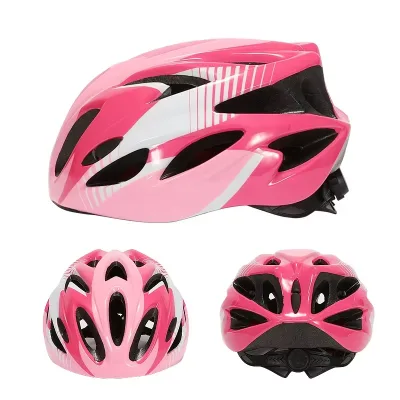
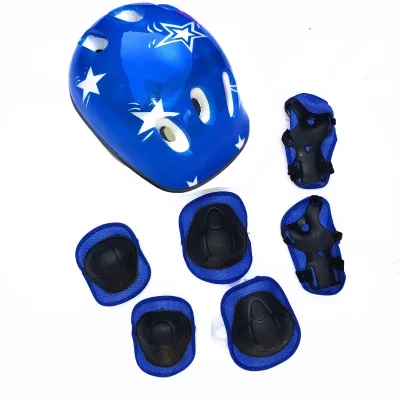
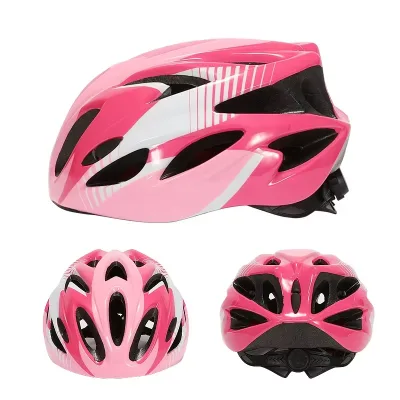


Multiple Colors Adjustable Dial Fit Durable Micro Shell Adult Youth Bike Helmet
$2.65 - $2.85
MOQ: 350 Pieces

Men Women Integrated Taillight Adjustable Fit System Adult Urban Bike Helmet
$6.94 - $7.14
MOQ: 140 Pieces

Adjustable Helmet with LED Light Bicycle Bike Helmet Bicycle Sport for Adults
$13.50 - $15.80
MOQ: 500 Pieces

Adjustable Adult Unisex Cycling Bike Bicycle Safety Helmets for Outdoor Sports
$3.55 - $4.50
MOQ: 100 Pieces


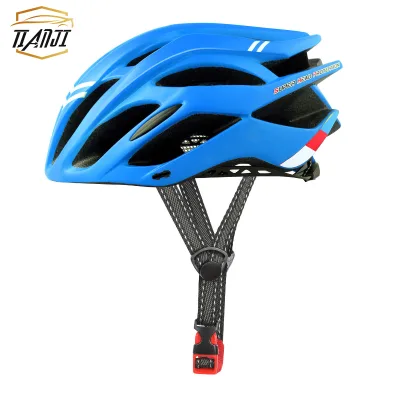


Comprehensive Sourcing Guide
Adjustable Dial Adult Bicycle Helmet Sourcing Guide
Sourcing adjustable dial adult bicycle helmets requires a disciplined approach that balances safety compliance, ergonomic fit, and commercial viability. The adjustable dial mechanism is a critical component for ensuring a secure and comfortable fit across various head shapes and sizes, making it a key differentiator in the adult cycling market. Buyers must navigate a landscape where product attributes vary significantly between suppliers, from material composition to certification standards. This guide provides evidence-based procurement strategies to help buyers identify reliable suppliers, verify technical specifications, and mitigate risks associated with safety equipment procurement.
The following sections outline the essential steps for sourcing these helmets, focusing on observable listing signals, technical verification, compliance documentation, cost analysis, supplier qualification, and long-term quality management. By adhering to these guidelines, buyers can make informed decisions that align with their brand requirements and safety standards. The goal is to establish a robust supply chain that delivers high-quality, compliant products while maintaining competitive pricing and reliable lead times.
Product Scope and Observed Listing Signals
Buyers should carefully analyze product listings to distinguish between genuine adult bicycle helmets and those mislabeled for other demographics. Observed data indicates that some listings explicitly state "Adults" as the age group, while others mention "Kids Bike" applications, which may suggest a mismatch in product targeting or listing accuracy. It is crucial to verify that the helmet is designed for adult head sizes, typically ranging from 57 to 60 cm in circumference, as indicated by specific hoop size observations. Misalignment between the stated application and the target demographic can lead to fit issues and customer dissatisfaction, so buyers must prioritize listings that clearly specify adult suitability.
Another key signal is the presence of customization options, which are frequently highlighted in supplier profiles. Attributes such as "Customization: Available," "OEM&ODM Support," and "Custom Logo" suggest that suppliers are willing to tailor products to specific brand requirements. However, buyers should also note that some listings describe the product as "Non-Customized," indicating a standard, off-the-shelf offering. Understanding the supplier's flexibility is essential for buyers seeking unique designs or branded products. Additionally, the observed weight range of 240g to 275g provides a benchmark for evaluating the helmet's material efficiency and comfort, with lighter weights generally preferred for performance cycling.
Technical Specifications to Verify
Technical verification begins with the helmet's construction materials, which directly impact safety and durability. Common materials observed include PC+EPS (Polycarbonate + Expanded Polystyrene) and EPS alone, each offering different levels of impact absorption and shell strength. Buyers should confirm the specific material composition to ensure it meets their performance expectations. The presence of air vents is another critical specification, with some listings noting "16" vents and others referencing "Air Vents: >Certification:CE," which may indicate a design feature linked to safety standards. Verifying the number and placement of vents helps assess the helmet's ventilation efficiency, which is vital for comfort during extended rides.
The adjustable dial mechanism itself requires close inspection to ensure it functions smoothly and securely. Buyers should verify the dial's size compatibility, with observed hoop sizes ranging from 57 to 60 cm, to ensure it accommodates the target adult demographic. Additionally, the helmet's weight, observed at 240g and 275g, should be consistent with the material specifications to avoid discrepancies that could indicate lower-quality components. Buyers should also check for additional features such as "Head Safety Protection" functions and "Protect the head" attributes, which reinforce the helmet's primary purpose. Ensuring these technical details are accurately described and verified is essential for maintaining product quality and safety.
Compliance and Safety Documentation
Compliance with safety standards is non-negotiable for bicycle helmets, and buyers must verify that suppliers provide valid certification documentation. Observed data indicates that many listings reference "CE" certification and "EN 1078" standards, which are recognized benchmarks for helmet safety in Europe. Buyers should request copies of test reports and certification certificates to confirm that the helmets have undergone rigorous testing for impact absorption, strap strength, and field of vision. It is important to note that some listings mention "ISOCE" certification, which may be a typographical error or a specific supplier designation, so buyers should clarify the exact standard being referenced.
In addition to CE and EN 1078, buyers should inquire about other relevant safety standards depending on their target market. For instance, the US market may require CPSC certification, while other regions may have their own regulatory requirements. Buyers should ensure that the supplier can provide documentation for all applicable standards to avoid legal and safety liabilities. The observed "Test Standard: CE En1078" suggests that some suppliers are already aligned with European norms, but buyers should verify that this testing is current and conducted by an accredited laboratory. Proper documentation not only ensures compliance but also enhances the product's credibility in the marketplace.
Cost Drivers and Commercial Terms
Cost drivers for adjustable dial adult bicycle helmets include material quality, certification compliance, and customization complexity. Suppliers offering OEM&ODM support may charge higher prices due to the additional engineering and design work involved. Buyers should also consider the impact of MOQ (Minimum Order Quantity) on pricing, with observed ranges from 2 to 1000 units. Lower MOQs may result in higher per-unit costs, while larger orders can leverage economies of scale. The observed price range of 1-59.99 USD highlights the variability in pricing, which can be influenced by factors such as material thickness, vent design, and branding options.
Commercial terms such as lead time and payment conditions are equally important. Observed lead times of 45 days suggest that production and shipping can be time-consuming, so buyers should plan their inventory accordingly. Suppliers may offer different payment terms, such as deposits or letters of credit, which can affect cash flow. Buyers should negotiate terms that align with their business needs and risk tolerance. Additionally, the observed packing methods, including "Color Box" and "Carton," can impact shipping costs and product protection, so buyers should consider these factors when calculating total landed costs.
Supplier Qualification and Quality Control
Supplier qualification is a critical step in ensuring the reliability and consistency of the supply chain. Buyers should assess suppliers based on their production capacity, quality control processes, and track record. Observed data indicates that suppliers are located in regions such as Xingtai Hebei and Guangdong China, which are known for manufacturing expertise. Buyers should verify the supplier's facility conditions and ask for references or case studies to gauge their reliability. Additionally, suppliers with "Custom Logo" capabilities should be evaluated on their ability to maintain brand consistency and quality across customized orders.
Quality control measures should be clearly defined and enforced throughout the production process. Buyers should request information on the supplier's QC protocols, including in-line inspections and final random inspections. The observed "Condition: New" attribute suggests that suppliers are providing new products, but buyers should verify that there are no defects or inconsistencies in the finished goods. Implementing a robust QC plan, including third-party inspections if necessary, can help mitigate the risk of receiving substandard products. Buyers should also establish clear communication channels with suppliers to address any quality issues promptly and effectively.
Long-Term Procurement Checks
Long-term procurement success depends on continuous monitoring and evaluation of supplier performance. Buyers should establish key performance indicators (KPIs) such as on-time delivery, product quality, and responsiveness to issues. Regular audits and feedback sessions can help identify areas for improvement and strengthen the partnership. The observed "Season: Universal" and "Spring & Autumn" attributes suggest that the helmets are suitable for year-round use, but buyers should monitor market trends and customer feedback to ensure the product remains relevant. Adjusting procurement strategies based on these insights can help maintain a competitive edge.
Additionally, buyers should stay informed about changes in safety standards and regulatory requirements that may impact their sourcing decisions. The dynamic nature of the cycling industry means that new technologies and materials may emerge, offering opportunities for product enhancement. Buyers should engage with suppliers to explore these innovations and assess their potential benefits. By maintaining a proactive approach to procurement, buyers can build a resilient supply chain that delivers high-quality, compliant products while adapting to market changes. This long-term perspective is essential for sustaining business growth and customer satisfaction.
FAQs
What certifications do these bicycle helmets meet?
These helmets meet the CE En1078 test standard for head safety protection. This certification ensures the product satisfies required safety benchmarks for cycling gear. Buyers can verify compliance through the documented certification details provided in the product specifications. This standard is essential for market entry in regions requiring strict safety adherence for protective sports equipment.
Can I customize the logo and color of the helmet?
Yes, OEM and ODM support is available for customization. Buyers can request custom logos and choose from colors like blue, pink, yellow, or red. The product attributes indicate that customization is available, allowing brands to tailor the appearance. This flexibility supports unique branding requirements for different market segments and promotional campaigns.
What is the minimum order quantity for these helmets?
The minimum order quantity varies by supplier, typically ranging from 100 to 150 pieces per color or size. Some listings indicate an MOQ of 100pcs, while others specify 150PCS per color or size. Buyers should confirm the exact MOQ with the supplier before placing an order to ensure it aligns with their inventory needs and budget constraints.
What materials are used to construct these helmets?
The helmets are constructed using PC and EPS materials. This combination provides durable outer shells and effective impact absorption. The material composition ensures lightweight performance while maintaining structural integrity. This construction method is standard for protective headgear, balancing safety requirements with comfort for adult riders during outdoor sports and road cycling races.
How long is the lead time for production?
The lead time for production is approximately 45 days. This duration allows for manufacturing, quality control, and preparation for shipment. Buyers should plan their inventory replenishment strategies accordingly to avoid stockouts. The lead time is a critical factor for supply chain planning, especially for large orders requiring specific customization or packaging arrangements.
Where are these helmets manufactured?
These helmets are manufactured in Xingtai, Hebei, and Guangdong, China. These regions are known for their manufacturing capabilities in sports equipment. Buyers can source products from these locations, ensuring access to established supply chains. The origin information helps buyers assess logistics costs and potential shipping times when importing these protective gear items.