Source Adjustable Embroidered Bow Tie for Weddings, Gifts, and Events
Compare 30 Adjustable Embroidered Bow Tie options from verified Chinese suppliers. Buyers can review materials like polyester and silk, customization features, and packaging details to find the right fit for weddings, gifts, and events.
Key considerations
Products List


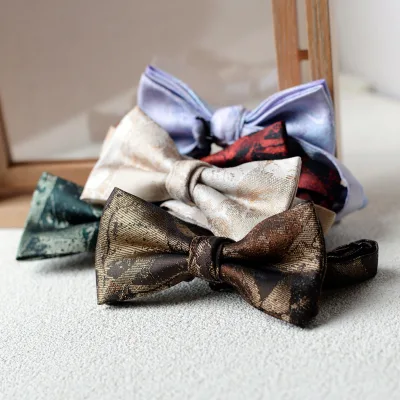
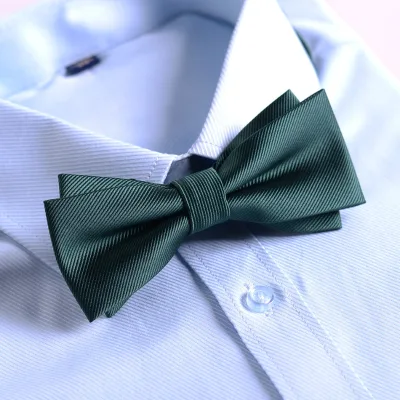
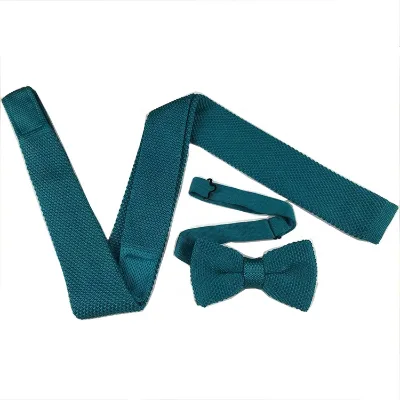
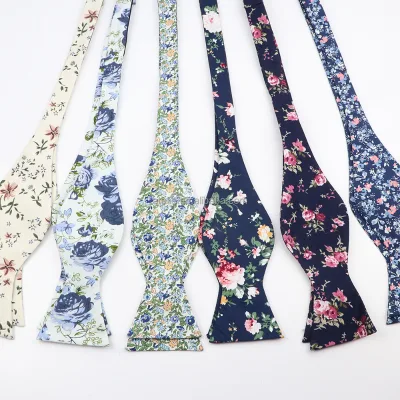


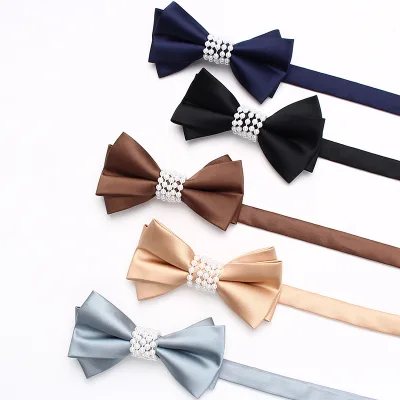
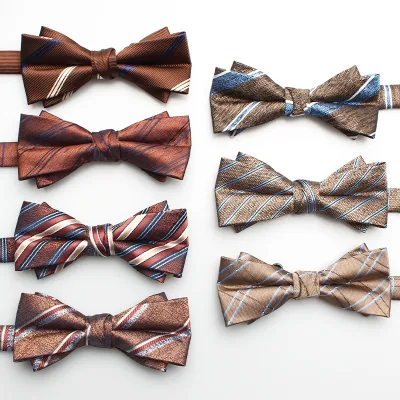
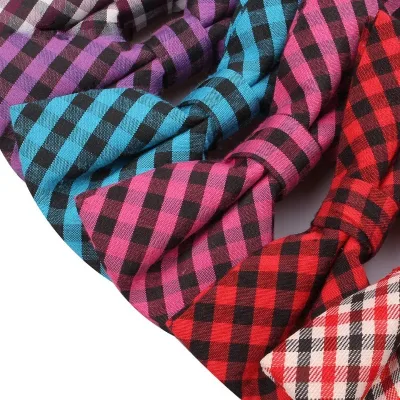


Comprehensive Sourcing Guide
Strategic Sourcing Guide for Adjustable Embroidered Bow Ties
Understanding Product Specifications and Material Variability
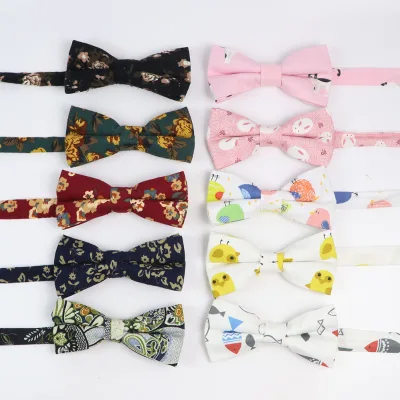
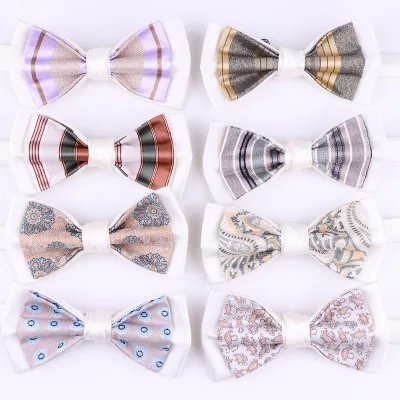
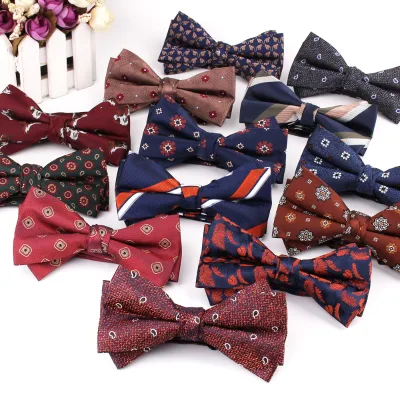
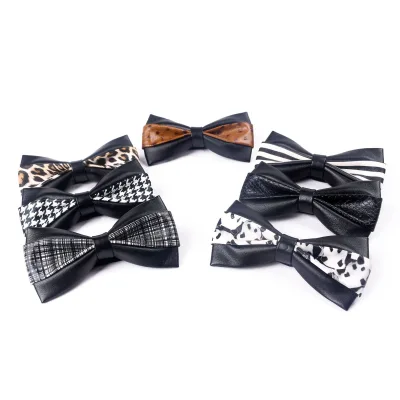
When sourcing adjustable embroidered bow ties, the first critical step is to establish a clear understanding of the technical specifications that define the product's quality and fit. The market offers a diverse range of materials, with the supplied data indicating a split between polyester and 100% silk options. Polyester variants are frequently noted for their durability and ease of maintenance, often featuring a "Quick Dry" attribute which is advantageous for frequent wear or humid environments. In contrast, silk options provide a distinct sheen and texture, though they require more careful handling. The pattern selection is equally varied, ranging from Jacquard weaves to plain and solid designs, with specific mentions of "Printed" styles. Buyers must verify the specific material composition for each supplier, as the visual appearance of a bow tie can differ significantly based on whether the base fabric is a synthetic blend or natural fiber.
The physical dimensions and structural integrity are paramount for an adjustable bow tie. Standard specifications often cite dimensions such as 11cm in length by 6cm in width, or 100cm in length by 6.5cm in width, depending on the intended use and model number. The "Adjustable" feature is a key functional requirement, ensuring the accessory fits various neck sizes comfortably. This adjustability is typically achieved through a strap mechanism, which must be robust enough to hold the bow shape without slipping. The product models observed in the market, such as "BT2506," "7867," and "D38-", suggest that manufacturers utilize specific coding systems to denote style, size, or material batch. Buyers should request detailed dimension sheets for each model to ensure compatibility with the intended wardrobe or uniform requirements. Furthermore, the "Single package size" varies from compact 5x8x5 cm units to larger 20x12x10 cm packages, which directly impacts shipping logistics and storage costs.
Compliance Standards and Quality Verification Protocols
Quality assurance in the textile industry relies heavily on adherence to recognized standards and rigorous testing protocols. The supplied context explicitly mentions "SGS" as a product standard, indicating that third-party verification is a common practice for these items. SGS certification typically involves testing for color fastness, fabric strength, and chemical safety, ensuring the product meets international safety requirements. Additionally, the presence of "Needle detection" as a listed attribute is a critical safety feature, particularly for products intended for children or gifts. This process ensures that no metal fragments remain in the finished textile, preventing injury during use. Buyers must confirm that the supplier has a documented needle detection protocol in place, rather than relying solely on visual inspection.
While "OEKO-TEX" is mentioned in the background context, it is categorized as low-confidence and should not be assumed as a standard for every product. Instead, buyers should actively request proof of compliance with relevant textile safety standards, such as restrictions on azo dyes or formaldehyde content, depending on the target market regulations. The "Environmentally Friendly" attribute suggests that some manufacturers are adopting sustainable practices, but this claim requires verification through specific certifications or material sourcing disclosures. The "Embroidered" technique mentioned in the product attributes adds a layer of complexity to quality control. Embroidery must be secure, with no loose threads that could unravel or cause irritation. The "Durable" and "Breathable" features listed for certain models indicate that the fabric and stitching are designed for longevity and comfort, but these claims should be validated through sample testing rather than accepted as marketing statements.
Cost Drivers and Pricing Structure Analysis
The pricing of adjustable embroidered bow ties is influenced by several interconnected factors, including material cost, production complexity, and order volume. The observed price range in the market spans from $0.08 to $7.99 USD, a significant variance that reflects differences in material quality and customization levels. Polyester options generally occupy the lower end of this spectrum, offering a cost-effective solution for bulk orders or promotional items. Conversely, 100% silk bow ties command higher prices due to the raw material cost and the specialized labor required for handling delicate fabrics. The "Customization" availability is another major cost driver; products with custom branding, unique colorways, or specific embroidery designs will incur additional setup fees and higher unit costs compared to standard stock items.
Minimum Order Quantity (MOQ) also plays a pivotal role in the final cost per unit. The data indicates an MOQ range from 1 piece to 500 pieces. Suppliers offering an MOQ of 1 piece are ideal for sampling or small-scale retail, but the unit price will be significantly higher. As the order volume increases, the economies of scale typically reduce the per-unit cost, making bulk purchasing more economical for corporate events or large retailers. The "Selling Units" being listed as "Single item" suggests that individual packaging is standard, which adds to the packaging cost. Buyers should negotiate based on the total volume to secure better pricing tiers. Additionally, the "Service" attributes, such as ODM and OEM capabilities, imply that custom manufacturing services are available, which may involve additional costs for design development and tooling.
Typical Applications and Market Segmentation
Adjustable embroidered bow ties serve a wide array of applications, catering to both formal and casual market segments. The "Application" attributes highlight uses in "Wedding" ceremonies and as "Gift" items, indicating their popularity in the lifestyle and event sectors. For weddings, the "Adjustable" feature is essential for accommodating guests of all ages and sizes, while the "Embroidered" design adds a touch of elegance and personalization. The "Casual" style attribute suggests that these products are also suitable for everyday wear, social gatherings, or semi-formal events where a full suit is not required. The variety of colors listed, including beige, red, black, brown, lavender, green, camel, white, teal, and blue, allows buyers to match specific themes or brand colors.
The "Kids Size" specification mentioned in the product attributes points to a specific market segment: children's formal wear. Bow ties for children require smaller dimensions and often more durable materials to withstand active play. The "Gift" application further expands the market potential, as these items are frequently purchased as party favors, corporate gifts, or holiday presents. The "Multifunction" attribute suggests that some models may be designed for versatility, perhaps convertible to other accessories or suitable for multiple occasions. Understanding the specific application is crucial for selecting the right product; a bow tie intended for a wedding may require higher-end materials like silk, while one intended for a corporate gift might prioritize durability and cost-effectiveness.
Supplier Evaluation and Operational Due Diligence
Evaluating suppliers for adjustable embroidered bow ties requires a comprehensive approach that goes beyond price comparison. The "Place of Origin" data indicates that the majority of these products originate from China, specifically regions like Zhejiang and Shengzhou, which are known for their textile manufacturing capabilities. Buyers should verify the supplier's production capacity and lead times, as these factors can impact the ability to meet tight deadlines. The "Shipping" options listed, including DHL, FedEx, UPS, and EMS, provide flexibility in logistics, but buyers should confirm the reliability and cost of these services for their specific destination.
The "Brand Name" attribute, such as "Haibei," suggests that some suppliers may have established brand identities, while others may operate as white-label manufacturers. Buyers should assess the supplier's reputation for consistency and reliability. The "Customization" availability is a key indicator of a supplier's flexibility; a capable supplier should be able to accommodate changes in material, size, and design without significant delays. The "Single gross weight" of the product, ranging from 0.050 kg to 0.148 kg, is important for calculating shipping costs and determining the most efficient packaging strategy. Buyers should also inquire about the supplier's quality control processes, including in-line inspections and final random inspections, to ensure that the delivered products meet the agreed-upon standards.
Long-Term Procurement and Inventory Management Strategies
Sourcing adjustable embroidered bow ties for long-term success requires a strategic approach to inventory management and supplier relationships. The "Packing" specifications, such as "Plastic Bags and Carton Boxes" or "Each Inside a Polybag, 200-300 PCS Inside a Carton," provide insight into how the products are prepared for shipment. Efficient packaging not only protects the product during transit but also simplifies the unpacking and storage process for the buyer. Buyers should consider the environmental impact of the packaging materials, especially if they are targeting eco-conscious markets. The "Environmentally Friendly" attribute of the product itself may extend to the packaging, and buyers should verify if the supplier offers sustainable packaging options.
Long-term procurement also involves maintaining a consistent supply chain. The "Model Number" variations, such as "cotton bow tie01," "Velvet-04," and "KT 01," indicate a diverse product portfolio. Buyers should establish a clear catalog of preferred models to streamline future ordering and reduce the risk of errors. The "Service" attributes, including ODM and OEM, suggest that suppliers can adapt to changing market trends, which is valuable for long-term partnerships. Buyers should maintain open communication with suppliers regarding demand forecasts and inventory levels to prevent stockouts or overstock situations. Regular quality audits and performance reviews can help ensure that the supplier continues to meet the required standards over time. By focusing on these strategic elements, buyers can build a resilient supply chain that supports their business growth and customer satisfaction.
FAQs
What materials are used for adjustable embroidered bow ties?
Adjustable embroidered bow ties are commonly made from polyester or 100% silk. Polyester options offer durability and quick-dry features, while silk provides a distinct sheen. Buyers should verify the specific material composition for each supplier to ensure it matches their quality requirements.
Which certifications ensure safety for these bow ties?
Products often adhere to SGS standards and include needle detection for safety. This ensures no metal fragments remain in the finished textile. Buyers must confirm that the supplier has a documented needle detection protocol rather than relying solely on visual inspection for compliance.
How does customization affect the pricing of bow ties?
Customization is available and acts as a major cost driver for these items. Products with custom branding or unique embroidery designs incur higher unit costs compared to standard stock. The price range spans from $0.08 to $7.99 depending on material and customization levels.
What are the standard dimensions for adjustable bow ties?
Standard specifications often cite dimensions like 11cm length by 6cm width or 100cm length by 6.5cm width. The adjustable feature ensures the accessory fits various neck sizes comfortably. Buyers should request detailed dimension sheets for each model to ensure compatibility with their needs.
Can buyers find suppliers with low minimum order quantities?
Yes, suppliers offer Minimum Order Quantities ranging from 1 piece to 500 pieces. An MOQ of 1 piece is ideal for sampling or small-scale retail but results in higher unit prices. Bulk purchasing typically reduces the per-unit cost through economies of scale.
Where are these bow ties typically manufactured?
The majority of these products originate from China, specifically regions like Zhejiang and Shengzhou. These areas are known for their textile manufacturing capabilities. Buyers should verify the supplier's production capacity and lead times to ensure they can meet tight deadlines.