Source Adjustable Engine Coolant Thermostat for cars, trucks, and buses
Find 25 Adjustable Engine Coolant Thermostat options from verified Chinese suppliers. Compare specifications, certifications, and delivery times for automotive cooling systems.
Key considerations
Products List


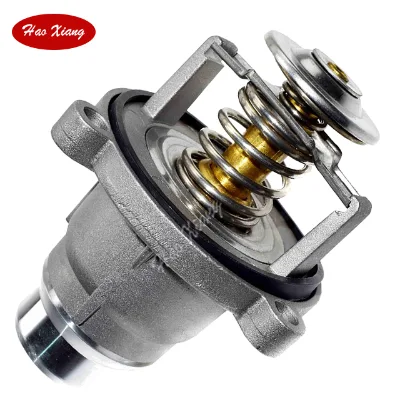


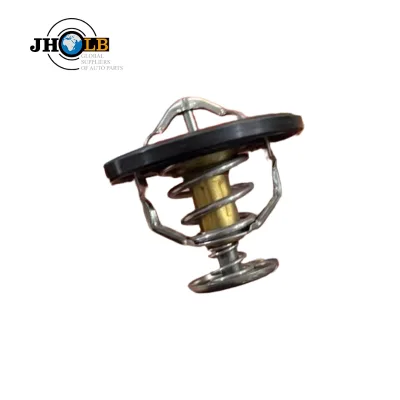
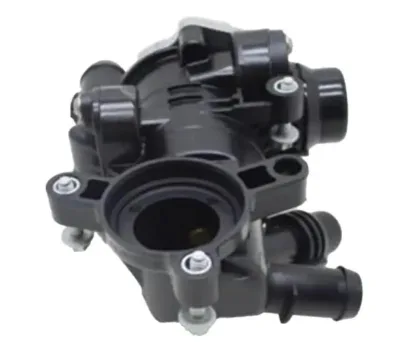
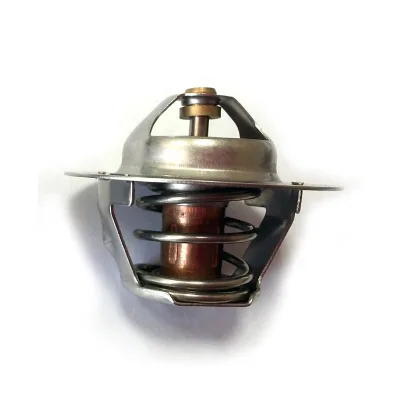


Comprehensive Sourcing Guide
Strategic Sourcing Guide for Adjustable Engine Coolant Thermostats
Understanding Technical Specifications and Variability
The procurement of an Adjustable Engine Coolant Thermostat requires a rigorous examination of technical specifications, as the market presents a wide array of configurations rather than a single uniform product. The core component is fundamentally a thermostat, yet the available data indicates significant variability in design, material, and operational parameters. Buyers must recognize that product attributes such as the cooling fluid type, radiator configuration, and body material are not universal but are specific to the intended application and supplier offering.
A primary observation in the current market landscape is the diversity in cooling mechanisms. While some units are explicitly designed as water-cooled systems utilizing glycerin-based fluids, other listings describe air-cooled configurations. This distinction is critical for procurement teams, as selecting a water-cooled thermostat for an air-cooled engine application will result in immediate system failure. Similarly, the radiator core type varies between direct-flow and tube-fin designs. The tube-fin structure is often preferred for its heat dissipation efficiency in high-load scenarios, whereas direct-flow types may be optimized for specific flow dynamics.
Material composition is another decisive factor. The body material is frequently identified as aluminium, which offers an optimal balance of thermal conductivity and weight reduction. However, the structural integrity of the unit also depends on whether it is a sealed type or an open design. The sealed type is generally preferred for maintaining system pressure and preventing contamination, which is vital for long-term engine health. Furthermore, the physical dimensions of the thermostat are not standardized across all listings. Observed standard sizes range from compact units measuring 5.00cm by 4.00cm by 6.00cm to larger configurations at 14.00cm by 5.00cm by 15.00cm. Buyers must verify that the physical footprint of the selected thermostat matches the engine bay constraints and mounting points of the specific vehicle or machinery.
The operational parameters also vary significantly. Some units are engineered for high-speed applications with diesel fuel systems and reciprocating piston movements, while others are tailored for general automotive use. The presence of a digital water temperature sensor type suggests advanced integration capabilities, whereas standard mechanical types may suffice for simpler applications. The model numbers further illustrate this fragmentation, with identifiers ranging from specific OE numbers like 11537586885 to generic designations like 8H or 5 Series. This lack of a single dominant model number underscores the necessity for buyers to cross-reference technical data sheets rather than relying on general product names.
Compliance and Certification Verification
In the industrial and automotive sectors, compliance with international standards is not merely a formality but a prerequisite for operational safety and market access. The supply chain for engine coolant thermostats is populated with suppliers claiming adherence to various certification regimes. A comprehensive evaluation must verify the presence of recognized quality management and environmental standards.
The most prominent certifications observed in the market include IATF16949 and ISO9001. IATF16949 is the specific quality management standard for the automotive industry, indicating that the supplier has processes in place to ensure consistent product quality and continuous improvement. ISO9001 is a broader quality management standard that applies to various industries. The presence of these certifications suggests a supplier's commitment to maintaining rigorous production controls. Additionally, environmental compliance is often verified through certifications such as RoHS (Restriction of Hazardous Substances) and CE (Conformité Européenne). These certifications ensure that the thermostat does not contain restricted hazardous materials and meets European safety requirements.
Other certifications like CCC (China Compulsory Certification) and ISOCE may also be relevant depending on the target market. The ISOCE designation, while less common than ISO9001, may indicate specific compliance with certain international standards or regional requirements. Buyers must be cautious, as the presence of a certification claim on a product listing does not guarantee that every unit in a specific batch meets that standard. It is essential to request valid, up-to-date certification documents from the supplier and verify their authenticity through the issuing bodies.
The verification process should also extend to the specific standards applied to the product's physical dimensions and performance. While some listings mention standard dimensions, others list "Any" as the standard, which is a red flag for procurement teams. A legitimate supplier should be able to provide detailed technical drawings and specifications that align with industry norms. The absence of a defined standard or the use of vague terms like "Any" suggests a lack of quality control or a custom-made product that may not be suitable for mass production or replacement applications.
Cost Drivers and Pricing Dynamics
The pricing of adjustable engine coolant thermostats is influenced by a complex interplay of factors, including material costs, manufacturing complexity, certification status, and supply chain logistics. The observed price range in the market spans from 0.9 USD to 50 USD, reflecting the vast diversity in product quality, brand reputation, and technical specifications. This wide range indicates that price alone is an insufficient metric for evaluating value; buyers must correlate cost with the specific technical requirements of their application.
Material costs are a primary driver of price variation. Units constructed from high-grade aluminium with advanced sealing technologies will inherently cost more than those made from lower-grade materials or simpler designs. The inclusion of digital temperature sensors and specialized cooling fluids, such as glycerin or branded fluids like Mobil, also adds to the production cost. Furthermore, the complexity of the manufacturing process, particularly for custom-designed units, can significantly impact the final price.
Certifications and quality assurance measures also contribute to the cost structure. Suppliers who maintain IATF16949 and ISO9001 certifications incur higher operational costs to maintain these standards, which are often passed on to the buyer. However, these costs are justified by the reduced risk of product failure and the assurance of consistent quality. Conversely, products with lower prices may lack these certifications or use inferior materials, posing a higher risk of premature failure.
Packaging and logistics are additional cost factors. The market shows a variety of packaging options, from simple boxes to cartons, plywood crates, and wooden cases. The choice of packaging depends on the fragility of the product and the shipping distance. For international shipments, robust packaging like wooden crates is necessary to prevent damage, which adds to the overall cost. Shipping methods, including courier services like FedEx, UPS, TNT, and DHL, also influence the final price, with expedited shipping options commanding a premium.
Buyers should also consider the Minimum Order Quantity (MOQ) as a cost driver. The observed MOQ range spans from 1 to 5000 units. High MOQs often result in lower unit prices due to economies of scale, while low MOQs are suitable for prototyping or small-scale replacements but come with higher per-unit costs. The lead time, which varies from 3-7 days to 30 days, can also affect pricing, with shorter lead times often requiring a price premium for expedited production.
Typical Applications and Compatibility
The Adjustable Engine Coolant Thermostat is a versatile component used across a wide range of applications, from passenger vehicles to heavy-duty machinery. Understanding the specific application is crucial for selecting the correct product, as the market offers units tailored for different engine types and operational environments.
In the automotive sector, these thermostats are commonly used in vehicles requiring precise temperature control to optimize engine performance and fuel efficiency. The data indicates compatibility with specific car models, such as the 5 Series, and various OE numbers like 11537586885. These specific identifiers are critical for ensuring that the thermostat fits the engine block and integrates correctly with the vehicle's cooling system. The presence of digital water temperature sensors suggests that these units are designed for modern vehicles with advanced engine management systems.
Beyond passenger cars, the thermostat is also applicable to industrial and heavy-duty equipment. Listings mention applications for diesel engines with high-speed reciprocating piston movements, indicating suitability for machinery used in construction, agriculture, or transportation. The air-cooled and water-cooled variants cater to different thermal management needs, with air-cooled units often used in environments where liquid cooling is impractical or where the engine operates in extreme conditions.
The fuel type is another key application factor. Units designed for diesel engines may have different thermal characteristics compared to those for gasoline engines, as diesel engines typically operate at higher temperatures and require more robust cooling solutions. The number of strokes, such as two-stroke designs, also points to specific applications in small engines or specialized machinery where compact size and high power density are required.
Buyers must carefully match the thermostat's specifications to the intended application. For instance, a thermostat designed for a water-cooled system with glycerin fluid will not function correctly in an air-cooled engine. Similarly, the physical dimensions and mounting points must align with the engine bay to ensure proper installation. The "Any" standard designation in some listings suggests that custom solutions are available for unique applications, but these require detailed engineering collaboration to ensure compatibility.
Supplier Evaluation and Selection Criteria
Selecting the right supplier for adjustable engine coolant thermostats requires a multi-faceted evaluation process that goes beyond price and product specifications. Buyers must assess the supplier's capability to deliver consistent quality, adhere to timelines, and provide reliable after-sales support.
The first step in supplier evaluation is verifying the authenticity of certifications. Suppliers claiming IATF16949, ISO9001, RoHS, and CE certifications should be able to provide valid documentation. Buyers should cross-reference these claims with the issuing bodies to ensure they are current and applicable to the specific products being sourced. The presence of multiple certifications, such as CCC and ISOCE, further indicates a supplier's commitment to meeting diverse regulatory requirements.
Production capacity and lead time are also critical factors. The market shows lead times ranging from 3-7 days to 30 days, depending on the order volume and customization requirements. Suppliers with shorter lead times may be better suited for urgent replacement needs, while those with longer lead times might be more appropriate for large-scale production runs. Buyers should also evaluate the supplier's ability to handle custom orders, as the market offers both standard and customized options. The availability of customization is a significant advantage for buyers with unique requirements, but it requires clear communication and detailed specifications to avoid errors.
Quality control processes are another essential criterion. Suppliers should demonstrate a robust quality assurance system, including 100% testing of products before shipment. The claim of "100% tested" is a positive indicator, but buyers should request details on the testing procedures and equipment used. Additionally, the warranty period, such as the 12-month warranty observed in some listings, provides a safety net for buyers and indicates the supplier's confidence in their product.
Logistics and shipping capabilities are also important. Suppliers offering a range of courier services, including FedEx, UPS, TNT, and DHL, provide flexibility in shipping options. The choice of packaging, from regular packaging to wooden crates, should align with the buyer's shipping requirements and the fragility of the product. Buyers should also consider the supplier's location, with origins in China, Shandong, and Chongqing being common. Proximity to ports and logistics hubs can impact shipping costs and lead times.
Quality Control and Long-Term Procurement Considerations
Ensuring the quality of adjustable engine coolant thermostats is paramount for maintaining engine performance and preventing costly failures. Quality control should be integrated into every stage of the procurement process, from supplier selection to final delivery. Buyers must establish clear quality standards and verification procedures to ensure that the products meet their requirements.
One of the key aspects of quality control is the verification of material composition. The use of high-grade aluminium for the body material is a standard indicator of quality, but buyers should also check for the presence of any impurities or defects. The sealing type, whether sealed or open, should be consistent with the product specifications and the intended application. The cooling fluid type, such as glycerin, should be of high purity to ensure effective heat transfer and prevent corrosion.
Testing and validation are also critical components of quality control. Suppliers should provide evidence of rigorous testing, including thermal cycling, pressure testing, and flow rate verification. The claim of "100% tested" is a strong indicator, but buyers should request test reports and data to validate these claims. Additionally, the warranty period, such as the 12-month warranty, provides a mechanism for addressing any quality issues that may arise after delivery.
Long-term procurement considerations involve building a sustainable relationship with suppliers. Buyers should look for suppliers who offer customization options and are willing to collaborate on product development. The ability to customize the thermostat to specific requirements can provide a competitive advantage and ensure a better fit for the application. Furthermore, suppliers with a track record of consistent quality and reliable delivery are more likely to be valuable long-term partners.
Buyers should also consider the total cost of ownership, which includes not only the purchase price but also maintenance, replacement, and potential downtime costs. High-quality thermostats with robust construction and reliable performance can reduce the frequency of replacements and minimize the risk of engine failure. Investing in quality products and reliable suppliers can lead to significant cost savings over the long term.
In conclusion, sourcing adjustable engine coolant thermostats requires a comprehensive approach that balances technical specifications, compliance, cost, and supplier reliability. By carefully evaluating these factors, buyers can make informed decisions that ensure the quality and performance of their cooling systems.
FAQs
What certifications do adjustable engine coolant thermostats typically have?
Most units carry IATF16949 and ISO9001 certifications for quality management. Additional environmental compliance often includes RoHS, CE, and CCC marks depending on the target market and specific supplier standards.
How long is the delivery time for these thermostats?
Delivery times typically range from 3 to 15 days depending on order volume and customization. Some standard items ship within 3-7 days, while customized orders may require up to 30 days for production.
Which materials are used for the thermostat body construction?
Aluminium is the primary body material used due to its thermal conductivity and weight benefits. The structure is often a sealed type to maintain system pressure and prevent contamination during operation.
Can I find thermostats with digital water temperature sensors?
Yes, digital type water temperature sensors are available for advanced integration. These units are designed for modern vehicles requiring precise temperature monitoring and control within the engine cooling system.
What is the minimum order quantity for purchasing these parts?
The minimum order quantity ranges from 1 to 5000 units based on supplier policies. Lower MOQs suit small replacements, while higher volumes often secure better pricing and streamlined logistics.
Where are these thermostats manufactured and shipped from?
Products originate primarily from China, with specific hubs in Shandong and Chongqing. Shipping is handled via major couriers like FedEx, UPS, TNT, and DHL to ensure reliable global delivery.