Source Adjustable Hook and Loop Wrist Support for Basketball, Football, Tennis
Compare 30 listings for Adjustable Hook and Loop Wrist Support designed for fracture fixation and sports protection. Buyers can review specifications including thickness, material, and waterproof features from suppliers in China.
Key considerations
Products List


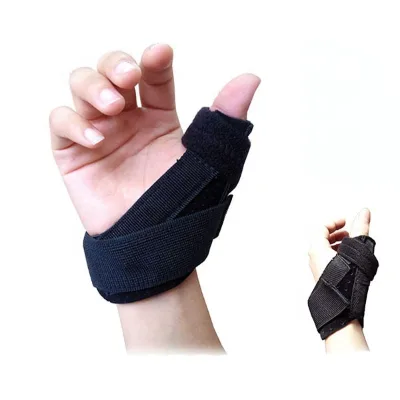
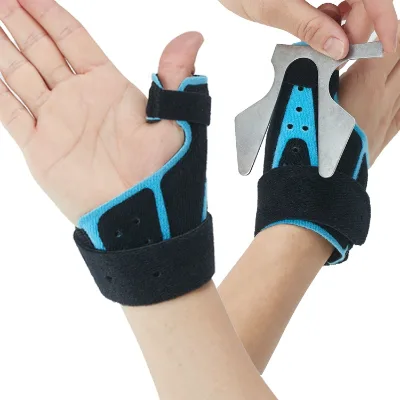


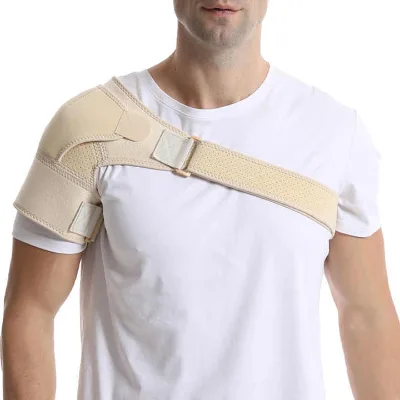


Comprehensive Sourcing Guide
Strategic Sourcing Guide for Adjustable Hook and Loop Wrist Support
The global market for medical and sports orthopedic devices continues to expand, driven by an aging population and increased participation in high-impact athletic activities. Among the various supportive devices available, the Adjustable Hook and Loop Wrist Support has emerged as a critical component for fracture fixation, deformity correction, and general joint stabilization. For B2B procurement professionals, sourcing these items requires a disciplined approach that balances technical specifications, regulatory compliance, and supply chain reliability. This guide outlines the essential factors buyers must evaluate when sourcing adjustable hook and loop wrist supports, ensuring that the selected products meet the rigorous demands of healthcare providers, sports retailers, and distribution networks.
Technical Specifications and Material Composition
The foundation of a reliable wrist support lies in its material composition and structural design. Procurement teams must scrutinize the specific attributes of the product to ensure it aligns with the intended use case, whether for medical rehabilitation or athletic performance. In the current market, materials such as nylon, polyester, and neoprene are frequently observed. For instance, specific product lines utilize a composition of 80% nylon and 20% spandex to provide a balance of durability and elasticity, while others may feature a blend of 40% polyester, 30% nylon, and 30% rubber to enhance compression and flexibility.
Thickness is another critical specification that varies significantly based on the application. Some models are designed with a "thick" profile to offer maximum stability for fracture fixation, whereas others are categorized as "thin" to allow for greater range of motion during sports activities like basketball, football, or tennis. The adjustable nature of these supports typically relies on hook and loop fasteners, which must be robust enough to maintain tension throughout the day without losing adhesion. Buyers should verify the specific product model numbers, such as GS-610, GS-420, or KB-SZ-D4, as these identifiers often correlate with distinct material profiles and thickness levels.
Furthermore, the sizing standard is a pivotal technical consideration. While some products adhere to a standard S/M/L/XL sizing convention, others may be marketed as "Unisex" or offer specific size ranges like S, M, and L. The "Using Site" of the device is also a technical differentiator; while wrist supports are primarily designed for the wrist, some advanced models are engineered to accommodate the shoulder, neck, vertebra, and chest, indicating a versatile design that may require specific adjustment mechanisms.
Compliance, Certification, and Regulatory Standards
Navigating the regulatory landscape is paramount when sourcing medical and orthopedic devices. Procurement teams must verify that suppliers possess valid certifications that align with the target market's requirements. Common certifications observed in the industry include CE (Conformité Européenne) and ISO standards, which indicate compliance with European safety and quality management systems. Additionally, FDA (Food and Drug Administration) registration is often required for products intended for medical use in the United States, ensuring that the device meets specific safety and efficacy criteria.
It is essential to distinguish between general safety certifications and specific medical device classifications. While some products may carry REACH or RoHS certifications, these are often related to chemical safety and environmental compliance rather than medical efficacy. Buyers should not assume that a product is compliant with all standards simply because it is listed as a general sports accessory. The "Certification" field in product data sheets must be cross-referenced with the intended application; for example, a product labeled for "Fracture Fixation" requires a higher level of regulatory scrutiny than one intended solely for general sports protection.
When evaluating suppliers, request documentation that explicitly states the certification scope. Verify whether the CE mark is issued under the relevant Medical Device Regulation (MDR) or if it pertains to general safety. Similarly, confirm the validity of ISO certifications, ensuring they cover the specific manufacturing processes used for the wrist supports. This due diligence mitigates the risk of regulatory non-compliance, which can lead to product recalls, legal liabilities, and reputational damage.
Cost Drivers and Pricing Dynamics
Understanding the cost structure of adjustable hook and loop wrist supports is essential for developing a competitive procurement strategy. The observed price range in the market varies significantly, typically falling between $0.53 and $9.90 USD per unit. This wide disparity is driven by several factors, including material quality, manufacturing complexity, certification status, and order volume.
The primary cost driver is the material composition. Products utilizing high-quality nylon and spandex blends, or those with specialized neoprene linings, generally command a higher price point compared to those made from standard polyester or rubber mixes. Additionally, the thickness of the material plays a role; "thick" supports designed for fracture fixation require more raw material and may involve more complex stitching or reinforcement, increasing the unit cost.
Order volume is another critical factor influencing the final price. The Minimum Order Quantity (MOQ) can range from as low as 1 unit to as high as 5,000 units. Suppliers often offer tiered pricing structures where the unit cost decreases as the order volume increases. Buyers should also consider the "Supply Ability" of the manufacturer, which is observed to be around 3,000 pieces per month for certain models. This capacity constraint can impact pricing during peak demand periods or when large orders are placed.
Packaging details also contribute to the overall cost. Products packaged in individual OPP bags may have a lower base cost but require additional labor for bulk packaging. Conversely, items shipped in export cartons with 72 pieces per case or custom packaging solutions may incur higher logistics and packaging expenses. Buyers must evaluate the total landed cost, including shipping and handling, rather than focusing solely on the unit price.
Typical Applications and Usage Scenarios
The versatility of adjustable hook and loop wrist supports allows them to serve a wide array of applications across different industries. In the medical sector, these devices are primarily utilized for fracture fixation and the correction of deformities. The adjustable nature of the hook and loop closure allows healthcare providers to customize the level of compression and support based on the patient's specific injury and recovery stage. This adaptability is crucial for ensuring optimal healing while maintaining patient comfort.
In the sports and recreational domain, wrist supports are essential for injury prevention and performance enhancement. They are commonly used in high-impact sports such as basketball, football, tennis, badminton, and table tennis. The protective function of these supports helps stabilize the wrist joint during sudden movements or impacts, reducing the risk of sprains and strains. Some models are specifically designed for "Protection Projects" related to these sports, offering targeted support to the wrist, shoulder, and neck areas.
The "Using Site" of the product further expands its application potential. While the primary focus is the wrist, certain designs are engineered to provide support to the vertebra, chest, and shoulder. This multi-site functionality makes them suitable for comprehensive rehabilitation programs or for athletes requiring full upper-body support. Buyers should match the product specifications, such as the "Type" (e.g., Sports Wrist or External Fixator), to the specific needs of their target customers to ensure the product delivers the intended value.
Supplier Evaluation and Supply Chain Reliability
Selecting the right supplier is a critical step in the procurement process. Buyers should prioritize suppliers who demonstrate transparency in their manufacturing capabilities and quality control measures. The "prod_origin" of the product is a key indicator of supply chain reliability; many manufacturers are based in China, with specific hubs in Zhejiang and Yangzhou. These regions are known for their established textile and medical device manufacturing ecosystems, offering a balance of cost efficiency and production expertise.
When evaluating suppliers, consider their "Supply Ability" and lead times. A supplier with a monthly capacity of 3,000 pieces may be suitable for small to medium-sized orders, but larger volume requirements may necessitate a supplier with higher production capacity. Additionally, verify the "prod_packing" methods to ensure they align with your logistics requirements. Whether the product is packed in zip bags, OPP bags, or export cartons, the packaging must protect the product during transit and meet any specific retail or medical packaging standards.
Customization is another important factor. Many suppliers offer "Customization" services, allowing buyers to tailor the product to their brand specifications. This can include custom branding, specific color options, or modifications to the sizing and material composition. However, buyers should be aware that customization may impact the MOQ and lead time. It is essential to establish clear communication regarding customization requirements and ensure that the supplier has the technical capability to execute these changes without compromising quality.
Quality Control and Long-Term Procurement Considerations
Maintaining consistent quality is vital for the long-term success of any procurement strategy. Buyers should implement rigorous quality control measures, including pre-shipment inspections and random sampling. Verify that the products meet the specified "Condition" (typically "New") and that the "Customized" attributes are accurately reflected in the final product. For medical devices, it is crucial to ensure that the materials used are free from harmful substances and that the manufacturing process adheres to strict hygiene standards.
Long-term procurement considerations also involve building a sustainable relationship with suppliers. This includes negotiating favorable terms for repeat orders, establishing clear communication channels for issue resolution, and monitoring the supplier's ability to scale production as demand grows. Buyers should also consider the "prod_standard" and "prod_model" consistency; ensuring that the same model number is used for repeat orders helps maintain product uniformity and simplifies inventory management.
Finally, buyers must remain vigilant about changes in regulatory requirements and market trends. The medical and sports equipment industries are subject to evolving standards, and suppliers must be able to adapt to these changes. By maintaining a proactive approach to supplier evaluation and quality control, buyers can ensure a steady supply of high-quality adjustable hook and loop wrist supports that meet the needs of their customers and comply with all relevant regulations.
Comparative Analysis of Product Attributes
To facilitate informed decision-making, the following table summarizes key product attributes observed in the market, highlighting the variations in materials, specifications, and certifications.
| Attribute Category | Product Model A (e.g., GS-610) | Product Model B (e.g., GS-420) | Product Model C (e.g., KB-SZ-D4) |
|---|---|---|---|
| Material Composition | 15% Nylon, 85% Rubber | 80% Nylon, 20% Spandex | High Quality Material (Nylon) |
| Thickness | Not Specified | Thick | Thin |
| Waterproof Status | Not Specified | Not Specified | Waterproof |
| Certification | FDA/CE | CE, ISO | CE, ISO |
| Primary Usage | Sports Protection | Hand Support | Fracture Fixation |
| Packaging | 72 Boxes/Case | 72 Boxes/Outer Carton | Stand Export Carton |
| Origin | Yangzhou | Yangzhou | Zhejiang, China |
| Size Standard | Medium | Unisex | S/M/L/XL |
This comparison underscores the importance of matching specific product attributes to the intended application. Buyers should carefully review the specifications of each model to ensure alignment with their procurement requirements, particularly regarding material durability, waterproofing, and regulatory compliance. By leveraging these insights, procurement professionals can make data-driven decisions that optimize cost, quality, and supply chain efficiency.
FAQs
What certifications are available for Adjustable Hook and Loop Wrist Support?
Available certifications include CE, ISO, and FDA. Some models specifically list CE and ISO, while others may carry FDA and CE marks depending on the intended medical or sports application.
Which materials are commonly used for Adjustable Hook and Loop Wrist Support?
Common materials include nylon, polyester, and high-quality blends. Specific compositions observed range from 80% nylon with 20% spandex to 40% polyester, 30% nylon, and 30% rubber for enhanced flexibility.
Can I find Adjustable Hook and Loop Wrist Support with customization options?
Yes, customization is available for many models. Buyers can request specific packaging, branding, or material adjustments, though these requests may influence the minimum order quantity and lead time requirements.
What is the typical price range for Adjustable Hook and Loop Wrist Support?
The observed price range is between 0.53 and 9.9 USD per unit. Costs vary based on material quality, thickness, certification status, and the specific order volume placed with the supplier.
How does the thickness of Adjustable Hook and Loop Wrist Support affect usage?
Thickness varies to suit different needs, with options ranging from thin to thick profiles. Thin models allow greater range of motion for sports, while thick models provide maximum stability for fracture fixation.
Which locations are known for manufacturing Adjustable Hook and Loop Wrist Support?
Manufacturing origins are primarily in China, with specific hubs in Zhejiang and Yangzhou. These regions offer established ecosystems for textile and medical device production with varying supply capacities.
What are the standard packaging details for Adjustable Hook and Loop Wrist Support?
Packaging options include OPP bags per piece, zip bags, or export cartons. Some suppliers offer 72 pieces per carton or custom packaging solutions to meet specific retail or medical requirements.