Source Adjustable Home Use Abdominal Trainer for gyms, homes, and studios
Explore 30 listings for the Adjustable Home Use Abdominal Trainer designed for strength training and core workouts. Buyers can compare specifications, materials, and pricing to find suitable options for personal or commercial fitness centers.
Key considerations
Products List
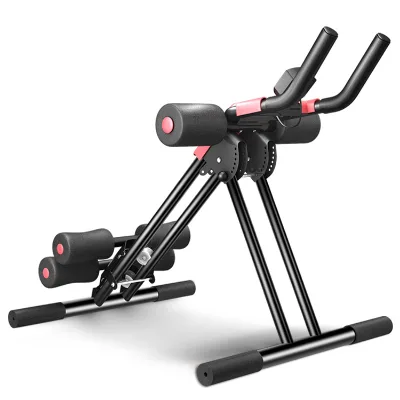
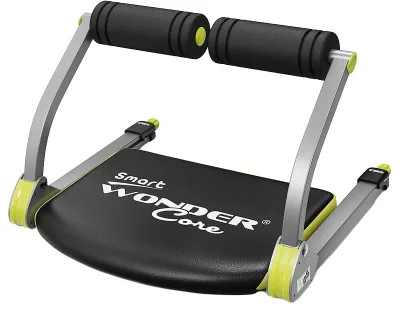

Equipment Adjustable Abdominal Core Trainer Home Fitness Tool Sit-up Trainer
$1.30 - $1.70
MOQ: 588 Pieces


Sit Abdominal Roller Trainer Exercise Machine Fitness Equipment Home Sit-up Trainer
$7.00 - $7.40
MOQ: 135 Pieces


Core Strength Training Portable Home Fitness Assistant Waist Sit up Trainer
$2.80 - $3.20
MOQ: 313 Pieces

Multi Functional Gymnastics Equipment Home Abdomen Bench Sit up Trainer
$30.00 - $35.00
MOQ: 28 Pieces


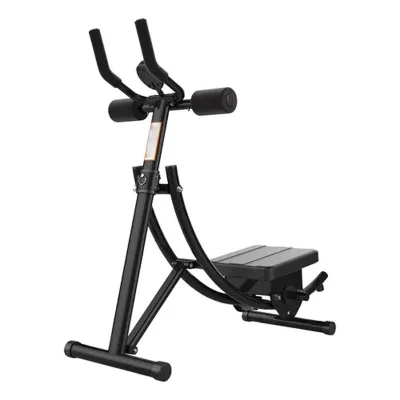


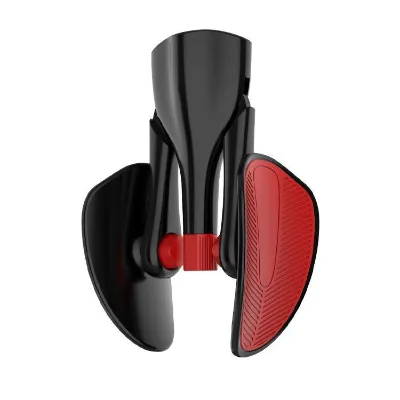
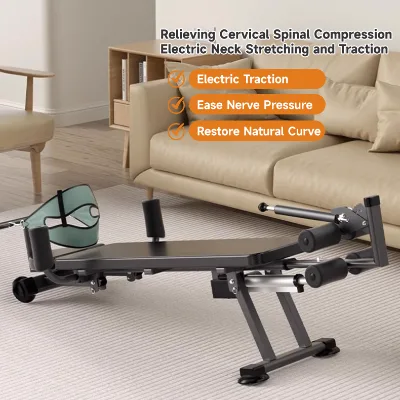

High Quality Home Gym Strength Training Equipment Abdominal Trainers Workout
$996.00 - $1027.00
MOQ: 1 Pieces


Comprehensive Sourcing Guide
Adjustable Home Use Abdominal Trainer Sourcing Guide
The Adjustable Home Use Abdominal Trainer market presents a diverse range of equipment designed to target core muscle groups through various resistance mechanisms. Based on observed listings, these units range from compact, manual devices suitable for single-room use to larger, multi-function strength trainers intended for comprehensive bodybuilding routines. Buyers must distinguish between simple slimming machines and robust functional trainers, as the latter often feature higher load-bearing capacities and more complex structural designs. The primary application remains focused on waist and core strengthening, with specific models explicitly marketed for both home and gymnasium environments.
Procurement decisions should be driven by the intended user profile and the specific training goals of the end customer. While some units are designed as unisex, general-purpose tools for basic core engagement, others are engineered as specialized strength fitness machines capable of supporting significant weight loads. The distinction between a lightweight, portable item and a heavy-duty stationary trainer is critical, as it dictates the required shipping logistics, installation space, and the durability expectations of the final user. Understanding these functional differences ensures the selected product aligns with the specific needs of the target market segment.
Product Scope and Observed Listing Signals
The current market for abdominal trainers exhibits a wide variance in physical dimensions and material composition, directly influencing their utility and shipping costs. Observed listings include models with dimensions ranging from compact units measuring approximately 27 cm by 14 cm by 13 cm to large, multi-function strength trainers occupying a footprint of 40 cm by 90 cm by 88 cm. Material specifications vary significantly, with some products utilizing iron frames for maximum stability, while others combine steel pipes with plastic components to reduce overall weight. This variation suggests that buyers must carefully evaluate the physical footprint and material density to ensure the product fits the intended retail or distribution channel.
Listing signals also reveal distinct differences in packaging and branding strategies that affect the final product presentation. Some units are shipped in color boxes with digital printing capabilities, allowing for customized branding, while others utilize standard paper boxes. The observed single gross weights range from 1 kg for lightweight, portable devices to 14.5 kg for heavier, more substantial machines. These factors are not merely logistical details but are indicative of the product's perceived value and target demographic. A buyer sourcing for a premium home gym market should prioritize units with robust packaging and higher weight capacities, whereas a mass-market distributor might focus on lighter, more compact options.
Technical Specifications to Verify
When evaluating technical specifications, the load-bearing capacity and structural integrity are paramount for ensuring user safety and product longevity. Certain observed models claim a load-bearing capacity of up to 500 kg, a figure that requires rigorous verification against the actual frame construction and joint stability. Buyers should cross-reference these claims with the specific material composition, such as the use of iron or steel pipes, to understand the engineering behind the stated limits. It is essential to treat these numerical claims as observations from specific listings rather than universal standards, and to request independent structural testing data for any unit intended for heavy-duty commercial use.
Dimensional accuracy and functional versatility are the next critical technical areas to validate. The market offers products with specific model numbers like BT21031503 and HCJF03, each with unique size profiles and package dimensions that impact storage and shipping efficiency. For instance, a model with a single package size of 98 cm by 39 cm by 28 cm will have different logistical requirements compared to one measuring 59 cm by 19 cm by 49 cm. Additionally, the distinction between folded and unfolded states, as well as the specific exercise parts targeted, such as the waist or core muscles, must be clearly defined. Buyers should verify that the advertised dimensions match the actual assembled product to prevent customer dissatisfaction regarding space requirements.
Compliance and Safety Documentation
Safety compliance is a non-negotiable aspect of sourcing fitness equipment, particularly for products intended for home use where supervision may be limited. Observed listings indicate that some manufacturers provide certifications such as CE, ISO, and RoHS, which serve as indicators of adherence to specific safety and environmental standards. However, these certifications should not be assumed to apply to all products within the category; buyers must verify the validity of these documents for the specific model and batch being procured. The presence of such certifications is a strong signal of quality control but does not replace the need for independent safety audits.
Documentation regarding the power source and mechanical safety is equally important for risk management. Most observed abdominal trainers operate on a manual power source, eliminating electrical hazards but introducing mechanical risks related to moving parts and load limits. Buyers should ensure that suppliers provide clear user manuals that detail safe usage procedures, weight limits, and maintenance schedules. The absence of electrical components simplifies compliance in some jurisdictions but necessitates a thorough review of mechanical safety standards. It is advisable to request proof of mechanical testing and safety warnings included in the packaging to ensure the product meets the regulatory requirements of the destination market.
Cost Drivers and Commercial Terms
The cost structure of abdominal trainers is heavily influenced by material selection, manufacturing complexity, and the level of customization required. Products constructed from iron or heavy-gauge steel pipes generally command higher prices due to material costs and the increased weight affecting shipping expenses. Conversely, units incorporating plastic components or designed for portability may offer lower price points but could face scrutiny regarding long-term durability. Buyers should analyze the trade-off between initial unit cost and the perceived value of the materials to determine the optimal product mix for their specific market segment.
Commercial terms, including Minimum Order Quantity (MOQ) and branding options, play a significant role in the total cost of ownership. Observed data shows MOQs ranging from as low as 1 piece to as high as 588 pieces, with a common threshold of 100 pieces for many suppliers. This variability allows buyers to test the market with smaller orders or commit to larger volumes for better unit economics. Furthermore, the availability of customized logos and colors adds value but may incur additional setup costs or extend lead times. Buyers must negotiate these terms carefully to balance inventory risk with the desire for a branded, differentiated product offering.
Supplier Qualification and Quality Control
Supplier qualification should begin with a verification of their manufacturing location and production capabilities. The majority of observed listings originate from China, specifically from provinces like Jiangsu and Zhejiang, which are known hubs for fitness equipment manufacturing. While these regions offer competitive pricing and established supply chains, buyers must assess the specific factory's capacity to meet quality standards and delivery schedules. It is crucial to distinguish between trading companies and actual manufacturers, as the latter often provide better control over the production process and quality assurance.
Quality control protocols must be established before production begins to mitigate the risk of receiving substandard goods. Given the wide variance in observed product weights and dimensions, a pre-shipment inspection is essential to verify that the physical attributes match the agreed specifications. Buyers should focus on critical quality points such as weld integrity, surface finish, and the stability of the frame under load. Additionally, verifying the consistency of packaging and labeling ensures that the product arrives in a condition suitable for retail display. Establishing a clear quality agreement with the supplier, including acceptance criteria for defects, is a vital step in maintaining brand reputation.
Long-Term Procurement Checks
Sustaining a successful procurement relationship requires ongoing monitoring of product performance and supplier reliability over time. Buyers should implement a system for tracking customer feedback regarding product durability and safety, as these are the primary drivers of repeat purchases and brand loyalty. If a specific model consistently receives complaints about structural failure or discomfort, it is necessary to investigate the root cause and potentially switch suppliers or specifications. Long-term success depends on the ability to adapt the product line based on real-world usage data rather than relying solely on initial listing claims.
Regular audits of supplier compliance and production consistency are necessary to ensure that quality does not degrade as order volumes increase. As suppliers scale production, maintaining the same level of material quality and craftsmanship can become challenging. Buyers should schedule periodic factory audits to verify that the production processes remain aligned with the initial quality standards. Furthermore, staying informed about changes in international safety standards and certification requirements ensures that the product line remains compliant in the long term. Proactive management of these factors will protect the buyer from supply chain disruptions and regulatory issues.
FAQs
What is the minimum order quantity for this trainer?
The minimum order quantity is 100 pieces for this product. Some listings indicate a range from 1 to 588 pieces, but the confirmed standard requirement is 100 units per order.
Can I customize the logo on the abdominal trainer?
Yes, customized logos are available for this equipment. Buyers can request specific branding options, and the product supports OEM services for personalized identification on the unit.
What materials are used to construct this fitness machine?
The machine is constructed using iron and steel pipe materials. Some variations also include plastic components, ensuring durability for bodybuilding and strength training applications in home or gym settings.
Which certifications does this product hold for safety?
This product holds CE, ISO, and RoHS certifications. These standards ensure the equipment meets international safety and environmental requirements for use in various markets and commercial applications.
How much does the single package weigh?
The single gross weight varies by model, ranging from 1 kg to 14.5 kg. Specific listings show weights of 4.5 kg or 14.5 kg depending on the specific model number and packaging type.
Where is the place of origin for this equipment?
The place of origin is listed as Jiangsu or Zhejiang, China. These regions are known for manufacturing fitness equipment, and the products are shipped from these specific Chinese locations.
What is the maximum load bearing capacity of the trainer?
The maximum load bearing capacity is 500 kg for this specific model. This high capacity ensures stability and safety during intense bodybuilding and functional training exercises.