Source adjustable non-slip wall ball for CrossFit, strength training, and rehabilitation
Compare 30 adjustable non-slip wall ball options from verified suppliers in Jiangsu, China. Buyers can evaluate weights ranging from 2kg to 30kg, materials like PVC and sand, and customization features for fitness and CrossFit training needs.
Key considerations
Products List
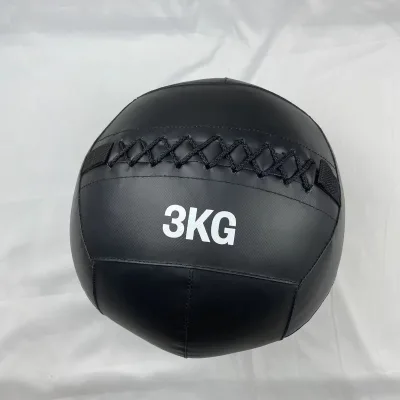
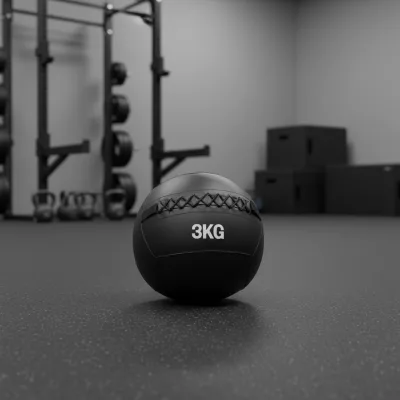
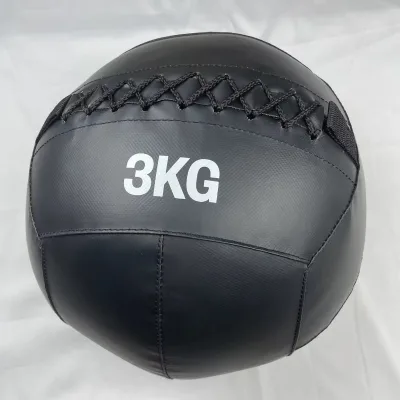




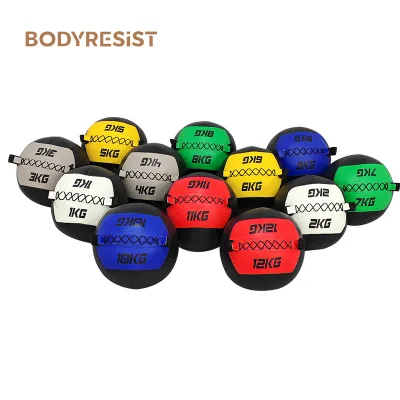
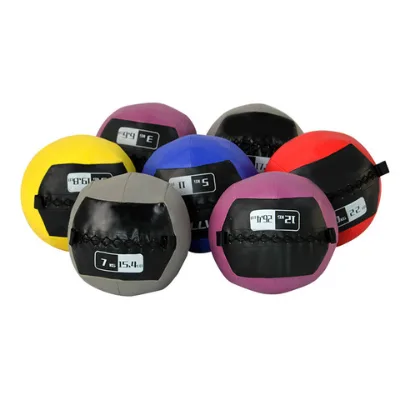
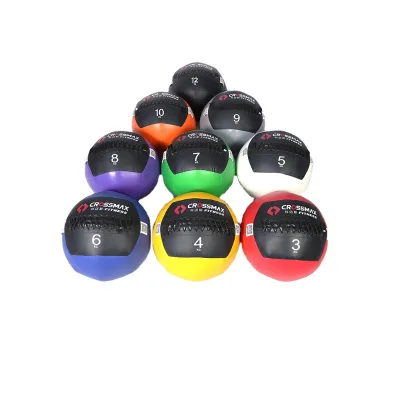

Comprehensive Sourcing Guide
Strategic Sourcing Guide for Adjustable Non-Slip Wall Balls
The global demand for versatile fitness equipment has elevated the adjustable non-slip wall ball to a staple item in commercial gyms, CrossFit boxes, and home training facilities. This specific category of equipment combines the durability of a medicine ball with the functional adaptability of adjustable weight systems, allowing athletes to progress through resistance levels without replacing the unit. For procurement professionals, sourcing these items requires a disciplined approach that balances technical performance, supply chain reliability, and cost efficiency. The following guide outlines the critical factors buyers must evaluate when navigating the market for high-quality wall balls, ensuring that the final selection meets rigorous operational standards.
Technical Specifications and Material Composition
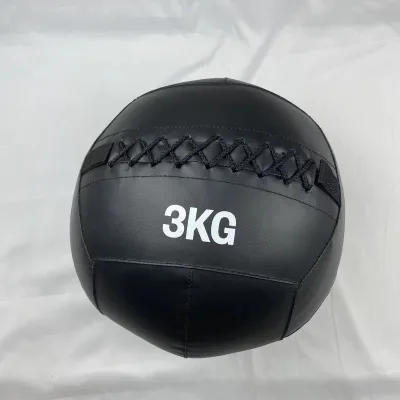
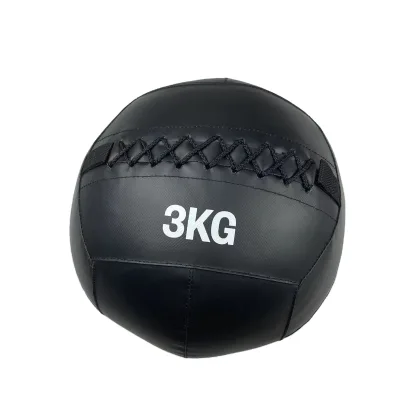
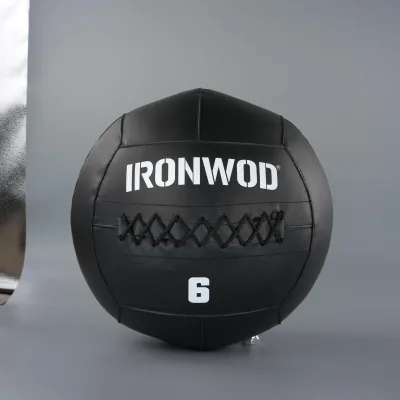
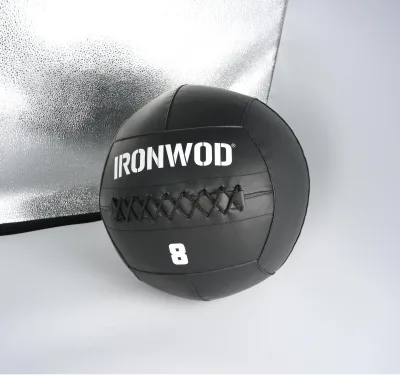
The core performance of an adjustable non-slip wall ball is dictated by its material composition and structural integrity. Based on observed market data, the primary exterior material for these units is Polyvinyl Chloride (PVC), often reinforced with a sand or cotton internal filling. This combination is critical for achieving the desired balance between bounce and stability. A wall ball intended for slamming or high-impact throwing must possess a non-slip grip surface to ensure safety during dynamic movements. The texture of the PVC exterior is a primary determinant of this grip quality; buyers should verify that the surface treatment provides adequate friction even when hands are sweaty.
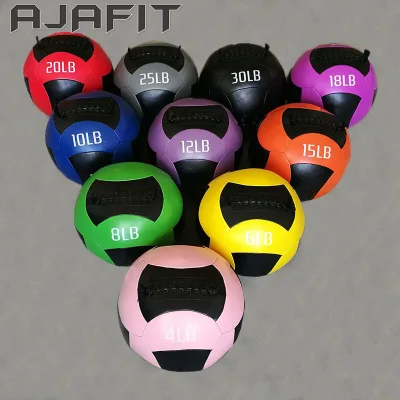
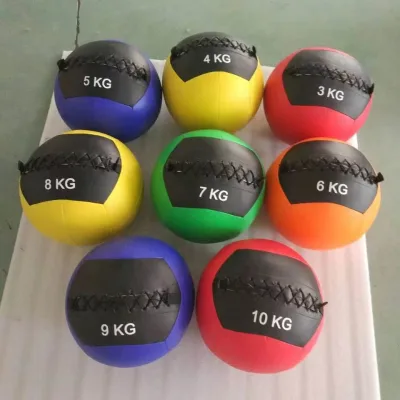
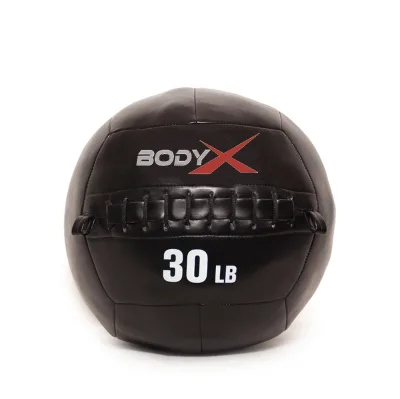
Weight variability is a defining feature of the "adjustable" classification. Market listings indicate a wide spectrum of available weights, ranging from 2kg up to 30kg, with specific models offering increments such as 5kg, 10kg, 15kg, 20kg, and 25kg. Some suppliers also list imperial measurements, including 10LB, 15LB, 25LB, 35LB, 45LB, and 55LB. It is essential to distinguish between fixed-weight units and truly adjustable systems. In adjustable models, the internal filling mechanism allows for weight modification, whereas fixed units rely on a single density of sand or cotton. The single package size for these items typically varies based on weight capacity, with common dimensions observed around 50x50x20 cm for lighter units and expanding to 50x50x50 cm or 51x51x51 cm for heavier configurations. The gross weight of a single packaged unit can range significantly, with observations noting values from 5.5 kg to 20 kg depending on the specific model and packaging density.
Compliance, Certification, and Safety Standards
While specific certification statuses are not universally standardized across all listings, buyers must prioritize safety compliance for equipment subjected to high-impact forces. The primary safety concern with wall balls is the integrity of the seam and the containment of the internal filler. If a ball bursts during a slam, the released sand or cotton can cause injury or damage to facility flooring. Therefore, procurement teams should request evidence of tensile strength testing for the PVC material and seam durability assessments.
Regarding environmental and chemical safety, the use of PVC raises questions about phthalates and other plasticizers. Buyers should inquire whether the manufacturer adheres to international chemical safety standards, such as REACH or specific ASTM standards for recreational equipment, though explicit certification claims should only be noted if provided by the supplier. The "Non-Slip" attribute is a functional claim that requires verification through friction coefficient testing. A standard verification process involves testing the grip under wet and dry conditions to ensure the surface does not become slippery during intense training sessions. Additionally, the warranty period is a strong indicator of manufacturer confidence; observed data suggests a standard warranty of 2 years for reputable suppliers, which serves as a proxy for expected product lifespan and defect rates.
Cost Drivers and Pricing Dynamics
The pricing of adjustable non-slip wall balls is influenced by several distinct variables, including material quality, weight capacity, and customization requirements. The observed price range in the market spans from approximately $2.15 to $35.50 USD. This wide disparity is not merely a function of weight but reflects differences in manufacturing quality, branding, and order volume. Lower-priced units often utilize standard PVC and generic packaging, while higher-priced models may feature reinforced stitching, premium non-slip textures, or specialized branding.
Minimum Order Quantity (MOQ) is a significant cost driver in B2B transactions. Data indicates that MOQs can range from 0 to 200 pieces, with a common threshold observed at 10 pieces or 20 pieces depending on the supplier. Buyers seeking to minimize initial capital outlay should target suppliers with lower MOQs, though they must be prepared for a higher unit cost. Conversely, bulk orders can leverage economies of scale to reduce the per-unit price. The packaging method also impacts logistics costs; units packed in polybags within cartons (1PC/CTN) are standard, but the density of the carton affects shipping volume. Suppliers offering "Available Samples" allow buyers to validate quality before committing to large orders, which is a crucial step in managing financial risk.
Typical Applications and Functional Usage
The functional versatility of the adjustable non-slip wall ball makes it suitable for a broad range of training modalities. The primary application is in CrossFit and high-intensity interval training (HIIT), where the ball is used for wall throws, slams, and overhead squats. The non-slip grip is essential for these movements, as athletes must maintain control during rapid transitions. The adjustable nature of the weight allows for progressive overload, enabling users to start with lighter loads (e.g., 5kg or 10kg) and incrementally increase resistance as their strength improves.
Beyond CrossFit, these units are utilized in physical therapy and rehabilitation settings. The soft, sand-filled interior provides a safer alternative to hard medicine balls for patients recovering from injuries, as the impact force is distributed more evenly. The "Muscle Workout" designation found in product attributes highlights their utility in general strength training, targeting the core, shoulders, and legs. The specific model numbers, such as CLD008 or CL, often correspond to specific design iterations optimized for these various applications. Buyers should ensure that the selected model aligns with the intended user demographic; a ball designed for professional athletes may have a different durability profile than one intended for general fitness enthusiasts.
Supplier Evaluation and Operational Logistics
Selecting the right supplier requires a thorough evaluation of their operational capabilities and logistical reliability. The place of origin for a significant portion of these products is Jiangsu, China, a region known for its manufacturing infrastructure. Buyers should verify the supplier's production capacity and their ability to meet delivery timelines. Observed delivery times typically range from 15 to 20 days, a factor that must be integrated into inventory planning.
Logistics and shipping are critical considerations. The primary port of departure for many suppliers is the Shanghai Port, which offers extensive global connectivity. Buyers must calculate the total landed cost, including freight, insurance, and customs duties, as these can significantly impact the final price. The packaging dimensions, such as 35x35x35 cm or 50x50x50 cm, directly influence shipping efficiency. Consolidating orders to maximize container space can reduce per-unit shipping costs. Furthermore, the availability of customized logos and OEM (Original Equipment Manufacturer) services is a key differentiator. Many suppliers accept OEM requests, allowing brands to white-label products, but this often requires higher MOQs and longer lead times for mold setup.
Quality Control and Long-Term Procurement Strategy
Implementing a robust quality control (QC) protocol is essential for maintaining brand reputation and ensuring user safety. Given the high-impact nature of wall balls, QC should focus on seam integrity, material consistency, and weight accuracy. Buyers should establish clear acceptance criteria for weight variance, ensuring that a "10kg" ball does not deviate significantly from this target. The "Single gross weight" specifications provided by suppliers serve as a baseline, but random sampling during production or pre-shipment inspections is recommended to verify consistency.
Long-term procurement strategies should prioritize supplier relationships that offer flexibility and scalability. The ability to order samples, such as those noted as "Available Samples," is a vital tool for initial vetting. Buyers should also consider the warranty terms; a 2-year warranty indicates a manufacturer's confidence in their product's durability. For long-term contracts, buyers should negotiate terms that address potential defects, such as replacements or credits for damaged goods. Additionally, the availability of spare parts or repair services, if applicable, can extend the lifecycle of the equipment.
Comparative Analysis of Product Attributes
To facilitate decision-making, the following table summarizes key attributes observed across the market for adjustable non-slip wall balls. This comparison highlights the variability in specifications that buyers must navigate.
| Attribute | Common Observations | Variability Notes |
|---|---|---|
| Material | PVC, PVC + Sand/Cotton | Some models offer leather material outside as an option. |
| Weight Range | 2kg to 30kg (Imperial: 5LB to 60LB) | Specific increments vary; some models offer 5/10/15/20/25kg. |
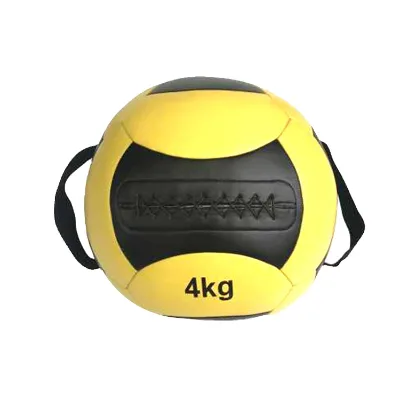
| Color Options | Black, Blue, Red, Yellow | Black is the most common standard color. |
| MOQ | 10 pcs to 20 pcs | Some suppliers offer 0 MOQ for samples; others require 200. |
| Packaging | Polybag + Carton, 1PC/CTN | Single package sizes range from 35x35x35 cm to 51x51x51 cm. |
| Lead Time | 15-20 Days | Delivery times are generally consistent but subject to order volume. |
| Customization | Logo, OEM, Color | Customized logo availability is standard; OEM acceptance varies. |
| Warranty | 2 Years | Warranty terms should be explicitly confirmed in the contract. |
In conclusion, sourcing adjustable non-slip wall balls requires a meticulous approach that prioritizes material quality, safety compliance, and logistical efficiency. By understanding the nuances of weight specifications, material composition, and supplier capabilities, buyers can secure products that meet the demanding requirements of modern fitness environments. The market offers a diverse range of options, but success lies in rigorous evaluation and clear communication of expectations with suppliers.
FAQs
What materials are used for adjustable non-slip wall balls?
The primary exterior material is PVC, often combined with sand or cotton filling inside. Some models offer leather material as an option, while the standard construction ensures durability for high-impact slamming and bouncing exercises.
How much is the minimum order quantity for these products?
The minimum order quantity typically ranges from 10 to 20 pieces depending on the supplier. Some vendors may accept zero MOQ for samples, but bulk orders generally require at least 10 units to proceed with production.
Which weight options are available for adjustable non-slip wall balls?
Available weights range from 2kg up to 30kg, with specific increments like 5kg, 10kg, 15kg, 20kg, and 25kg. Imperial options also include 10LB, 15LB, 25LB, 35LB, 45LB, and 55LB for varied training needs.
Can I request a customized logo on the wall ball?
Yes, customized logo availability is standard for most suppliers in this category. Buyers can request branding on the product, though this customization often requires meeting specific minimum order quantities and may affect lead times.
What is the typical delivery time for these fitness products?
The standard delivery time is between 15 to 20 days after order confirmation. This lead time applies to production and preparation for shipment from the primary port of origin, which is typically Shanghai Port.
How is the product packaged for international shipping?
Products are typically packed in a polybag inside a carton, with one piece per carton. Single package sizes vary based on weight, commonly measuring around 50x50x20 cm or expanding to 51x51x51 cm for heavier units.
What warranty is provided for the adjustable non-slip wall ball?
A standard warranty of 2 years is offered by reputable suppliers for this equipment. This warranty period serves as an indicator of the manufacturer's confidence in the product's durability and seam integrity under high-impact use.