Source Adjustable Reclining Bed for Hotel, Hospital, and Bedroom
Source 30 Adjustable Reclining Bed options for hotel, hospital, and bedroom applications. Compare specifications including weight capacity, material, and delivery times from verified suppliers to find the right fit for your procurement needs; compare the available evidence and request quotations based on your requirements.
Updated
Key considerations
Products List
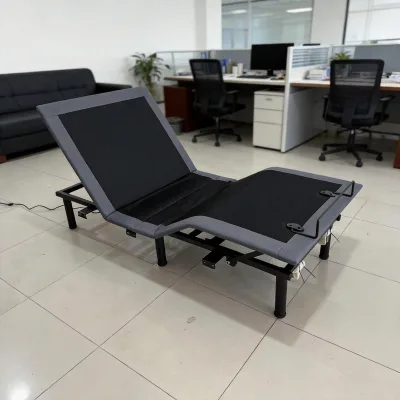
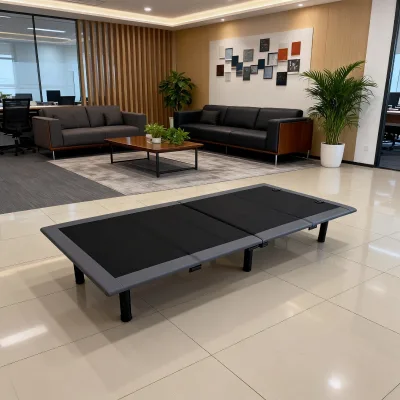

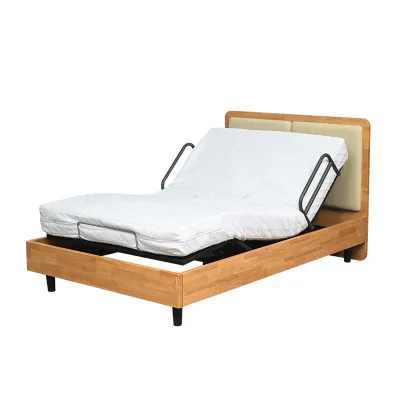
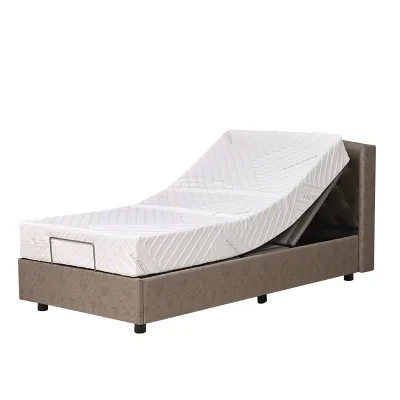
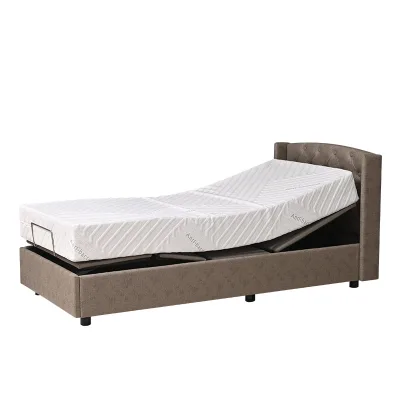
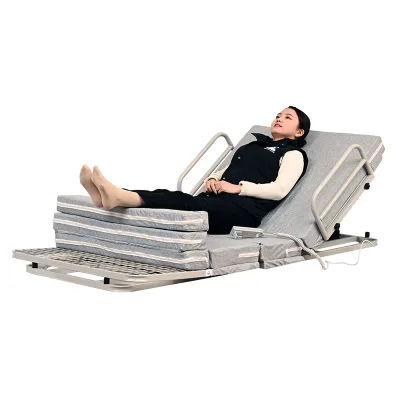
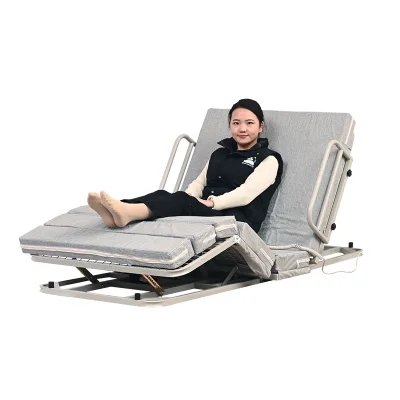


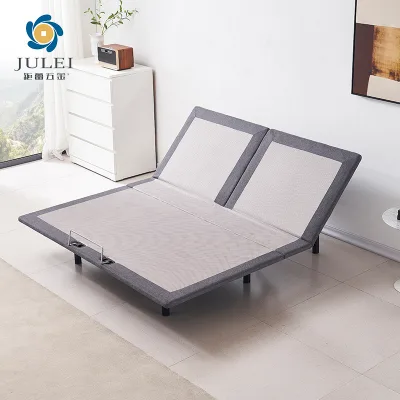

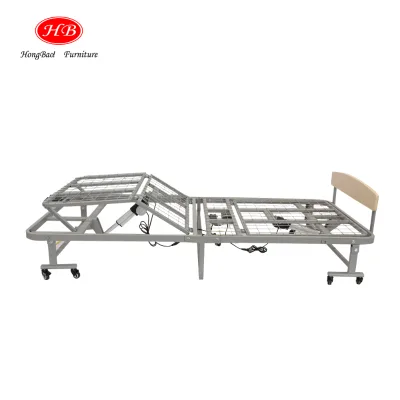
Adjustable 4 Cranks 5 Functions Bed with Reclining Tilting Hospital Beds
$68.00 - $110.00
MOQ: 1 Pieces



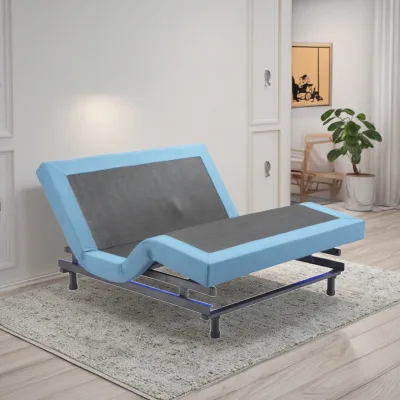
Adjustable Reclining Bed OEM&ODM Bedroom Furniture Memory Foam Mattress
$413.0815 - $620.1399
MOQ: 1 sets

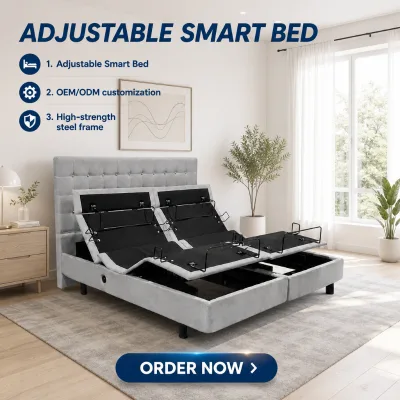

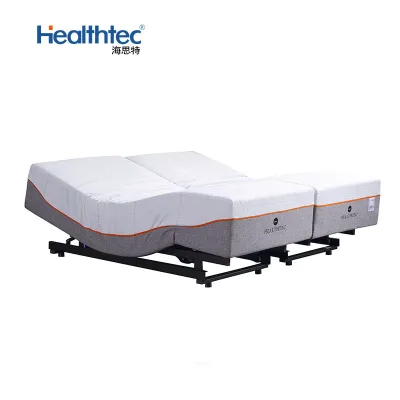

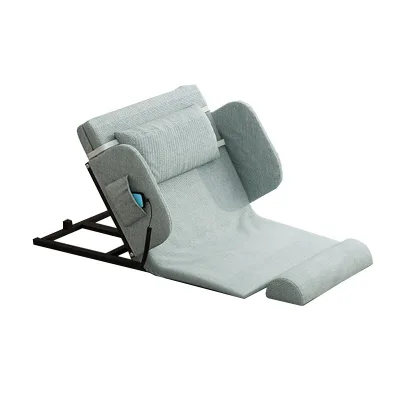

Comprehensive Sourcing Guide
Adjustable Reclining Bed Sourcing Guide
Procuring adjustable reclining beds requires a nuanced understanding of the diverse product landscape, which ranges from simple manual frames to complex electric hospital-grade units. Buyers must first distinguish between commercial furniture applications and medical-grade equipment, as the regulatory and performance expectations differ significantly. The observed market includes products labeled as electric reclining seating beds, hospital beds, and general bedroom furniture, each serving distinct operational needs. Understanding these categories is the first step in defining a precise technical specification that aligns with your end-user requirements and budget constraints.
The sourcing process is further complicated by the variability in material composition and structural design. Observed listings indicate a mix of materials, including metal frames, plastic components, and wood elements, often combined with fabric or metal upholstery. This diversity means that a single supplier may offer multiple product lines with vastly different durability profiles. Buyers should carefully evaluate the intended load capacity and environmental usage, such as hospital settings versus hotel bedrooms, to ensure the selected unit meets the necessary structural integrity and comfort standards for its specific deployment context.
Product Scope and Observed Listing Signals
The current market signals reveal a wide spectrum of product configurations, with observed listings highlighting features such as disassembly capabilities and various folding states. Some units are marketed as electric beds with specific model numbers like CN-E22, while others are described simply as two-function hospital beds. These signals suggest that buyers should not assume uniformity across all suppliers. It is critical to verify whether the product is designed for static bedroom use or dynamic clinical environments, as this distinction heavily influences the required motor quality, control mechanisms, and overall build complexity.
Listing data also points to significant variations in packaging and physical dimensions, with single package sizes ranging from compact boxes to larger cartons measuring up to 139x97x14 cm. Weight capacities observed in the market span from 200kg to 250kg maximum loads, indicating that structural reinforcement varies by manufacturer. Buyers must pay close attention to these physical specifications to ensure compatibility with their logistics infrastructure and end-user space constraints. Additionally, the presence of both folded and unfolded states in listings suggests that space-saving features are a common but inconsistently implemented attribute across different product tiers.
Technical Specifications to Verify
When evaluating technical specifications, buyers must prioritize the verification of motor systems and control interfaces for electric models. The observed market includes products with electric reclining mechanisms, but the specific voltage, noise levels, and motor lifespan are not universally disclosed. It is essential to request detailed electrical schematics and certification for the control box to ensure safety and reliability. Furthermore, the distinction between single-function and multi-function adjustments, such as head and foot elevation, must be clearly defined in the purchase order to avoid receiving units that lack critical positioning capabilities required for patient care or user comfort.
Frame construction and material durability are equally critical technical factors that require rigorous verification. While some listings mention metal or wood materials, the gauge of steel, the type of wood, and the quality of fabric upholstery can vary widely. Buyers should specify minimum load-bearing requirements, noting that observed capacities range up to 250kg, to ensure the frame can withstand long-term use without deformation. Additionally, the presence of disassembly features should be confirmed, as this impacts installation logistics and maintenance accessibility. Verifying the exact dimensions, such as the observed size of 2150x950x400-720mm, is necessary to ensure fit within designated spaces.
Compliance and Safety Documentation
Compliance documentation is a non-negotiable aspect of sourcing adjustable reclining beds, particularly for medical or commercial applications. The observed market includes products claiming certifications such as FDA, ISO, SGS, and CE, but buyers must verify the validity and scope of these certificates. It is crucial to ensure that the certifications apply specifically to the model being purchased and not just the manufacturer’s general portfolio. For hospital-grade beds, additional regulatory approvals may be required depending on the destination country, so buyers should consult local health authority guidelines to determine the exact documentation needed for legal deployment.
Safety standards also encompass electrical safety and mechanical stability, which must be documented through third-party test reports. Buyers should request evidence of stability testing to prevent tipping, especially for beds with high weight capacities. Additionally, the insulation and grounding of electrical components should be verified against international safety standards. While some listings mention lifetime warranties, the terms and conditions of such warranties often exclude specific components like motors or remotes. Buyers must clarify the warranty coverage in writing to ensure that long-term maintenance costs are accounted for in the total cost of ownership.
Cost Drivers and Commercial Terms
Cost drivers for adjustable reclining beds are heavily influenced by the complexity of the electric system and the quality of raw materials. Units with advanced electric motors, programmable positions, and premium upholstery materials will command higher prices compared to manual or basic electric models. The observed price range in the market is broad, reflecting these variations in feature sets and build quality. Buyers should analyze the cost breakdown to understand the value proposition of each component, ensuring that they are not overpaying for features that are not essential to their specific use case.
Commercial terms, including payment structures and lead times, also play a significant role in the total procurement cost. Observed terms often include T/T 30%/70% payment splits, which is standard but requires careful cash flow management. Lead times vary, with observed delivery windows ranging from 15 to 30 days, depending on the order quantity and customization requirements. Buyers should negotiate clear penalties for delayed deliveries and confirm the minimum order quantity (MOQ), which can range from one set to fifty sets, to align with their inventory strategy and budget constraints.
Supplier Qualification and Quality Control
Supplier qualification begins with verifying the manufacturer’s production capabilities and quality management systems. Buyers should prioritize suppliers who offer OEM and ODM services, as this indicates a higher level of manufacturing flexibility and technical expertise. It is essential to conduct a thorough audit of the supplier’s facility, focusing on their assembly lines, testing procedures, and raw material storage. Suppliers located in regions like Hebei, China, should be evaluated for their consistency in meeting international standards and their ability to scale production without compromising quality.
Quality control protocols must be explicitly defined in the contract to ensure product consistency. Buyers should implement pre-shipment inspections that verify critical dimensions, electrical functionality, and material integrity. Given the variability in observed product attributes, it is advisable to request sample units for rigorous testing before placing bulk orders. Additionally, suppliers should provide a clear defect rate threshold and a process for handling non-conforming goods. Establishing a strong quality control framework helps mitigate the risk of receiving units that do not meet the specified technical and safety requirements.
Long-Term Procurement Checks
Long-term procurement success depends on establishing robust after-sales support and maintenance protocols. The observed market includes suppliers offering onsite training and lifetime warranties, but the practical implementation of these services varies. Buyers should verify the availability of spare parts, such as motors, remotes, and fabric replacements, to ensure that the beds can be maintained over their lifespan. A clear channel for technical support and repair services is essential to minimize downtime and extend the useful life of the equipment, particularly in high-usage environments like hospitals and hotels.
Continuous monitoring of supplier performance and product feedback is also critical for long-term procurement strategies. Buyers should track metrics such as defect rates, delivery punctuality, and customer satisfaction to identify potential issues early. Regular reviews of the product’s performance in the field can provide valuable insights for future purchasing decisions, allowing buyers to refine their specifications and supplier selection criteria. By maintaining a proactive approach to supplier management and product evaluation, buyers can ensure a sustainable and reliable supply chain for their Adjustable Reclining Bed needs.
FAQs
What certifications do these adjustable reclining beds have?
The beds hold FDA, ISO, SGS, and CE certifications. These credentials verify compliance with international safety and quality standards for medical and commercial furniture. Buyers can rely on these documented marks to ensure regulatory adherence for hospital or hotel installations without needing additional third-party validation.
Can the Adjustable Reclining Bed be customized for specific needs?
Yes, customization is available through OEM and ODM services. Manufacturers support tailored designs to meet specific functional or aesthetic requirements. This flexibility allows buyers to adapt the bed for unique hospital, hotel, or apartment settings while maintaining the core structural integrity and modern design style.
What is the typical delivery time for these beds?
Delivery typically takes 15 to 30 days after order confirmation. This lead time accounts for production and standard carton packing. Buyers should plan their procurement schedules accordingly to ensure timely installation in hospitals or commercial facilities, considering the global shipping logistics from the origin in China.
What is the maximum weight capacity for the bed?
The bed supports a maximum loading capacity of 250kg. This robust limit ensures safety and durability for various user weights in hospital or home care settings. The metal frame construction contributes to this strength, providing a reliable solution for patients requiring electric reclining support and stability.
What is the minimum order quantity for these beds?
The minimum order quantity is one set. This low MOQ allows buyers to test the product quality or purchase small batches for specific projects. It facilitates flexible sourcing for hotels, apartments, or hospitals that require individual units without committing to large industrial volumes or excessive inventory costs.
What after-sale service is provided for the electric bed?
Onsite training is provided as part of the after-sale service. This support helps medical staff or hotel personnel operate the electric reclining functions correctly. It ensures proper usage and maintenance, reducing operational errors and extending the lifespan of the bed in demanding commercial or healthcare environments.