Source Adjustable Height Acrylic Display Stand for Retail
Find 30 Adjustable Height Acrylic Display Stand options from Shenzhen and Ningbo suppliers. Compare OEM/ODM capabilities, 6mm thickness, and desktop L-stand designs for cosmetics, documents, and home use; compare the available evidence and request quotations based on your requirements.
Updated
Key considerations
Products List






Comprehensive Sourcing Guide
Adjustable Height Acrylic Display Stand Sourcing Guide
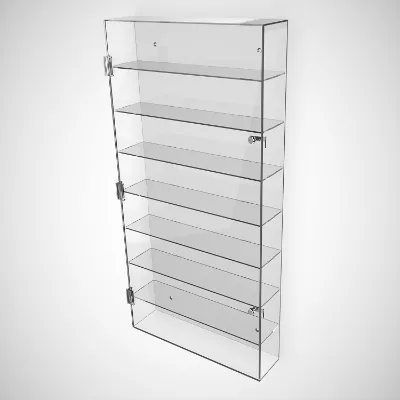
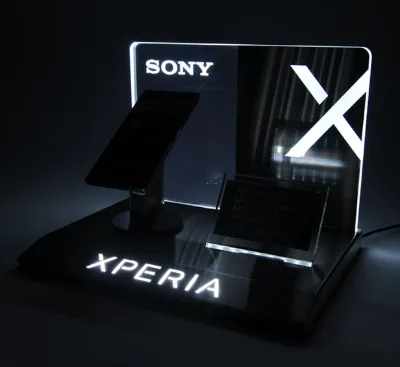
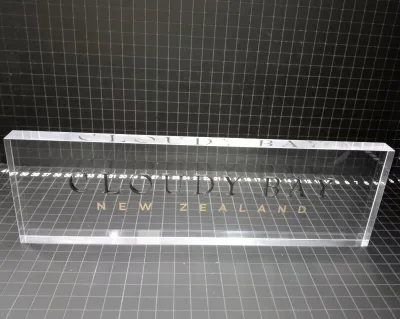
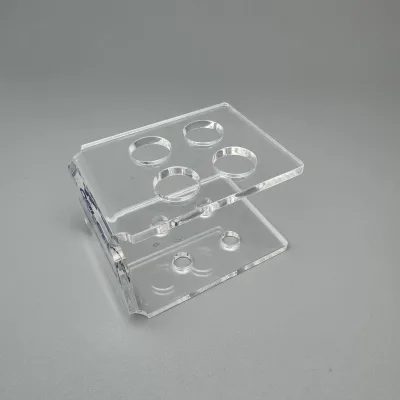
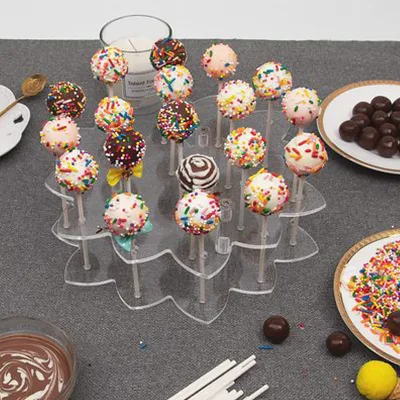
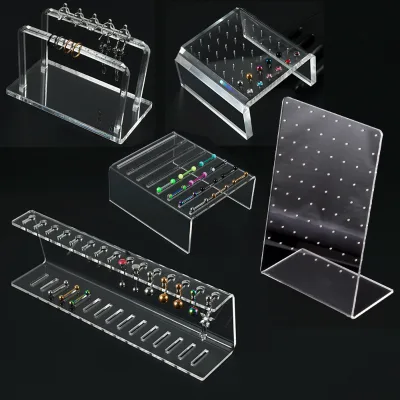
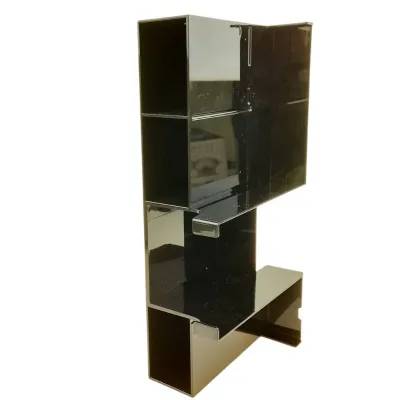
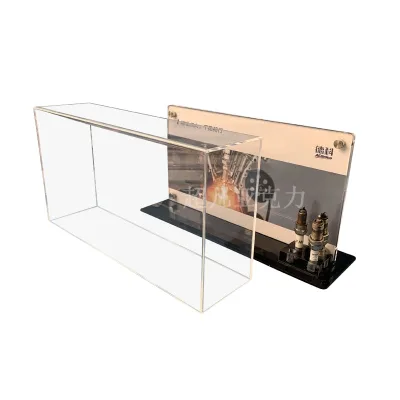
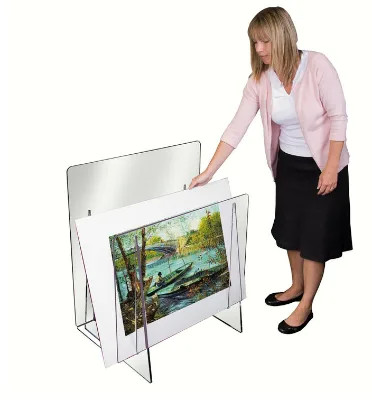
Procuring adjustable height acrylic display stands requires a careful balance between aesthetic clarity and functional versatility. Buyers must recognize that while the core material is typically clear acrylic, the specific structural design dictates whether the unit can truly accommodate varying product heights. The observed market signals indicate a strong presence of desktop-style units, often categorized as L-stands, which are primarily designed for indoor exhibition shows, specialty stores, and general retail environments. These units are frequently marketed for displaying cosmetics, documents, or small retail items, emphasizing their role in enhancing product visibility without obstructing the view.
The customization landscape for these displays is extensive, with many suppliers offering OEM and ODM services to tailor dimensions and features to specific brand needs. However, buyers should note that not all listed products support true vertical adjustability; many are fixed-height structures with customizable footprints. It is crucial to distinguish between stands that offer modular components for height adjustment and those that simply provide a range of fixed sizes. Understanding this distinction prevents procurement errors where a buyer assumes a static display can adapt to seasonal inventory changes, leading to wasted investment in rigid fixtures that cannot evolve with merchandising strategies.
Product Scope and Observed Listing Signals
The current market for acrylic display stands reveals a diverse range of models, with observed product codes such as WM-A0006, WM-A0088, and AC-2023007133 indicating a high volume of SKUs available from various manufacturers. These listings often highlight features like durability and safe packaging, which are critical for protecting the fragile acrylic material during transit. The observed price range spans from approximately $0.58 to $29.20, reflecting significant variation in thickness, size, and complexity. Buyers must scrutinize these prices carefully, as lower costs may correlate with thinner materials or simpler construction that lacks the robustness required for heavy retail traffic.
Minimum order quantities (MOQs) vary widely, with some suppliers accepting single samples while others require orders of 100 pieces or more. This variability allows small businesses to test designs before committing to large volumes, but it also complicates cost-per-unit calculations for larger enterprises. The observed usage scenarios include supermarkets, home environments, and makeup shops, suggesting that these stands are versatile enough for both commercial and personal use. However, the lack of antitheft features in many listings means that buyers in high-theft environments may need to consider additional security measures or select specialized models that incorporate locking mechanisms or secure mounting options.
Technical Specifications to Verify
When evaluating technical specifications, buyers must prioritize the thickness of the acrylic sheet, as this directly impacts the stand’s stability and load-bearing capacity. Observed data indicates a common thickness of 6mm, which provides a good balance between clarity and strength for most cosmetic and document displays. However, for heavier items or high-traffic areas, thicker options may be necessary. Buyers should also verify the single package dimensions, such as the observed 40x30x30 cm size, to ensure efficient shipping and storage. Packaging methods like bubble bags, EPE foam, and cartons are standard, but the quality of these materials can vary significantly between suppliers, affecting the risk of damage during delivery.
The model numbers and origin locations, such as Shenzhen or Ningbo in Guangdong, China, provide insight into the manufacturing ecosystem. Buyers should confirm whether the supplier offers customized sizes or if they are limited to standard dimensions like 5.5x10x22 cm. Additionally, the production time of 10-15 days for standard orders and up to 25 days for small orders is a critical lead time factor. Buyers must align these timelines with their inventory planning to avoid stockouts. It is also essential to verify the gross weight, which can range from 3.000 kg to 4.04 kgs, as this affects shipping costs and handling requirements in the warehouse.
Compliance and Safety Documentation
While specific certification statuses are not uniformly listed in the observed data, buyers must proactively request documentation to ensure compliance with local safety and environmental regulations. Acrylic products should ideally meet relevant flammability standards, especially for displays used in public spaces like exhibition halls or retail stores. Buyers should ask suppliers for test reports or certificates that confirm the material’s fire resistance and chemical safety, particularly if the displays will be used in regions with strict consumer protection laws. Without this documentation, buyers risk non-compliance penalties or product recalls, which can severely damage brand reputation.
Furthermore, buyers should verify the supplier’s adherence to quality management systems, such as ISO 9001, which indicates a structured approach to manufacturing consistency. Although not explicitly mentioned in all listings, this standard is a strong indicator of a supplier’s ability to maintain uniform product quality across large production runs. Buyers should also inquire about the supplier’s waste management practices, as acrylic production can generate significant plastic waste. Ensuring that the supplier follows environmentally responsible disposal or recycling practices can enhance the brand’s sustainability profile and appeal to eco-conscious consumers.
Cost Drivers and Commercial Terms
The cost of adjustable height acrylic display stands is influenced by several key factors, including material thickness, customization complexity, and order volume. Thicker acrylic sheets and intricate designs, such as those with multiple tiers or adjustable mechanisms, naturally command higher prices. Buyers should also consider the cost of packaging, as robust protection against damage adds to the overall expense. The observed supply ability of 5000 pieces per week suggests that many suppliers have the capacity to handle large orders, but buyers must confirm whether this capacity is consistent during peak seasons to avoid delays.
Commercial terms, such as payment methods and shipping arrangements, vary among suppliers. Buyers should negotiate clear terms regarding sample costs, which are often refundable upon placing a bulk order. It is also important to clarify who bears the responsibility for shipping costs and insurance, especially for international orders. Buyers should be wary of hidden fees, such as those for mold creation or design adjustments, which can significantly increase the total cost. Establishing a transparent pricing structure early in the negotiation process helps prevent budget overruns and ensures that the final invoice aligns with the initial quotation.
Supplier Qualification and Quality Control
Selecting a reliable supplier requires thorough due diligence beyond just reviewing product listings. Buyers should verify the supplier’s business license, production facilities, and past client references to assess their credibility and experience. Suppliers with a strong track record in OEM and ODM services are often better equipped to handle custom requests and maintain quality consistency. Buyers should also inquire about the supplier’s quality control processes, including in-line inspections and final random inspections, to ensure that every unit meets the specified standards. This proactive approach minimizes the risk of receiving defective products.
Additionally, buyers should evaluate the supplier’s responsiveness and communication skills, as these factors are crucial for resolving issues quickly. A supplier that provides detailed product information, such as single gross weight and package dimensions, demonstrates a commitment to transparency and professionalism. Buyers should also consider the supplier’s ability to provide samples before mass production, allowing for a physical assessment of quality and functionality. Establishing a strong relationship with a qualified supplier can lead to better pricing, priority production, and improved support throughout the procurement lifecycle.
Long-Term Procurement Checks
Long-term success in sourcing acrylic display stands depends on continuous monitoring of supplier performance and market trends. Buyers should regularly review supplier metrics, such as on-time delivery rates, defect rates, and customer service responsiveness, to identify potential issues early. Establishing key performance indicators (KPIs) and conducting periodic audits can help maintain high standards and drive continuous improvement. Buyers should also stay informed about changes in acrylic material costs and manufacturing technologies, which can impact pricing and product availability.
Furthermore, buyers should diversify their supplier base to mitigate risks associated with single-source dependency. Maintaining relationships with multiple qualified suppliers provides flexibility in case of supply chain disruptions or quality issues. Buyers should also regularly update their product specifications to reflect changing merchandising needs and consumer preferences. By staying agile and proactive, buyers can ensure that their display stands remain effective tools for enhancing product visibility and driving sales in a competitive retail environment.
FAQs
Can I customize the size of the acrylic display stand?
Yes, customization is available for the acrylic display stand. The product supports customized sizes to meet specific display needs. You can request specific dimensions to fit your retail environment or exhibition space effectively. This flexibility ensures the stand integrates seamlessly with your existing setup and branding requirements.
What is the minimum order quantity for this product?
The minimum order quantity is 100 pieces. This MOQ applies to the standard acrylic display stand models. Buyers can place orders starting from this threshold to secure the product. It is suitable for small businesses or initial inventory testing without requiring large upfront commitments.
How long does production take for these stands?
Production time is typically 10 to 15 days. This duration covers the manufacturing process for the customized acrylic stands. Small orders may be delivered within 25 days. This timeline allows for quality control and packaging preparation before shipment from the origin location.
What material is used for the display stand?
The display stand is made from durable acrylic material. This clear acrylic construction ensures longevity and a premium appearance. It is suitable for displaying cosmetics, documents, or other items in stores. The material choice balances aesthetic appeal with practical durability for retail environments.
Where is the product manufactured?
The product originates from Guangdong, China, specifically Shenzhen. This location is a known hub for acrylic manufacturing. Buyers can expect efficient logistics from this region. The origin supports the supply ability of 5000 pieces per week for consistent inventory replenishment.
Is OEM and ODM service available?
Yes, OEM and ODM customization is welcome. Buyers can request tailored designs or branding on the acrylic stands. This service supports unique product requirements for specific markets. The manufacturer accommodates custom specifications to align with your brand identity and functional needs.