Source Adjustable Ringtone Corded Landline Telephone for Office, Hotel, and Home
Find 30 Adjustable Ringtone Corded Landline Telephone options from Hebei, China. Compare models with features like DTMF dialing, automatic take-up, and multi-language support. View pricing from $2.90 to $23.04 and MOQs ranging from 1 to 3000 pieces for office, hotel, and home use.
Updated
Key considerations
Products List
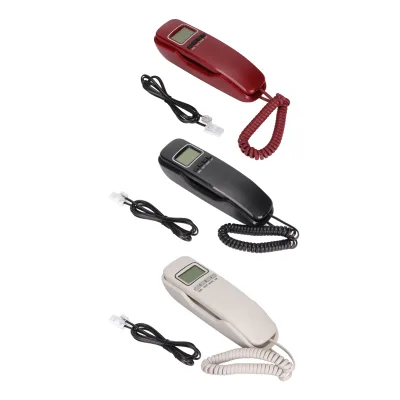
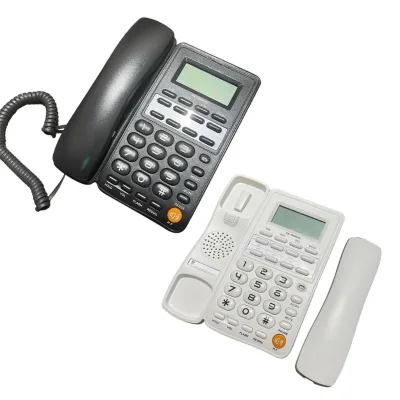
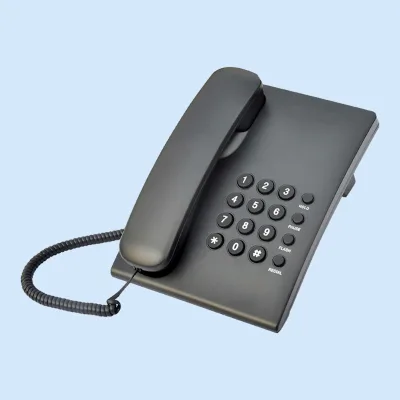
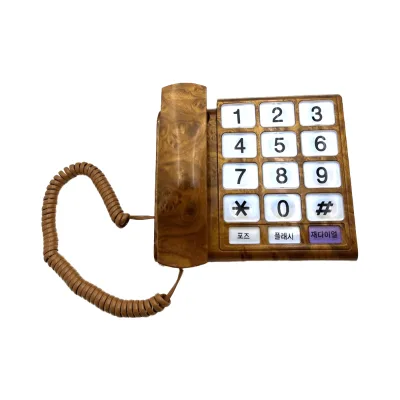
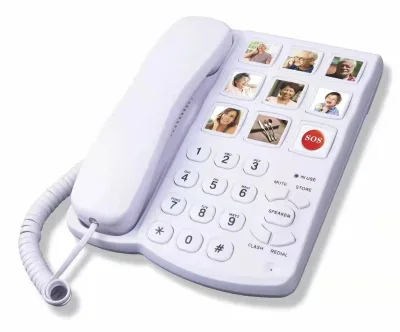
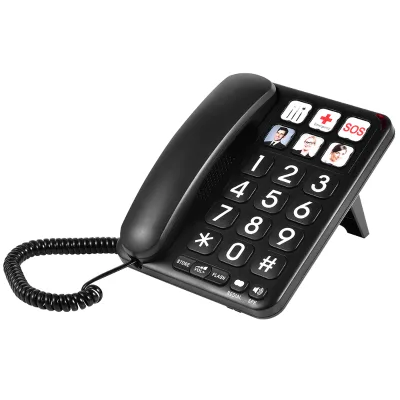
Corded Landline Phone Big Button Household Business Desktop Landline Telephone
$7.7433 - $8.7965
MOQ: 1 pieces
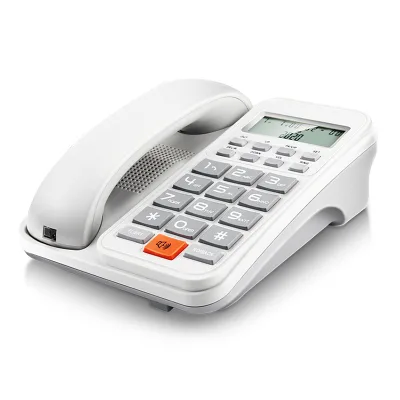
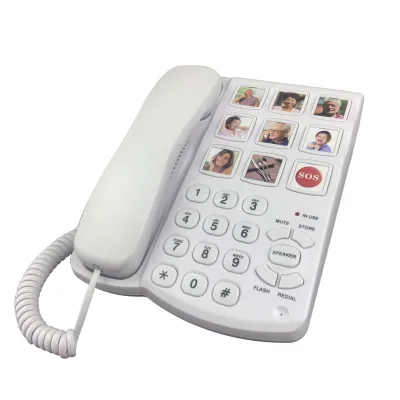
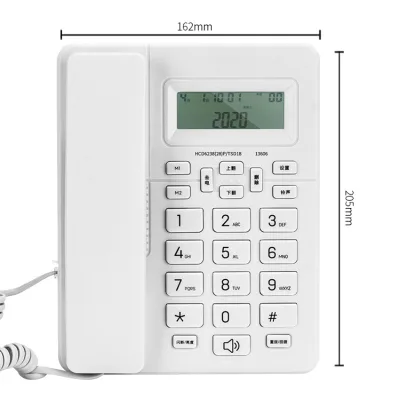


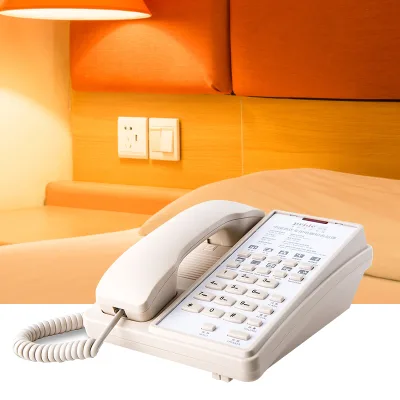
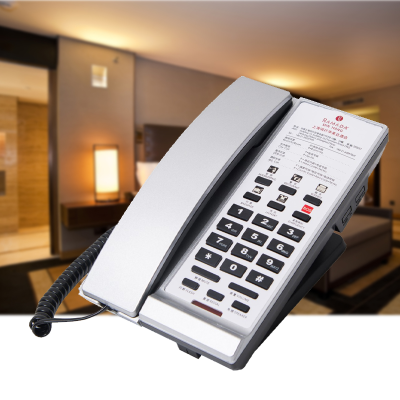
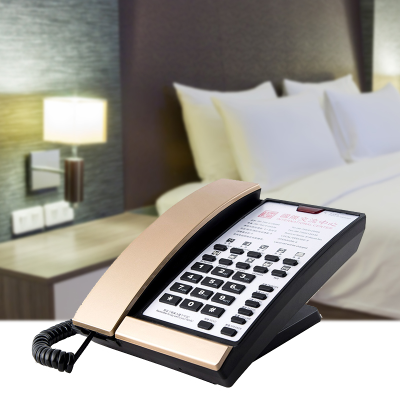
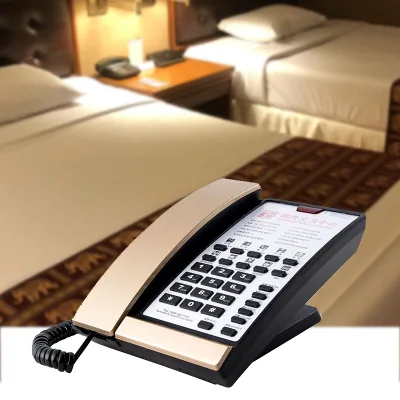
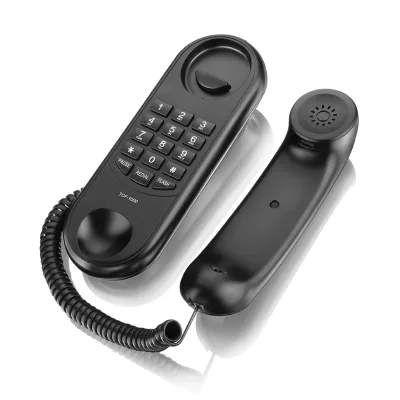
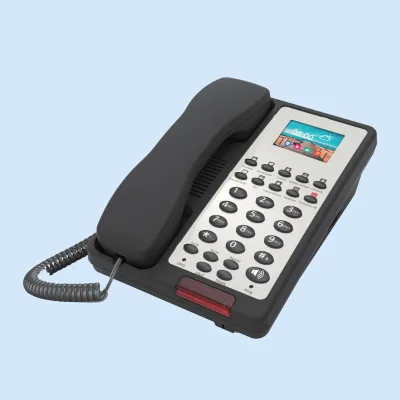
Best Selling Slim Corded Telephone Landline Trimline Phone For Hotel Supply
$15.8217 - $19.4794
MOQ: 1 pieces
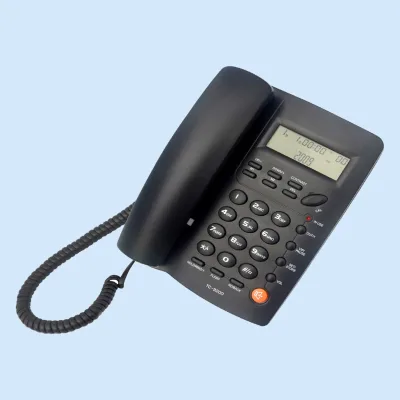
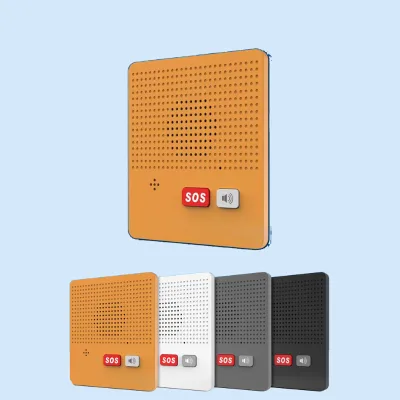
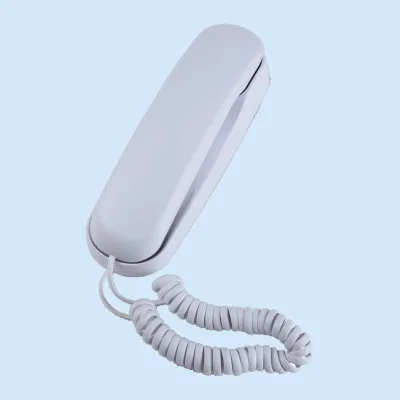
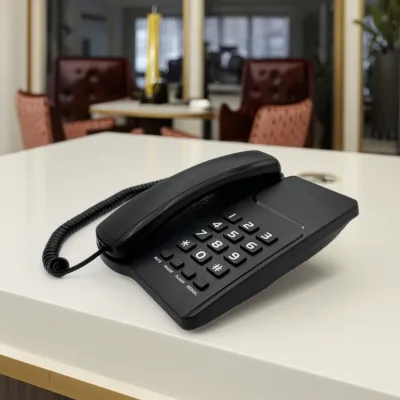
Comprehensive Sourcing Guide
Adjustable Ringtone Corded Landline Telephone Sourcing Guide
Procuring adjustable ringtone corded landline telephones requires a nuanced understanding of the diverse product landscape available from manufacturers, primarily concentrated in regions like Hebei, China. Buyers must navigate a market where terminology can be inconsistent, with listings frequently using terms such as "Home Office Desktop Corded Landline," "Adjustable Ringtones Wired Telephone," or simply "Corded Landline Phone" to describe similar functional devices. This semantic variability means that a single search query may yield results for digital cordless phones, analog cordless units, or even antique-style telephones, necessitating careful filtering to isolate true corded landline options. The core keyword suggests a focus on user-customizable audio alerts, a feature critical for environments where hearing accessibility or distinct call identification is paramount.
The observed product data reveals a wide spectrum of specifications, indicating that "adjustable ringtone" is not a standardized technical parameter but rather a marketing attribute applied across various hardware configurations. Some listings highlight specific model numbers like "Sn-0016" or "Desktop Landline Telephone," while others emphasize material compositions such as ABS plastic combined with fiber glass PCBs. Buyers should recognize that the presence of a corded interface does not preclude the inclusion of wireless modules, as some products list frequencies for 850/900/1800/1900MHz or even 4G modules, suggesting hybrid capabilities. Therefore, the initial sourcing phase must prioritize verifying the physical connectivity type against the advertised ringtone features to ensure the device meets the specific operational requirements of the intended deployment environment.
Product Scope and Observed Listing Signals
The product scope for adjustable ringtone corded landlines encompasses a broad range of form factors, from compact desktop units to larger, vintage-style designs intended for specific aesthetic or functional niches. Observed listings indicate that product names vary significantly, including "Wired Home Desktop Landline Phone," "Landline Phone for Old People," and "Antique Telephone," reflecting diverse target markets. The single gross weight ranges dramatically from 0.2 kg for standard units to 60.0 kg for heavier, possibly decorative or specialized models, signaling that buyers must carefully review physical dimensions and packaging sizes, which range from 14x2x7 cm to 60x60x60 cm. This variance suggests that logistics planning must be tailored to the specific model selected, as shipping costs and handling requirements will differ substantially between lightweight digital units and bulkier, feature-rich or antique-style telephones.
Listing signals also reveal significant differences in supply capabilities and packaging structures, with some suppliers offering a supply ability of 10,000 pieces per day while others operate on smaller batch scales. The selling units vary from single items to multiples of 18, and package sizes per batch can reach 44x35x44.5 cm, indicating that inventory management strategies must align with the supplier's operational model. Additionally, attributes such as "Automatic Take-up" function and "Multi-language" support suggest that these devices are designed for international or high-traffic commercial environments, such as hotels or corporate offices. Buyers should interpret these signals as indicators of the device's intended use case, ensuring that the selected model supports the necessary interface languages and mechanical features like automatic cord retraction for durability in high-use settings.
Technical Specifications to Verify
When evaluating technical specifications, buyers must distinguish between the core corded functionality and any additional wireless or digital features that may be present in the listing. While the core keyword implies a traditional wired connection, some observed products list network capabilities including Wireless LAN, Bluetooth, and Wired LAN, alongside ONVIF support, which is unusual for standard landlines and may indicate integration with IP-based systems or surveillance networks. It is crucial to verify whether the "adjustable ringtone" feature is implemented via digital signal processing in a digital cordless phone variant or through simple analog circuitry in an analog cordless phone listing, as the latter may offer limited customization options. The frequency bands mentioned, such as 850/900/1800/1900MHz or customized 4G modules, further complicate the technical profile, requiring buyers to confirm that the device operates on the correct local network frequencies if it includes cellular connectivity.
Dialing mechanisms and memory features are other critical technical aspects that vary across the observed product range. Most listings specify DTMF dialing, which is standard for modern telephones, but buyers should verify the presence and capacity of one-touch memory functions, with some models offering 1-8 memory slots for speed dialing. The material composition, typically ABS plastic combined with a PCB or fiber glass PCB, impacts durability and heat dissipation, which is relevant for devices that may remain powered on continuously. Additionally, the inclusion of voice mail capabilities and specific applications like hotel guest rooms suggests that some models are designed for integrated communication systems. Buyers must request detailed technical datasheets to confirm the exact nature of the ringtone adjustment, whether it involves volume control, tone selection, or pattern customization, and ensure compatibility with the existing telephone infrastructure.
Compliance and Safety Documentation
Compliance and safety documentation are essential for ensuring that the purchased landline telephones meet the regulatory requirements of the destination market. Although specific certification statuses are not explicitly confirmed in the observed data, the mention of RoHS suggests that some manufacturers may adhere to restrictions on hazardous substances, which is a common requirement for electronic goods in many regions. Buyers should proactively request valid certification documents, such as CE, FCC, or UL marks, depending on the target country, to verify that the devices have undergone appropriate testing for electromagnetic compatibility and electrical safety. The presence of OEM acceptance indicates that manufacturers are willing to customize products, which may involve adapting compliance markings or packaging to meet local regulatory standards, making it vital to clarify these requirements during the initial inquiry phase.
Safety considerations also extend to the physical design and material safety of the telephones. The use of ABS plastic and PCBs is standard, but buyers should ensure that these materials are free from harmful chemicals and meet flammability standards for electronic enclosures. For products marketed towards elderly users or those with specific accessibility needs, such as the "Landline Phone for Old People" listing, additional safety features like large buttons or high-contrast displays may be relevant, though these are not explicitly detailed in the observed attributes. Buyers should also verify that the power supplies, if included, meet local voltage and frequency requirements and have appropriate safety certifications. Clear documentation of these compliance aspects helps mitigate legal risks and ensures that the products can be legally imported and sold in the intended market.
Cost Drivers and Commercial Terms
Cost drivers for adjustable ringtone corded landline telephones are influenced by a variety of factors, including the complexity of the ringtone customization, the inclusion of additional features like voice mail or multi-language support, and the materials used in construction. The observed price range of 2.9 to 23.04 USD reflects this diversity, with lower-priced items likely being basic analog units and higher-priced items potentially featuring digital interfaces, wireless capabilities, or premium materials. Buyers should analyze the cost structure in relation to the specified single gross weight and package dimensions, as heavier or bulkier items may incur higher shipping costs, impacting the total landed cost. The supply ability of 10,000 pieces per day suggests that economies of scale are possible, potentially leading to volume discounts for larger orders, which buyers should negotiate based on their projected procurement volumes.
Commercial terms, including MOQ and warranty, vary significantly among suppliers and must be carefully evaluated to align with the buyer's operational needs. The observed MOQ range of 1 to 3,000 units offers flexibility for both small-scale trials and large-scale deployments, but buyers should confirm whether the MOQ applies to mixed models or specific SKUs. Warranty periods, such as the 3-year warranty mentioned for some models, provide assurance against manufacturing defects, but buyers should clarify the terms of coverage, including whether it covers parts, labor, or return shipping. Additionally, the availability of customization services, including OEM acceptance and customized frequency bands, may incur additional costs or longer lead times, which should be factored into the procurement timeline. Clear communication of these commercial terms helps prevent unexpected expenses and ensures a smooth transaction process.
Supplier Qualification and Quality Control
Supplier qualification is a critical step in ensuring the reliability and consistency of the adjustable ringtone corded landline telephones. Buyers should assess the supplier's production capacity, evidenced by the observed supply ability of 10,000 pieces per day, to ensure they can meet order volumes without compromising quality. The presence of OEM acceptance and customization options indicates that the supplier has the technical capability to adapt products to specific requirements, but buyers should verify their experience in handling such requests through case studies or references. Quality control processes should be clearly defined, with suppliers providing details on their inspection procedures, including incoming material checks, in-process monitoring, and final product testing. Buyers may request samples to evaluate the build quality, functionality of the adjustable ringtone feature, and overall user experience before committing to a larger order.
Quality control also extends to the consistency of product attributes across batches, such as the single package size and gross weight, which must remain stable to ensure accurate logistics planning. Buyers should inquire about the supplier's defect rate and their procedures for handling non-conforming products, including return policies and replacement terms. The use of specific materials like ABS plastic and fiber glass PCBs should be verified for consistency, as variations in material quality can affect the durability and performance of the telephones. Additionally, suppliers should provide documentation of their quality management systems, such as ISO certifications, if available, to demonstrate their commitment to maintaining high standards. Establishing a robust quality control framework with the supplier helps minimize risks and ensures that the delivered products meet the buyer's expectations.
Long-Term Procurement Checks
Long-term procurement checks are essential for maintaining the quality and reliability of the adjustable ringtone corded landline telephones over time. Buyers should establish regular performance reviews with the supplier to assess product consistency, addressing any issues related to ringtone functionality, dialing accuracy, or physical durability. The warranty period, such as the 3-year warranty observed for some models, should be monitored to ensure that the supplier honors their commitments and provides timely support for any defects. Buyers should also track market trends and technological advancements to ensure that the procured telephones remain relevant and competitive, particularly if they are intended for use in dynamic environments like hotels or corporate offices. Regular communication with the supplier can help identify opportunities for product improvements or new features that may enhance the value of the procurement.
Sustainability and ethical sourcing practices are increasingly important considerations for long-term procurement strategies. Buyers should verify that the supplier adheres to environmental regulations and ethical labor practices, particularly given the mention of RoHS compliance and the use of plastic materials. This may involve requesting audits or certifications related to environmental management and social responsibility. Additionally, buyers should consider the end-of-life disposal of the telephones, ensuring that the materials used are recyclable or can be disposed of in an environmentally responsible manner. By incorporating these long-term checks into their procurement strategy, buyers can build a sustainable and resilient supply chain that supports their business objectives while minimizing environmental and social impacts.
FAQs
What is the typical single gross weight for these landline phones?
The single gross weight varies by model, ranging from 0.2 kg for compact units to 60.0 kg for larger vintage-style packages. Buyers should check the specific product page for the exact weight of the desired model to ensure accurate shipping calculations and handling requirements.
Can I customize the frequency band for these devices?
Yes, customization is available for certain models, including options customized as a 4G module. The standard frequency bands observed include 850/900/1800/1900MHZ. Buyers requiring specific network compatibility should verify the exact specifications with the supplier before placing an order to ensure proper functionality.
What is the minimum order quantity for these telephones?
The minimum order quantity ranges from 1 to 3000 pieces depending on the specific supplier and model. Some items are sold as single units, while others may have a selling unit multiple of 18. Buyers should review the specific listing details to determine the applicable MOQ for their purchase.
Are these phones suitable for hotel guest room applications?
Yes, specific models are explicitly designed for hotel guest room applications and include features like voice mail. These units often support multiple languages and offer customization options. Buyers seeking hospitality solutions should verify the specific model number and feature set to ensure it meets their property management system requirements.
What is the supply ability for these landline phones?
The supply ability is listed as 10000 pieces per day for certain models. This capacity supports bulk orders for home office or vintage phone recording uses. Buyers requiring large volumes should confirm the current production capacity with the supplier to ensure timely delivery and consistent supply chain stability.
What materials are used in the construction of these phones?
The phones are constructed using ABS Plastic combined with either a standard PCB or Fiber Glass PCB. This material combination ensures durability and reliable performance for desktop use. Buyers should check the specific model details to confirm the exact material composition and any relevant safety certifications like RoHS.