Source FTTX Epoxy for Industrial Floors, Roofs, and Walls
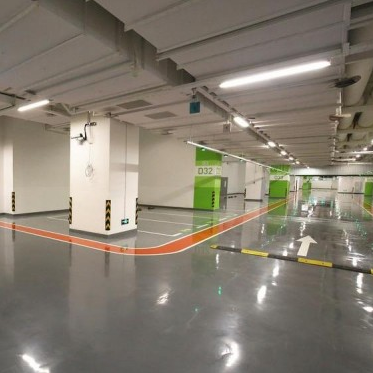
Source FTTX Epoxy coatings for industrial plant workshops, dust-free waterproof floors, and exterior walls. Compare 25 available products with features like air drying, roller or brush application, and ISO certifications. Options include custom colors and wear-resistant hardness for steel and ceramic substrates.
Updated
Key considerations
Products List


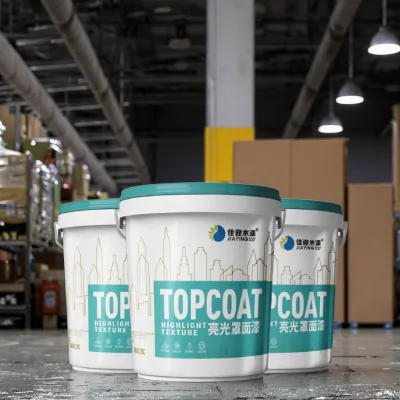
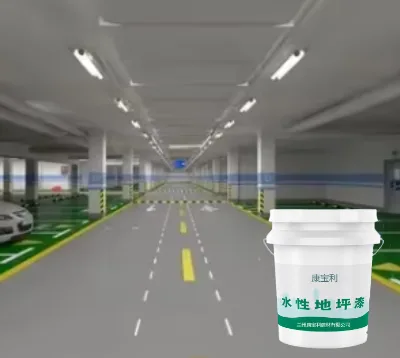


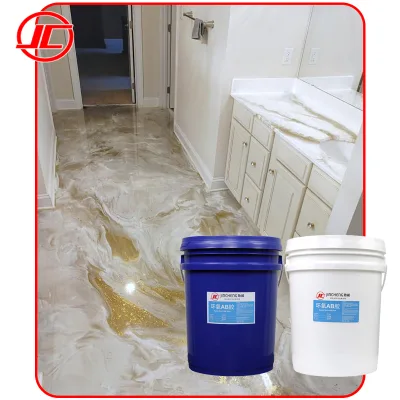
Epoxy Metallic Floor Concrete Phenolic Epoxy Paint with Pigment AB Glue
$3.9764 - $4.5508
MOQ: 1 kilograms


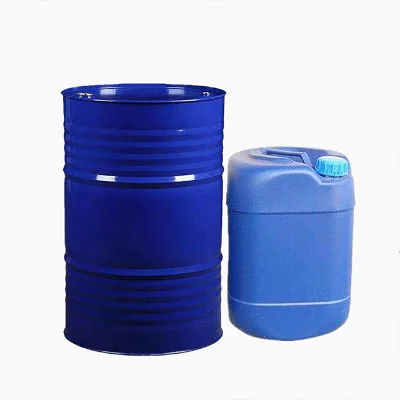
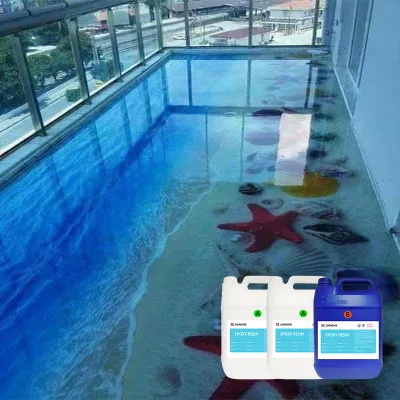
Liquid Epoxy Resin for Epoxy Metallic Floor 3D Floor Resin Painting and Coating
$2.90 - $3.60
MOQ: 250 kilograms





Comprehensive Sourcing Guide
FTTX Epoxy Sourcing Guide
Procuring epoxy materials for Fiber to the Home (FTTX) infrastructure requires a nuanced understanding of material properties that extend beyond standard industrial flooring applications. While the supplied data highlights epoxy resins primarily for warehouse and industrial workshop floors, the fundamental chemistry of epoxy—specifically its adhesion, chemical resistance, and durability—makes it a viable candidate for protecting critical network components in harsh environments. Buyers must distinguish between bulk flooring coatings and specialized potting or encapsulation compounds used in optical distribution frames. The core keyword "FTTX Epoxy" often conflates general-purpose epoxy paints with high-performance sealants, necessitating rigorous specification alignment to ensure the material meets the stringent reliability standards of telecommunications infrastructure.
The observed market signals indicate a diverse range of epoxy products, from liquid finish coats to self-leveling systems, with origins primarily in China, including Huzhou and Shandong regions. These geographic clusters suggest established manufacturing hubs capable of supporting large-scale procurement, yet they also require careful vetting to ensure consistency in batch quality. Buyers should note that while many listed products emphasize wear resistance and waterproofing for floors, the specific requirements for FTTX applications—such as thermal stability, low outgassing, and electrical insulation—may not be explicitly stated in general product listings. Consequently, the sourcing strategy must prioritize technical verification over generic marketing claims, ensuring that the selected epoxy formulation aligns with the precise environmental and operational demands of fiber optic installations.
Product Scope and Observed Listing Signals
The current market landscape for epoxy products reveals a broad spectrum of applications, predominantly focused on industrial and commercial flooring solutions rather than specialized telecommunications components. Observed listings frequently describe epoxy as a liquid finish coat with a conversion-type formation mechanism, suitable for substrates like steel and ceramic. These products are often marketed under various names, including epoxy resin flooring, epoxy sand floor paint, and exterior wall paint, indicating a versatile but general-purpose nature. For FTTX procurement, this breadth of scope necessitates careful filtering, as the primary attributes of wear resistance and high hardness, while valuable for floor durability, do not automatically translate to the protective needs of delicate fiber optic cables or junction boxes.
Specific product models such as JS026, JS029, and JCEP001 series are available with customization options, allowing buyers to tailor color and packaging to specific project requirements. The observed packing formats range from 30kg sets to 20L containers, reflecting the scale of industrial application rather than the precise dosing needs of small-scale network equipment assembly. Additionally, the presence of free samples and custom color options suggests a supplier base that is responsive to bespoke requests, which can be advantageous for prototyping FTTX protective enclosures. However, buyers must verify that the "dust-free workshop" and "waterproof floor" scenarios described in the listings are adaptable to the micro-environments of optical distribution terminals, where moisture control and particulate-free conditions are critical for signal integrity.
Technical Specifications to Verify
When evaluating epoxy products for FTTX applications, the primary technical focus must shift from mechanical durability to chemical and electrical performance characteristics. The supplied data indicates that the main raw material is epoxy, with components including pigments, film-forming matter, and solvents. Buyers must verify the specific type of epoxy resin used, as different formulations offer varying degrees of thermal stability and moisture barrier properties. For instance, the presence of solvents in some formulations may impact the curing process and long-term stability in enclosed network cabinets, potentially leading to outgassing that could affect sensitive optical components. Therefore, confirming the solvent content and the specific film-forming mechanism is essential to ensure the material will not degrade or emit harmful vapors over time.
Adhesion properties and substrate compatibility are equally critical, as the epoxy must bond effectively to the diverse materials found in FTTX infrastructure, such as metal enclosures, plastic housings, and ceramic connectors. The observed data mentions suitability for steel and ceramic substrates, but buyers should request detailed adhesion test results for other common materials like ABS or polycarbonate plastics. Additionally, the drying method, listed as air drying for some products, may not be sufficient for rapid deployment scenarios typical in fiber optic installations. Buyers should inquire about cure times, temperature requirements, and the final hardness rating to ensure the coating provides adequate protection against physical impact and environmental stress without compromising the integrity of the connected fiber strands.
Compliance and Safety Documentation
Regulatory compliance is a non-negotiable aspect of sourcing epoxy for FTTX infrastructure, particularly given the increasing emphasis on environmental sustainability and worker safety in telecommunications projects. The observed listings mention certifications such as ISOCCC, RoHS, and ISO, which are critical indicators of a supplier's commitment to quality and environmental standards. RoHS compliance, in particular, is vital for ensuring that the epoxy does not contain restricted hazardous substances that could contaminate the supply chain or pose risks during disposal. Buyers must request valid certification documents and verify their authenticity, as these labels are not automatically guaranteed for all product variants within a supplier's catalog. Ensuring that the specific batch intended for FTTX use meets these standards is essential for maintaining regulatory compliance in international deployments.
Safety data sheets (SDS) and handling instructions are equally important, especially when the epoxy contains solvents or other volatile organic compounds. The observed data notes the presence of solvents in some formulations, which necessitates careful evaluation of ventilation requirements and personal protective equipment (PPE) needs during application. Buyers should ensure that the supplier provides comprehensive SDS documentation that details the chemical composition, first-aid measures, and storage requirements. This documentation is crucial for training installation teams and ensuring that the epoxy is applied in a manner that minimizes health risks and environmental impact. Furthermore, verifying that the product meets local fire safety standards is essential, as epoxy coatings can influence the flammability rating of network enclosures and cabinets.
Cost Drivers and Commercial Terms
The cost structure of epoxy products is influenced by several factors, including raw material prices, packaging specifications, and order volume. The observed price range of $0.5 to $2000 USD reflects the diversity of products available, from small sample quantities to large industrial orders. For FTTX procurement, the cost per square meter or per unit volume is a key metric, with some listings highlighting cost-effectiveness at approximately $1 per square meter for three-in-one solutions. However, buyers must consider the total cost of ownership, which includes application labor, surface preparation, and potential rework if the material fails to meet performance expectations. The observed MOQ range of 1 to 5000 units suggests flexibility for both small-scale pilots and large-scale deployments, allowing buyers to negotiate terms that align with their project timelines and budget constraints.
Commercial terms such as lead times, shipping methods, and payment conditions also play a significant role in the overall cost and efficiency of the procurement process. The observed data mentions shipping as a packing option and origins in China, indicating that international logistics will be a factor for many buyers. Buyers should clarify whether the quoted prices include freight, insurance, and customs duties, as these can significantly impact the final cost. Additionally, the availability of free samples allows buyers to test the product before committing to a large order, reducing the risk of financial loss due to unsuitable materials. Negotiating favorable payment terms, such as partial upfront payment and balance upon delivery, can help manage cash flow and mitigate risks associated with supply chain disruptions.
Supplier Qualification and Quality Control
Selecting a reliable supplier for FTTX Epoxy requires a thorough evaluation of their manufacturing capabilities, quality control processes, and track record. The observed data indicates that suppliers are located in regions like Huzhou and Shandong, China, which are known for their industrial manufacturing bases. Buyers should verify the supplier's production capacity, quality management systems, and ability to maintain consistent product quality across batches. Requesting references from other telecommunications or industrial clients can provide insights into the supplier's reliability and responsiveness. Additionally, conducting on-site audits or third-party inspections can help assess the supplier's adherence to stated standards and their ability to meet specific technical requirements for FTTX applications.
Quality control measures should include rigorous testing of raw materials, in-process monitoring, and final product inspection. Buyers should inquire about the supplier's testing protocols for key performance indicators such as adhesion strength, chemical resistance, and thermal stability. The observed data mentions various product models and customization options, suggesting that suppliers may have the flexibility to adjust formulations to meet specific needs. However, buyers must ensure that any customizations do not compromise the core performance characteristics of the epoxy. Establishing clear quality acceptance criteria and implementing a robust inspection plan upon receipt of goods can help mitigate the risk of receiving substandard materials and ensure that the epoxy meets the stringent requirements of FTTX infrastructure.
Long-Term Procurement Checks
Sourcing epoxy for FTTX infrastructure is not a one-time transaction but an ongoing process that requires continuous monitoring and evaluation. Buyers should establish a system for tracking product performance in the field, collecting feedback from installation teams and end-users regarding the epoxy's durability, ease of application, and long-term stability. Regular reviews of supplier performance, including delivery times, product consistency, and customer service, can help identify potential issues early and facilitate corrective actions. Additionally, staying informed about advancements in epoxy technology and regulatory changes can help buyers make informed decisions about material selection and supplier partnerships. This proactive approach ensures that the procurement strategy remains aligned with the evolving needs of FTTX projects and maintains the highest standards of quality and reliability.
As the telecommunications industry continues to evolve, the demand for high-performance, environmentally friendly materials will likely increase. Buyers should consider the long-term sustainability of their epoxy suppliers, evaluating their commitment to green manufacturing practices and their ability to adapt to new environmental regulations. Building strong relationships with suppliers who share these values can help secure a stable supply of high-quality materials and foster innovation in product development. Furthermore, diversifying the supplier base can mitigate risks associated with supply chain disruptions and ensure business continuity. By maintaining a strategic focus on quality, compliance, and sustainability, buyers can effectively manage the procurement of epoxy for FTTX infrastructure and support the reliable deployment of fiber optic networks.
FAQs
What is the main raw material used for this epoxy product?
The main raw material is epoxy, specifically designed for industrial applications. This material ensures durability and strong adhesion to steel substrates. It is available in liquid form and can be customized for specific project needs. The product serves as a finish coat for various surfaces.
Which certifications does the epoxy coating hold for safety?
The product holds ISO, CCC, and RoHS certifications to ensure safety and compliance. These standards verify the quality of the pigment and film-forming matter used. Such certifications are essential for industrial plant workshops and dust-free environments requiring waterproof flooring solutions.
How is the epoxy coating applied to the steel substrate?
The coating can be applied using a roller or brush method depending on the surface requirements. It dries via air drying mechanisms to form a conversion type layer. This process ensures a hard, wear-resistant finish suitable for warehouse floors and exterior walls.
Can I get a free sample of the epoxy floor paint?
Yes, a free sample is available for potential buyers to test the product quality. This allows verification of the liquid appearance and customization options before bulk ordering. Samples help confirm the product meets specific hardness and waterproofing needs for industrial settings.
What is the standard packaging size for the epoxy resin?
The standard packaging is typically 30kg per set or 20L containers depending on the model. Some units may be shipped in tary packaging for industrial logistics. This ensures safe transport of the epoxy resin flooring paint to locations like Huzhou or Shandong.
Which models are available for self-leveling epoxy floor applications?
Available models include JS026, JS029, XY-227, JCEP001, and JCEP003-SLA/SLB. These models cater to different specifications such as top coat or sand floor paint. They are designed for dust-free workshops and offer high hardness with cost-effective pricing.
Where is the origin of the epoxy floor coating products?
The products originate from Huzhou and Shandong in China. These locations supply various epoxy resin floor paints for global markets. The origin ensures consistent quality for industrial plant workshops and waterproof roof coating applications.