Source FTTH Optical Cable Winding Reel for Deployment, Repair, and Storage
Compare 30 FTTH Optical Cable Winding Reel options for deploying and retracting cables in outdoor and indoor applications. Buyers can evaluate specifications like cable length, weight, and material to find the right reel for FTTx projects; compare the available evidence and request quotations based on your requirements.
Updated
Key considerations
Products List


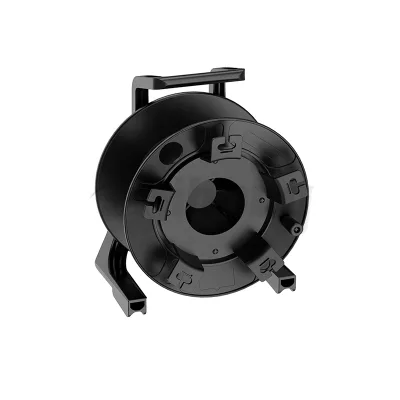
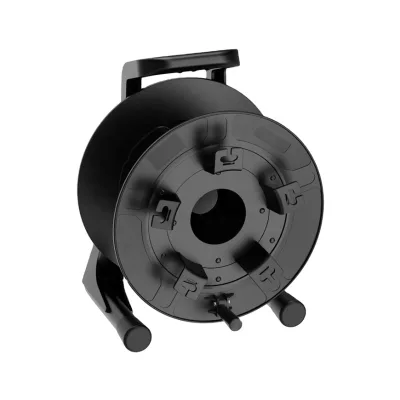
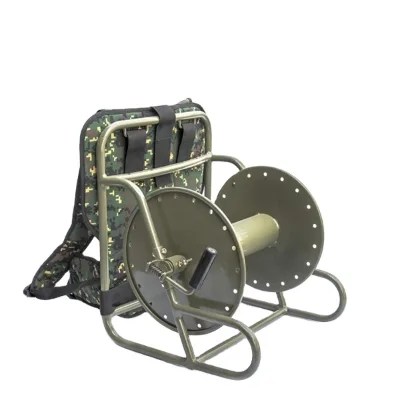
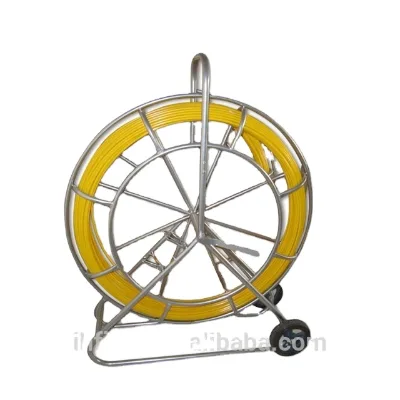
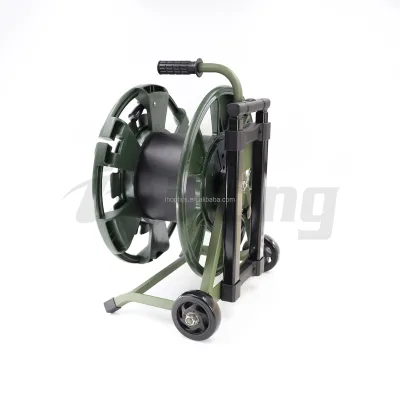
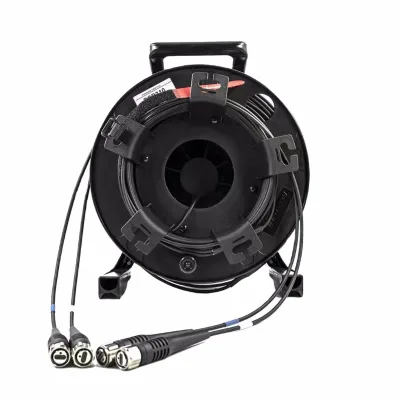
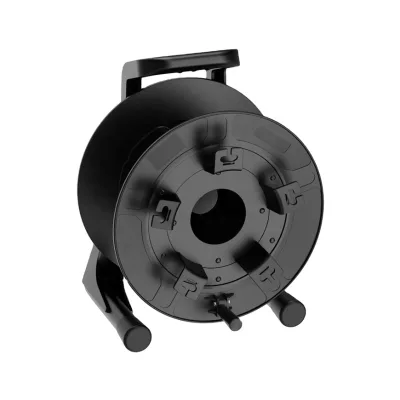
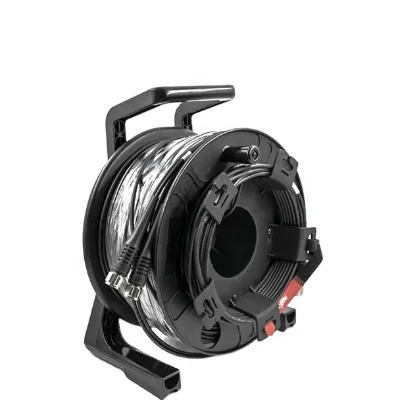
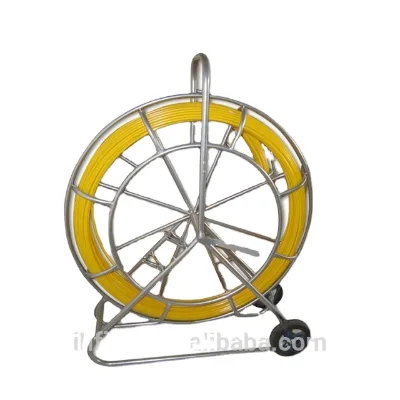
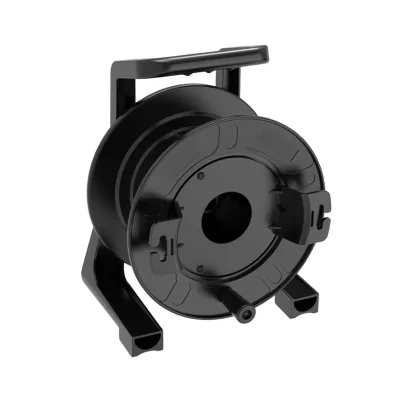
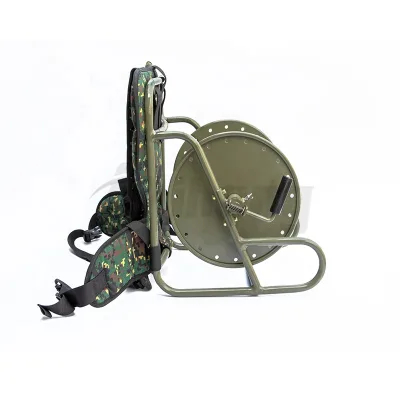
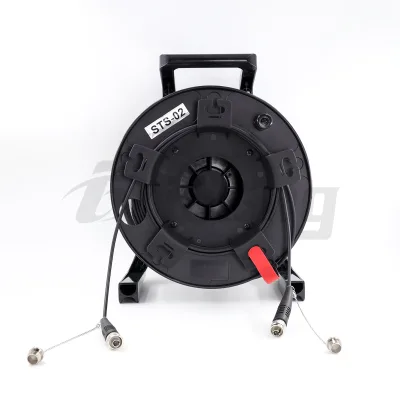
Telecom Mobile Extension harsh environment empty Fiber Optic Cable Reel reel
$10.2611 - $102.6062
MOQ: 1 Minimum


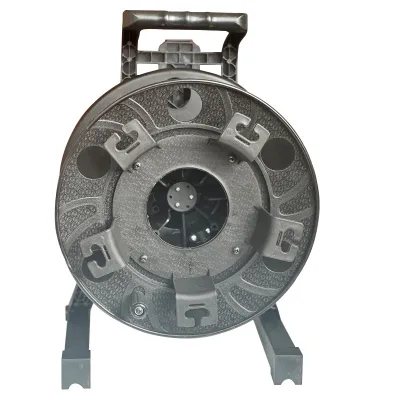
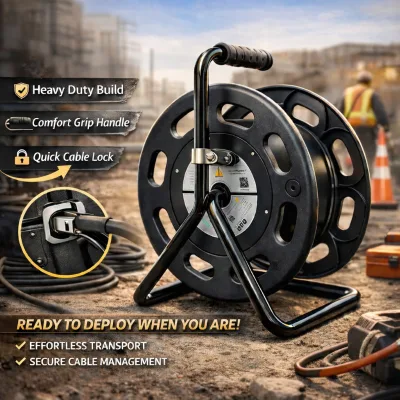
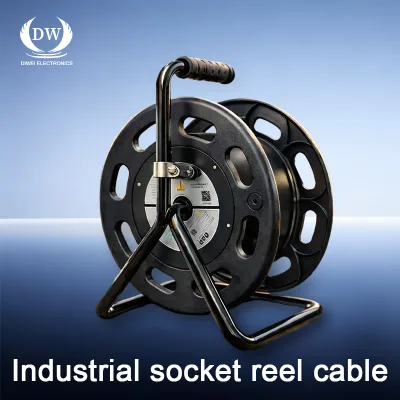


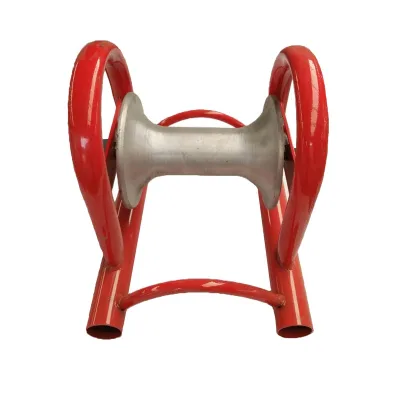

Comprehensive Sourcing Guide
FTTH Optical Cable Winding Reel Sourcing Guide
Procuring the right winding reel is critical for efficient Fiber to the Home (FTTH) deployments, ensuring that fiber optic cables are deployed and retracted without damage. These tools are designed for both outdoor and indoor applications, supporting FTTx networks where mobility and cable protection are paramount. Buyers must distinguish between empty reels for storage and integrated systems that include the cable itself, as the operational requirements differ significantly. Understanding the specific use case helps in selecting the appropriate hardware that matches the field technician’s workflow and the project’s scale.
The market offers a variety of configurations, ranging from simple plastic empty reels to robust metal cases with integrated winches. Observations indicate that products are often customized to meet specific cable diameters and lengths, with options for armored or non-armored cables. Sourcing decisions should prioritize versatility, allowing the equipment to handle different fiber counts and jacket materials like LSZH or TPU. This flexibility ensures that a single procurement order can support diverse project needs, reducing the complexity of inventory management for large-scale network operators.
Product Scope and Observed Listing Signals
Current market listings reveal a diverse range of products, with observed prices spanning from $1 to $10,000 USD, reflecting the wide variance in material quality and functionality. Minimum Order Quantities (MOQ) typically start at just one piece, allowing for small-scale testing or immediate replacement needs, though some suppliers may require higher volumes for custom configurations. The observed MOQ range extends up to 160 units, suggesting that bulk discounts or specialized manufacturing runs are available for larger procurement teams. Buyers should carefully evaluate whether the listed price includes the cable or is for the reel unit alone to avoid budget discrepancies.
Product attributes vary significantly, with some items described as new condition and others as empty reels made from plastic or metal. Packaging options include export wooden cases for heavy-duty metal reels and standard cartons for lighter plastic units, impacting shipping costs and protection during transit. Observed gross weights range from 5.1 kg for empty plastic reels to 26 kg for metal reels with 3.0mm cable, highlighting the substantial difference in logistics requirements. Sourcing teams must account for these weight and volume differences when calculating total landed costs and storage space requirements for their operations.
Technical Specifications to Verify
Verifying the physical dimensions and weight specifications is essential for ensuring compatibility with existing field equipment and storage facilities. Observed package sizes vary, with some units measuring 530x400x470mm for metal cases and others at 65.0x50.0x45.0 cm for larger assemblies. Buyers should confirm the single package size and gross weight for each specific model to plan logistics accurately. The net weight of empty reels, such as the 5.1 kg plastic variant, differs markedly from loaded units, so specifications must be checked against the intended load to prevent overloading transport vehicles or storage racks.
Cable compatibility is a critical technical parameter, with observed specifications supporting cable outer diameters from 2.0mm to 22mm, often customizable to fit specific project requirements. Fiber counts typically range from 1 to 24 cores, and cable lengths can be customized from 10 to 2000 meters. Buyers must verify that the reel’s mechanical design supports the specific fiber jacket material, whether LSZH or TPU, and whether the cable is armored or non-armored. Ensuring that the reel’s capacity matches the cable’s physical properties prevents mechanical stress during deployment and retraction, preserving signal integrity and reducing maintenance costs.
Compliance and Safety Documentation
Safety and regulatory compliance are non-negotiable for equipment used in telecommunications infrastructure, particularly when operating in international markets. Observed certifications include ISO, GS, RoHS, and CE, indicating adherence to quality management and environmental standards. Buyers should request valid certification documents to verify that the materials used, such as LSZH jackets or metal components, meet local safety regulations. The presence of ISO9001:2008 certification suggests a structured quality management system, which is a positive indicator for consistent manufacturing standards and reliable product performance over time.
Environmental compliance is increasingly important, with RoHS certification ensuring that hazardous substances are minimized in the product’s construction. Buyers must confirm that all components, including plastic reels and metal casings, comply with these restrictions to avoid customs delays or legal issues in regulated markets. Additionally, verifying that the product is in new condition and comes with a warranty, typically ranging from one year to five years, provides assurance against manufacturing defects. Documentation should clearly state the warranty terms and coverage scope to protect the buyer’s investment and ensure long-term operational reliability.
Cost Drivers and Commercial Terms
Several factors influence the final cost of FTTH optical cable winding reels, including material choice, customization level, and packaging requirements. Metal reels with integrated winches and wooden export cases command higher prices due to their durability and protective features, while plastic empty reels are more cost-effective for simple storage needs. Buyers should analyze the total cost of ownership, considering not just the unit price but also shipping costs driven by weight and volume. Observed gross weights up to 26 kg significantly impact freight charges, so optimizing packaging and selecting the right material can yield substantial savings.
Commercial terms such as lead time and warranty periods also play a crucial role in procurement planning. Observed lead times range from 3 to 5 working days for standard items, but customized models may require additional time. Buyers should negotiate clear delivery schedules and penalty clauses for delays to ensure project timelines are met. Warranty periods vary, with some products offering one year and others up to ten years, reflecting differences in build quality. Understanding these terms helps in budgeting for potential maintenance and replacement costs, ensuring that the procurement strategy aligns with the project’s financial and operational goals.
Supplier Qualification and Quality Control
Evaluating supplier qualifications is vital to ensure that the winding reels meet the rigorous demands of FTTH deployments. Buyers should verify the supplier’s origin, with observed products coming from regions like Yueyang, Hunan, and Guangdong, China, which are known for manufacturing telecommunications equipment. Checking for OEM capabilities and brand names like IH or generic labels helps in assessing the supplier’s flexibility and market position. Suppliers offering customization services should be evaluated on their ability to meet specific technical requirements, such as cable diameter and length, without compromising structural integrity.
Quality control processes should be transparent, with suppliers providing evidence of their manufacturing standards and testing procedures. Buyers should request samples to inspect the build quality, focusing on the smoothness of the reel’s rotation and the durability of the materials. Observations indicate that products are packed in cartons or wooden cases, which should be inspected for damage upon receipt. Establishing a clear communication channel with the supplier for technical support and after-sales service is essential, ensuring that any issues with the reels can be resolved quickly to minimize downtime in field operations.
Long-Term Procurement Checks
Long-term procurement success depends on establishing a reliable supply chain that can adapt to changing project requirements and market conditions. Buyers should monitor supplier performance over time, tracking metrics such as on-time delivery, product consistency, and responsiveness to issues. Regular audits of the supplier’s quality management systems can help identify potential risks before they impact production. Building a relationship with suppliers who offer flexible customization options ensures that the procurement team can scale operations up or down as needed, maintaining efficiency and cost-effectiveness.
Continuous evaluation of product performance in the field is crucial for identifying any recurring issues or areas for improvement. Feedback from field technicians regarding the ease of use, durability, and reliability of the reels should be collected and shared with suppliers to drive product enhancements. Buyers should also stay informed about industry trends and technological advancements in cable management solutions to ensure that their procurement strategy remains competitive. By maintaining a proactive approach to supplier management and product evaluation, organizations can secure a steady supply of high-quality winding reels that support their FTTH network expansion goals.
FAQs
What certifications do these reels have?
The reels carry ISO, GS, RoHS, and CE certifications. These standards ensure compliance with international safety and environmental regulations for fiber optic deployment equipment used in FTTH applications.
Can the cable length be customized?
Yes, the cable length is customizable ranging from 10 to 2000 meters. This flexibility allows buyers to select specific reel configurations tailored to their unique network deployment requirements and project scales.
What is the minimum order quantity?
The minimum order quantity is one piece. This low MOQ allows buyers to test product quality and functionality before committing to larger bulk orders for their telecommunications infrastructure projects.
How long is the warranty period?
Warranty periods vary between one year and up to ten years depending on the specific model. Buyers should verify the exact warranty terms for their selected reel type to ensure adequate coverage.
What is the lead time for orders?
The standard lead time is three to five working days. This quick turnaround supports urgent procurement needs for FTTH outdoor and indoor cable deployment projects requiring timely equipment delivery.
What materials are used in construction?
Reels are constructed from metal or plastic materials. The choice depends on the specific model, with some featuring export wooden case packaging while others use standard carton packing for protection.