Source Adjustable Sapphire Engagement Ring for Wholesale, Gifts, and Decor
Source an Adjustable Sapphire Engagement Ring from 30 verified listings. Compare options in sterling silver, copper, and gold plating. Evaluate customization, MOQs, and shipping methods for wholesale, gifts, and decoration needs.
Key considerations
Products List


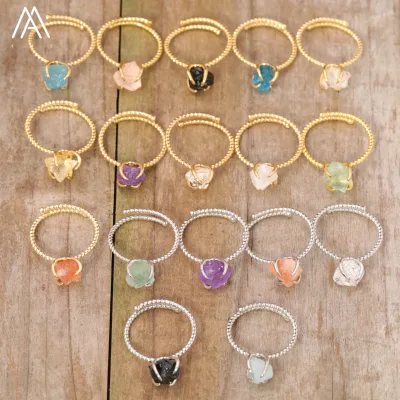


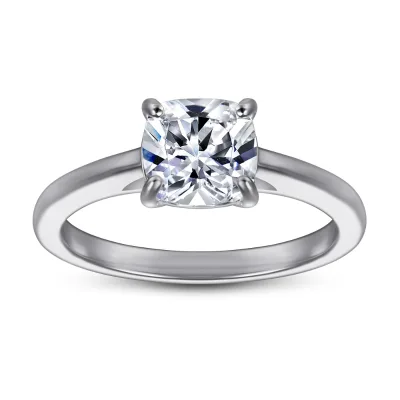

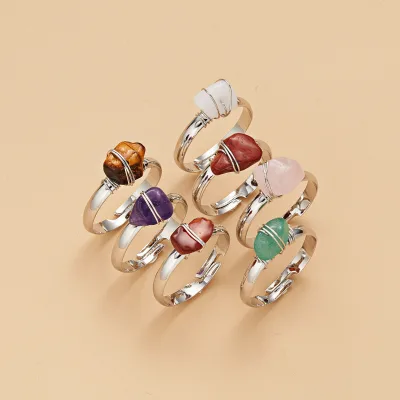
Customizable Designed Adjustable Crystal Ring Fashion Jewelry Butterfly Ring
$7.00 - $17.00
MOQ: 20 Pieces


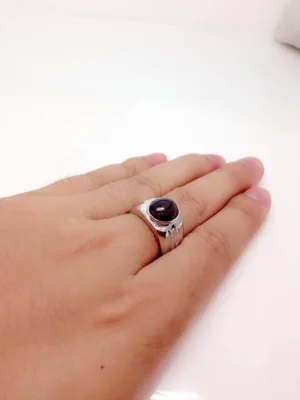


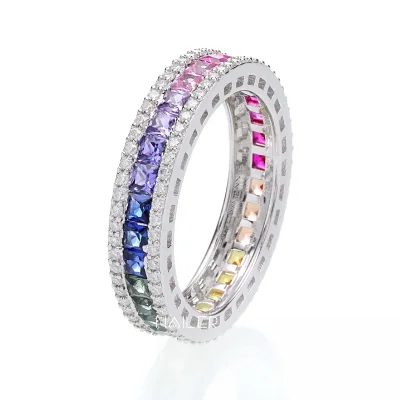


Comprehensive Sourcing Guide
Adjustable Sapphire Engagement Ring Sourcing Guide
Sourcing adjustable sapphire engagement rings requires a nuanced understanding of the intersection between traditional gemstone jewelry and modern, flexible sizing mechanisms. Unlike fixed-band rings, adjustable designs prioritize versatility and fit, making them particularly suitable for markets where precise sizing data is unavailable or where the ring is intended as a gift for recipients with unknown finger dimensions. The core keyword highlights a specific aesthetic and functional combination: the deep blue hue of sapphire paired with a mechanism that allows the band to expand or contract. Buyers must recognize that "adjustable" in this context often refers to open-ended bands, sliding mechanisms, or flexible wire constructions rather than traditional resizable settings. This distinction is critical when evaluating supplier capabilities, as the engineering required to maintain structural integrity while allowing movement differs significantly from standard ring fabrication.
The procurement landscape for these items is characterized by a high degree of customization and a wide variance in material quality. Suppliers often offer OEM and ODM services, allowing buyers to tailor the design, metal type, and stone setting to their brand identity. However, the term "sapphire" can encompass a broad spectrum of treatments, origins, and synthetic varieties. Buyers must establish clear definitions for what constitutes a sapphire in their specific product line, whether it is natural, lab-created, or treated. Furthermore, the adjustable nature of the ring introduces unique quality control challenges, particularly regarding the durability of the adjustment mechanism and the security of the stone setting. A ring that adjusts easily but loses its stone during wear is a liability, making the verification of setting techniques and metal hardness paramount in the sourcing process.
Product Scope and Observed Listing Signals
The observed market signals indicate a diverse range of products that may be categorized under adjustable rings, though not all explicitly feature sapphires. Listings frequently highlight materials such as 925 sterling silver, copper, and various plating options like gold or rose gold finishes. The presence of "random stone" or mixed gemstone options, including citrine, amethyst, and moonstone, suggests that many suppliers offer customizable stone selections where sapphire can be specified as a premium option. Buyers should note that the observed price range is broad, reflecting differences in metal purity, stone quality, and manufacturing complexity. The minimum order quantities (MOQ) vary significantly, with some suppliers accepting low MOQs for custom designs, which is advantageous for testing new product lines before committing to large-scale production.
Visual and descriptive cues in listings often emphasize "creative," "abstract," or "unique 3D design" elements, indicating that adjustable rings are frequently marketed as fashion-forward or statement pieces rather than traditional engagement bands. The use of terms like "hand-made" and "casting" points to specific manufacturing processes that can affect the final finish and consistency of the product. Additionally, the observation of "random stone / gold" or "random stone / silver" combinations suggests that some suppliers may use mixed inventory for standard items, requiring buyers to explicitly request sapphire stones to ensure product consistency. The packaging details, such as OPP bags and bubble wrap, indicate that these items are often shipped in bulk, necessitating careful inspection upon receipt to ensure that the adjustable mechanisms have not been damaged during transit.
Technical Specifications to Verify
Verifying the technical specifications of adjustable sapphire engagement rings is essential to ensure product functionality and longevity. The primary technical focus should be on the adjustment mechanism itself. Buyers must confirm whether the ring uses an open band design, a sliding clasp, or a flexible wire structure. Each mechanism has different durability profiles; for instance, open bands may bend out of shape if mishandled, while sliding mechanisms may wear down over time. The metal composition is another critical specification. While 925 sterling silver is a common material, copper bases with electroplating are also prevalent. Buyers should verify the thickness of the plating and the base metal purity to prevent tarnishing or skin irritation, especially for items marketed as hypoallergenic or suitable for sensitive skin.
The setting of the sapphire stone must also be rigorously evaluated. Adjustable rings often have thinner bands to facilitate flexibility, which can compromise the security of the stone setting. Buyers should request detailed diagrams or samples to assess the prong, bezel, or channel setting techniques used. The hardness of the sapphire, typically 9 on the Mohs scale, makes it durable, but the setting must be robust enough to withstand the mechanical stress of adjustment. Additionally, the finish of the metal, whether polished, matte, or textured, should be specified to ensure it aligns with the brand’s aesthetic standards. Buyers should also verify the dimensions of the adjustable range, ensuring that the ring can accommodate the intended finger sizes without becoming too loose or too tight, which could lead to customer dissatisfaction or returns.
Compliance and Safety Documentation
Compliance and safety documentation are non-negotiable for jewelry sourcing, particularly when dealing with metals and gemstones. Buyers must ensure that suppliers provide certificates of analysis for the metals used, confirming that they meet international standards for nickel content and other potentially harmful substances. For sterling silver items, verification of the 92.5% silver content is standard, but buyers should also check for compliance with REACH regulations in Europe or CPSIA guidelines in the United States, depending on the target market. These regulations often restrict the use of certain heavy metals and require clear labeling of material compositions to protect consumers from allergic reactions or long-term health risks.
In addition to metal compliance, gemstone documentation is crucial for transparency and legal adherence. If the product is marketed as containing natural sapphires, suppliers should provide origin documentation or treatment disclosures. Many sapphires on the market are heat-treated or fracture-filled, and these treatments must be disclosed to avoid misleading consumers. Buyers should also verify that the stones are ethically sourced, adhering to frameworks like the Kimberley Process for conflict-free diamonds, although similar frameworks for sapphires are less standardized. Requesting supplier declarations of compliance with these ethical sourcing principles can mitigate reputational risk. Furthermore, packaging materials should be checked for compliance with environmental regulations, especially if the brand markets itself as sustainable or eco-friendly.
Cost Drivers and Commercial Terms
The cost of adjustable sapphire engagement rings is influenced by several key drivers, including the type of metal, the quality and quantity of the sapphire stones, and the complexity of the adjustment mechanism. Sterling silver is generally more expensive than copper, and electroplating adds to the cost, particularly if gold or rose gold plating is used. The sapphire itself is a significant cost factor; natural, untreated stones command a premium, while lab-created or treated stones are more affordable. Buyers should also consider the labor costs associated with hand-made or intricate casting processes, which can increase the unit price but may offer superior craftsmanship and uniqueness.
Commercial terms such as MOQ, payment methods, and shipping arrangements play a crucial role in the overall procurement strategy. Suppliers often offer flexible MOQs for custom designs, which can reduce initial inventory risk but may come with higher per-unit costs. Payment terms typically include T/T, bank transfer, PayPal, or Western Union, with varying deposit requirements. Buyers should negotiate clear payment schedules that protect their interests, such as paying a deposit upon order confirmation and the balance upon inspection or shipment. Shipping costs can also vary significantly based on the weight of the metal and the chosen carrier, such as DHL, FedEx, or UPS. Understanding these cost drivers and commercial terms allows buyers to accurately calculate their landed costs and determine the appropriate retail pricing strategy.
Supplier Qualification and Quality Control
Qualifying suppliers for adjustable sapphire engagement rings requires a thorough assessment of their manufacturing capabilities and quality control processes. Buyers should verify the supplier’s experience in jewelry manufacturing, particularly in producing adjustable or flexible ring designs. A supplier with over ten years of experience may have refined their processes to ensure consistency and durability. It is also important to assess their OEM and ODM capabilities, as these indicate their ability to customize products to meet specific brand requirements. Buyers should request samples to evaluate the finish, the smoothness of the adjustment mechanism, and the overall build quality.
Quality control measures should be clearly defined and agreed upon before production begins. This includes establishing acceptance criteria for visual defects, such as scratches, plating imperfections, or loose stones. Buyers should also define acceptable tolerances for the adjustment range and the ring’s dimensions. Implementing a pre-shipment inspection process can help identify and rectify issues before the goods are dispatched. Additionally, suppliers should have a robust packaging process to prevent damage during transit, as adjustable rings are more susceptible to bending or deformation. Building a strong relationship with the supplier through regular communication and feedback can also help maintain high quality standards and foster continuous improvement in the product line.
Long-Term Procurement Checks
Long-term procurement success depends on establishing ongoing checks and balances to ensure consistent product quality and supplier reliability. Regular audits of the supplier’s production facilities can help identify potential issues early, such as wear and tear on machinery or inconsistencies in material sourcing. Buyers should also monitor customer feedback and return rates to identify any recurring issues with the adjustable rings, such as mechanisms failing or stones falling out. This data can be used to refine product specifications and provide constructive feedback to the supplier for continuous improvement.
Furthermore, staying informed about changes in regulations and market trends is essential for long-term compliance and competitiveness. Buyers should regularly review their suppliers’ compliance documentation to ensure they remain up-to-date with evolving standards. Additionally, exploring new materials or design innovations can help keep the product line fresh and appealing to consumers. Building a diversified supplier base can also mitigate risks associated with single-source dependencies, ensuring that the business can adapt to supply chain disruptions or changes in demand. By maintaining a proactive approach to supplier management and quality assurance, buyers can sustain a successful and profitable procurement strategy for adjustable sapphire engagement rings.
FAQs
Can I customize the Adjustable Sapphire Engagement Ring design?
Yes, customization is available for this ring product. The factory offers ODM and OEM services to create unique designs, allowing buyers to specify styles such as abstract or geometric shapes while maintaining the 925 sterling silver material quality.
What is the minimum order quantity for these rings?
The minimum order quantity is 30 pieces for this specific product model. Some listings indicate a range from 1 to 1000 units, but the confirmed factory requirement for this item is 30 pieces to initiate a purchase order.
Which materials are used to make the adjustable ring?
The ring is crafted from 925 sterling silver with various stone options like sapphire, moonstone, or quartz. Some variations may use copper as the base material, and the accessory material often includes zircon for added decorative appeal.
How are the rings processed and finished?
The rings undergo hand-made processing and casting techniques to achieve their final shape. Electroplating is applied as a fabrication processing step to ensure a durable finish, resulting in a simple or creative style suitable for decoration and gifts.
What is the origin and location of the factory?
The products originate from China, specifically from factories located in Guangzhou. This location supports the manufacturing of rings with over 10 years of factory experience, ensuring reliable production capabilities for international buyers.
Can the ring be used as a wedding gift?
Yes, the ring is suitable for wedding, decoration, and gift purposes. Its design features an attractive and unique 3D look, making it an ideal choice for jewelry wholesalers, distributors, and individuals seeking promotional or handcrafted items.