Source Adjustable Self-Tied Striped Bow Ties for Weddings
Find Adjustable Self-Tied Striped Bow Ties from 30 verified listings. Compare materials like polyester and silk, check sizes, and review customization options for formal wear and events.
Key considerations
Products List


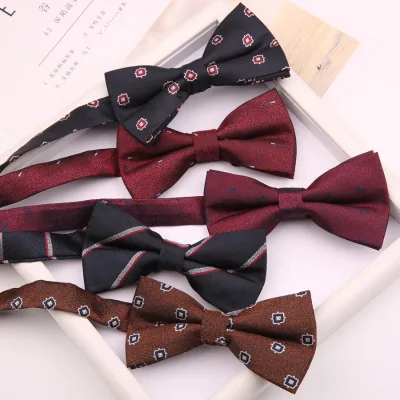
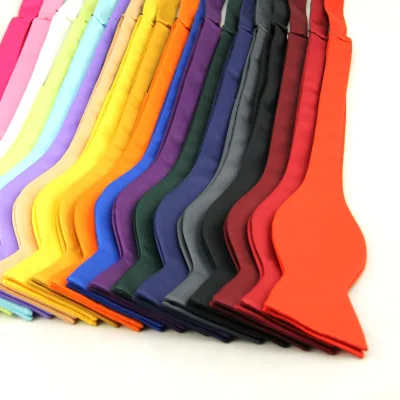
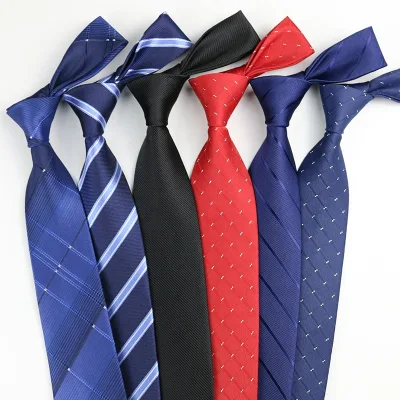


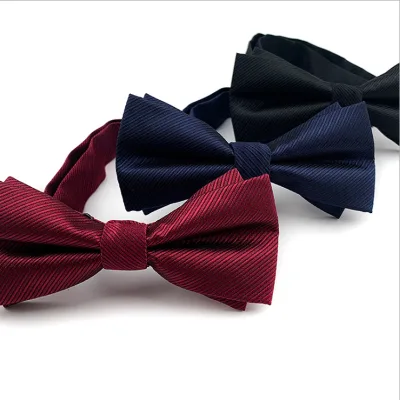
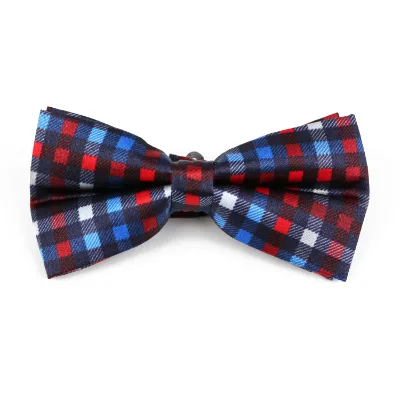




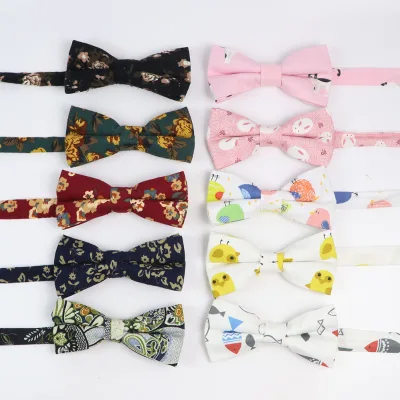
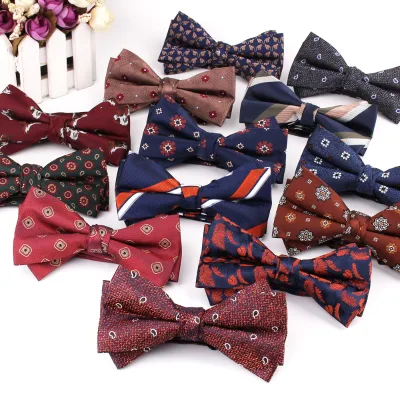
Comprehensive Sourcing Guide
Adjustable Self-Tied Striped Bow Ties Sourcing Guide
Sourcing adjustable self-tied striped bow ties requires a nuanced understanding of both the mechanical construction of the tie and the aesthetic demands of striped patterns. Unlike pre-tied or clip-on alternatives, self-tied bow ties offer a customizable fit and a traditional silhouette that is highly valued in formal wear, corporate uniforms, and fashion-forward ensembles. The "adjustable" attribute typically refers to the neck strap mechanism, which allows the wearer to secure the tie comfortably around various neck sizes, while the "striped" pattern demands precise alignment of fabric grains and consistent dyeing to ensure visual symmetry. Buyers must recognize that these items sit at the intersection of functional apparel and decorative accessory, meaning quality control must address both structural integrity and pattern continuity.
The procurement landscape for these items is diverse, ranging from mass-produced polyester options to premium silk variants. Market observations indicate a wide price range, often spanning from low-cost synthetic options to higher-end natural fiber products, reflecting the significant variance in material quality and manufacturing complexity. Suppliers frequently offer customization services, allowing buyers to specify stripe width, color combinations, and neck strap configurations. This flexibility is crucial for brands looking to create unique product lines, but it also introduces complexity in the ordering process, requiring clear communication of design specifications to avoid discrepancies between the sample and the final bulk production.
Product Scope and Observed Listing Signals
The current market for adjustable self-tied striped bow ties includes a variety of materials, with polyester and 100% silk being the most commonly observed options. Polyester variants are often favored for their durability, ease of care, and cost-effectiveness, making them suitable for high-volume corporate gifting or promotional events. In contrast, silk options provide a superior luster and drape, appealing to luxury retailers and high-end fashion brands. The presence of both material types in the same product category highlights the importance of clearly defining material requirements in your sourcing brief, as the tactile experience and visual appeal differ significantly between synthetic and natural fibers.
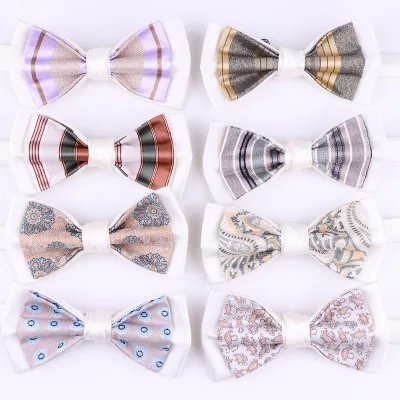
Pattern variations extend beyond simple stripes to include jacquard weaves and plain dyed finishes, with some listings offering multiple styles to cater to diverse aesthetic preferences. The "striped" designation often overlaps with other pattern types, such as jacquard, which can create textured stripes through weaving rather than just printing. Buyers should verify whether the stripes are printed, woven, or dyed, as this affects the longevity of the pattern and the overall texture of the tie. Additionally, some suppliers offer customization for patterns, allowing for bespoke stripe designs that align with specific brand identities, though this may impact minimum order quantities and lead times.
Technical Specifications to Verify
Dimensional accuracy is a critical technical specification for self-tied bow ties, as improper sizing can lead to fit issues and customer dissatisfaction. Standard sizes for bow ties typically range from approximately 11cm to 12cm in width, with lengths varying based on the neck strap design. Some listings specify dimensions such as 11cm x 6cm or 12cm x 6cm, while others offer adjustable lengths for the neck strap, often around 100cm in total length. Buyers must confirm the exact width and length requirements for their target market, as regional preferences and fashion trends can influence the ideal proportions of the bow tie.
The construction of the neck strap and the knot mechanism is another vital technical aspect to verify. Adjustable neck straps often feature a sliding buckle or a hook-and-loop fastener, which must be durable and easy to use. The self-tie nature of the bow tie requires a specific internal structure, often involving a stiffener or canvas, to maintain the shape of the bow after tying. Buyers should request detailed construction diagrams or samples to assess the quality of the internal components and the ease of tying the bow. Additionally, the presence of needle detection in some products indicates a commitment to safety, ensuring that no sharp metal fragments are left in the finished product, which is particularly important for items worn close to the skin.
Compliance and Safety Documentation
Compliance with international safety standards is essential for apparel accessories, particularly those intended for children or general consumer use. Many suppliers provide SGS certification, which indicates that the product has undergone testing for various safety parameters, including chemical content and physical hazards. Buyers should request copies of these test reports to verify that the materials used, such as dyes and fabrics, meet the regulatory requirements of their target markets. This is especially important for striped bow ties, as the dyeing process can introduce chemicals that may be restricted in certain regions.
In addition to material safety, buyers should consider the labeling and packaging requirements of their destination markets. Proper labeling must include accurate material composition, care instructions, and country of origin, which is often China for these types of products. Packaging should be designed to protect the bow ties during transit, with options ranging from individual polybags to carton boxes. Some suppliers offer customized packaging, which can enhance brand presentation but must comply with local packaging regulations, such as recycling symbols or language requirements. Ensuring that all documentation is accurate and up-to-date helps prevent customs delays and ensures that the products can be sold legally in the target market.
Cost Drivers and Commercial Terms
The cost of adjustable self-tied striped bow ties is influenced by several factors, including material choice, pattern complexity, and order volume. Polyester options are generally more affordable than silk, making them a popular choice for budget-conscious buyers. However, the cost can also increase with the complexity of the striped pattern, especially if it involves jacquard weaving or custom dyeing. Minimum order quantities (MOQs) vary widely, with some suppliers offering low MOQs of just a few pieces for customization, while others require larger orders to achieve economies of scale. Buyers should negotiate MOQs based on their sales forecasts and inventory capacity.
Payment terms and shipping logistics also play a significant role in the overall cost structure. Common payment methods include T/T, Western Union, Cash, PayPal, and Ali Trade Assurance, each with different implications for security and convenience. Buyers should choose payment terms that balance risk and cash flow, considering the reputation of the supplier and the value of the order. Shipping costs can vary depending on the weight and dimensions of the packaging, with some suppliers providing single package sizes and gross weights to help estimate freight charges. Understanding these commercial terms allows buyers to calculate the total landed cost accurately and plan their pricing strategy accordingly.
Supplier Qualification and Quality Control
Supplier qualification is a critical step in ensuring the reliability and consistency of adjustable self-tied striped bow ties. Buyers should verify the supplier's production capabilities, including their experience with striped patterns and adjustable neck straps. Requesting samples is essential to assess the quality of the materials, the precision of the stitching, and the functionality of the adjustable mechanism. Suppliers with a history of producing similar products are more likely to deliver consistent quality, but buyers should still conduct thorough due diligence, including checking references and reviewing past performance.
Quality control measures should be implemented throughout the production process to minimize defects and ensure that the final products meet the specified standards. This includes inspecting the fabric for defects, verifying the accuracy of the striped pattern, and checking the durability of the neck strap and knot mechanism. Some suppliers offer needle detection services, which is a valuable quality control step to ensure that no metal fragments are present in the finished product. Buyers should establish clear quality acceptance criteria and communicate them to the supplier, including acceptable defect rates and inspection procedures. Regular communication and feedback during production can help identify and resolve issues early, reducing the risk of receiving substandard products.
Long-Term Procurement Checks
Long-term procurement success depends on building a sustainable relationship with suppliers who can consistently deliver high-quality adjustable self-tied striped bow ties. Buyers should monitor supplier performance over time, tracking metrics such as on-time delivery, product quality, and responsiveness to issues. Regular audits or visits to the supplier's facility can provide insights into their production processes and help identify areas for improvement. Maintaining open communication and providing constructive feedback can foster a collaborative partnership that benefits both parties.
As market trends and consumer preferences evolve, buyers should stay informed about new developments in the bow tie industry, such as emerging materials, patterns, and construction techniques. This knowledge can help buyers make informed decisions about product development and sourcing strategies. Additionally, buyers should regularly review their inventory levels and sales data to adjust their ordering patterns and avoid overstocking or stockouts. By staying proactive and adaptable, buyers can ensure that their procurement of adjustable self-tied striped bow ties remains efficient, cost-effective, and aligned with their business goals.
FAQs
What materials are used for Adjustable Self-Tied Striped Bow Ties?
Adjustable Self-Tied Striped Bow Ties are crafted from various materials including polyester, 100% silk, and nylon. These materials offer different textures and durability levels suitable for formal or casual wear. Buyers can select based on preference for sheen, comfort, or cost efficiency while ensuring the striped pattern remains vibrant and distinct.
Can I customize the size of these bow ties?
Yes, customization is available for standard or kids sizes. Specific dimensions such as 11cm length by 6cm width or 100cm length by 6.5cm width can be requested. Buyers should specify their exact requirements during the ordering process to ensure the final product meets their fit and style expectations accurately.
What is the minimum order quantity for these products?
The minimum order quantity varies, with some listings accepting as low as 5 pieces. Other standard orders may require up to 1000 units. Buyers should check specific supplier terms to determine the exact MOQ applicable to their order size and desired product specifications.
How are the bow ties packaged for shipping?
Products are typically packed in plastic bags or polybags, with 200-300 pieces inside a carton box. Some items use individual polybag packaging for protection. This ensures safe transit and easy inventory management for buyers receiving bulk shipments from manufacturers in China.
Are these bow ties adjustable for different neck sizes?
Yes, many Adjustable Self-Tied Striped Bow Ties feature an adjustable design. This allows them to fit various neck sizes comfortably. The self-tie style provides a personalized fit, making them versatile for both adults and children wearing formal attire or casual outfits.
What certifications do these products meet?
Products may meet SGS standards, indicating quality and safety compliance. Buyers should verify specific certification documents with suppliers. This ensures the materials and manufacturing processes adhere to international standards required for import and sale in various global markets.