Source Adjustable Seat Exercise Bike for Home, Gym, and Park
Find 30 Adjustable Seat Exercise Bike options featuring friction or magnetic resistance, CE certification, and steel construction. Compare specs for home, gymnasium, and community use to identify suitable models with varying flywheel weights and transmission modes; compare the available evidence and request quotations based on your requirements.
Key considerations
Products List


Exercise Bike, Adjustable Magnetic Resistance Silent Belt Drive Home Cardio Gym
$51.03 - $52.04
MOQ: 1000 Pieces


Sports Machine Recumbent Exercise Bike Cardio Bike Gym Fitness Equipment
$529.00 - $589.00
MOQ: 1 Pieces


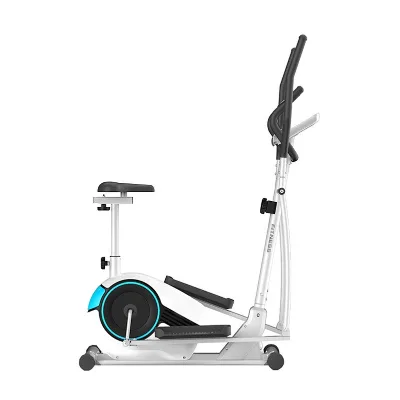
Comprehensive Sourcing Guide
Adjustable Seat Exercise Bike Sourcing Guide
Procuring an Adjustable Seat Exercise Bike requires distinguishing between home-use models and commercial-grade units designed for gymnasium environments. The market data indicates a clear split in product applications, with some units explicitly listed for home use while others target gymnasium, park, and community settings. Buyers must align their selection with the intended environment, as commercial units often feature heavier flywheels and more robust frames to withstand high-frequency usage. Understanding this distinction prevents the common error of purchasing a lightweight home unit for a high-traffic facility, which would lead to premature mechanical failure.
The observed product listings reveal significant variation in transmission modes and resistance mechanisms, ranging from friction-based systems to magnetic resistance and even belt-driven configurations. This diversity impacts the user experience and maintenance requirements, as friction systems may require periodic adjustment while magnetic systems offer smoother, quieter operation. Sourcing teams should prioritize verifying the specific resistance gear and transmission mode against the intended user demographic. A mismatch between the resistance type and the user's fitness level can result in poor adoption rates or safety concerns during operation.
Product Scope and Observed Listing Signals
The product scope for adjustable seat exercise bikes encompasses a wide range of specifications, including foldable and non-foldable designs tailored to different space constraints. Listings show units with folded dimensions around 1000mm in length, suitable for compact home storage, while others maintain unfolded dimensions exceeding 2 meters for stability in commercial settings. Buyers must carefully evaluate the package dimensions and weight capacity, as some units support up to 120kg while others may have lower limits. This variation dictates the suitability of the equipment for specific user groups and physical environments.
Listing signals also highlight the presence of customizable features, such as adjustable flywheel weights and specific model numbers like Ldk-7102005 or 3318LA. These identifiers suggest that suppliers offer tailored solutions, allowing buyers to request specific configurations for branding or functional needs. However, the presence of customization does not guarantee uniformity across all listed items, as some products are sold as standard units with fixed specifications. Procurement teams should verify whether the "customized" attribute applies to the specific model they are evaluating or if it is a general supplier capability.
Technical Specifications to Verify
Technical verification must begin with the flywheel weight and power source, as these are critical determinants of ride quality and stability. Observed data indicates flywheel weights ranging from under 10 kg to 20 kg, with some models offering customizable weights up to 6 kg. Buyers should confirm the actual weight of the flywheel in the specific unit they intend to purchase, as lighter flywheels may result in a less smooth pedaling motion. Additionally, the power source varies between electric, magnetism, and manual options, requiring a clear understanding of how the resistance is generated and controlled.
Display features and structural dimensions are equally important for user interface and spatial planning. Listings show displays tracking speed, calories, and distance, but the accuracy and visibility of these metrics can vary between models. Buyers should inspect the display type and ensure it meets the needs of their target users, particularly in commercial settings where durability is paramount. Furthermore, the overall size, such as the 10054951150mm footprint, must be measured against the available floor space to ensure proper installation and safe operation.
Compliance and Safety Documentation
Compliance documentation is a non-negotiable aspect of sourcing exercise bikes, with CE certification appearing frequently across the product listings. This certification indicates that the product meets European health, safety, and environmental protection standards, which is essential for importing into many global markets. Buyers must request valid CE certificates for each specific model, as the presence of the mark on a listing does not guarantee that the specific batch has been tested. Verifying the certificate against the model number ensures that the product has undergone the necessary conformity assessments.
Beyond CE, other certifications such as ISO, RoHS, FCC, and SGS may be present depending on the supplier and target market. These additional marks address specific concerns like electromagnetic compatibility, hazardous substance restrictions, and general quality management. Procurement teams should verify the scope of these certifications to ensure they cover the specific components of the bike, such as the electrical systems or the materials used in the frame. A lack of comprehensive documentation can lead to regulatory hurdles and potential liability issues in the event of an accident.
Cost Drivers and Commercial Terms
Cost drivers for adjustable seat exercise bikes are heavily influenced by the complexity of the resistance mechanism and the materials used in construction. Units with magnetic resistance and steel frames typically command higher prices than those with friction systems and lighter materials. The observed price range of 0.1 to 2999 USD reflects this disparity, with entry-level models being significantly cheaper than commercial-grade units. Buyers should analyze the cost per unit against the expected lifespan and maintenance requirements to determine the true value of the investment.
Commercial terms, including Minimum Order Quantity (MOQ) and lead times, vary significantly based on the level of customization required. Listings show MOQs ranging from 1 to 1000 units, allowing flexibility for small retailers while accommodating large institutional buyers. However, customized orders often incur longer lead times and higher per-unit costs due to the need for specialized tooling or assembly processes. Buyers must negotiate clear terms regarding payment schedules, shipping responsibilities, and penalties for delays to mitigate financial risks associated with the procurement process.
Supplier Qualification and Quality Control
Supplier qualification should focus on the manufacturer's ability to maintain consistent quality across different production batches. The presence of certifications like ISO and SGS suggests a commitment to quality management, but buyers must verify the supplier's track record in delivering products that meet these standards. Requesting references from previous clients and conducting site audits can provide insight into the supplier's production capabilities and quality control processes. This due diligence is crucial for ensuring that the exercise bikes delivered match the specifications and performance expectations outlined in the contract.
Quality control measures must be established before production begins, with a focus on critical components like the flywheel, transmission system, and frame integrity. Buyers should define clear acceptance criteria for these components, including weight tolerances, material strength, and finish quality. Implementing a pre-shipment inspection protocol can help identify defects early, reducing the risk of receiving substandard products. Regular communication with the supplier regarding quality issues and corrective actions ensures that any deviations are addressed promptly and effectively.
Long-Term Procurement Checks
Long-term procurement success depends on establishing a robust relationship with the supplier that extends beyond the initial transaction. Buyers should prioritize suppliers who offer comprehensive after-sales support, including spare parts availability and technical assistance. The availability of replacement parts is critical for maintaining the operational uptime of exercise bikes, especially in commercial settings where downtime can lead to revenue loss. Ensuring a steady supply of components like belts, resistance pads, and display units is essential for the longevity of the equipment.
Continuous monitoring of product performance and user feedback is necessary to identify any recurring issues or areas for improvement. Buyers should collect data on maintenance frequency, failure rates, and user satisfaction to inform future purchasing decisions. This feedback loop allows for the refinement of specifications and the selection of more reliable models in subsequent orders. By maintaining a proactive approach to product management, buyers can ensure that their exercise bike fleet remains safe, efficient, and aligned with the evolving needs of their users.
FAQs
Can the Adjustable Seat Exercise Bike be customized for branding?
Yes, customization is available for this exercise bike model. Buyers can request specific branding or design adjustments to meet their market needs. The product page confirms that customization options are open, allowing for tailored solutions. This flexibility supports private labeling and specific aesthetic requirements for different buyer segments.
What certifications does the Adjustable Seat Exercise Bike hold?
The Adjustable Seat Exercise Bike holds CE certification, ensuring compliance with European safety standards. Some listings also indicate ISO, FCC, RoHS, and SGS certifications. These credentials verify product safety and quality. Buyers should verify specific certification documents with suppliers to ensure they meet the regulatory requirements of their target export markets.
What is the weight capacity for the Adjustable Seat Exercise Bike?
The Adjustable Seat Exercise Bike supports a maximum weight capacity of 120kg. This limit ensures safe usage for most adult users. The frame is constructed from steel, providing durability. Buyers should confirm the exact weight limit with the supplier, as variations may exist between different models or production batches to ensure user safety.
How is the Adjustable Seat Exercise Bike packaged for shipping?
The Adjustable Seat Exercise Bike is packaged in a Ldk Safe Neutral 4 Layer Package. This includes 2 layers of EPE for protection. Some models use standard carton boxes or blister cards. The package dimensions are approximately 1000*240*820mm. This robust packaging protects the bike during transit, minimizing damage risks for international shipments.
What resistance mechanism does the Adjustable Seat Exercise Bike use?
The Adjustable Seat Exercise Bike primarily uses a friction resistance mechanism. Some models may utilize magnetic resistance for smoother operation. The transmission mode can be a leather belt or chain. Buyers should specify their preferred resistance type when sourcing, as this affects the riding feel and maintenance requirements of the final product.
What is the flywheel weight for the Adjustable Seat Exercise Bike?
The flywheel weight for the Adjustable Seat Exercise Bike is typically 6kg. This weight can be customized based on buyer requirements. Some models may feature flywheels between 10-20kg. The flywheel weight influences the inertia and smoothness of the cycling motion. Buyers should confirm the exact weight with the supplier to match their performance expectations.