Source Cardboard Makeup Packaging for Cosmetics, Gifts, and Jewelry
Explore 30 listings for Cardboard Makeup Packaging suitable for cosmetics, gifts, and jewelry. Buyers can compare customization options, paper types, and printing processes to find the right solution for their needs.
Key considerations
Products List


High Quality Elegant Custom Packing Cosmetics Paper Cardboard Packaging Box
$0.10 - $0.15
MOQ: 2000 Pieces

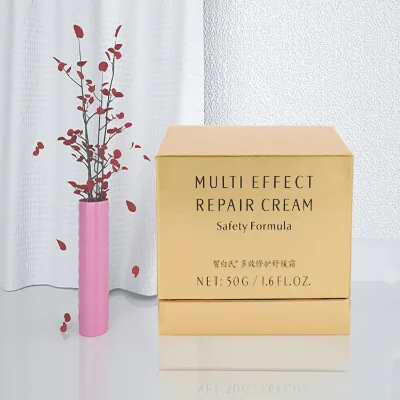


Custom Cosmetic Packaging Box Cosmetic Box Cardboard Paper Box Packaging
$0.05 - $0.13
MOQ: 1000 Pieces

Brand Cosmetic Packaging Paper Box Makeup Gift Cosmetic Paper Box Packaging
$0.80 - $2.80
MOQ: 500 Pieces

Skin Care Cosmetics Makeup Paper Packaging Gift Box Cosmetic Packaging Box
$0.05 - $0.13
MOQ: 1000 Pieces


Comprehensive Sourcing Guide
Cardboard Makeup Packaging Sourcing Guide
Sourcing Cardboard Makeup Packaging requires a disciplined approach that balances aesthetic appeal with functional protection. The market offers a wide variety of options, ranging from simple single-open boxes to complex custom-printed structures. Buyers must navigate a landscape where materials vary from standard coated paper to specialized art paper and fancy paper stocks. Understanding these material distinctions is critical for ensuring the final product aligns with brand identity and protects the integrity of the cosmetic items inside.
This guide provides evidence-based procurement advice for buyers seeking Cardboard Makeup Packaging. It focuses on verifying technical specifications, ensuring compliance with safety standards, and managing commercial terms effectively. By adhering to the facts observed in current market listings and applying trusted category knowledge, buyers can make informed decisions that mitigate risk and optimize value. The following sections detail the essential steps for evaluating suppliers and products in this specialized sector.
Product Scope and Observed Listing Signals
The observed product range indicates a strong emphasis on customization and versatility in Cardboard Makeup Packaging. Listings frequently highlight attributes such as "Custom Printed Paper Makeup Packaging Box" and "Available" customization options, signaling that suppliers are equipped to handle bespoke design requirements. The core keyword, Cardboard Makeup Packaging, encompasses a diverse array of models, including specific designations like "Makeup paper box 008," "Card box 008," and "Makeup Box 069." These model numbers often correspond to distinct structural designs, allowing buyers to select formats that best suit their product dimensions and branding needs.
Material selection is a primary differentiator in this category, with listings specifying paper types such as cardboard, coated paper, art paper, offset paper, and fancy paper. These materials offer varying levels of durability and print quality, which directly impact the perceived value of the cosmetic product. For instance, coated and art papers are often preferred for high-end cosmetics due to their smooth finish and vibrant color reproduction capabilities. Additionally, the presence of "Corrugated Paper Box" models suggests that some suppliers offer enhanced protection for fragile items, providing a robust alternative to standard rigid boxes for shipping or storage purposes.
Technical Specifications to Verify
Buyers must rigorously verify the physical and structural specifications of the packaging to ensure compatibility with their products. Key attributes to confirm include the shape, size, and hardness of the box. Observed listings indicate that square shapes are common, but custom sizes are also available, which is crucial for fitting various cosmetic containers securely. The hardness of the packaging is another critical factor, with some products described as "Partial Hard," offering a balance between rigidity and flexibility. Verifying these dimensions against the actual product measurements prevents issues such as loose fits or excessive bulk, which can affect shelf appeal and shipping efficiency.
Printing capabilities and surface handling are equally important technical considerations. Listings show that printing processes can range from one-color to multi-color applications, with options for custom color printing and various surface treatments. Buyers should confirm the specific printing process supported by the supplier, such as offset printing or specialized techniques for fancy paper, to ensure brand colors are reproduced accurately. Furthermore, the availability of logo printing and mixed color options allows for greater brand differentiation. It is essential to request physical samples to evaluate the quality of the print, the finish of the paper, and the overall structural integrity before committing to a large order.
Compliance and Safety Documentation
Ensuring that the packaging meets relevant safety and environmental standards is a non-negotiable aspect of sourcing cosmetic packaging. While specific certification statuses can vary by supplier, buyers should prioritize vendors who provide documentation for recognized standards. Observed listings mention certifications such as MSDS, GMP, and CE, which indicate a commitment to quality and safety protocols. Additionally, some products are noted as being non-phthalate and compliant with EN-71 standards, which are critical for products that may come into contact with skin or are intended for use by children. Verifying these certifications helps mitigate regulatory risks and ensures the packaging is safe for its intended use.
Environmental considerations are also increasingly important in the cosmetics industry. Although FSC certification is mentioned in background knowledge, buyers should actively inquire about the sourcing of the paper materials. Requesting proof of sustainable forestry practices or recycled content can enhance brand reputation and meet the growing consumer demand for eco-friendly packaging. Buyers should also verify if the inks and adhesives used in the printing process are non-toxic and compliant with international safety regulations. This due diligence ensures that the packaging not only protects the product but also aligns with the brand’s sustainability goals and regulatory obligations in target markets.
Cost Drivers and Commercial Terms
Understanding the factors that influence pricing is essential for effective budget management in Cardboard Makeup Packaging procurement. The observed price range of $0.02 to $2.80 USD reflects significant variation based on material quality, printing complexity, and order volume. Higher prices are typically associated with premium materials like fancy paper, multi-color printing, and intricate structural designs. Conversely, simpler designs using standard coated paper and single-color printing tend to be more cost-effective. Buyers should analyze the cost per unit in the context of the desired quality level and brand positioning to determine the most appropriate option for their needs.
Minimum Order Quantities (MOQs) and packing terms are other critical commercial considerations. Listings indicate MOQs ranging from 500 to 30,000 units, which can impact inventory management and cash flow. Suppliers may offer flexible MOQs for custom designs, but this often comes at a higher unit cost. It is important to clarify the packing details, as products are typically shipped in export cartons or standard cartons as per customer advice. Understanding the packing configuration helps in calculating shipping costs and storage requirements. Buyers should also inquire about sample policies, as some suppliers offer free samples, which can be valuable for evaluating quality before placing a bulk order.
Supplier Qualification and Quality Control
Evaluating supplier capabilities and quality control processes is vital for ensuring consistent product quality. Buyers should assess the supplier’s production capacity, lead times, and ability to handle custom orders. Locations such as Guangzhou and Shenzhen in China are noted as origins for many of these products, indicating established manufacturing hubs with expertise in paper packaging. However, buyers should not rely solely on location; instead, they should request detailed information about the supplier’s quality assurance protocols, including in-process inspections and final product checks. This ensures that every batch meets the specified standards for print quality, structural integrity, and material consistency.
Communication and responsiveness are also key indicators of a reliable supplier. Buyers should test the supplier’s ability to provide accurate quotes, timely updates, and technical support during the design phase. Clear communication regarding customization options, such as logo placement and color matching, is essential to avoid misunderstandings. Additionally, buyers should verify the supplier’s willingness to accommodate changes or address issues that may arise during production. Establishing a strong relationship with a supplier who demonstrates professionalism and transparency can lead to better service and more favorable terms in the long run.
Long-Term Procurement Checks
Sustainable procurement practices require ongoing monitoring and evaluation of supplier performance. Buyers should regularly review supplier metrics, such as on-time delivery rates, defect rates, and responsiveness to issues. This data-driven approach helps identify potential problems early and allows for corrective actions to be taken. Additionally, buyers should stay informed about changes in industry standards and regulations that may affect packaging requirements. Regular audits or third-party inspections can provide an objective assessment of the supplier’s compliance with safety and environmental standards, ensuring that the partnership remains robust and reliable.
As market trends evolve, buyers should remain open to exploring new materials and technologies that may offer improved performance or sustainability. This could include investigating biodegradable options or innovative printing techniques that reduce environmental impact. By maintaining a proactive approach to supplier management and staying attuned to industry developments, buyers can ensure that their Cardboard Makeup Packaging continues to meet the highest standards of quality, safety, and brand alignment. This long-term perspective helps build a resilient supply chain that supports the brand’s growth and success in the competitive cosmetics market.
FAQs
Can I get custom printed paper makeup packaging boxes?
Yes, custom printed paper makeup packaging boxes are available with options for coated, art, offset, and fancy paper. The printing process supports one, two, or three colors to match your brand identity.
What paper types are used for these makeup boxes?
These boxes are primarily made from cardboard, paperboard, and coated paper materials. The product models include specific designs like the makeup paper box 008 and Corrugated Paper Box for various needs.
Which certifications do the Cardboard Makeup Packaging meet?
The products meet standards such as En-71 and Non-Phthalate, with some items holding MSDS, GMP, and CE certifications. These ensure safety for cosmetic and gift packaging applications.
How much is the minimum order quantity for these boxes?
The minimum order quantity ranges from 500 to 30,000 units depending on the specific product model and customization level. Buyers should check the exact MOQ for their selected design before ordering.
Where are these Cardboard Makeup Packaging boxes manufactured?
These boxes originate from manufacturing locations in Guangzhou and Shenzhen, China. The products are packed in export cartons or standard cartons as advised by the customer.
What is the price range for custom makeup paper boxes?
The observed price range for these items is between 0.02 and 2.8 USD per unit. Pricing varies based on paper type, printing complexity, and order volume.