Source Yoga Suit Options for Gym, Fitness, and Cycling
Explore 30 Yoga Suit listings featuring polyester and spandex blends with quick-drying and breathable properties. Compare customization options, sizes from S to XXL, and usage scenarios including gym, fitness, and cycling activities.
Key considerations
Products List


Hollow Back Yoga Suit Sports Jumpsuit Hip Lift Flared One-Piece Yoga Jumpsuit
$13.00 - $15.90
MOQ: 5 Pieces


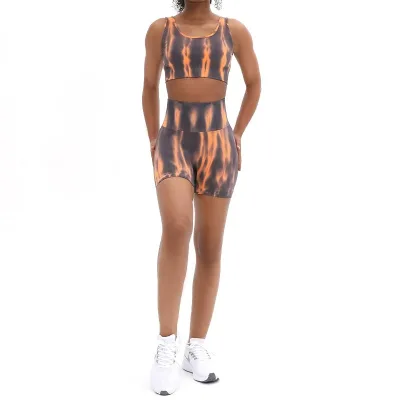
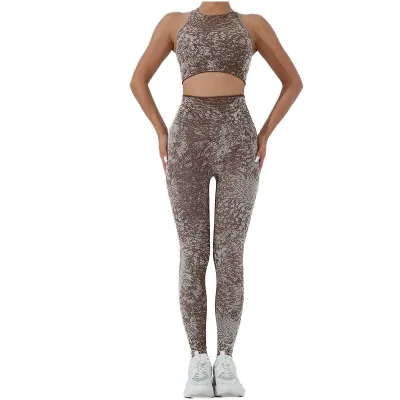


Comprehensive Sourcing Guide
Yoga Suit Sourcing Guide
The global market for yoga suits has expanded significantly, driven by a demand for versatile activewear that transitions seamlessly from studio practice to daily fitness routines. Based on current supply data, these garments are engineered for a wide spectrum of physical activities, including yoga, gym workouts, dancing, and various ball sports. The observed product listings indicate a strong focus on functional performance, with manufacturers prioritizing features like moisture-wicking, breathability, and quick-drying capabilities to ensure comfort during high-intensity sessions. Buyers should recognize that while the core keyword is "Yoga Suit," the actual supply base often encompasses broader athletic categories, including cycling, running, and martial arts, requiring careful filtering to identify items specifically optimized for flexibility and range of motion.
Sourcing decisions for this category must account for the diverse material compositions and design variations currently available in the market. The predominant fabric blend observed is polyester combined with spandex, a combination selected to provide the necessary elasticity and durability required for complex poses and dynamic movements. Additionally, the supply chain offers options ranging from pure polyester constructions to more complex blends, each offering distinct tactile experiences such as light textures and comfortable feels. Procurement teams need to evaluate whether the specific application requires a standard fit or a specialized cut, such as high-waisted designs, to ensure the final product meets the ergonomic expectations of the end-user.
Product Scope and Observed Listing Signals
The product scope for yoga suits in the current market is defined by a high degree of customization and adaptability to various body types. Listings frequently highlight the availability of multiple size configurations, ranging from standard S, M, L, and XL to extended XXL options, alongside "Free Size" variants designed for broader fit tolerance. This variability suggests that suppliers are catering to both mass-market retailers and niche brands requiring specific sizing charts. Buyers must verify that the size standards provided by the supplier align with their target demographic, as the presence of "Multiple Size" and specific size ranges like S-M-L-XL-XXL indicates a flexible production capability that can accommodate diverse inventory requirements.
Visual and stylistic attributes are equally critical in defining the product scope, with patterns ranging from pure colors to intricate designs. The market data confirms that customization is a central feature, allowing buyers to request specific colorways and logo placements to differentiate their brand offerings. Some products are listed with "Customized" color options, while others feature "Patterned" or "Pure Colour" finishes, giving procurement teams the flexibility to match seasonal trends or corporate branding guidelines. Furthermore, the usage tags associated with these suits extend beyond yoga to include fitness, gym, and dancing, indicating that the product design is inherently multi-functional, which can be leveraged to broaden the marketing appeal of the final merchandise.
Technical Specifications to Verify
Material composition and fabric performance are the primary technical specifications that must be validated during the sourcing process. The observed listings consistently cite polyester and spandex blends, which are essential for achieving the stretch and recovery properties required for yoga practice. Buyers should specifically verify the percentage of spandex to ensure adequate elasticity, as well as confirm the presence of functional treatments such as anti-static, anti-UV, and moisture-wicking properties. These features are not merely marketing claims but are critical for maintaining garment integrity and user comfort during prolonged physical activity, particularly in environments with varying humidity levels or intense exertion.
Construction details and finishing techniques also play a pivotal role in the quality and longevity of the Yoga Suit. Technical verification should include an assessment of the closure types, such as drawstrings, and the overall cut of the garment, including trouser leg styles like straight cuts or high-waist models. The production methods, including automated cutting techniques, suggest a level of precision that can reduce fabric waste and ensure consistent sizing across batches. Additionally, care instructions such as machine washability are vital for consumer satisfaction, and buyers must confirm that the fabric retains its shape and color after repeated washing cycles, ensuring the product remains durable and functional over its intended lifespan.
Compliance and Safety Documentation
While specific certification statuses like OEKO-TEX are noted in background data, buyers must treat these as verification targets rather than guaranteed attributes of every listed product. The primary safety documentation required for yoga suits involves confirming that the materials used are free from harmful substances and meet the textile safety standards of the destination market. Since the products are intended for direct skin contact during physical activity, verifying compliance with chemical restriction regulations is essential to prevent skin irritation or allergic reactions. Procurement teams should request test reports that specifically address the safety of the dyes and finishes used, ensuring that the "Customized" colors and patterns do not introduce non-compliant chemicals into the supply chain.
Documentation regarding the origin and manufacturing standards is equally important for establishing supply chain transparency. The observed data indicates that the majority of these products originate from China, with specific manufacturing hubs in Zhejiang province. Buyers should require proof of origin and documentation that confirms the manufacturing facilities adhere to recognized labor and safety standards. Although specific certification names may not be explicitly listed for every item, the expectation of compliance with international safety norms should be a prerequisite for order placement. This due diligence helps mitigate risks associated with regulatory non-compliance and ensures that the products can be legally imported and sold in target markets without restriction.
Cost Drivers and Commercial Terms
The cost structure for yoga suits is influenced by a combination of material complexity, customization levels, and order volume. The observed price range of 2.45 to 22 USD reflects the significant variance between basic, unbranded items and highly customized, feature-rich products. Factors such as the inclusion of advanced features like flame-retardant properties, waterproofing, or specialized anti-UV treatments will drive costs toward the higher end of the spectrum. Buyers must analyze the specific feature set required for their target market to determine the appropriate price point, understanding that adding multiple performance attributes will inevitably increase the unit cost.
Commercial terms, particularly Minimum Order Quantities (MOQ) and supply availability, are critical variables in the procurement strategy. The market data shows an MOQ range spanning from 1 to 1000 units, offering flexibility for both small-scale startups and large-volume retailers. Suppliers offering "in-Stock Item" status can provide faster lead times for immediate needs, while custom orders may require longer production cycles. Buyers should negotiate terms that align with their inventory turnover rates, considering that the ability to customize logos and colors often comes with a higher MOQ threshold. Understanding these commercial dynamics allows for better cash flow management and inventory planning, ensuring that the procurement process remains efficient and cost-effective.
Supplier Qualification and Quality Control
Supplier qualification in the Yoga Suit sector requires a rigorous assessment of production capabilities and quality assurance protocols. The presence of automated cutting techniques in the supply base suggests a capacity for high-volume, consistent production, but buyers must still verify the supplier's ability to maintain quality control throughout the manufacturing process. This includes inspecting the precision of stitching, the consistency of fabric dyeing, and the accuracy of size grading. Given the wide range of usage applications, from yoga to rugby, the supplier must demonstrate a robust understanding of the specific performance requirements for each garment type to ensure the final product meets functional expectations.
Quality control measures should extend beyond the factory floor to include pre-shipment inspections and post-production testing. Buyers should implement a system to verify that the "Customization" requests, such as specific logos or colorways, are executed accurately and that the final packaging, whether in cartons or OPP bags, protects the product during transit. The observation of various product models, such as JS-F1435 and BSNX279, indicates a diverse portfolio, and suppliers must be able to provide consistent quality across all SKUs. Establishing clear quality benchmarks and conducting regular audits will help maintain the integrity of the brand and ensure that the yoga suits delivered meet the high standards expected by fitness-conscious consumers.
Long-Term Procurement Checks
Sustaining a successful procurement relationship for yoga suits requires ongoing monitoring of supplier performance and market trends. Buyers should regularly review the supplier's ability to adapt to changing consumer preferences, such as shifts in fabric technology or emerging design trends like high-waist cuts or specific pattern styles. The dynamic nature of the fitness industry means that product specifications may need to evolve, and suppliers must demonstrate the agility to incorporate new features or materials without compromising on quality or delivery timelines. Continuous communication and feedback loops are essential to ensure that the supply chain remains responsive to the needs of the end-user.
Long-term checks also involve evaluating the stability of the supply chain and the reliability of the supplier's logistics capabilities. With products originating from specific regions like Zhejiang, buyers should assess the supplier's ability to manage potential disruptions, such as raw material shortages or logistical delays. Establishing a diversified supplier base or maintaining a strategic partnership with a primary vendor can mitigate these risks. Additionally, buyers should periodically re-evaluate the cost structure and commercial terms to ensure they remain competitive in the market, adjusting procurement strategies as necessary to maintain profitability and market share in the evolving activewear sector.
FAQs
What materials are used in these yoga suits?
The yoga suits are primarily made from polyester and spandex blends. This combination provides the necessary stretch and durability for active movement. Some specific models may also use 100% polyester fabric, which offers different performance characteristics depending on the design.
Can I customize the logo and color of the Yoga Suit?
Yes, customization is available for both logos and colors. Suppliers accept custom logo requests, allowing brands to add their own branding. Color options are also customizable, enabling buyers to select specific shades or patterns to match their product line requirements.
What sizes are available for these yoga suits?
The yoga suits are available in multiple sizes, including S, M, L, XL, and XXL. Some models offer a free size option, which may be suitable for specific fit preferences. Buyers should verify the specific size range for each model to ensure it meets their customer base needs.
What features do these yoga suits offer for performance?
These yoga suits feature quick-drying, moisture-wicking, and breathable properties to enhance comfort during exercise. They are also designed to be anti-static and anti-UV, providing additional protection. The body-shaping design helps maintain a streamlined appearance during movement.
What is the minimum order quantity for these yoga suits?
The minimum order quantity ranges from 1 to 1000 units depending on the specific supplier and model. This flexible MOQ allows both small-scale testing and larger bulk orders. Buyers should confirm the exact MOQ with the supplier before placing an order to avoid discrepancies.
What is the typical price range for these yoga suits?
The listed price range for these yoga suits is between $2.45 and $22 per unit. The final price may vary based on the specific model, customization requirements, and order volume. Buyers should request a detailed quote to understand the exact cost for their specific needs.
What is the origin of these yoga suits?
These yoga suits are manufactured in China, specifically in the Zhejiang region. This location is known for its robust textile and apparel manufacturing capabilities. Sourcing from this region often provides competitive pricing and reliable production capacity for bulk orders.