Source Adjustable Telescopic Arm Tablet Stand for Car, Home, Office
Compare 30 Adjustable Telescopic Arm Tablet Stand options from verified suppliers. These versatile holders support various devices with 360-degree rotation and customizable features for car, home, and office environments; compare the available evidence and request quotations based on your requirements.
Key considerations
Products List


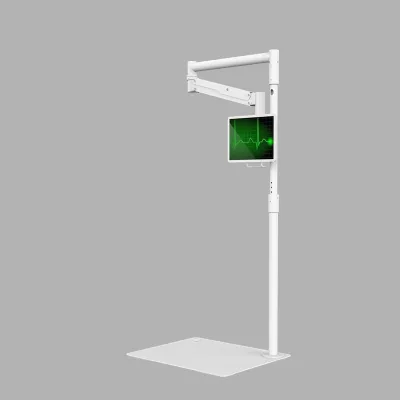


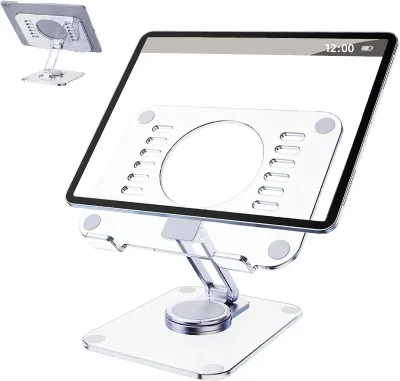
Universal Adjustable Metal Desk Tabletop Phone iPad Tablet Stand Foldable
$0.49 - $0.65
MOQ: 100 Pieces




Comprehensive Sourcing Guide
Adjustable Telescopic Arm Tablet Stand Sourcing Guide
Procuring an Adjustable Telescopic Arm Tablet Stand requires a clear understanding of the mechanical and material specifications that define product quality and usability. Buyers must distinguish between simple static holders and complex articulated arms, as the latter involve moving parts that demand rigorous durability testing. The core keyword suggests a focus on extendable reach and height adjustability, which are critical for ergonomic setups in both office and exhibition environments. Understanding these mechanical nuances ensures that the selected supplier can deliver a product that meets specific spatial and functional requirements without compromising structural integrity.
The market offers a variety of designs, ranging from basic plastic mounts to heavy-duty steel-reinforced arms capable of supporting significant weight. Observations indicate that materials often include a combination of steel and plastic, balancing cost with strength. Buyers should verify the bearing weight capacity, as some models support up to 10kg, which is essential for larger tablets or dual-screen setups. Additionally, features such as 360-degree rotation and foldable designs add versatility, making them suitable for diverse applications from car dashboards to free-standing exhibition displays.
Product Scope and Observed Listing Signals
The observed product landscape includes a wide range of mobile phone and tablet holders, with models like TB11, TZ112, and TP8 representing different structural approaches. Listings frequently highlight features such as 360-degree rotation, foldable designs, and compatibility with all phone sizes or specific tablets like the 9.7-inch iPad or 12.9-inch iPad Pro. These signals indicate a market segment focused on versatility and adaptability, where a single product might serve multiple device types. Buyers should note that while many products are labeled as "holder only," the inclusion of telescopic arms adds a layer of complexity that requires careful verification of extension mechanisms and locking stability.
Color options typically include black, white, or custom colors, allowing for brand alignment in corporate or retail settings. Customization is widely available, covering color, logo, and packaging, which is crucial for B2B buyers seeking private label solutions. The presence of models like TSK2011-GL-01 and IF283 suggests a diverse portfolio that may include specialized applications such as antitheft features or dashboard mounting. Buyers must carefully cross-reference these model numbers with their specific needs, as the term "tablet stand" may encompass everything from simple desk clips to complex articulated arms with varying degrees of adjustability.
Technical Specifications to Verify
When evaluating technical specifications, the primary focus should be on the material composition and structural load capacity. Products often utilize raw materials such as steel and plastic, with some models featuring a non-slip design to secure devices during adjustment. It is critical to verify the single package dimensions, such as 23131.3cm, to ensure efficient logistics and storage. Buyers must also confirm the mounting type, whether it is free-standing, dashboard-mounted, or wall-mounted, as this dictates the installation requirements and stability of the final product. The ability to adjust angle and height is a key feature that must be tested for smooth operation and secure locking at various positions.
Rotation capabilities, such as 360-degree rotation, are common but vary in quality and durability. Buyers should inquire about the mechanism used to maintain position under load, ensuring that the arm does not sag over time. Additionally, the packing specifications, such as standard packaging or custom boxes with foam fillers, impact product protection during transit. For models like TSK2011-IPAD-AD04, specific packing sizes like 127x27x17cm are noted, which affects shipping costs and warehouse space. Verifying these details early in the sourcing process helps prevent unexpected logistical challenges and ensures that the product meets the intended application's physical constraints.
Compliance and Safety Documentation
Compliance and safety are paramount, especially for products used in public spaces or vehicles. Buyers should request documentation for standards such as SGS and TUV, which indicate that the product has undergone independent testing for quality and safety. These certifications are particularly relevant for products with moving parts or those used in high-traffic areas like exhibition shows. Ensuring that the supplier can provide valid test reports helps mitigate liability risks and ensures that the product meets international safety benchmarks. Buyers must verify that these certifications are current and applicable to the specific model being procured, as standards can vary by region and product type.
Antitheft features and secure mounting mechanisms are also critical safety considerations, particularly for products used in public or commercial settings. Buyers should inquire about the durability of the locking mechanisms and the resistance of the materials to tampering or accidental dislodgement. For products used in cars, such as those mounted on dashboards, compliance with automotive safety standards is essential to prevent the device from becoming a projectile in the event of a collision. Verifying these safety aspects ensures that the product not only functions well but also protects users and their devices from potential hazards.
Cost Drivers and Commercial Terms
Cost drivers for adjustable telescopic arm tablet stands include material quality, manufacturing complexity, and customization requirements. Products with steel components and complex articulation mechanisms typically command higher prices than simple plastic holders. Buyers should also consider the impact of customization, such as logo printing or custom packaging, which can increase unit costs. The observed price range of 0.19-200 USD reflects this variability, with basic models at the lower end and highly customized or heavy-duty units at the higher end. Understanding these cost drivers helps buyers set realistic budgets and negotiate effectively with suppliers.
Minimum Order Quantities (MOQs) typically range from 1 to 1000 units, offering flexibility for both small and large buyers. Buyers should assess their volume requirements against the supplier's MOQ to determine the most cost-effective ordering strategy. Additionally, lead times and payment terms are critical commercial factors that impact cash flow and inventory management. Buyers should negotiate clear terms regarding production schedules and quality assurance processes to ensure timely delivery and product consistency. Understanding these commercial dynamics allows buyers to optimize their procurement strategy and minimize supply chain disruptions.
Supplier Qualification and Quality Control
Supplier qualification is a critical step in ensuring the reliability and quality of the sourced products. Buyers should verify the supplier's manufacturing capabilities, including their experience with telescopic arm mechanisms and material processing. Factories located in Guangdong, China, such as those in Shenzhen, are known for their expertise in electronics accessories and hardware manufacturing. Buyers should request factory audits or third-party inspections to assess production standards and quality control processes. This due diligence helps identify potential risks and ensures that the supplier can consistently meet quality expectations.
Quality control measures should include rigorous testing of moving parts, load-bearing capacity, and durability under repeated use. Buyers should establish clear acceptance criteria for product defects and request pre-shipment inspections to verify compliance. Additionally, suppliers should provide warranties or guarantees for product performance, which serves as a safeguard against manufacturing defects. By prioritizing supplier qualification and robust quality control, buyers can minimize the risk of receiving substandard products and ensure long-term satisfaction with their procurement decisions.
Long-Term Procurement Checks
Long-term procurement success depends on continuous monitoring of supplier performance and product quality. Buyers should establish key performance indicators (KPIs) such as defect rates, on-time delivery, and responsiveness to issues. Regular reviews of these metrics help identify trends and areas for improvement, allowing buyers to address problems proactively. Additionally, maintaining open communication with suppliers fosters a collaborative relationship that can lead to product improvements and cost savings over time. This ongoing engagement ensures that the procurement process remains efficient and effective.
Market trends and technological advancements in tablet stands should also be monitored to ensure that the sourced products remain competitive. Buyers should stay informed about new materials, designs, and features that may enhance product value or reduce costs. By staying ahead of these trends, buyers can make informed decisions about future procurement strategies and maintain a competitive edge in their respective markets. Continuous evaluation and adaptation are essential for long-term success in the dynamic landscape of B2B procurement.
FAQs
Can the mobile phone holder rotate 360 degrees?
Yes, the mobile phone holder features 360-degree rotation for flexible viewing angles. This design allows users to switch between portrait and landscape modes easily. It is suitable for home or office use and supports all sizes of phones. The rotation mechanism ensures smooth movement while maintaining stability during use.
What is the bearing weight capacity of the stand?
The stand has a bearing weight capacity of 10kg. This robust construction supports various devices, including tablets and phones. The material combines steel and plastic for durability. It is designed to hold devices securely without tipping, making it ideal for exhibitions or daily office tasks.
Is the product customizable for branding purposes?
Yes, customization is available for color, logo, and packaging. Buyers can request specific branding elements to match their corporate identity. The product offers standard or customized packing options. This flexibility allows businesses to create unique promotional items or branded accessories for their clients and employees.
What models are available for iPad compatibility?
Available models include TSK2011-IPAD-02, TSK2011-iPad-03, and TSK2011-IPAD-AD04. These are specifically designed for 9.7-inch iPads or 12.9-inch iPad Pro. The stands provide secure mounting for these specific tablet sizes. They are suitable for exhibition shows or office environments requiring stable tablet placement.
Where is the product manufactured and shipped from?
The product is manufactured in Guangdong, China, with some items originating from Shenzhen. The origin ensures access to established manufacturing hubs. Shipping details depend on the specific supplier and order volume. Buyers should verify lead times and logistics options directly with the supplier for accurate delivery estimates.
Does the holder feature a foldable design?
Yes, the folding phone holder is designed to be foldable for portability. This feature allows for easy storage and transport. The non-slip design ensures stability when unfolded. It is ideal for users who need a compact solution for home, office, or car dashboard use.