Source Adjustable Temperature Soldering Iron for Repair, Assembly, and Prototyping
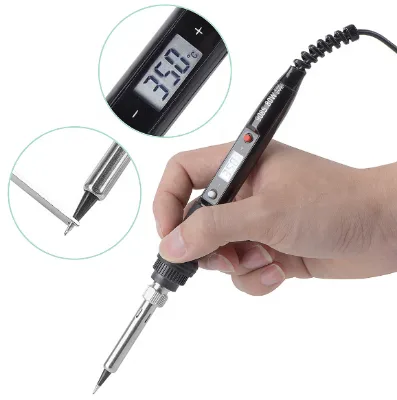
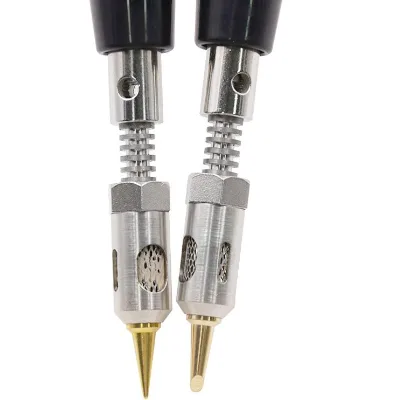
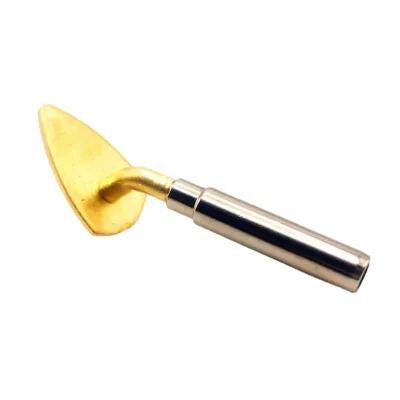
Explore 30 listings of Adjustable Temperature Soldering Iron options featuring varying power ratings, temperature ranges, and heating times. Buyers can compare specifications like 55W or 60W output, 450°C to 500°C max temperatures, and different handpiece styles to find suitable tools for machinery repair and precision welding tasks.
Key considerations
Products List


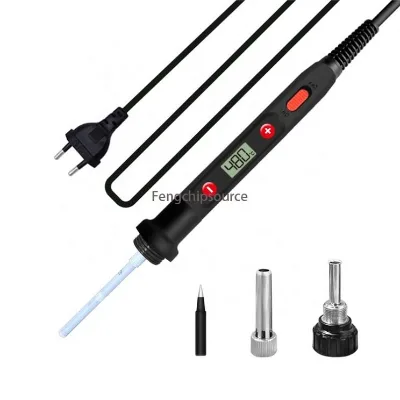
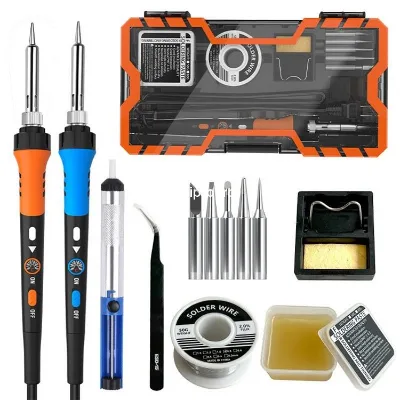
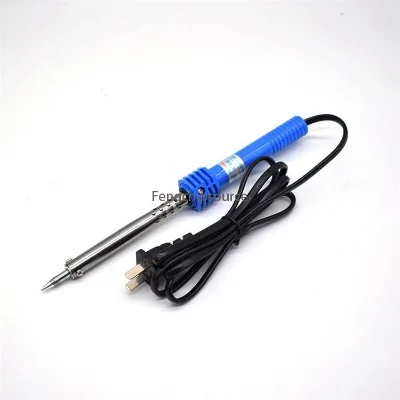
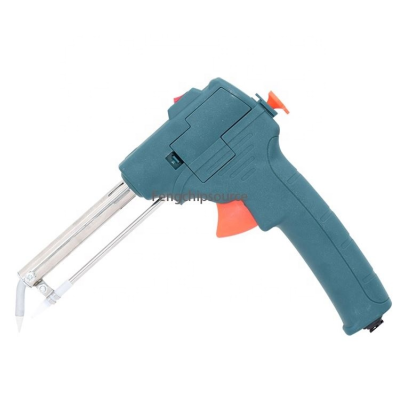
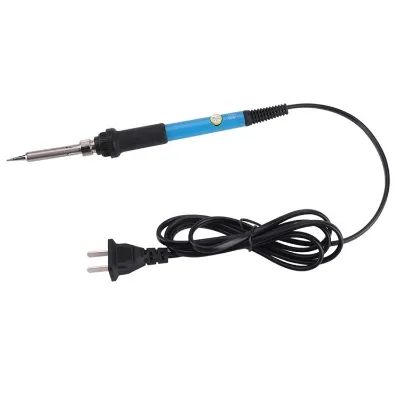
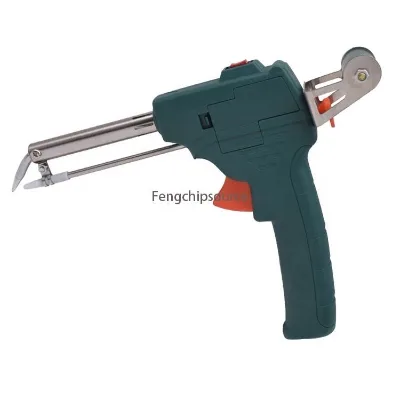


Wholesale Soldering Machine, Precision Temperature Control Soldering Iron
$2.53 - $2.92
MOQ: 100 Pieces


Adjustable Temperature Soldering Iron with Soldering Iron Tips for Electric Jobs
$7.20 - $7.40
MOQ: 300 Pieces


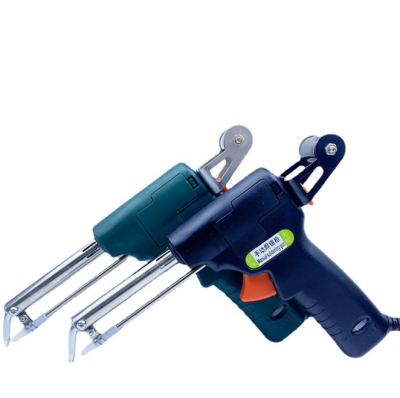
Comprehensive Sourcing Guide
Adjustable Temperature Soldering Iron Sourcing Guide
Sourcing adjustable temperature soldering irons requires a careful balance between technical precision and commercial viability, particularly when evaluating the diverse range of products available in the current market. The observed product landscape reveals a significant variance in specifications, with power outputs ranging from 30W to 60W and maximum temperatures reaching up to 500℃. Buyers must recognize that these figures are not uniform across all listings; some units are rated for a maximum of 450℃, while others claim higher thresholds. This variability necessitates a rigorous verification process where procurement teams treat listed attributes as observations rather than guaranteed performance metrics. Understanding these baseline differences is crucial for aligning product capabilities with specific manufacturing or repair requirements, ensuring that the selected tool can handle the thermal demands of the intended application without compromising safety or efficiency.
The commercial landscape for these tools is characterized by flexible customization options and varied packaging standards, which directly impact the total cost of ownership. Many suppliers offer customization in color and branding, with options including blue, yellow, or fully customized hues, catering to corporate identity needs or specific workshop organization systems. Packaging also varies significantly, ranging from simple card blister packages to more protective single blister card packing and color boxes. These differences are not merely aesthetic; they influence logistics, storage requirements, and the perceived value of the product. Procurement decisions should therefore weigh the cost implications of these packaging choices against the protection needs of the delicate internal heating elements and precision tips, ensuring that the final delivered goods arrive in optimal condition while remaining cost-effective for bulk orders.
Product Scope and Observed Listing Signals
The current market for adjustable temperature soldering irons presents a wide array of product types, primarily centered around internal heating mechanisms and pencil grip handpieces. Listings frequently highlight features such as automatic heat-up capabilities, with some units claiming a preheat time of just 7 seconds, while others specify a longer preheat duration of 3-5 minutes. This discrepancy in heating speed is a critical signal for buyers evaluating productivity in high-volume environments. Additionally, the power output is often listed as a range, such as 30W/40W/50W/60W, indicating that a single model may be configurable for different thermal loads. Buyers should interpret these signals as indicators of versatility rather than fixed specifications, requiring direct confirmation of the exact wattage and temperature stability for the specific unit being ordered to avoid mismatches in production line requirements.
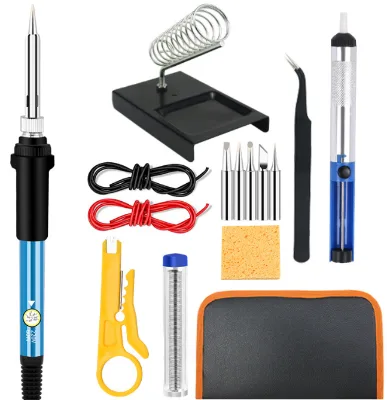
Another significant signal in the current listings is the emphasis on customization and specific model identifiers, such as FK-K25 or FB-ESI11, which suggest a modular approach to product design. The availability of customization extends beyond physical attributes to include functional adjustments, with temperature control described as both constant and adjustable. This duality requires careful scrutiny, as "constant temperature" may refer to a stable operating range rather than a fixed set point, whereas "adjustable" implies user-controlled variability. Furthermore, the inclusion of multi-piece kits, such as a 14-in-1 set, indicates a trend toward comprehensive solutions that bundle the iron with various tips and accessories. Procurement teams must evaluate whether these kits offer genuine value or if purchasing individual components separately would be more cost-effective, depending on the specific skill sets and repair tasks required by the end-users.
Technical Specifications to Verify
When verifying technical specifications, the input voltage range is a primary consideration, with many units supporting 110V to 220V or 110V~230V inputs. This broad voltage compatibility is advantageous for global sourcing, but buyers must still confirm the specific plug type and frequency requirements for their target market to ensure seamless integration into local electrical infrastructure. The power rating is another critical parameter, with observed outputs ranging from 30W to 60W. Higher wattage units, such as the 60W models, are generally better suited for larger joints or higher thermal mass components, while lower wattage options may be preferable for delicate electronics work. Buyers should request detailed datasheets that specify the actual power consumption and thermal recovery rate, rather than relying solely on the nominal wattage listed in the product title, to ensure the tool can maintain temperature under load.
Temperature control and stability are equally vital, with listings citing maximum temperatures of 450℃, 480℃, and 500℃, and output ranges from room temperature to 450℃. The distinction between "controlling temperature" and "adjustable" temperature needs to be clarified, as it affects the precision of the soldering process. Additionally, the weight of the unit varies significantly, from 0.5 Kg to 1.5 Kg, which impacts operator comfort during extended use. A lighter unit may reduce fatigue but could potentially compromise thermal mass, while a heavier unit might offer better heat retention but increase strain on the user. Buyers should verify the handpiece style, typically described as a pencil grip, and assess the ergonomic design to ensure it aligns with the ergonomic standards of their workforce, particularly for tasks requiring fine motor control and prolonged operation.
Compliance and Safety Documentation
Safety and compliance documentation are essential for mitigating risk in B2B procurement, although the current listings provide limited explicit details on certified standards. While background knowledge suggests that products in this category may adhere to CE and RoHS certifications, these should not be assumed without direct verification from the supplier. Buyers must request valid test reports and certificates of conformity to ensure that the soldering irons meet the electrical safety and environmental regulations of their destination market. This is particularly important for units with internal heating elements and plastic handles, where material safety and electrical insulation are critical. Procurement teams should treat any mention of certifications as preliminary information and insist on documented proof, such as third-party lab results, to validate claims before finalizing any purchase agreement.
In addition to formal certifications, buyers should inquire about the warranty terms and after-sales service provisions, which are often listed as unavailable or limited in the current market. The absence of overseas service support can pose significant challenges for international buyers, potentially leading to extended downtime in the event of equipment failure. It is crucial to clarify the warranty coverage for core components, with some listings offering a one-year warranty while others provide no warranty at all. Buyers should negotiate clear terms regarding the replacement of defective units or core components, such as the heating element or temperature sensor, to protect their investment. Understanding the limitations of after-sales support is vital for developing a robust maintenance strategy and minimizing operational disruptions.
Cost Drivers and Commercial Terms
The cost of adjustable temperature soldering irons is influenced by several factors, including power output, customization options, and packaging requirements. The observed price range of 0.35 to 16.9 USD reflects the diversity in product quality and feature sets, with basic models at the lower end and more advanced, customizable kits at the higher end. Buyers should analyze the cost per unit in the context of the total value provided, considering factors such as heating speed, temperature stability, and included accessories. The availability of customization, such as branded colors or specific packaging, may incur additional costs, which should be factored into the total procurement budget. Understanding these cost drivers allows buyers to make informed decisions that balance quality and price, ensuring that they receive the best value for their specific operational needs.
Minimum Order Quantities (MOQs) and lead times are also significant commercial terms that impact procurement planning. The observed MOQ range of 1 to 2000 units offers flexibility for both small-scale buyers and large-volume purchasers, but buyers should negotiate terms that align with their inventory management strategies. Suppliers may offer discounts for larger orders, but these should be weighed against the risk of holding excess inventory. Additionally, lead times can vary based on the level of customization and the supplier's production capacity. Buyers should establish clear communication channels with suppliers to monitor production progress and ensure timely delivery, particularly for time-sensitive projects. Understanding these commercial terms helps buyers optimize their supply chain and avoid unexpected delays or costs.
Supplier Qualification and Quality Control
Supplier qualification is a critical step in ensuring the reliability and consistency of the sourced products. Buyers should assess suppliers based on their production capabilities, quality control processes, and track record in the industry. The presence of video outgoing-inspection services, as mentioned in some listings, can provide valuable insights into the manufacturing process and final product quality. Buyers should request detailed information about the supplier's quality assurance protocols, including testing procedures for electrical safety, temperature accuracy, and durability. This due diligence helps mitigate the risk of receiving substandard products and ensures that the supplier can meet the buyer's quality expectations consistently.
Quality control measures should extend beyond the initial production phase to include pre-shipment inspections and ongoing monitoring. Buyers should consider implementing their own quality control checks upon receipt of the goods, verifying key specifications such as power output, temperature range, and physical dimensions. The use of standardized inspection criteria, aligned with industry best practices, can help identify any discrepancies or defects early in the process. Additionally, buyers should establish a feedback loop with the supplier to address any quality issues promptly and improve future orders. By prioritizing supplier qualification and rigorous quality control, buyers can build a reliable supply chain that supports their operational goals and maintains high standards of product quality.
Long-Term Procurement Checks
Long-term procurement success depends on continuous monitoring and evaluation of supplier performance and product quality. Buyers should establish key performance indicators (KPIs) to track metrics such as delivery times, defect rates, and customer satisfaction. Regular reviews of these metrics can help identify trends and areas for improvement, allowing buyers to address issues proactively. Additionally, buyers should stay informed about technological advancements in the soldering iron market, such as new heating technologies or improved temperature control systems, to ensure that their procurement strategy remains competitive and aligned with industry developments.
Building a strong relationship with suppliers is also essential for long-term success. Open communication, mutual trust, and collaborative problem-solving can lead to better pricing, improved service, and greater flexibility in meeting changing business needs. Buyers should engage in regular dialogues with their suppliers to discuss future requirements, share feedback, and explore opportunities for innovation. By fostering a partnership-oriented approach, buyers can create a resilient supply chain that adapts to market changes and supports their long-term growth objectives. This strategic focus on relationship management and continuous improvement ensures that the procurement of adjustable temperature soldering irons remains a value-adding activity for the organization.
FAQs
What is the maximum temperature of this soldering iron?
The maximum temperature reaches 500 degrees Celsius for some models and 480 degrees Celsius for others. The device features constant temperature control to maintain stability during precision soldering tasks.
Can I customize the color of the soldering iron?
Yes, customization is available for the color of the soldering iron. Buyers can choose from blue, yellow, or request a customized color to match specific branding or operational requirements.
What is the power output range for these units?
The output power ranges from 30W to 60W depending on the specific model configuration. Some units operate at 55W or 60W to ensure efficient heating for various soldering applications.
How long does it take for the iron to heat up?
The heat-up time is approximately 7 seconds for rapid readiness. Some models may require a preheat time of 3 to 5 minutes depending on the specific internal heating mechanism used.
Is there an overseas warranty or after-sales service?
No overseas service is provided for these products, and after-sales service is generally unavailable. Buyers should note that core component warranties may vary, with some models offering one year coverage.
What is the minimum order quantity for this product?
The minimum order quantity ranges from 1 to 2000 units depending on the supplier and specific configuration. This flexibility allows buyers to order small batches or larger quantities for industrial use.
Where are these soldering irons manufactured?
These products originate from Zhejiang, China. The manufacturing location ensures compliance with standard production practices while offering competitive pricing for international buyers seeking reliable soldering equipment.