Source Adjustable Titanium Petrol Pole Pruner for gardens, orchards, and farms
Find and compare Adjustable Titanium Petrol Pole Pruner options from verified suppliers. This page lists 30 products featuring 65Mn blades, OEM support, and various handle materials for garden pruning tasks.
Key considerations
Products List
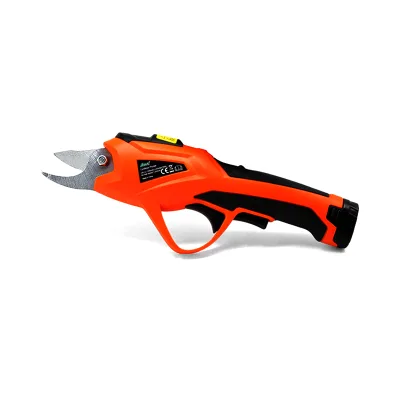
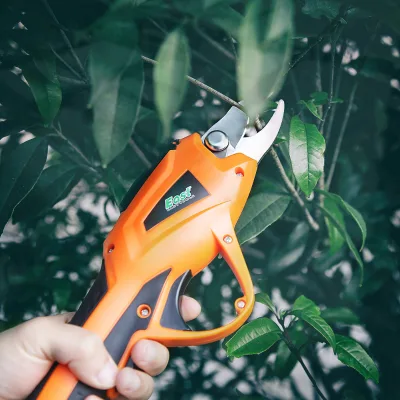


Professional Garden Gasoline / Petrol Pole Pruning Chain Saw Pole Pruner (PPS250A)
$36.50 - $41.30
MOQ: 200 Pieces


27cc Extension-Type Professional Easy Operate Long Reach Pole Pruner
$120.00 - $150.00
MOQ: 300 Pieces
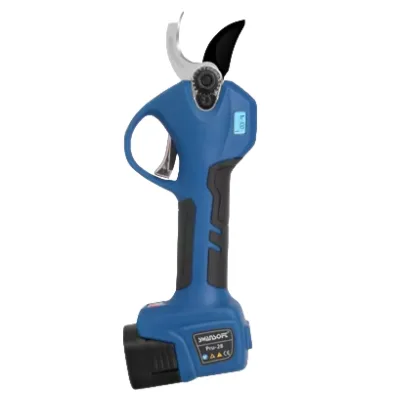

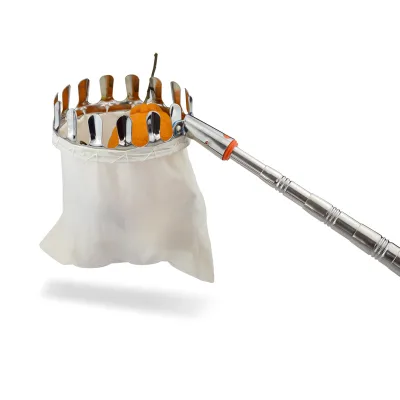
Reasonable Price Long Handle Pole Adjustable Tool Pruning Garden Basket Fruit Picker
$2.33 - $36.57
MOQ: 50 Minimum


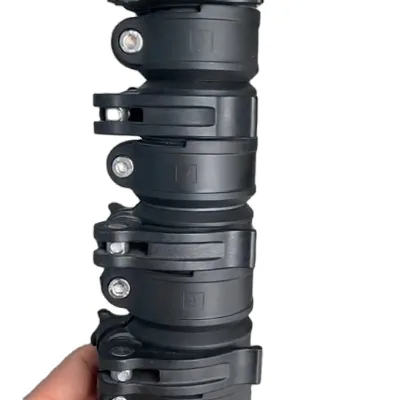
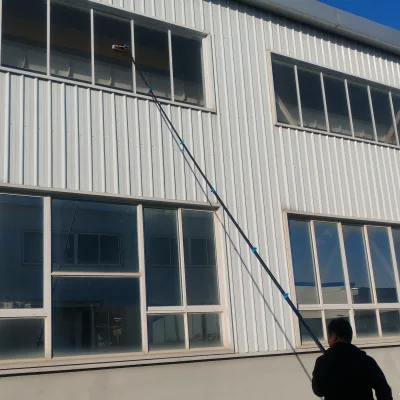
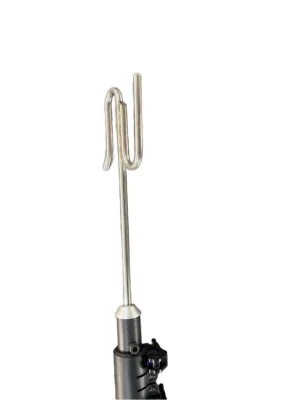


Rima Garden Tools Hedge Trimmers Pole Saw Trimmer Telescopic Hedge Trimmer
$2100.00 - $2500.00
MOQ: 1 Pieces
Comprehensive Sourcing Guide
Sourcing Strategy for Adjustable Titanium Petrol Pole Pruners
The procurement of adjustable titanium petrol pole pruners represents a specialized segment within the broader garden tool market, demanding a rigorous approach to supplier evaluation and technical verification. While the core keyword suggests a specific configuration involving titanium shafts and petrol engines, the actual supply landscape often presents a complex array of variations in materials, engine specifications, and certification statuses. Buyers must navigate these variations carefully, relying on verified product attributes rather than marketing generalizations. This guide outlines the essential steps for sourcing these tools, focusing on technical due diligence, compliance verification, and supply chain stability based on observed market data and standard industry practices.
Technical Specifications and Material Verification
When evaluating an adjustable petrol pole pruner, the first priority is confirming the material composition of the pole and the engine specifications. The term "titanium" in the product title often implies a high-strength, lightweight shaft, yet actual listings frequently vary between aluminum, steel, and composite materials. Buyers must explicitly request material certificates to verify if the pole is indeed titanium or if it is an aluminum alloy, which is a common alternative in the market. For the cutting head, the blade material is a critical determinant of longevity and cutting efficiency. Observed market data indicates that 65Mn steel is a prevalent material for blades, offering a balance of hardness and flexibility suitable for pruning tasks. Some listings also reference generic "Metal" or "65Mn Steel" without further alloy specification, necessitating a request for detailed metallurgical reports.
The engine specifications are equally vital for petrol-powered units. The displacement, power output, and emission standards define the tool's performance envelope. In the current supply context, specific units have been observed with a displacement of 31cc and a rated output of 0.9kw at 7500rpm. These figures suggest a compact engine designed for handheld or pole-mounted applications where weight and maneuverability are paramount. The carburetor type, such as a pump film mechanism, and the starter system, like a CDI (Capacitor Discharge Ignition) unit, are standard features that influence starting reliability and maintenance frequency. Buyers should verify that the engine meets the specific emission standards required in their target market, as observed listings mention Stage V compliance, which is a stringent European standard. However, not all suppliers may meet this level; therefore, confirmation of the specific emission tier is a mandatory step before finalizing an order.
Compliance and Certification Requirements
Navigating the regulatory landscape for garden tools requires a meticulous review of certifications. The market data highlights several key certifications, including CE, GS, and EMC. The CE marking indicates conformity with health, safety, and environmental protection standards for products sold within the European Economic Area. The GS mark, a German safety certification, is often considered a higher benchmark than CE alone, implying rigorous testing for mechanical safety. EMC (Electromagnetic Compatibility) is relevant for petrol tools with electronic ignition systems to ensure they do not interfere with other electronic devices.
Buyers must understand that certification is not a universal attribute for all listed products. While some suppliers list "CE GS EMC" as a standard offering, others may only provide "GS" or no certification at all. It is crucial to treat these certifications as specific claims that require validation for each batch. For instance, a product listing might claim "Stage V" emission compliance, but this must be verified against the specific engine model number and the manufacturer's test reports. Additionally, the "Reach" regulation is often mentioned in background contexts but should not be assumed as a guaranteed attribute without explicit documentation. Procurement teams should request valid test reports from accredited laboratories to confirm that the product actually meets the claimed standards, rather than relying solely on the supplier's marketing materials.
Cost Drivers and Pricing Dynamics
The pricing of adjustable petrol pole pruners is influenced by a complex interplay of material costs, engine specifications, and certification requirements. The observed price range in the market spans from $0.02 to $2500, a vast disparity that reflects the difference between basic components and fully assembled, certified units. This wide range suggests that buyers must be extremely precise in their specification requirements to avoid confusion between low-cost parts and complete, high-end tools. The cost is heavily driven by the use of premium materials like titanium for the pole, which significantly increases the unit price compared to aluminum or steel alternatives.
Other significant cost drivers include the engine's power rating and emission compliance. Engines that meet Stage V emission standards typically command a premium due to the more complex engineering required to reduce exhaust pollutants. Furthermore, the customization level plays a major role. Suppliers offering OEM (Original Equipment Manufacturer), ODM (Original Design Manufacturer), and OBM (Original Brand Manufacturer) support often charge higher prices due to the added value of branding, custom packaging, and specific engineering adjustments. The packaging details, such as the "1 color box 8pcs" or "Mail order box," also impact the logistics cost and final retail price. Buyers should analyze the total landed cost, including shipping and duties, rather than focusing solely on the unit price, as the MOQ (Minimum Order Quantity) can vary significantly, ranging from 1 to 500 sets, with some suppliers setting a standard MOQ of 200 sets.
Typical Applications and Operational Context
Adjustable petrol pole pruners are designed for specific applications where reach and power are essential. The primary use case is garden pruning, particularly for trees and shrubs that are difficult to access with standard hand pruners. The telescopic feature, observed in several product listings, allows the user to extend the reach, making these tools ideal for orchards, large residential properties, and municipal landscaping. The "Bypass" pruner type is specifically noted for clean cuts on live branches, which promotes plant health by minimizing damage to the tissue.
The versatility of these tools is further enhanced by their ability to be customized for different tasks. The "DIY" and "Industrial" grades observed in the market indicate that these tools serve both hobbyist gardeners and professional landscaping crews. For industrial applications, the durability of the blade material, such as 65Mn steel, and the robustness of the handle, which may be made of soft grip plastic, rubber, or aluminum, are critical factors. The "Single volume" of 0 cm³ mentioned in some listings likely refers to the absence of a specific volume measurement for the tool itself, distinguishing it from the engine displacement. Buyers should ensure that the tool's cutting capacity matches the thickness of the branches they intend to prune, as some listings indicate a "Not Rated" cutting capacity, which requires further clarification from the supplier.
Supplier Evaluation and Supply Chain Stability
Selecting the right supplier involves a deep dive into their production capabilities and logistical reliability. The "Place of Origin" is a key indicator, with Zhejiang, China, being a prominent hub for garden tool manufacturing. This region is known for a dense ecosystem of suppliers capable of producing a wide range of tools, from basic hand pruners to complex petrol-powered systems. Buyers should verify the supplier's "Supply Ability," which in observed data is listed as 5000 cartons per month. This figure provides a baseline for assessing whether the supplier can meet large-scale demand without compromising quality or delivery timelines.
The "Port of Dispatch" is another critical logistical factor. Listings frequently mention Ningbo or Shanghai as the primary ports, which are major shipping hubs with efficient infrastructure for international trade. Buyers should confirm the specific port for their order to accurately calculate shipping costs and transit times. Additionally, the "Packaging Details" and "Packing" methods, such as "1 Carton/PCS" or "1 color Box 8pcs," affect the efficiency of loading and storage. For container shipping, understanding the "20gp" (20-foot general purpose) and "40hq" (40-foot high cube) capacities, such as 330 PCS and 791 PCS respectively, is essential for optimizing freight costs. The "Custom Logo" and "Color" customization options also indicate the supplier's flexibility in branding, which is a valuable asset for buyers looking to establish a unique market presence.
Quality Control and Long-Term Procurement Considerations
Ensuring long-term quality requires a proactive approach to quality control and after-sales support. The "Warranty" period, observed as 1 year in some listings, is a standard benchmark for garden tools. Buyers should negotiate warranty terms that cover both the engine and the mechanical components, as failures in these areas can be costly. The "Finish" of the tool, whether "Plastic Coated" or "Not Coated," affects its resistance to corrosion and wear. For tools used in wet or harsh environments, a plastic-coated finish on the handle and pole can significantly extend the product's lifespan.
Long-term procurement considerations also include the availability of spare parts and the consistency of the supply chain. The "Model Number," such as ET1505, serves as a unique identifier for the product, ensuring that buyers can order exact replacements or accessories in the future. Buyers should establish a relationship with suppliers who offer consistent quality across batches, as variations in blade material or engine performance can lead to customer dissatisfaction. Regular quality audits and sample testing are recommended to verify that the "Blade Material" remains 65Mn steel and that the engine specifications do not drift from the agreed-upon standards. By focusing on these technical and logistical details, buyers can secure a reliable supply of high-performance adjustable petrol pole pruners that meet their specific operational needs.
FAQs
What blade material is used for these pruners?
The blades are typically made of 65Mn steel, which offers a balance of hardness and flexibility for pruning tasks. Some listings also specify generic metal or 65Mn steel without further alloy details, so requesting metallurgical reports is recommended for verification.
Which certifications are commonly available for these tools?
Common certifications include CE, GS, and EMC, indicating compliance with safety and electromagnetic standards. While some suppliers list Stage V emission compliance, buyers must verify specific test reports as certification status varies by batch and supplier.
How can I verify the engine specifications for petrol models?
Specific units often feature a 31cc displacement with a rated output of 0.9kw at 7500rpm. Buyers should confirm the carburetor type, such as pump film, and the CDI starter system to ensure reliability and performance match the required application.
What is the typical minimum order quantity for these pruners?
The minimum order quantity typically ranges from 1 to 500 sets, with some suppliers setting a standard MOQ of 200 sets. Buyers should check specific supplier requirements as the MOQ can vary significantly depending on customization and packaging needs.
Can these pruners be customized for specific branding needs?
Yes, customized support including OEM, ODM, and OBM is available for branding and design adjustments. Suppliers also offer custom logos and colors, allowing buyers to establish a unique market presence while maintaining the core technical specifications of the tool.
Where are these garden tools typically manufactured?
The place of origin is frequently Zhejiang, China, a major hub for garden tool manufacturing. This region hosts a dense ecosystem of suppliers capable of producing various tools, from basic hand pruners to complex petrol-powered systems with high supply capabilities.
What packaging details should I expect for bulk orders?
Packaging often includes options like 1 color box containing 8 pieces or mail order boxes. For container shipping, capacity is estimated at 330 pieces for a 20-foot container and 791 pieces for a 40-foot high cube container.