Source Adjustable Thickened Violin Shoulder Rest for Students, Pros, and Travelers
Find 30 Adjustable Thickened Violin Shoulder Rest options from Chinese manufacturers. Compare materials like alloy and maple, sizes from 1/8 to 4/4, and features such as foldable designs and sponge pads to find the right fit for your inventory needs.
Key considerations
Products List
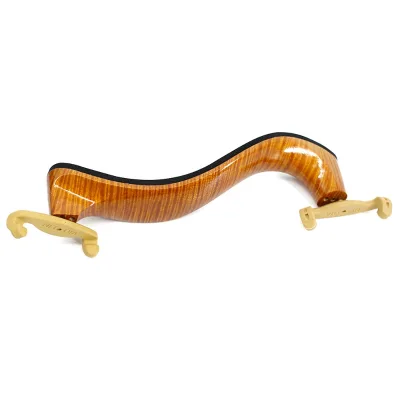
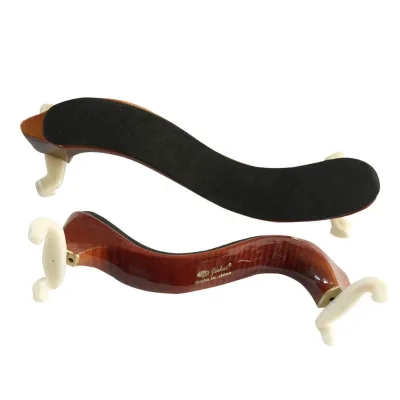
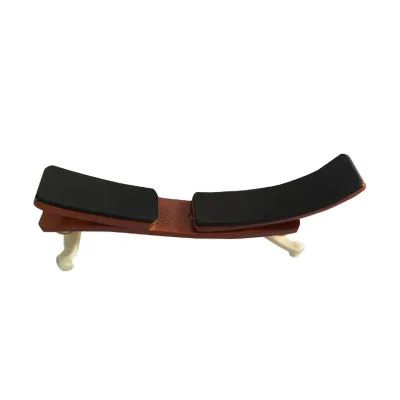
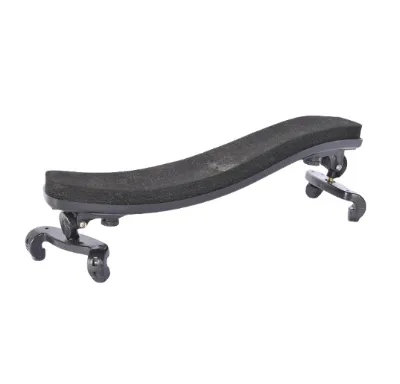



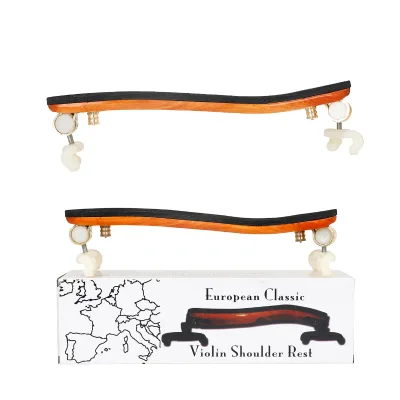
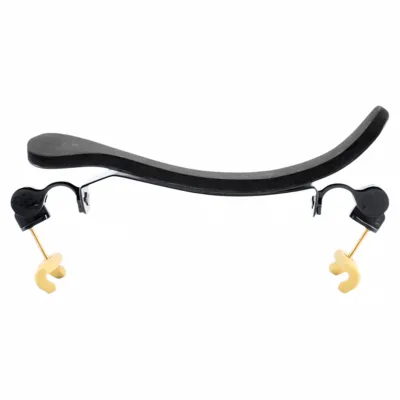
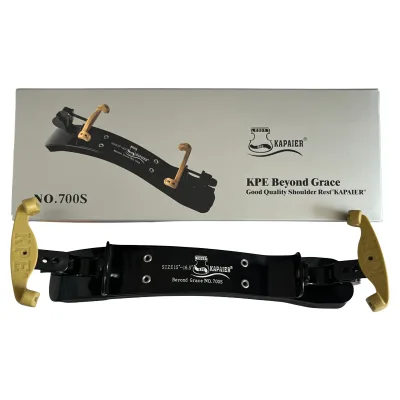
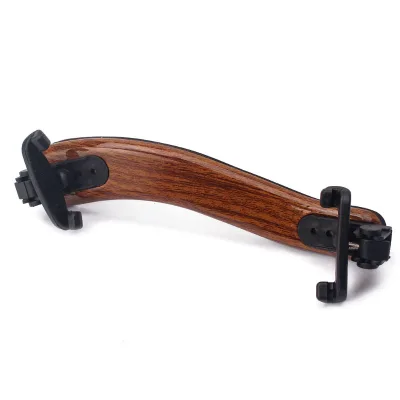
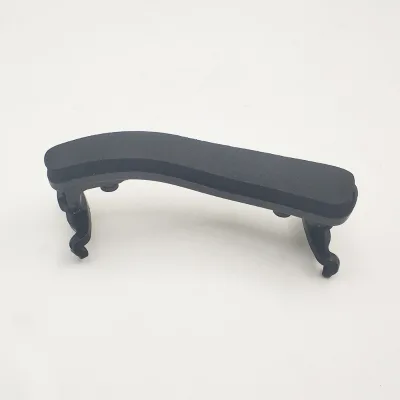
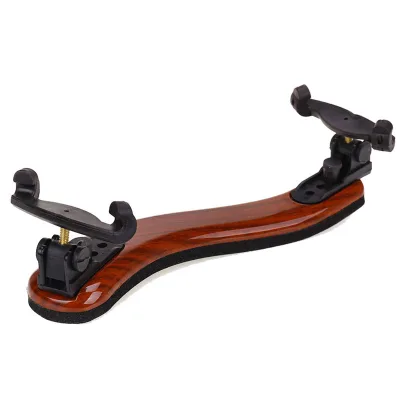
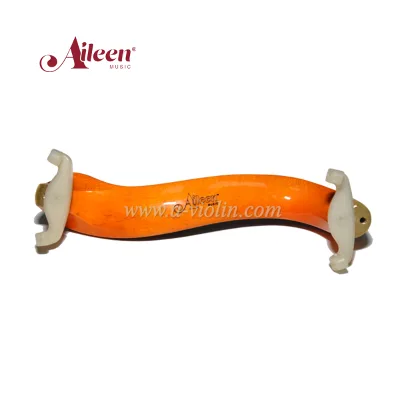
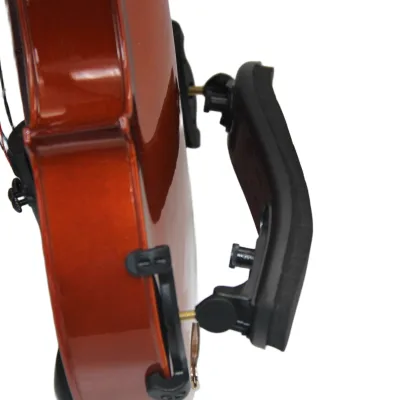
Comprehensive Sourcing Guide
Adjustable Thickened Violin Shoulder Rest Sourcing Guide
Sourcing high-quality violin shoulder rests requires a careful balance of ergonomic design, material durability, and precise fit for various instrument sizes. The Adjustable Thickened Violin Shoulder Rest has emerged as a preferred choice for musicians seeking enhanced comfort and stability during extended practice sessions or performances. This guide provides evidence-based procurement advice, leveraging observed market data and trusted category knowledge to help buyers make informed decisions. By focusing on key specifications, compliance requirements, and supplier qualifications, this document aims to streamline the sourcing process and ensure that the final product meets the rigorous demands of professional and amateur violinists alike.
The violin shoulder rest market is characterized by a diverse range of materials, from lightweight alloys to traditional maple wood, each offering distinct advantages in terms of weight, aesthetics, and sound transmission. Buyers must navigate a complex landscape of product variations, including different sizes, attachment mechanisms, and padding thicknesses. Understanding these nuances is crucial for selecting the right product for your target audience, whether they are beginners, students, or professional musicians. This guide will delve into the specific attributes that define a superior shoulder rest, providing actionable insights for effective procurement.
Product Scope and Observed Listing Signals
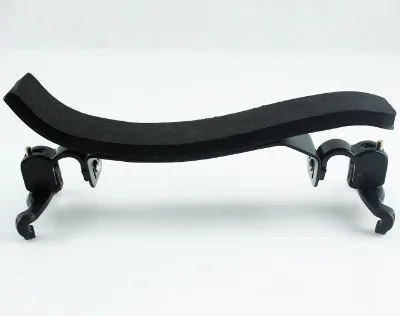
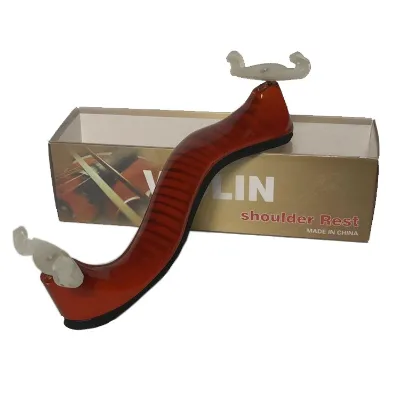
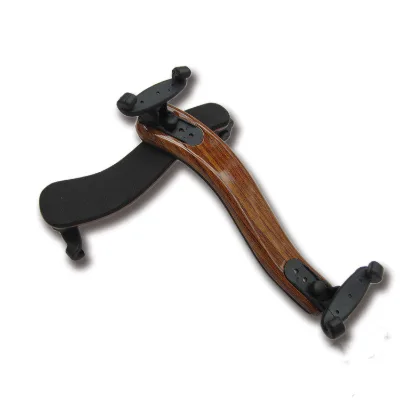
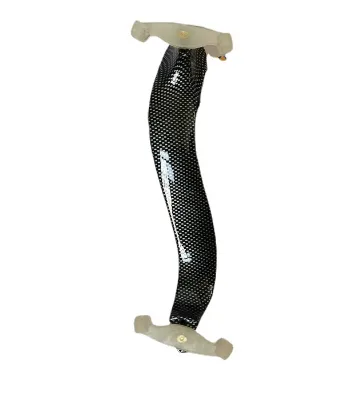
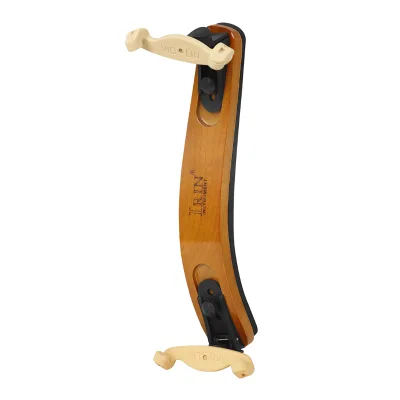
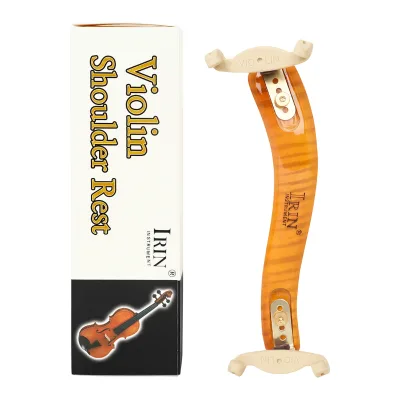
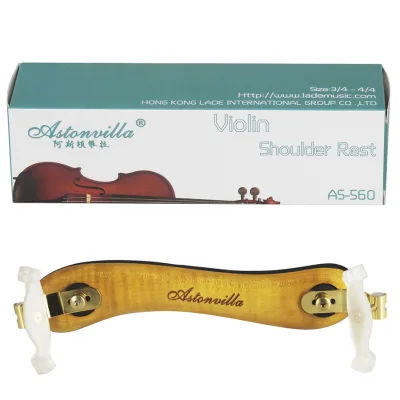
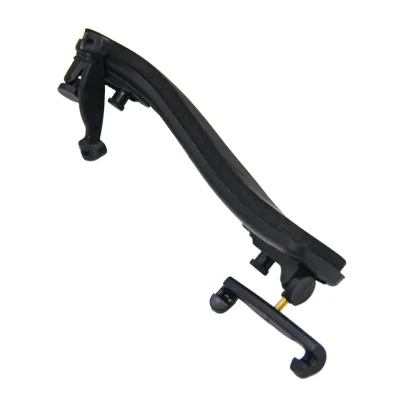
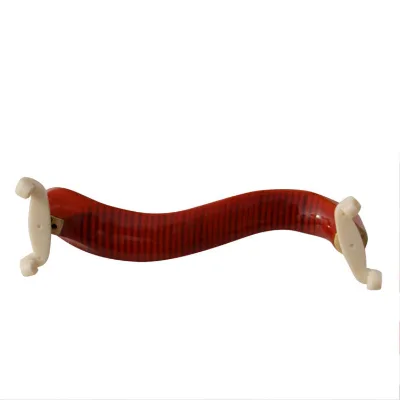
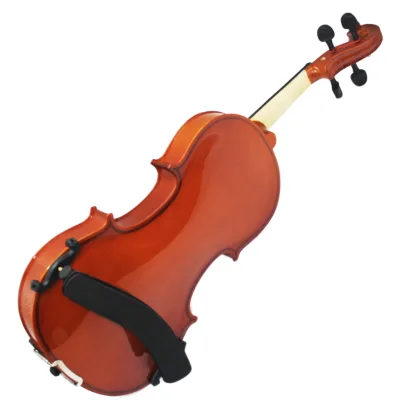
The observed product listings reveal a significant diversity in materials and designs, ranging from alloy constructions to traditional maple wood options. For instance, one observed product features an alloy body with a thickened 5mm sponge pad, designed for portability and adjustable sizing, while another utilizes maple wood with a stand feature, catering to buyers who prefer a classic aesthetic. These variations highlight the importance of clearly defining your product requirements based on the specific needs of your customers, such as weight sensitivity, aesthetic preference, or ergonomic support. The presence of multiple model numbers, such as SE30088 and SE30083, indicates a broad catalog of options, necessitating a thorough review of each product's unique attributes before making a selection.
Market signals also indicate a wide range of minimum order quantities (MOQs), from as low as 20 pieces to as high as 500 pieces, reflecting the flexibility of suppliers in accommodating different business scales. This variability allows buyers to start with smaller test orders to assess product quality and market response before committing to larger volumes. Additionally, the observed packing configurations, such as 100 pieces per carton, provide insights into logistics planning and inventory management. Buyers should consider these factors when calculating total landed costs and determining the optimal order size for their specific distribution channels.
Technical Specifications to Verify
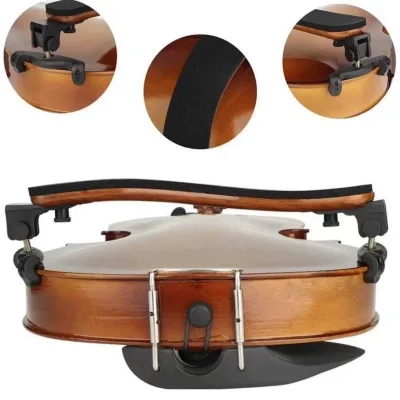
When evaluating adjustable thickened violin shoulder rests, verifying the material composition is paramount, as it directly impacts the product's durability, weight, and acoustic properties. Alloy shoulder rests, for example, offer a lightweight and robust solution, often featuring adjustable screws and latex claws for secure attachment to the violin. In contrast, maple wood shoulder rests provide a traditional look and may offer different vibration characteristics, appealing to musicians who prefer a classic feel. Buyers should request detailed material specifications, including the type of alloy or wood grade, to ensure the product meets their quality standards and performance expectations.
The sizing and adjustability features are critical technical aspects that must be carefully verified to ensure compatibility with various violin sizes, ranging from 1/8 to 4/4. Products with adjustable sizes and foldable designs offer greater versatility, allowing a single model to serve multiple customers. Additionally, the thickness of the sponge pad, such as the observed 5mm thickened sponge, plays a crucial role in comfort and support. Buyers should confirm the exact dimensions and adjustability range of each product, ensuring that the shoulder rest can be securely attached to different violin models without compromising stability or comfort.
Compliance and Safety Documentation
Ensuring that violin shoulder rests comply with relevant safety and quality standards is essential for protecting consumers and maintaining brand reputation. While specific certification requirements may vary by region, buyers should prioritize suppliers who adhere to international quality management systems and material safety regulations. This includes verifying that the materials used, such as alloys and woods, are free from harmful substances and meet environmental standards. Requesting documentation such as material safety data sheets (MSDS) and test reports can provide assurance that the products are safe for use and meet regulatory requirements.
Furthermore, buyers should assess the supplier's commitment to quality control and continuous improvement. This includes evaluating their production processes, inspection protocols, and corrective action procedures. Suppliers who demonstrate a proactive approach to quality management are more likely to deliver consistent, high-quality products that meet customer expectations. Buyers should also consider the supplier's ability to provide traceability and recall procedures, which are critical for managing product risks and ensuring consumer safety in the event of a quality issue.
Cost Drivers and Commercial Terms
The cost of adjustable thickened violin shoulder rests is influenced by several factors, including material costs, manufacturing complexity, and order volume. Alloy shoulder rests may be more cost-effective due to streamlined production processes, while maple wood options may command a premium due to material scarcity and craftsmanship requirements. Buyers should analyze the cost structure of each product option, considering not only the unit price but also the total landed cost, including shipping, duties, and handling fees. Understanding these cost drivers will enable buyers to make informed decisions that balance quality and affordability.
Commercial terms, such as payment terms, delivery schedules, and warranty policies, also play a significant role in the overall procurement strategy. Buyers should negotiate favorable terms that align with their cash flow requirements and risk tolerance. For instance, suppliers who offer flexible payment options, such as partial upfront payments or letters of credit, can help mitigate financial risks. Additionally, clear warranty policies and after-sales support can provide peace of mind and protect the buyer's investment in the event of product defects or customer complaints.
Supplier Qualification and Quality Control
Selecting a qualified supplier is a critical step in ensuring the success of your procurement efforts. Buyers should conduct thorough due diligence on potential suppliers, evaluating their production capabilities, quality control systems, and track record. This includes visiting the supplier's facility, if possible, to assess their manufacturing processes and quality assurance practices. Suppliers who demonstrate a strong commitment to quality and continuous improvement are more likely to deliver products that meet your specifications and expectations.
In addition to supplier qualification, implementing a robust quality control plan is essential for maintaining product consistency and customer satisfaction. This includes establishing clear quality standards, conducting regular inspections, and implementing corrective action procedures for any deviations. Buyers should also consider third-party inspection services to provide an independent assessment of product quality before shipment. By investing in rigorous quality control measures, buyers can minimize the risk of defects and ensure that their customers receive high-quality, reliable products.
Long-Term Procurement Checks
Establishing long-term procurement relationships with reliable suppliers is key to sustaining business growth and customer loyalty. Buyers should focus on building partnerships based on mutual trust, transparency, and shared goals. This includes regular communication, collaborative problem-solving, and continuous improvement initiatives. Suppliers who are willing to work closely with buyers to address challenges and optimize processes are more likely to become valuable long-term partners. By fostering strong supplier relationships, buyers can secure a stable supply of high-quality products and gain a competitive advantage in the market.
Furthermore, buyers should regularly review and update their procurement strategies to adapt to changing market conditions and customer needs. This includes monitoring industry trends, evaluating new product offerings, and assessing supplier performance. By staying informed and proactive, buyers can identify opportunities for innovation and improvement, ensuring that their product offerings remain relevant and competitive. Long-term procurement checks should also include periodic audits of supplier compliance and quality systems to ensure ongoing adherence to standards and regulations.
FAQs
What materials are used for adjustable thickened violin shoulder rests?
Adjustable thickened violin shoulder rests are commonly made from alloy or maple wood. Some models combine wood with sponge pads for comfort. The alloy versions often feature a thickened 5mm sponge layer and latex claws for secure grip on the instrument.
Can I find adjustable thickened violin shoulder rests with low MOQ?
Yes, some suppliers offer adjustable thickened violin shoulder rests with a minimum order quantity as low as 20 pieces. Other listings may require 100 or 500 pieces depending on the specific model and material. Buyers should check individual product pages for exact MOQ requirements.
Which sizes are available for adjustable thickened violin shoulder rests?
Adjustable thickened violin shoulder rests are available in multiple sizes including 1/8, 1/4, 1/2, 3/4, and 4/4. These sizes accommodate various violin dimensions. The products are designed to be adjustable to fit different neck widths and player preferences effectively.
How are adjustable thickened violin shoulder rests packaged for shipping?
Adjustable thickened violin shoulder rests are typically packed in cartons containing 100 pieces per carton. The single package size varies by model, often around 25x6x6 cm or 35x10x2 cm. This packaging ensures safe transport while maintaining the product's structural integrity during international shipping.
Can suppliers customize the logo on adjustable thickened violin shoulder rests?
Yes, many suppliers accept customized logos for adjustable thickened violin shoulder rests. OEM and ODM services are available for branding needs. Buyers can request specific logo placements and designs to align with their brand identity when placing bulk orders.
Where are adjustable thickened violin shoulder rests manufactured?
Adjustable thickened violin shoulder rests are manufactured in regions such as Sichuan and Guangdong in China. These locations host factories specializing in musical instrument accessories. Buyers can verify the specific place of origin for each product listing to ensure compliance with sourcing preferences.
What features do adjustable thickened violin shoulder rests offer?
Adjustable thickened violin shoulder rests offer features like foldable designs, adjustable sizes, and thickened sponge padding. Some models include latex claws for stability and stand functionality. These features enhance comfort and playability for violinists of all skill levels.