Source Adjustable Warm Knee Pads for Running, Cycling, and Weightlifting
Compare 30 listings of Adjustable Warm Knee Pads from verified Chinese factories. Buyers can evaluate features like breathability, material composition, and protection levels for sports such as running, tennis, and football.
Key considerations
Products List





Comprehensive Sourcing Guide
Strategic Sourcing Guide for Adjustable Warm Knee Pads
Understanding Product Specifications and Material Composition
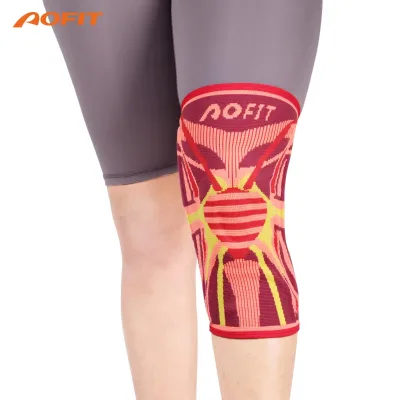
When sourcing Adjustable Warm Knee Pads, buyers must first establish a clear understanding of the technical specifications that define the product's functionality and durability. The core of this category lies in the intersection of thermal retention, mechanical support, and material integrity. Based on available market data, the primary material composition for these items often involves Nylon and Rubber, each offering distinct advantages in different usage scenarios. Nylon-based knee supports are frequently highlighted for their breathability, lightweight nature, and ability to provide seamless construction, which reduces friction against the skin during high-intensity activities. Conversely, rubber components are often integrated to enhance elasticity and grip, ensuring the pad remains securely in place without slipping, a critical feature for athletes engaging in dynamic movements.
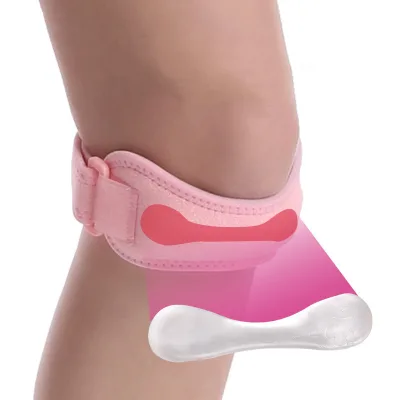
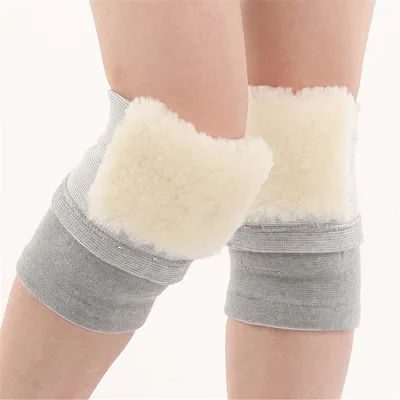
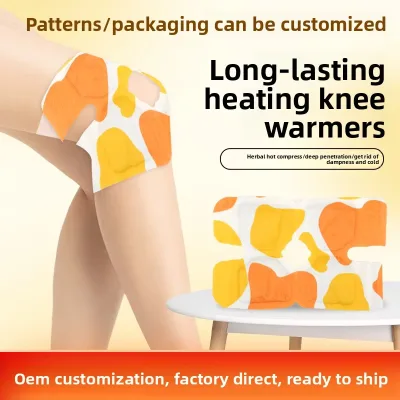
The structural design of these knee pads varies significantly in terms of thickness and support class. Market observations indicate a spectrum ranging from thin, breathable sleeves designed for general protection and pain relief to thicker, more robust braces intended for postoperative recovery or heavy-duty sports like rugby and football. The "adjustable" aspect of the product is a vital specification, often achieved through the inclusion of buckles, straps, or elastic bands that allow the user to customize the fit. This adjustability is essential for accommodating different leg circumferences and ensuring that the compression level is appropriate for the specific medical or athletic need. The product is generally categorized under "Professional Protection" or "Basic Protection," depending on the intended application. Professional-grade models often feature additional elements such as magnetic therapy, electro-thermal capabilities, or spontaneous heating, which are marketed towards rehabilitation and arthritis relief.
Size and fit are paramount in this category. Available specifications typically include standard sizing (S, M, L, XL) as well as "Free Size" options that rely on high elasticity to fit a broad range of users. The single package dimensions for these items are compact, often measuring around 15x12x5 cm, which facilitates efficient shipping and storage. The gross weight per unit is generally low, averaging around 0.400 kg, making them suitable for bulk procurement without incurring excessive freight costs. The color options are diverse, ranging from standard black and blue to more vibrant choices like pink and orange, and customization services are frequently available for buyers seeking branded products.
Compliance, Certification, and Safety Standards
Navigating the compliance landscape for Adjustable Warm Knee Pads requires a rigorous approach to verifying safety and quality standards. While the product is designed for protection and pain relief, it is crucial to distinguish between marketing claims and verified certifications. In the context of sports equipment, buyers should prioritize verifying that the materials used are hypoallergenic and safe for prolonged skin contact. The product features often list attributes such as "Hypoallergenic" and "Tear Resistant," which suggest a focus on user safety, but these should be validated through supplier-provided test reports rather than assumed.
Regarding specific standards, the market data references a standard code "281614cm" which appears to be a dimensional specification rather than a formal safety certification, and "EN 14404" is noted in background information. However, buyers must exercise caution and not treat background mentions as confirmed compliance for specific inventory. Instead, the procurement strategy should involve explicitly requesting documentation that confirms the product meets relevant international safety standards for medical devices or sports protective gear. If the knee pads are marketed for "rehabilitation" or "postoperative" use, they may fall under stricter regulatory frameworks requiring specific medical device certifications.
Buyers should also verify the "Protection Class" of the product. The distinction between "Professional Protection" and "Basic Protection" is significant for liability and performance expectations. Professional-grade products intended for high-impact sports like hockey or rugby must demonstrate superior impact absorption and structural integrity. Verification of these claims often requires third-party testing results that confirm the product's ability to withstand specific forces without failure. Additionally, the "Operating Instructions" specifying "Machine Wash" implies a need for durability testing to ensure the product retains its shape and therapeutic properties after repeated laundering.
Cost Drivers and Pricing Dynamics
The pricing of Adjustable Warm Knee Pads is influenced by a complex interplay of material costs, manufacturing complexity, and customization requirements. The observed price range in the market spans from approximately $0.14 to $20.53 USD, reflecting the vast diversity in product quality and feature sets. The lower end of this spectrum typically corresponds to basic, non-adjustable or minimally adjustable nylon sleeves with standard packaging, while the higher end encompasses products with advanced features such as magnetic therapy, electro-thermal functions, or custom branding.
Material selection is a primary cost driver. Products utilizing high-grade Nylon or specialized rubber blends with enhanced elasticity and breathability will naturally command higher prices. Furthermore, the complexity of the "adjustable" mechanism plays a significant role. Knee pads equipped with robust buckles, multiple straps, or integrated compression zones require more intricate molding and assembly processes, increasing the unit cost. The "Thickness" of the product also correlates with price; thicker models designed for heavy-duty protection or rehabilitation involve more raw material and potentially more complex layering techniques.
Customization is another major factor affecting cost. Suppliers offering "Customized Logo," "Customized Color," or "OEM" services will typically charge a premium. The Minimum Order Quantity (MOQ) is a critical variable in the pricing structure. While some suppliers may offer low MOQs as low as 100 pieces, others might require orders up to 10,000 units to achieve the lowest per-unit price. The "MOQ" of 100 PCS mentioned in the data suggests a baseline for custom orders, but buyers should be prepared for tiered pricing models where larger volumes result in significant cost reductions. Packaging costs also contribute to the final price; options like "OPP Bag" are standard and cost-effective, whereas custom retail packaging will increase the overall expense.
Typical Applications and Use Cases
Adjustable Warm Knee Pads serve a wide array of applications, ranging from competitive sports to medical rehabilitation. The "Sport Type" attributes identified in the market data include Running, Tennis, Football, Volleyball, Baseball, Basketball, Softball, Cycling, Weightlifting, Soccer, Bicycle, Skateboarding, BMX, Gymnastics, Hockey, Rugby, and Field Hockey. This extensive list underscores the versatility of the product across both contact and non-contact sports. In these contexts, the knee pads function primarily as "Protection" and "Compression" devices, helping to "avoid injuries" and provide stability during high-impact movements.
Beyond athletic performance, these products have significant applications in the medical and wellness sectors. The "Application" attributes frequently mention "PAIN RELIEF," "rehabilitation," "Arthritis," and "postoperative knee joints." This indicates a strong market segment focused on therapeutic use. Knee pads with features like "Spontaneous Heating" or "Magnetic therapy" are specifically targeted at individuals suffering from chronic joint pain or those recovering from surgery. The "Breathable" and "Non-Slip" features are particularly important for users who need to wear the support for extended periods, ensuring comfort and preventing skin irritation.
The "Applicable To The Crowd" and "Applicable People" attributes indicate that these products are generally designed for "Adults" and are "Unisex," making them suitable for a broad demographic. The "Age Group" specification confirms that the primary target is the adult population, though the "Universal" nature of the design allows for a wide range of body types. The "Use" category further specifies "Outdoor Sport/Fitness," highlighting the product's utility in both gym environments and outdoor activities. Whether for an athlete seeking to prevent a strain during a basketball game or a senior citizen managing arthritis, the adjustable warm knee pad offers a tailored solution for knee health and support.
Supplier Evaluation and Sourcing Strategy
Evaluating suppliers for Adjustable Warm Knee Pads requires a thorough assessment of their manufacturing capabilities, quality control processes, and business flexibility. The "Company Type" is listed as "Factory," which suggests a direct manufacturing source, potentially offering better pricing and control over the production process compared to trading companies. Buyers should verify the "Place of Origin," which is primarily identified as Hebei and Jiangsu, China, regions known for their textile and sports equipment manufacturing infrastructure.
Key evaluation criteria should include the supplier's ability to handle "OEM" (Original Equipment Manufacturer) and "ODM" (Original Design Manufacturer) requests. The data confirms that "OEM Is Available" and "Customization" is an option, which is crucial for buyers looking to brand the products. The "Service" attribute explicitly states "OEM Is Available," indicating a willingness to collaborate on product development. Buyers should also assess the "Selling Units," which are listed as "Single item," suggesting flexibility in order sizes, although the "MOQ" of 100 PCS for custom orders must be factored into the planning.
Quality assurance is another critical factor. Buyers should request samples to test the "Feature" attributes such as "Seamless," "Elasticity," and "Tear Resistant." The "Operating Instructions" regarding "Machine Wash" should be tested to ensure the product maintains its integrity after cleaning. Additionally, the "Package Type" of "One OPP Bag" is standard, but buyers should verify if the supplier can accommodate specific packaging requirements for retail or bulk distribution. The "Logo" customization option allows for branding, but the quality of the logo application should be verified to ensure it does not compromise the material's breathability or comfort.
Quality Control and Long-Term Procurement Considerations
Implementing a robust quality control (QC) protocol is essential for ensuring the consistency and reliability of Adjustable Warm Knee Pads. Given the diverse range of materials and features, QC should focus on verifying the "Material" composition, the integrity of the "Closure Type" (Buckle), and the durability of the "Thickness" and "Size" specifications. Buyers should establish clear acceptance criteria for the "Color" consistency, especially when ordering customized batches, and ensure that the "Single gross weight" aligns with the specified 0.400 kg to prevent shipping discrepancies.
Long-term procurement considerations involve building a sustainable supply chain that can adapt to changing market demands. The "Customization" availability suggests that buyers should plan for potential design iterations based on customer feedback. The "Feature" list includes items like "Ergonomic" and "Foldable," which are value-added attributes that can differentiate a product line. Buyers should consider the "Season" attribute, noting that these products are "All Seasons," which implies a consistent demand throughout the year, reducing the risk of seasonal inventory obsolescence.
Furthermore, the "Application" of these products in "rehabilitation" and "postoperative" contexts requires a high level of trust and reliability. Any failure in the product's protective function could lead to serious consequences, making it imperative to maintain strict QC standards. Buyers should also monitor the "Protection Class" to ensure that the products continue to meet the required safety levels as they are used in different sports and medical scenarios. Finally, the "MOQ" and "Lead Time" (though not explicitly detailed in the data, implied by the MOQ) should be managed carefully to balance inventory costs with supply chain responsiveness. By focusing on these aspects, buyers can secure a reliable supply of high-quality Adjustable Warm Knee Pads that meet the diverse needs of their customers.
FAQs
What materials are used for Adjustable Warm Knee Pads?
These knee pads are primarily constructed from Nylon and Rubber to ensure durability and elasticity. Nylon provides a lightweight, breathable, and seamless fit, while Rubber components enhance grip and prevent slipping during dynamic movements.
Which sports are these knee supports applicable for?
The products are designed for a wide range of sports including Running, Tennis, Football, Basketball, and Cycling. They also support activities like Weightlifting, Rugby, and Field Hockey, offering protection for various athletic needs.
Can buyers request custom logos and colors for orders?
Yes, customization is available for logos, colors, and specific product features upon request. Buyers can select from standard options like Pink, Orange, or Blue, or request customized branding to match their specific business requirements.
What is the typical minimum order quantity for these items?
The minimum order quantity is generally 100 pieces for customized orders. Some suppliers may accept lower quantities for standard items, but bulk orders often yield better pricing and are required for OEM services.
How do the knee pads provide pain relief and protection?
The pads offer protection through compression and support, helping to avoid injuries and relieve pain. Features like magnetic therapy, electro-thermal capabilities, and spontaneous heating are available for rehabilitation and arthritis management.
Where are these knee pads manufactured and shipped from?
The products originate from factories located in Hebei and Jiangsu, China. These regions are known for their textile and sports equipment manufacturing infrastructure, ensuring efficient production and shipping capabilities.