Source African Security Patrol Diesel Pickup for Patrols, Rescue, and Transport
Find 30 verified options for the African Security Patrol Diesel Pickup with features like Euro 5 emission standards, manual or automatic transmission, and rescue capabilities. Buyers can compare specifications including engine power, tank capacity, and dimensions across multiple models from China.
Key considerations
Products List

Security Patrol Vehicle Armored Pickup Truck Bulletproof Pickup Special Vehicle
$72000.00 - $75000.00
MOQ: 1 Pieces


Bulletproof Pickup Armored Pickup Truck Security Patrol Vehicle Bulletproof Car
$72000.00 - $75000.00
MOQ: 1 Pieces


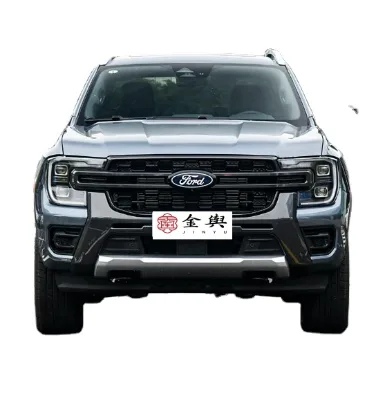


Foton Diesel Conversion Pickup Car for Bulletproof Cash-in-Transit Vehicle
$118999.00 - $129352.00
MOQ: 1 Pieces


4× 4 Bulletproof Specialized Vehicle Car Foton Pickup for Cash-in-Transit
$118999.00 - $129352.00
MOQ: 1 Pieces


Foton Tuland S 4×4 Diesel Pickup 5-Seater Euro II for African Security Patrol
$16858.00 - $19028.00
MOQ: 1 Pieces


Spacious Factory Price off-Road Versatile Diesel Pickup with Euro IV
$15000.00 - $25000.00
MOQ: 1 Pieces

Spacious Factory Price off-Road Versatile Diesel Pickup with Euro VI
$15000.00 - $25000.00
MOQ: 1 Pieces


Comprehensive Sourcing Guide
Strategic Sourcing Guide for African Security Patrol Diesel Pickups
Understanding the Technical Landscape for Security Operations
When sourcing vehicles for security patrol duties in the African region, the distinction between a standard commercial pickup and a specialized security asset is critical. The core keyword "African Security Patrol Diesel Pickup" implies a requirement for robustness, fuel efficiency, and adaptability to varying terrain conditions. Based on the available product data, the market offers diesel-powered platforms that serve as the foundational chassis for these specialized units. The observed fuel type for high-performance models in this category is consistently Diesel, aligning with the need for high torque and extended range in remote locations.
A primary technical consideration is the engine configuration. The supply data indicates the availability of 2.3T 186Ps L4 engines, which provide a balance of power and efficiency suitable for patrol duties. However, buyers must also be aware of larger displacement options, with some models featuring engines in the 2500-4000CC range. The horsepower spectrum observed in the current market ranges from 150 to 250hp, allowing procurement teams to select units based on the specific load requirements and speed expectations of their security operations. For patrol vehicles, the transmission type is a vital differentiator; while some models utilize Manual transmissions, others offer Automatic or Automatic Manual Transmission (AT) options. The choice between these systems often depends on the driver training level and the specific traffic conditions of the deployment area.
Dimensions and physical specifications are equally important for security applications. The product data highlights specific chassis dimensions, such as a standard of 5450mm1935mm1872mm for certain models, while others present a slightly different footprint of 5325×1855×1815 MM. For a security patrol vehicle, the wheelbase is a key stability factor, with observed values around 3270mm. The body structure is frequently configured as a 4-door, 5-seat pickup, ensuring sufficient crew capacity for a security team. The exterior color is often customizable, though White is a common default, allowing for branding or camouflage needs depending on the operational theater.
Compliance, Certification, and Emission Standards
Navigating the regulatory landscape is a fundamental step in international procurement. For African markets, compliance with both international standards and local import regulations is non-negotiable. The supply data confirms the presence of vehicles carrying ISOCCC certification, which is a significant indicator of quality management and environmental compliance. Furthermore, a broader range of certifications is observed in the market, including TSEPA, EEC, RoHS, and CE. These certifications suggest that the manufacturing processes adhere to rigorous safety and environmental protocols, which is essential for long-term operational reliability.
Emission standards are particularly relevant given the growing environmental regulations in many African nations. The data explicitly lists "Euro Fuel:Diesel" and "EURO 5" as the emission standards for specific models. This indicates that the available supply chain includes vehicles capable of meeting stringent Euro 5 requirements, which often facilitate smoother customs clearance and registration in countries with stricter environmental laws. Buyers must verify that the specific unit they procure matches the emission standard required by the destination country's transport authority.
Additionally, the product specifications mention "European Standard" as a compliance attribute. This suggests that the design and manufacturing of these vehicles often align with European safety and construction norms, providing a higher baseline of quality. However, buyers should not assume that all listed products automatically satisfy every certification. The presence of "OEM: Yes" indicates that manufacturers are willing to customize vehicles to meet specific client requirements, which may include adapting emission systems or safety features to local regulations. It is imperative to request documentation for the specific batch of vehicles being purchased to confirm that the ISOCCC, TSEPA, EEC, RoHS, and CE certifications apply to the exact units delivered.
Cost Drivers and Pricing Dynamics
The financial aspect of sourcing security patrol vehicles involves analyzing the observed price range and the factors that influence it. The current market data indicates a listed price range of USD 6,000 to USD 129,352. This wide variance is not indicative of a single product line but rather reflects the diversity of configurations, from basic chassis to fully equipped emergency or security response vehicles. The lower end of the spectrum likely represents the base pickup truck, while the upper end encompasses specialized modifications such as integrated communication systems, armored plating, or custom bodywork.
The Minimum Order Quantity (MOQ) for these vehicles is observed to be 1, offering significant flexibility for buyers who need to procure a single unit for a pilot program or a small security team. This low barrier to entry allows for agile procurement strategies. However, the "Selling Units" are listed as "Single item," suggesting that while the MOQ is low, the pricing structure may be optimized for bulk orders through negotiation.
Several factors drive the cost within this range. First, the customization level is a major cost driver. The data confirms that "Customization: Available" is a standard attribute. Vehicles equipped with specific security features, such as reinforced bodies, specialized lighting, or integrated water tanks (as seen in fire truck variants which share similar chassis), will command higher prices. Second, the engine specification plays a role; a 2.3T engine may be priced differently than a larger 2500-4000CC unit. Third, the transmission type (Manual vs. Automatic) can impact the final cost, with automatic systems often carrying a premium. Finally, the origin of the vehicle, specifically "Jiangxi, China," and the "Nude" or "Container or Bulk Cargo" packing methods, influence logistics costs, which are often factored into the total landed cost.
Typical Applications and Operational Configurations
The versatility of diesel pickup trucks makes them ideal for a wide array of security applications across Africa. The product data reveals that these vehicles are frequently configured as "Fire Fighting Truck/Emergency Rescue Vehicle" or "Emergency Communication Vehicle/Command Vehicle." This suggests that the chassis is highly adaptable for specialized roles beyond simple transport. For security patrols, the 4-door, 5-seat configuration is particularly valuable, allowing for a driver, a commander, and two additional security personnel to travel in comfort and readiness.
The "Rescue" attribute found in the specifications highlights the dual-use potential of these vehicles. In security contexts, this translates to rapid response capabilities. The ability to customize the exterior color and the availability of specific body structures allow security firms to brand their fleets for visibility or to blend into specific environments. For instance, a "Nude" packing method implies that the vehicle may be delivered as a bare chassis, allowing the security company to install their own specialized equipment, such as roll cages, communication arrays, or weapon mounts, tailored to their specific threat assessment.
Furthermore, the data mentions "Water Tank Fire Truck" variants with a tank capacity of 80L. While this specific configuration is for firefighting, it demonstrates the vehicle's capacity to carry auxiliary equipment. In a security context, this could be adapted for water cannons or other non-lethal crowd control measures. The "Emergency Communication Vehicle" designation points to the feasibility of integrating complex radio and data systems, turning the pickup into a mobile command center. This adaptability is crucial for security operations that may need to shift from static patrol to mobile command roles depending on the situation.
Supplier Evaluation and Quality Assurance
Selecting the right supplier is as critical as selecting the right vehicle. The data indicates that the place of origin is primarily "China," with specific mentions of "Jiangxi" as a manufacturing hub. While the supply chain is robust, buyers must exercise due diligence in supplier evaluation. The presence of "OEM: Yes" suggests that many suppliers are capable of original equipment manufacturing, meaning they can produce vehicles to specific design requirements. However, buyers should verify the supplier's track record in delivering to African markets, as logistics and after-sales support in these regions can be challenging.
Quality control should be a central part of the procurement process. The "New" condition of the products is a baseline requirement, but buyers must go further. The "Braking System: Mechanical" noted in the data requires verification to ensure it meets the safety standards required for heavy-duty security use. Similarly, the "Gearbox Type" and "Transmission Type" must be tested to ensure reliability under the stress of long-distance patrols. The "Cylinder Head Material: Aluminium" is a technical detail that affects heat dissipation and engine longevity; buyers should confirm that this material is used in the specific model they are purchasing to ensure engine durability in hot climates.
Buyers should also scrutinize the "Product Name" and "Model" consistency. The data lists various models such as "JMC Dadao," "Hilux," "CLW5031TXFQC05," and "CLW5041GGSBAW6." It is essential to ensure that the supplier provides the exact model number corresponding to the specifications requested. The "Volume: <3000L" attribute, while likely referring to tank capacity in fire truck variants, serves as a reminder that buyers must verify all volume and capacity specifications to ensure they meet operational needs.
Long-Term Procurement and Maintenance Considerations
Sourcing a security patrol vehicle is not a one-time transaction but the beginning of a long-term operational relationship. The "Customization: Available" feature is a double-edged sword; while it allows for tailored solutions, it also introduces complexity in maintenance. Buyers must ensure that the customized parts are readily available and that the supplier can provide technical support for these modifications. The "Container or Bulk Cargo" packing options indicate that logistics planning is a key component of the procurement strategy. For African destinations, container shipping is often preferred for security vehicles to protect the assets during transit, whereas bulk cargo might be used for larger fleet orders.
Maintenance and spare parts availability are critical for minimizing downtime. The "Diesel" fuel type is advantageous for its availability and durability, but the specific engine model (e.g., 2.3T or 2500-4000CC) dictates the parts inventory required. Buyers should establish a supply chain for spare parts, particularly for the "Automatic Manual Transmission (at)" or "Manual" gearboxes, which may require specialized servicing. The "Maximum torque(Nm): 470" specification highlights the need for robust drivetrain components; buyers should verify the warranty terms for these high-stress components.
Finally, the "Emission Standard: EURO 5" and other certifications like "ISOCCC" are not just for initial import; they are often required for periodic vehicle inspections and renewals of operating licenses. Buyers must maintain a comprehensive file of all certification documents for each vehicle in their fleet. The "Condition: New" status at the time of purchase must be preserved through proper maintenance protocols. By focusing on these long-term considerations, security firms can ensure that their fleet remains operational, compliant, and effective throughout its service life.
Comparative Analysis of Key Vehicle Attributes
To assist in the decision-making process, the following table summarizes the key attributes observed in the market data for diesel pickup security vehicles. This comparison highlights the variability in specifications that buyers must navigate.
| Attribute Category | Observed Specification A | Observed Specification B | Observation C |
|---|---|---|---|
| Engine | 2.3T 186Ps L4 | 2500-4000CC | Horsepower range: 150-250hp |
| Transmission | Manual | Automatic / AT | Gearbox Type: Automatic Manual |
| Dimensions | 545019351872 mm | 532518551815 mm | Wheelbase: 3270 mm |
| Fuel Type | Diesel | Diesel | Tank Capacity: 80L (specific models) |
| Certification | ISOCCC | ISOCCC, TSEPA, EEC, RoHS, CE | Emission: Euro 5 |
| Body Structure | 4-door 5-seat pickup | Customized | Exterior Color: White or Customized |
| Origin | Jiangxi, China | China | Packing: Nude or Container |
| Price Range | $6,000 - $129,352 | MOQ: 1 |
This table underscores the importance of verifying specific model numbers against operational requirements. A vehicle with a 2.3T engine may be sufficient for urban patrols, while a 4000CC unit might be necessary for off-road security operations. Similarly, the choice between Manual and Automatic transmission depends on the terrain and driver preference. By carefully cross-referencing these attributes, procurement teams can select the most suitable vehicle for their specific security needs.
FAQs
What certifications do these diesel pickups have?
Available units carry ISOCCC certification, with some models also holding TSEPA, EEC, RoHS, and CE marks. Buyers must verify that specific batch documentation confirms these certifications apply to the exact vehicles delivered rather than assuming universal compliance.
Which emission standards are supported for these vehicles?
The supply chain includes models meeting Euro 5 emission standards and those labeled with Euro Fuel:Diesel specifications. Procurement teams should confirm the specific emission standard required by the destination country matches the unit selected to ensure smooth customs clearance.
Can buyers customize the exterior color and body?
Customization is available for exterior colors and body structures, allowing for branding or operational camouflage. While white is common, clients can request specific configurations, though they must ensure the supplier can source compatible parts for long-term maintenance.
What is the typical price range for these pickups?
Listed prices range from USD 6,000 to USD 129,352 depending on the configuration and equipment level. The lower end typically covers base chassis, while the higher end includes specialized modifications like integrated communication systems or reinforced security features.
Which engine specifications are available for security patrols?
Models feature 2.3T 186Ps L4 engines or larger displacements between 2500-4000CC with horsepower ranging from 150 to 250hp. Buyers should select based on torque needs for remote terrain and ensure the transmission type matches driver training levels.
What are the minimum order quantities for these vehicles?
The minimum order quantity is one unit, allowing for pilot programs or small security team procurement. Although single items are sold, buyers should negotiate for bulk pricing as the structure often favors larger fleet orders for cost efficiency.