Source African Velvet Sequin Lace Fabric for Wedding Dress, Evening Gown, Headband
Compare 30 listings of African Velvet Sequin Lace Fabric from verified suppliers in China. Buyers can evaluate options for wedding dresses, evening gowns, and headbands based on material, width, and customization availability.
Key considerations
Products List
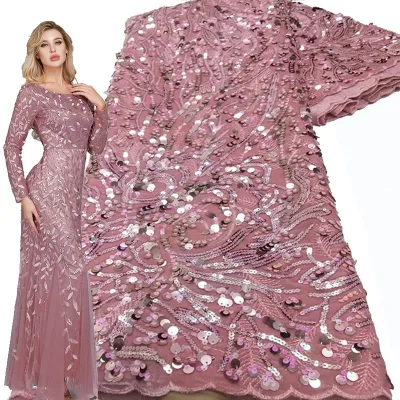
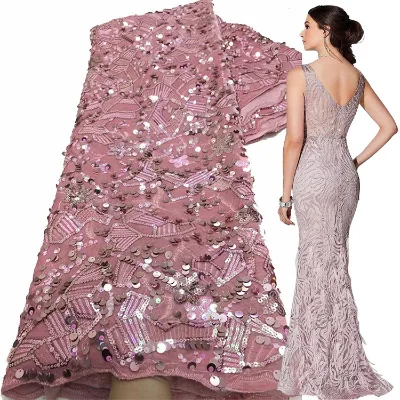


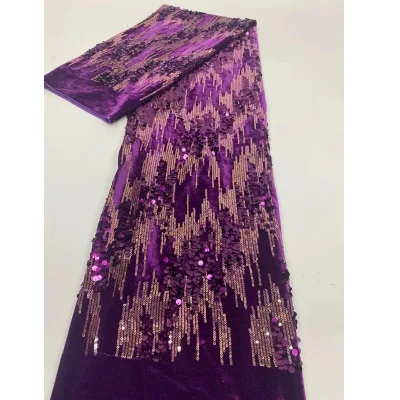
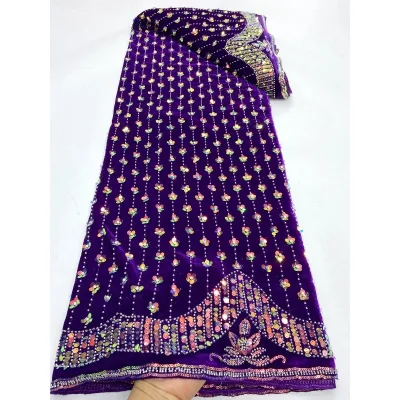
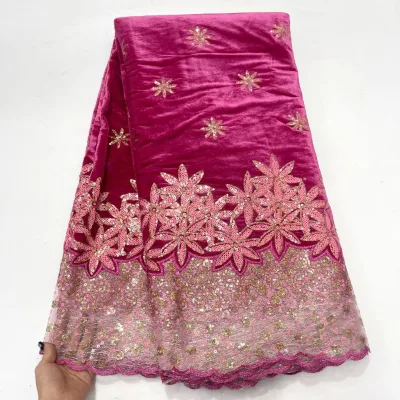
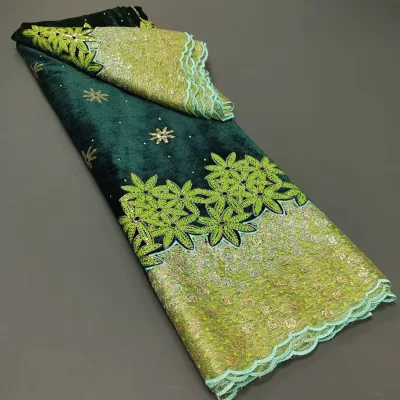
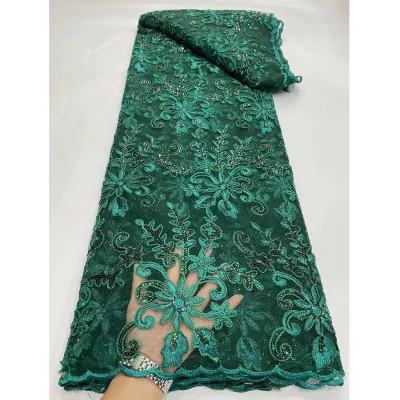
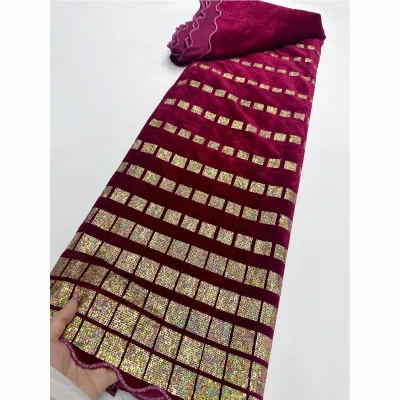
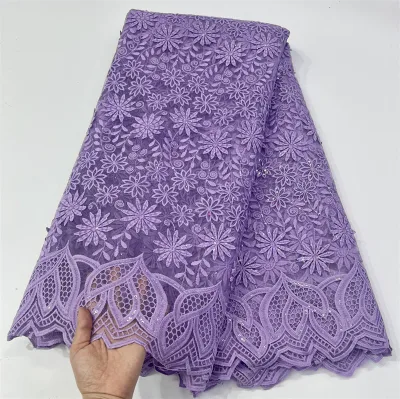
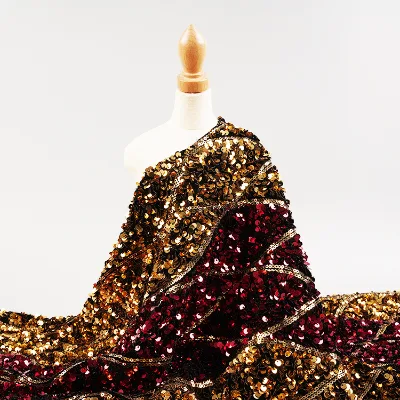
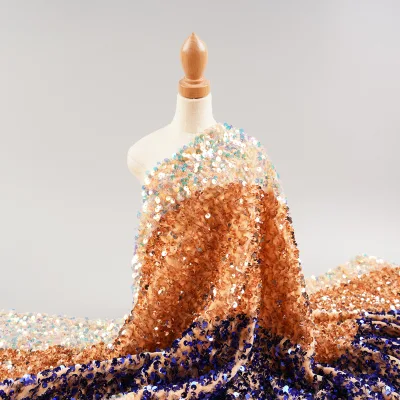
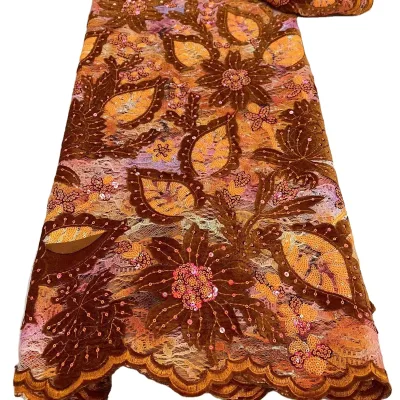


Rose Gold African French Sequins Mesh Lace Fabric for Party Wedding Dress
$4.55 - $6.00
MOQ: 500 Yards
Comprehensive Sourcing Guide
Strategic Sourcing Guide for African Velvet Sequin Lace Fabric
The global demand for African Velvet Sequin Lace Fabric has surged, driven by the fashion industry's increasing appreciation for textured, luxurious materials that blend traditional craftsmanship with modern embellishments. For procurement professionals, sourcing this specific category requires a nuanced understanding of material composition, technical specifications, and supply chain dynamics. This guide provides an evidence-based framework for evaluating suppliers and selecting products that meet rigorous B2B standards without relying on unverified marketing claims.
Understanding Material Composition and Technical Specifications
The foundation of any successful procurement strategy lies in verifying the core material attributes. Based on available product data, the primary substrate for these fabrics is consistently identified as 100% Polyester. This synthetic base offers durability and cost-effectiveness, making it suitable for high-volume production runs. However, the defining characteristic of this category is the "velvet" base fabric, which provides a soft, plush texture that contrasts sharply with the rigid, reflective nature of the sequins.
Technical specifications vary significantly between suppliers, necessitating careful review of the product data sheet. Width is a critical dimension for pattern matching and waste reduction. Observed data indicates a standard width of 130cm for certain high-end embroidered varieties, while other listings specify a width of 57/58 inches (approximately 145cm). Buyers must confirm the exact width required for their specific garment patterns, as a discrepancy can lead to significant material wastage. Furthermore, the thickness is generally categorized as "Medium Weight," which balances drape and structure, making it ideal for structured garments like evening gowns and bridal wear.
The production techniques employed are equally diverse. The supply chain features products utilizing "Embroidered" techniques, often combined with "beaded lace," "glitter lace," and "sequin lace" applications. Some variations are described as "Knitted" or utilizing "Net Embroidery" methods. The specific model numbers associated with these variations, such as 2244, 2243, LH251069, and LH251066, serve as unique identifiers for distinct patterns and construction methods. When sourcing, buyers should request physical swatches to verify the density of the sequin application and the stability of the embroidery stitches, as these factors directly impact the fabric's longevity and aesthetic appeal.
Compliance, Certification, and Quality Verification
In the B2B textile sector, compliance is often a prerequisite for market entry, particularly in Western markets where safety and environmental standards are stringent. While some product listings mention "Eco-Friendly" features, these are observations rather than guaranteed certifications. Procurement teams must not assume that a product labeled as eco-friendly possesses formal third-party validation without direct verification.
Buyers should explicitly request documentation regarding recognized standards. Although general industry knowledge references standards like OEKO-TEX or ISO 27001, these specific certifications are not confirmed in the provided product data. Therefore, the procurement process must include a mandatory verification step where the supplier provides valid certificates for the specific batch being ordered. This is crucial for ensuring that the dyes, adhesives used for sequins, and the polyester fibers themselves do not contain harmful substances.
Quality control should also extend to the physical integrity of the embellishments. The "Decoration" attribute often lists "Sequins" or "Other," but the method of attachment is not always detailed. A common failure point in sequin lace is the shedding of sequins during washing or wear. Buyers should establish a quality acceptance criterion that includes a pull-test for sequin adhesion and a visual inspection for loose threads or uneven embroidery density. The "Single gross weight" and "Single volume" data provided in some listings appear to be placeholders (0.0 kg and 0 cm³), indicating that precise packaging and weight data must be negotiated directly with the supplier to ensure accurate freight calculations and inventory planning.
Cost Drivers and Pricing Dynamics
The pricing structure for African Velvet Sequin Lace Fabric is influenced by several volatile factors. The observed price range in the market spans from $1.40 to $16.42 USD per unit. This wide disparity is not merely a reflection of brand value but is heavily driven by the complexity of the design, the density of the sequin application, and the volume of the order.
The primary cost driver is the Minimum Order Quantity (MOQ). Data indicates a significant divergence in entry barriers, with some suppliers offering an MOQ of just 5 yards for in-stock colors, while others require a substantial commitment of 2000 yards. High MOQs typically correlate with lower unit costs, as the supplier amortizes the setup costs for custom embroidery and sequin application over a larger volume. Conversely, the ability to source small quantities (5 yards) allows for sampling and small-batch production but often comes at a premium per yard.
Customization is another major cost factor. While standard in-stock items are available, the "Customized" attribute suggests that buyers can request specific styles, with an MOQ of 500 yards often cited for these bespoke orders. Customization involves additional labor for pattern design, sample creation, and machine setup, all of which increase the final price. Buyers must balance the desire for unique designs against the budget constraints imposed by these volume thresholds. Additionally, transportation costs play a role; with options ranging from sea freight to air express, the final landed cost will vary significantly depending on the urgency of the delivery and the chosen logistics provider.
Typical Applications and Design Versatility
The versatility of African Velvet Sequin Lace Fabric makes it a staple for various high-end garment categories. The "Use range" and "Usage" attributes highlight its primary application in "Wedding Dress," "Evening Dress," and "Bridal" wear. The luxurious texture of the velvet base combined with the sparkle of the sequins creates a dramatic visual effect that is highly sought after for formal occasions.
Beyond bridal and evening wear, the fabric is increasingly utilized in "African Caftan" and "Fashion Dress" designs. The "Style" attributes, including "African," "Bridal," "Wedding," "Evening Gown," and "Flor," indicate that the fabric is adaptable to both traditional African aesthetics and contemporary Western fashion trends. The "Technics" listed, such as "Dobby," "Zigzag Pattern," and "Plain," offer designers a wide palette of textures to work with.
For procurement managers, understanding these applications is vital for inventory planning. A supplier specializing in "Wedding Dress" fabrics might prioritize high-gloss sequins and intricate embroidery, whereas a supplier focusing on "African Caftan" might emphasize bold, large-scale patterns. The "Base Fabric" being velvet is particularly advantageous for garments requiring structure, such as bodices and sleeves, while the "Net Embroidery" variations offer a lighter, more ethereal option for overlays and veils. Buyers should align their supplier selection with their specific end-product requirements to ensure the fabric's weight and drape are appropriate for the intended garment.
Supplier Evaluation and Lead Time Management
Selecting the right supplier requires a rigorous evaluation process that goes beyond the initial product listing. The "Place of Origin" for many of these products is identified as Guangdong, China, with some variations originating from Zhejiang. While these regions are known for textile manufacturing, the specific capabilities of the factory must be verified. Buyers should assess the supplier's capacity to handle the "Customization" requests, particularly the 500-yard MOQ for bespoke orders.
Lead time is a critical component of the supply chain. The data indicates that a "7 days sample order lead time" is supported by some suppliers, which is excellent for rapid prototyping. However, for bulk production, the "Delivery Time" is generally listed as 5-7 days, though this likely refers to the production window after sample approval rather than the total time including shipping. Buyers must clarify whether this timeline includes the time required for shipping via "Sail, Express, or Air." Relying solely on the stated production time without accounting for logistics can lead to missed deadlines.
Supplier reliability can be gauged by their transparency regarding the "Color" options. Some listings state "please contact us for style choice," indicating a need for direct communication to confirm color availability and dye consistency. Others offer "Ready to Ship or Custom" options, suggesting a more flexible inventory model. Buyers should prioritize suppliers who provide clear, detailed information on color fastness and consistency, as these are common pain points in the textile industry.
Long-Term Procurement Considerations
Sourcing African Velvet Sequin Lace Fabric is not a one-time transaction but a strategic relationship that requires long-term planning. The "Feature" of being "Eco-Friendly" suggests a growing market trend toward sustainable textiles. Even if formal certifications are not immediately available, buyers should inquire about the supplier's environmental policies and waste management practices. This forward-looking approach can mitigate future regulatory risks and align the brand with sustainability goals.
Inventory management is another key consideration. Given the wide range of MOQs, from 5 yards to 2000 yards, buyers must develop a flexible procurement strategy. For new product lines, starting with the low-MOQ in-stock options allows for market testing without significant capital risk. Once a design proves successful, the buyer can transition to higher-volume orders to secure better pricing and ensure supply stability.
Finally, the "Transportation" options available, including sea, express, and air, offer flexibility in managing cash flow and delivery urgency. Buyers should negotiate terms that allow for a mix of shipping methods based on the urgency of the order. Establishing a clear communication channel for tracking orders and resolving quality issues is essential for maintaining a smooth supply chain. By focusing on these long-term factors, procurement professionals can build a resilient sourcing strategy that ensures consistent access to high-quality African Velvet Sequin Lace Fabric.
Comparative Analysis of Supplier Attributes
To assist in the decision-making process, the following table summarizes the key attributes observed across different product listings. This comparison highlights the variability in specifications and requirements that buyers must navigate.
| Attribute | Option A (Standard/In-Stock) | Option B (Custom/Bulk) | Option C (Specialized) |
|---|---|---|---|
| Material | 100% Polyester | 100% Polyester | Polyester |
| Base Fabric | Velvet | Velvet | Velvet |
| Width | 130cm | 130cm | 57/58" |
| MOQ | 5 yards | 2000 yards | 300 yards |
| Customization | Not Available | Available (500 yards) | Available |
| Lead Time (Sample) | 7 Days | N/A | N/A |
| Delivery Time | 5-7 Days | 5-7 Days | 5-7 Days |
| Technic | Embroidered | Embroidered, Beaded | Knitted, Net Embroidery |
| Application | Wedding, Evening | Wedding, African Caftan | Bridal, Fashion |
| Origin | Guangdong, China | Guangdong, China | Zhejiang |
This table illustrates that while the core material remains consistent, the operational parameters vary widely. Buyers must align their specific needs with the appropriate option to optimize cost and efficiency.
Final Procurement Recommendations
In conclusion, sourcing African Velvet Sequin Lace Fabric requires a meticulous approach that balances technical specifications, cost efficiency, and supplier reliability. Buyers should prioritize verifying material composition and width, as these are critical for production planning. Compliance checks must be rigorous, moving beyond marketing claims to demand actual certification documentation. The wide range of MOQs and pricing structures necessitates a flexible procurement strategy that can adapt to different stages of product development. By focusing on long-term supplier relationships and maintaining clear communication regarding lead times and quality standards, buyers can successfully navigate the complexities of this dynamic market. The ultimate goal is to secure a supply chain that delivers high-quality, versatile fabrics that meet the evolving demands of the global fashion industry.
FAQs
What is the minimum order quantity for in-stock colors?
The minimum order quantity for in-stock colors is 5 yards. This low threshold allows buyers to sample fabrics without committing to large volumes, though custom orders typically require 500 yards or more.
Which materials are used to make this lace fabric?
The primary material used is 100% Polyester. This synthetic base provides durability and cost-effectiveness, often combined with a velvet substrate to create a soft, plush texture contrasted by sequin embellishments.
How long does it take to receive a sample order?
A sample order lead time is supported within 7 days. This rapid turnaround facilitates quick prototyping, though bulk production delivery times generally range from 5 to 7 days after sample approval.
Can I customize the fabric style and color options?
Customization is available with a minimum order quantity of 500 yards. Buyers must contact the supplier directly for style choices and color availability, as specific options are not always listed in standard catalogs.
Where is the place of origin for these fabrics?
The place of origin is primarily Guangdong, China, with some variations from Zhejiang. These regions are known for textile manufacturing, but buyers should verify specific factory capabilities for their customization needs.
What are the typical width specifications for this fabric?
Width specifications vary, with common options including 130cm and 57/58 inches. Buyers must confirm the exact width required for their patterns to avoid material wastage during garment production.